Newsletters


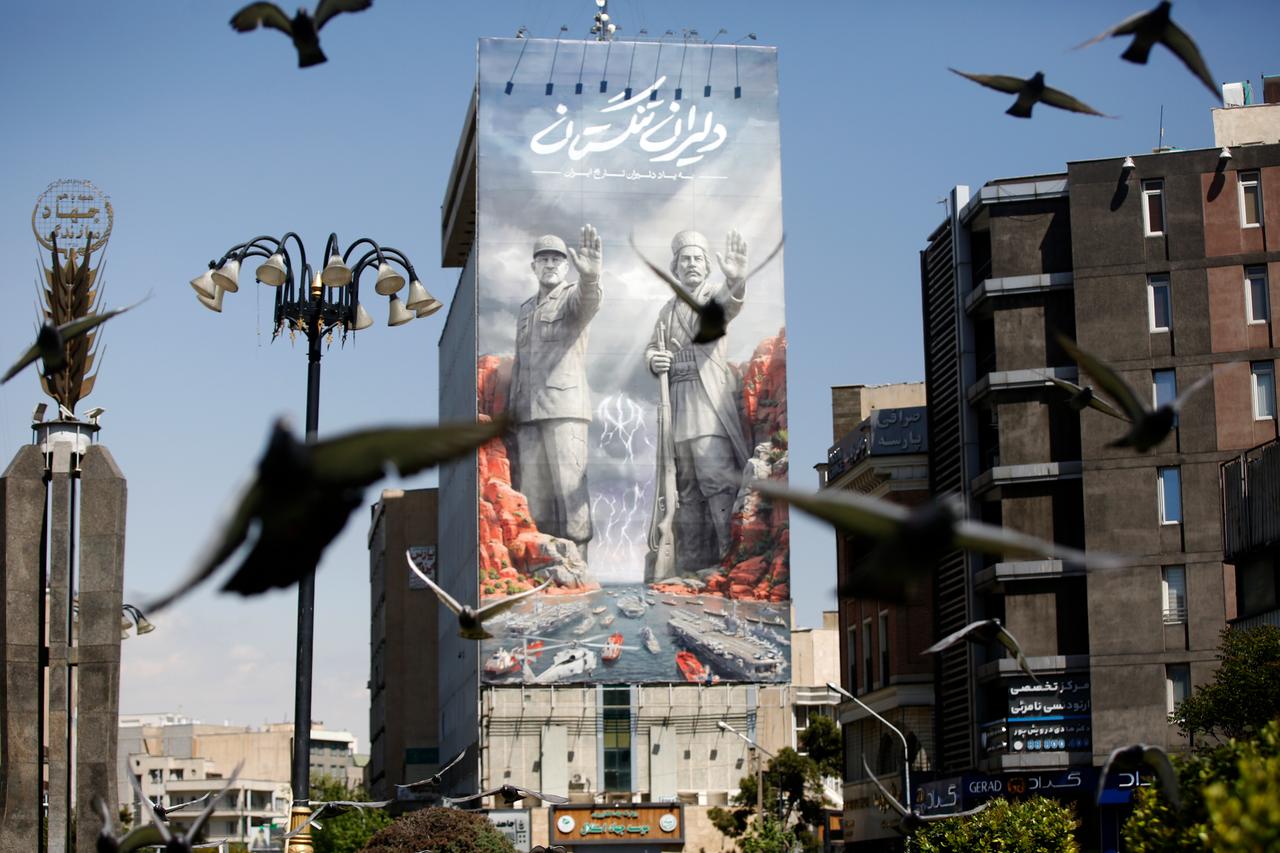


Iran’s president said Friday that Tehran is not pursuing nuclear weapons and is seeking peace and stability in the region following weeks of conflict.
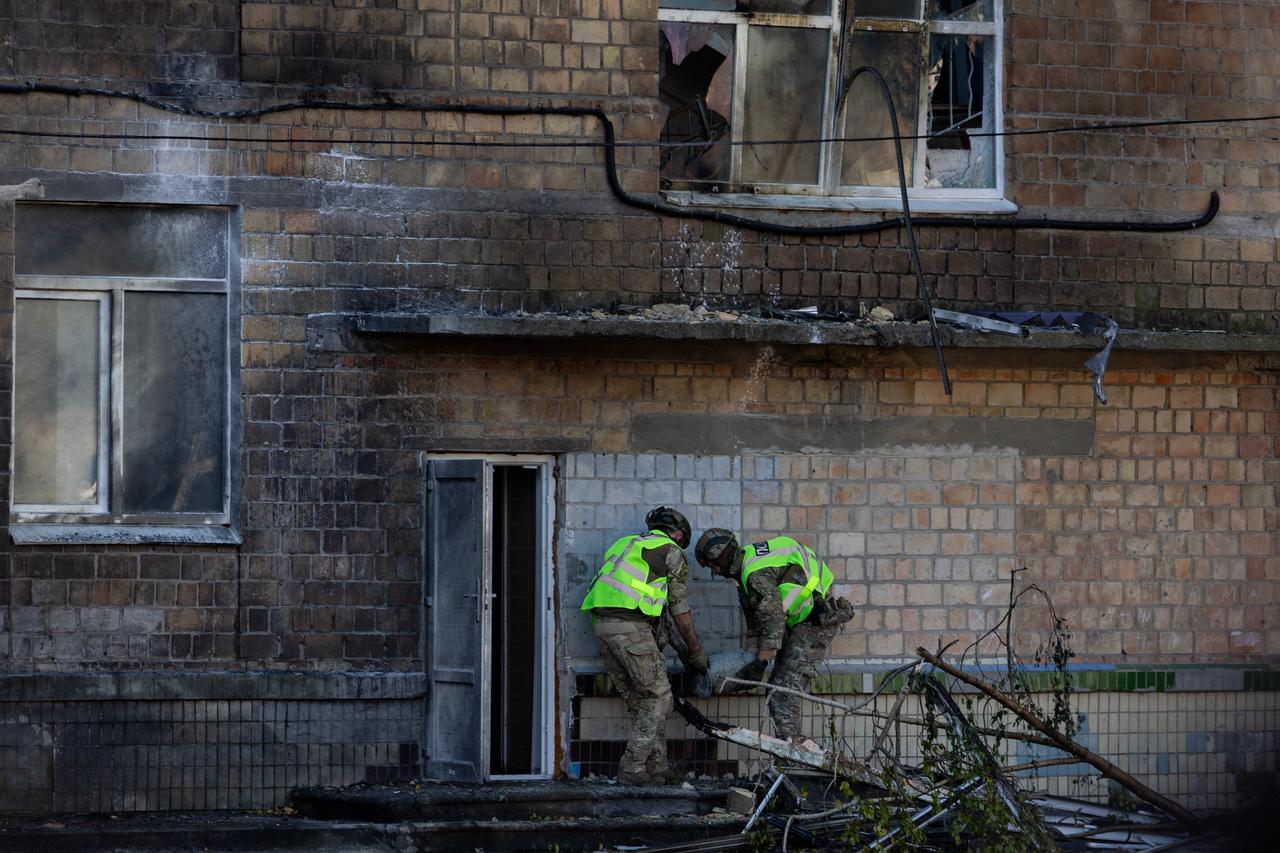
Masoud Pezeshkian made the remarks in an interview with state television, where he reviewed the government’s economic measures, defense posture and diplomatic efforts after attacks by the United States and Israel.
Pezeshkian said U.S.-Israeli efforts to force Iran into submission would fail.
“The United States and the Israeli regime thought that by waging war against our country, they could force us to surrender in a short time, but the presence of the people and the heroic defense of the fighters showed that Iran cannot be forced to surrender,” he said.
Rejecting claims that Iran is seeking nuclear weapons, he added, “We have not pursued and are not pursuing nuclear weapons. We do not want unrest and terrorism in the region. We seek peace and defend the integrity of our country with honor, and we are committed to legal and regulatory frameworks.”
Pezeshkian also pointed to developments in Lebanon, saying Israel had been compelled to declare a ceasefire.
 1 min read
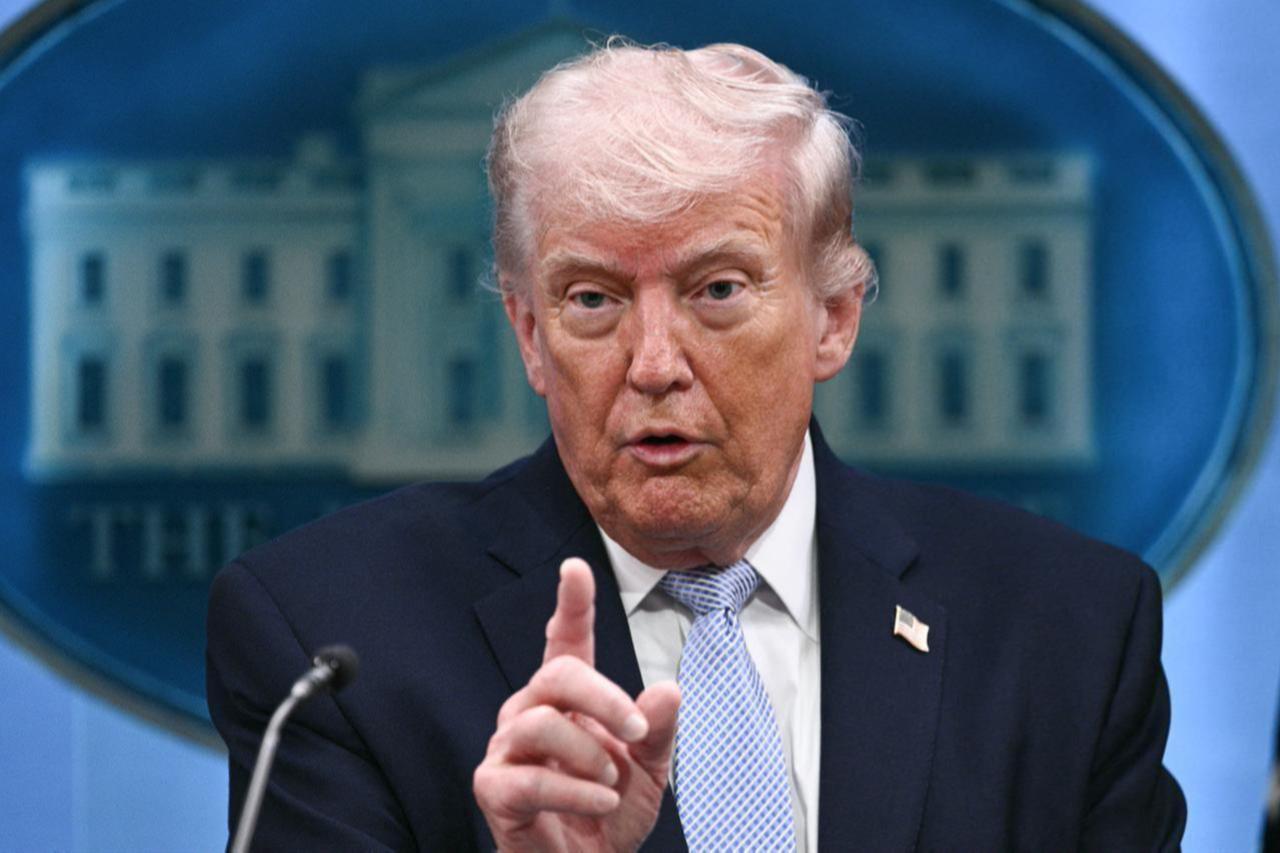
“Today, thanks to Iran’s strong diplomatic process, the Israeli regime was forced to declare a ceasefire and does not have the right to attack Hezbollah in Lebanon and other fronts,” he said.
More than 3,300 people have been killed in joint U.S.-Israeli airstrikes on Iran since Feb. 28.
A two-week ceasefire between Washington and Tehran, mediated by Pakistan, took effect April 8.
The United States and Iran held rare direct talks in Pakistan on April 11–12 aimed at ending the conflict, but the negotiations ended without agreement.
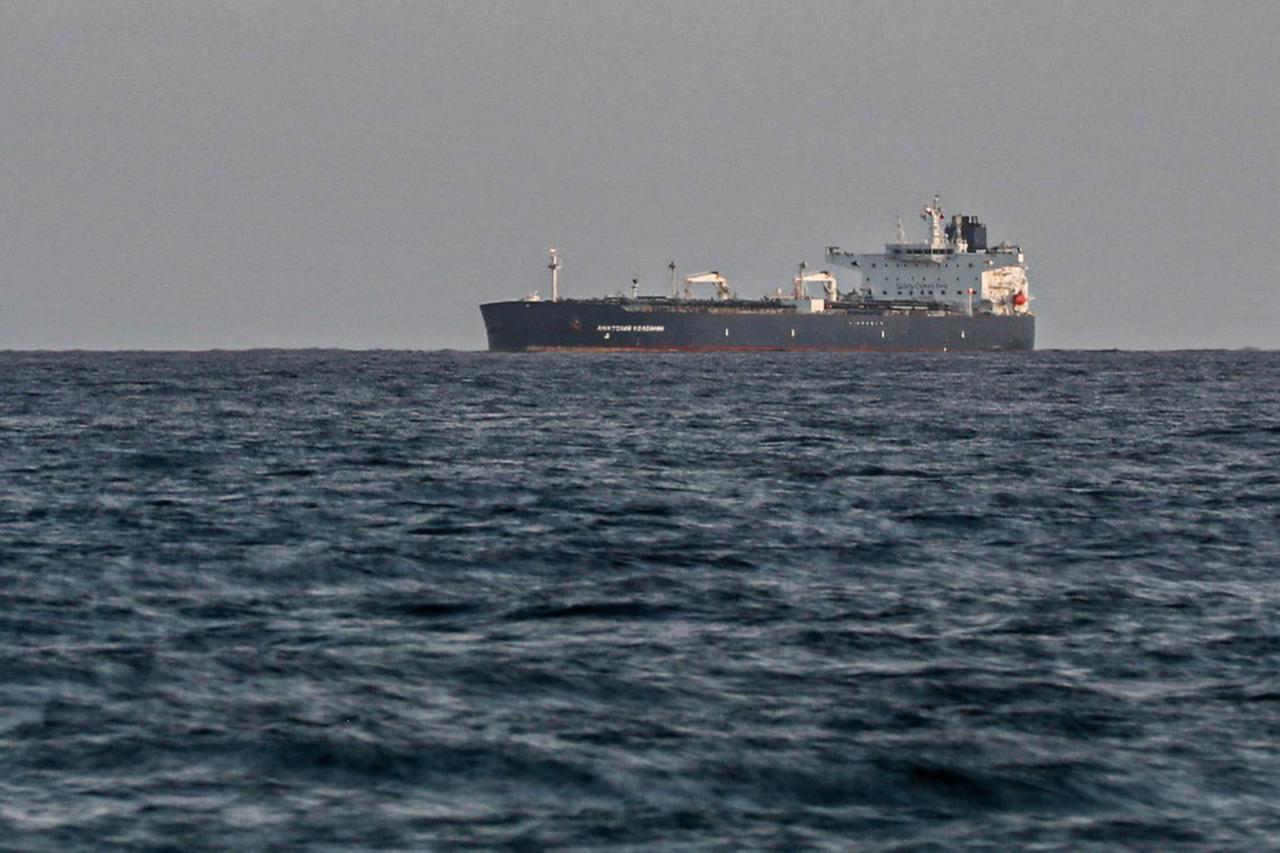
U.S. President Donald Trump later announced a naval blockade of the Strait of Hormuz, which took effect at 2 p.m. GMT on Monday.


 Set as preferred source
 Set as preferred source


 1 min read