Sign in
 Newsletters


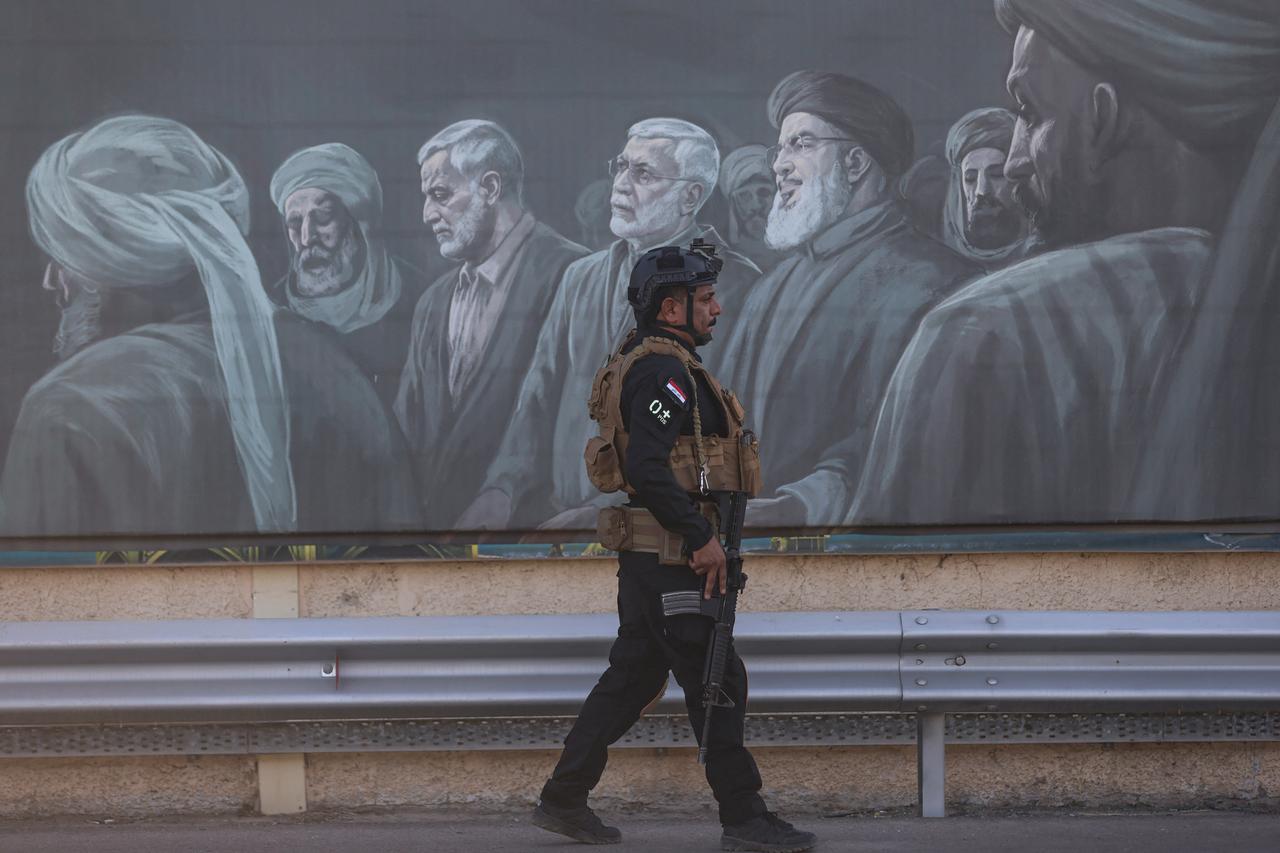


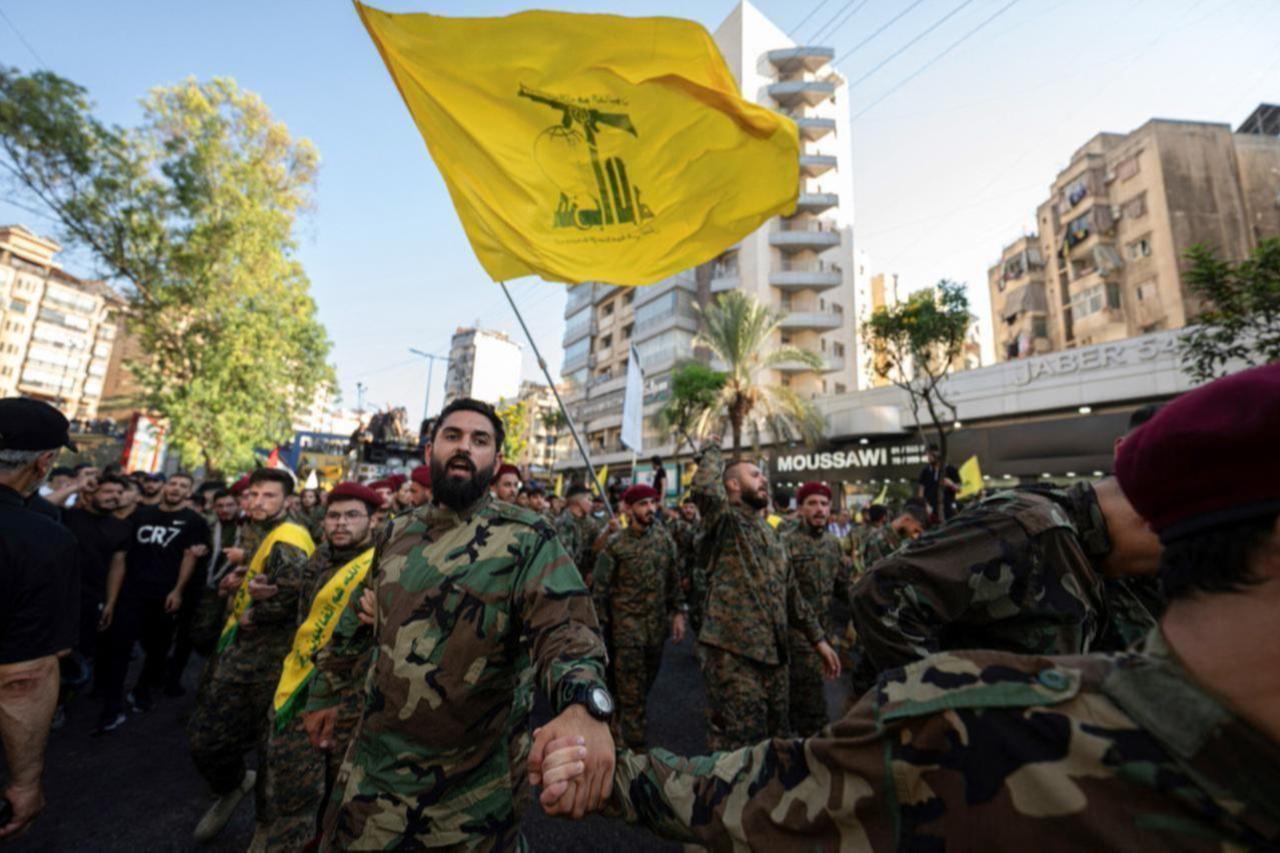
Iraqi Prime Minister Ali al-Zaidi ordered the armed forces on Monday to enter Jurf al-Nasr, a stronghold of the Iran-backed Kataib Hezbollah group, and set a deadline for the faction to leave after an investigation found evidence of oil smuggling, a government spokesman said.
"The armed forces will enter Jurf al-Nasr, and the decision has been taken, because the entry of our security forces represents the normal situation for managing the cities, districts and all areas of Iraq," government spokesman Haidar al-Aboudi told the state-run Iraqi News Agency (INA).
"A deadline has been set for the Kataib to leave Jurf al-Nasr, and this deadline is not far," he said.
A security source told Agence France-Presse (AFP) that the deadline is Friday, Nov. 20.
"The Jurf al-Nasr file has been described for years as a closed file, but the government, based on its legal powers and constitutional responsibility to protect public funds, took measures to follow up on suspicions of oil smuggling," al-Aboudi said.
A high-level committee chaired by a security figure from the Popular Mobilization Forces (PMF) entered the area Friday, inspecting six sites based on coordinates from an intelligence agency report, he said.
"The committee detected clear tampering with the pipelines passing through the area, as well as attempts to bury and cover up traces of this tampering. It also identified two refineries in the area, along with a tanker and storage tanks, evidence that requires crude oil to operate these refineries," al-Aboudi said.
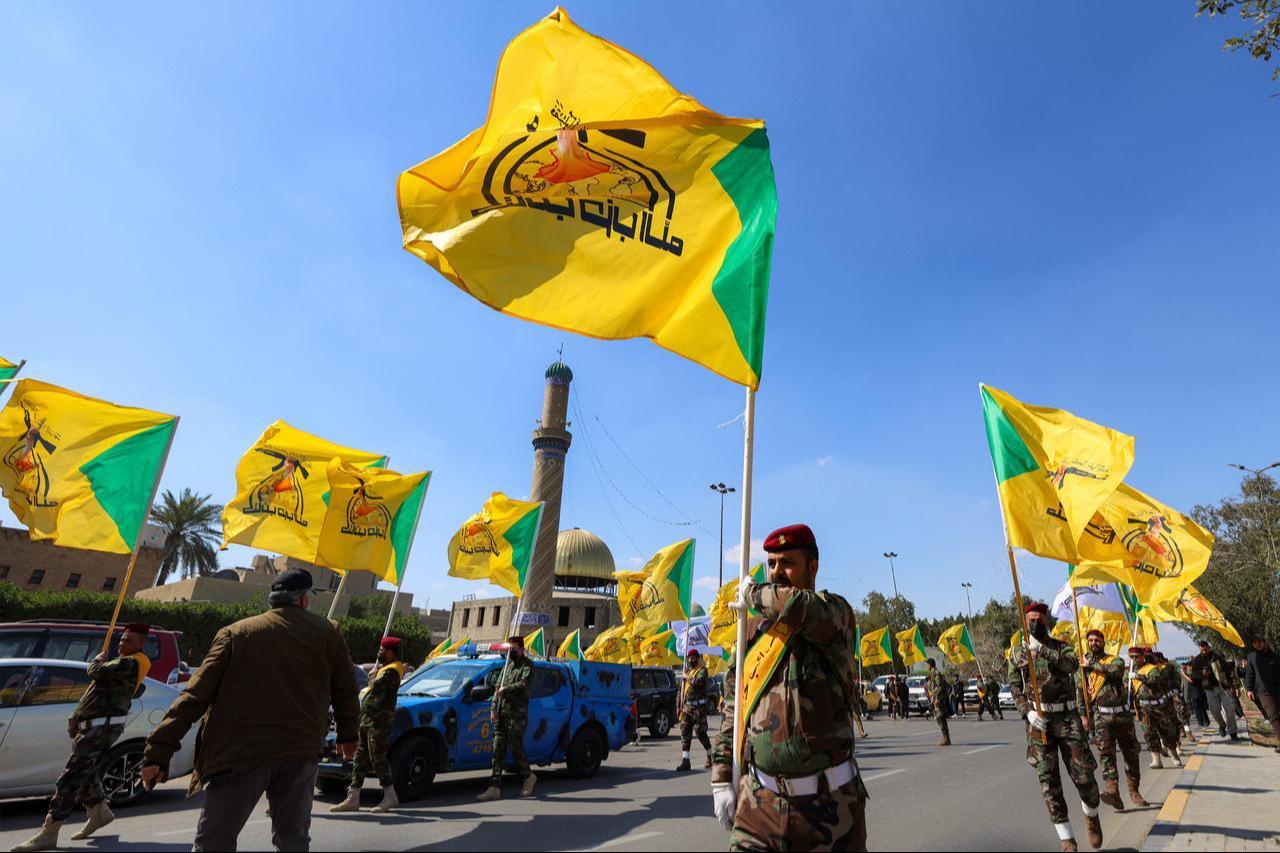

Al-Zaidi dismissed nine security and administrative officials on Saturday and ordered all suspects referred to the judiciary.
Those removed included Babil’s police chief, provincial intelligence and security directors, Babil’s Popular Mobilization Forces commander, an Energy Police brigade commander and the director of the Oil Ministry’s Oil Pipelines Company.
"There will not be an inch of Iraq where smuggling is allowed to continue, from Zakho to Basra," al-Zaidi said.
Al-Aboudi said the directives cover all areas where smuggling is suspected, and that al-Zaidi ordered security agencies to prevent oil tanker trucks from leaving Jurf al-Nasr and asked the Integrity Commission to act.
Babil Governor Ali Turki al-Jamali resigned Thursday without giving a reason, after earlier denying the smuggling reports, saying the site was an old fuel station serving Popular Mobilization Forces and federal police vehicles.
A 19-page intelligence assessment cited by Iraqi media alleged smuggling since 2021.
Al-Aboudi said there was coordination with the Kurdish Regional Government (KRG) and "acceptable indicators" of cooperation, warning that "anyone who stands as an obstacle to the duties of the security forces assigned to follow this file will face the law," and raising the possibility of army forces entering KRG areas.
He said security forces’ readiness has risen since Sept. 30, which he called Sovereignty Day, when international coalition forces left Iraq.
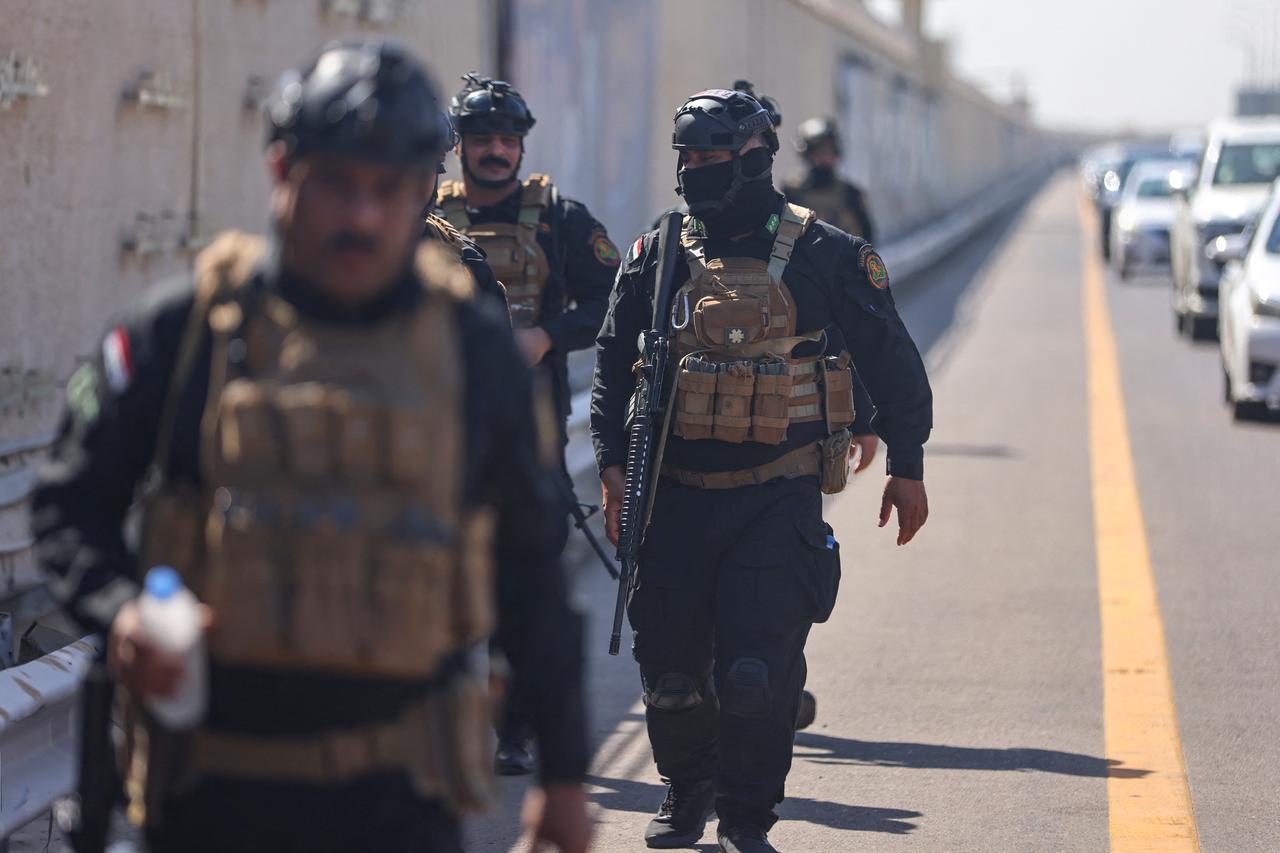
Relations between al-Zaidi and Kataib Hezbollah have worsened since he vowed to bring armed factions’ weapons under state control.
The group, designated a terrorist organization by Washington, has refused to disarm and accused al-Zaidi of corruption without presenting evidence.
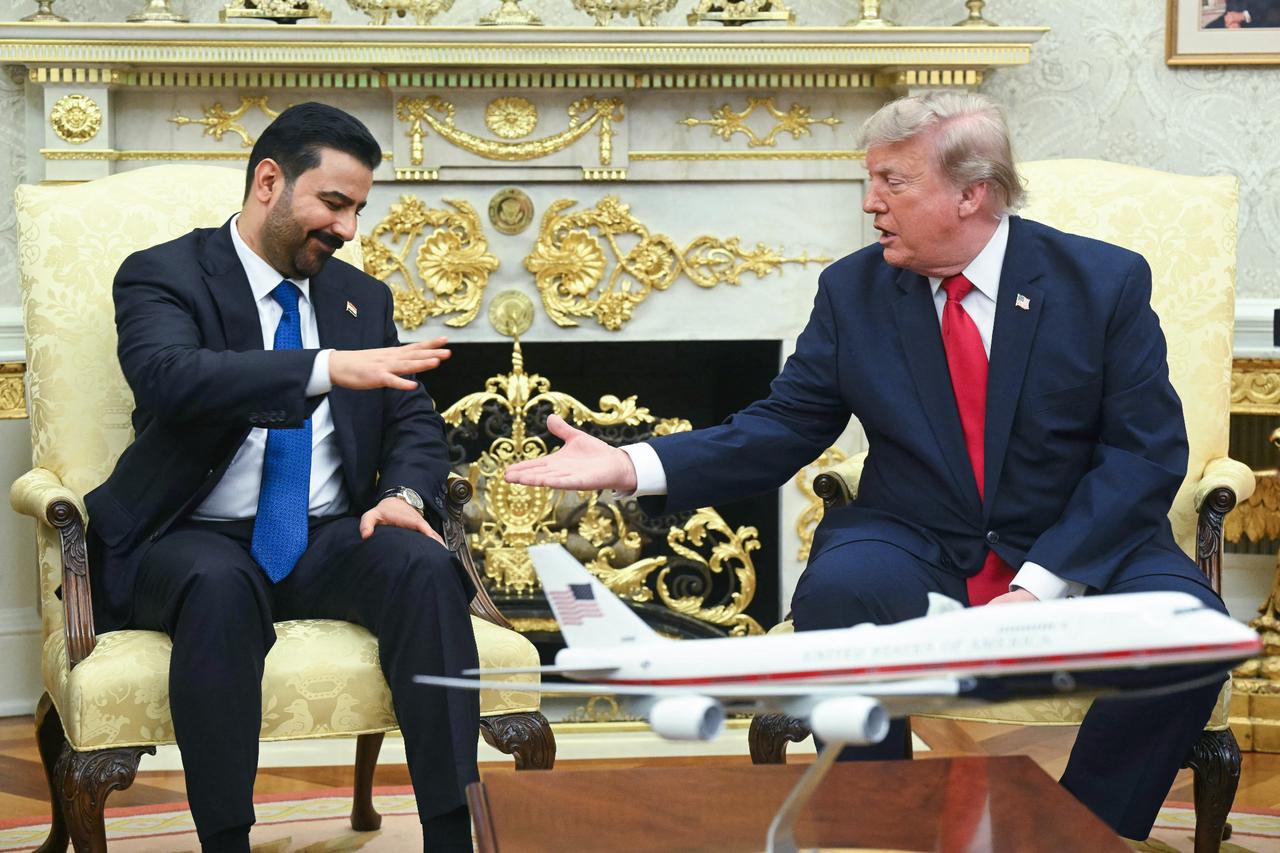
U.S. President Donald Trump warned al-Zaidi in a Nov. 5 call that he would target Iran-aligned factions and their leaders if they joined any new war in support of Iran, Lebanese newspaper An-Nahar reported, citing sources.
Iraqi forces and Popular Mobilization Forces factions retook the area, formerly known as Jurf al-Sakhar, from Daesh in 2014. It remains under tight security restrictions, and many displaced residents have not returned, as Baghdad moves on Jurf al-Nasr.


 Set as preferred source
 Set as preferred source


 1 min read
 1 min read