Newsletters




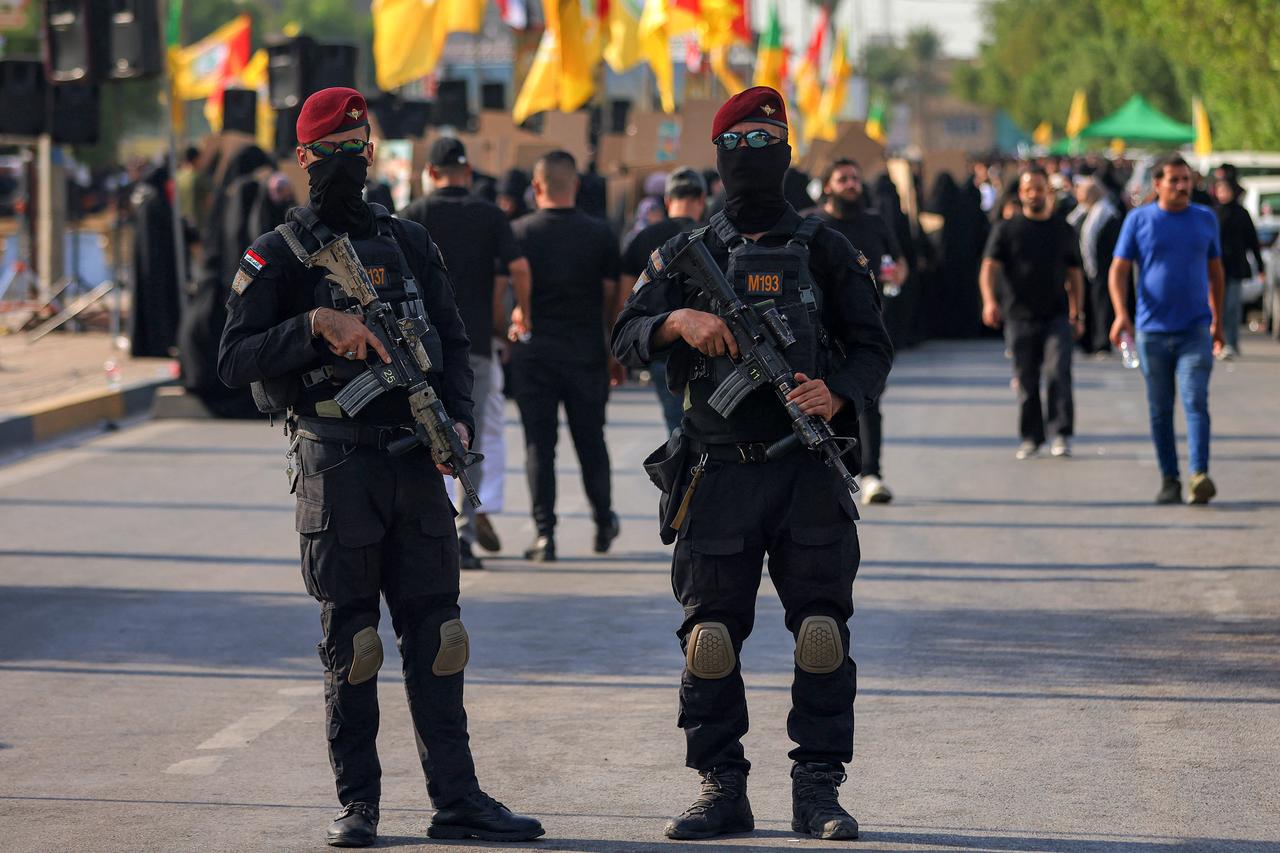
Baghdad has given pro-Iran armed factions operating on Iraqi soil until September 30 to surrender their weapons, the government announced Monday, setting the deadline to coincide with the scheduled withdrawal of the US-led anti-Daesh coalition and ahead of a new prime minister's visit to Washington.
Government spokesman Haidar al-Aboudi confirmed the ultimatum at a weekly press conference, saying all armed groups had been formally notified of the date. "After this date, all weapons outside the state framework will be subject to legal redress," he said.
The announcement reflects mounting American pressure on Baghdad to rein in the factions, whose political and financial influence has grown considerably over the past two decades.
Iraq's Iran-backed armed groups, many of them operating under the umbrella of the Popular Mobilization Forces, emerged largely in the aftermath of the 2003 US-led invasion and expanded their reach during the campaign against the Daesh group beginning in 2014.
Long calling for the removal of American troops from Iraqi soil, these factions have frequently targeted bases hosting US personnel, striking American facilities more than 600 times during the recent Middle East conflict. They also carried out strikes against targets in Gulf countries.
Washington responded with direct military action against the groups and later withheld cash transfers for Iraqi oil revenues, which are held largely at the Federal Reserve Bank of New York under a post-invasion financial arrangement.
In early May, the US pledged to resume both financial transfers and security assistance once Baghdad took "concrete steps" against the factions.
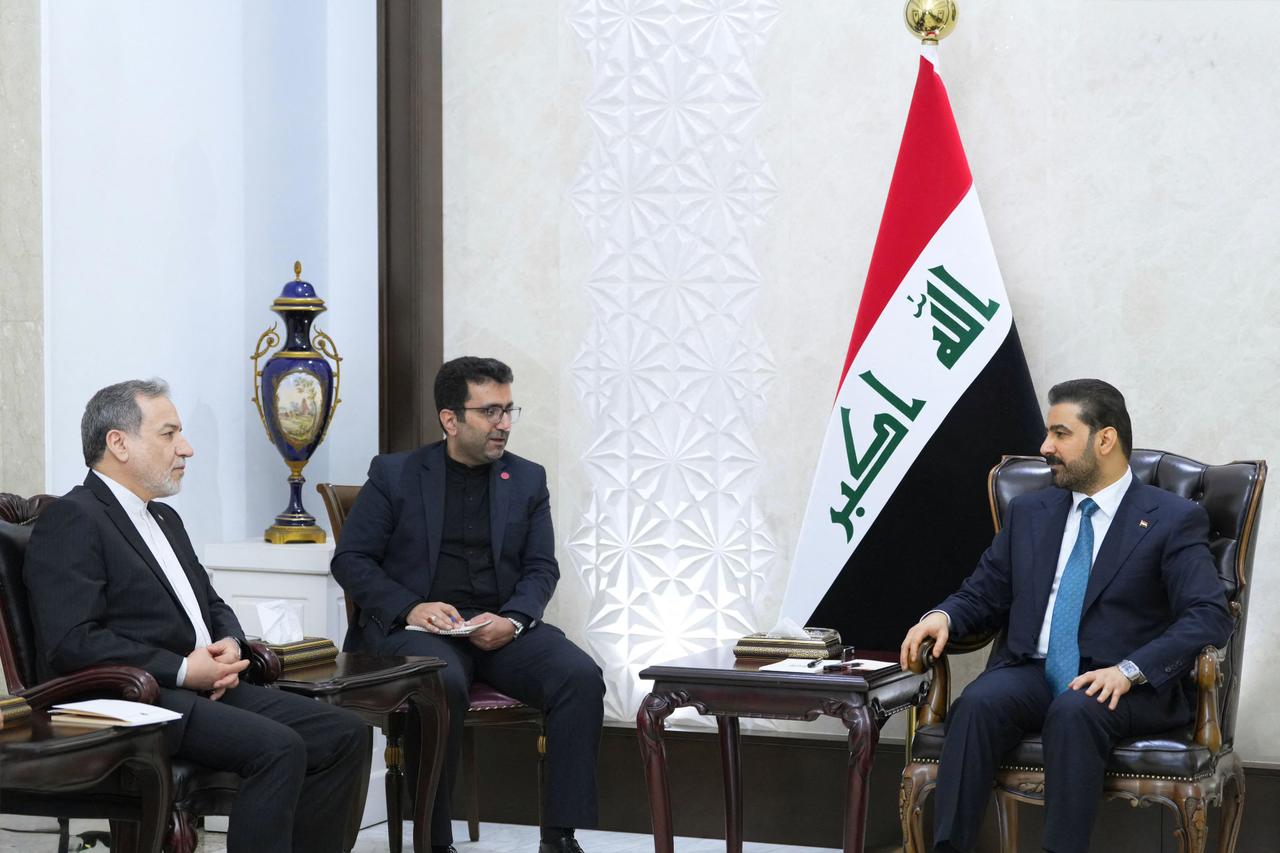
Prime Minister Ali al-Zaidi, who took office with US backing, has framed disarmament as a matter of policy rather than rhetoric. Meeting with European ambassadors on Monday, he said that confining arms to state hands "is not merely a slogan, but a policy already being implemented," according to his media office.
He added that the government remained committed to the course, particularly given the coalition's September 30 withdrawal timetable. Influential Iraqi political figures have echoed the call for a state monopoly on weapons.
The path to full disarmament remains uncertain. While some armed groups have indicated a willingness to cooperate and hand over weapons, others have refused to engage with the process, arguing the matter should not be negotiated under American pressure.
Iraq has for years served as a proxy arena for the competing interests of Iran and the United States, with successive governments in Baghdad attempting to maintain workable ties with both powers, which remain deeply hostile to one another. The September 30 deadline now places that balancing act under its most explicit test in years.


 Set as preferred source
 Set as preferred source


 1 min read
 1 min read