Newsletters


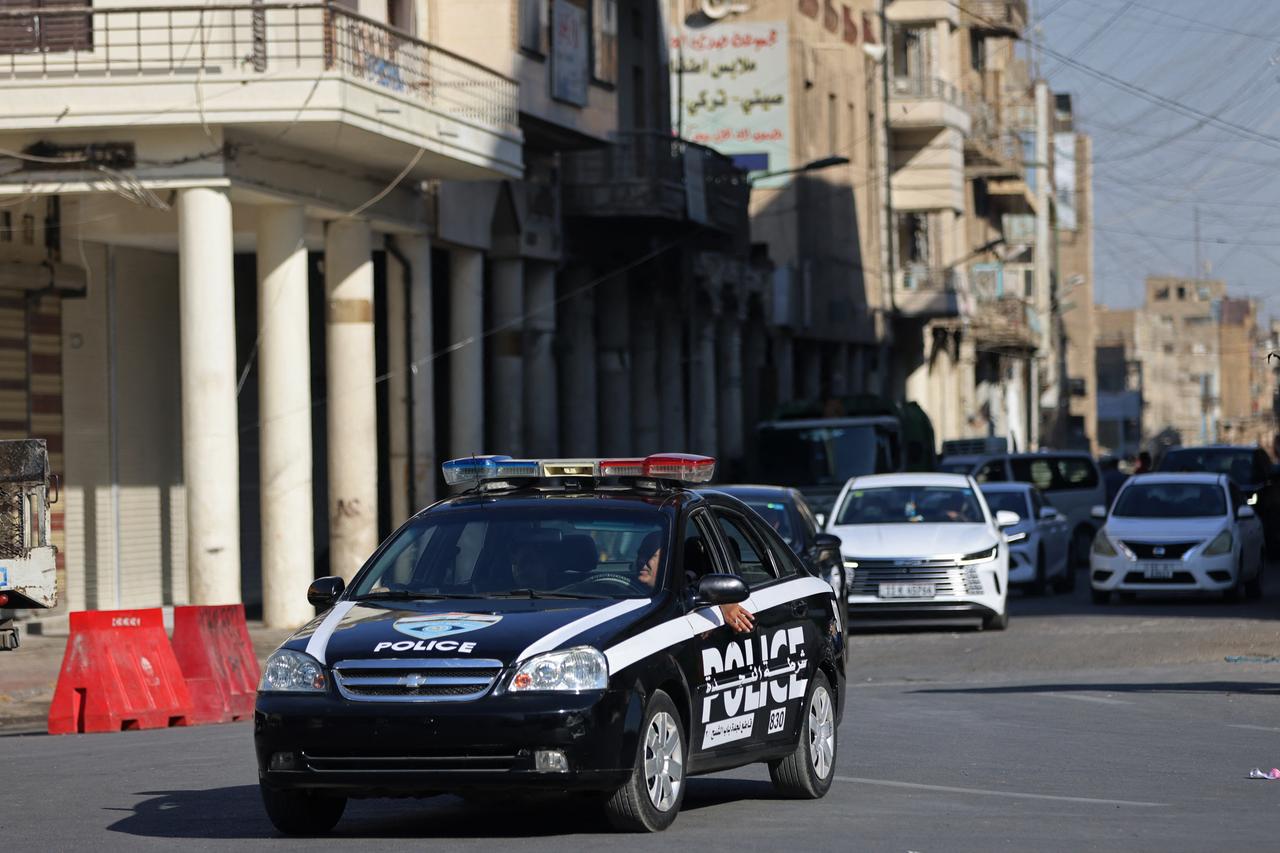


Iraqi Prime Minister Ali al-Zaidi vowed Monday that there would be "no immunity for any corrupt person," saying his government would pursue those accused of stealing public funds after dozens of officials and lawmakers were detained in a widening anti-graft campaign.
His remarks came during a Cabinet session, a day after authorities announced the arrest of 47 suspects, including members of parliament and officials, on corruption charges.
"The government is waging a battle against corruption," Zaidi said, describing the effort as a "first round" that would be followed by further steps and measures, according to the Iraqi News Agency.
"The people's money must return to its owners," he said, stressing that he "will not remain silent over any mistake or hesitate to defend the interests of the people."
"Any corrupt official inside the government will not enjoy any immunity," he added, saying he does not intend to run for re-election.
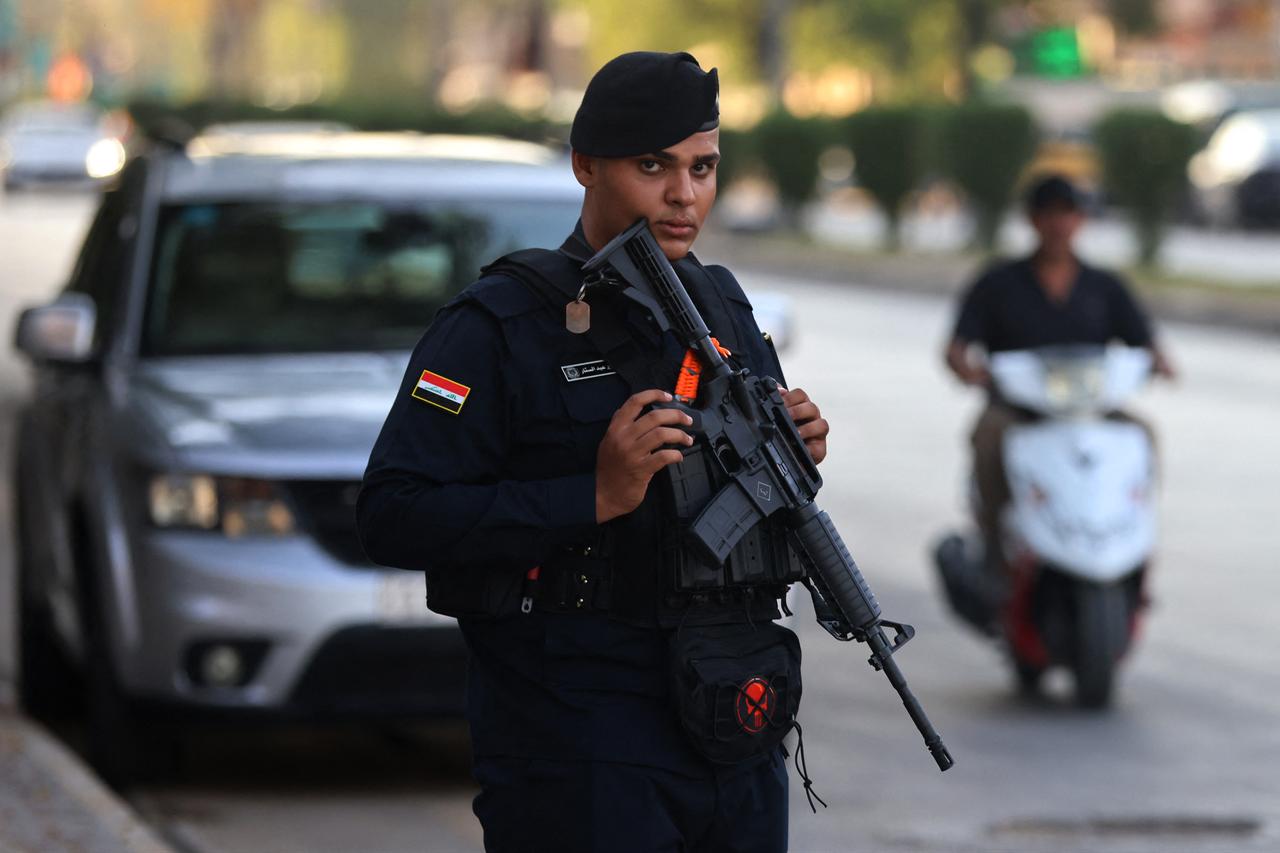

Zaidi said Iraq would begin a new phase in which weapons would be limited to the state, adding that force must be "exclusive to the state only."
The pledge comes amid growing U.S. pressure on Baghdad to dismantle Tehran-backed armed groups, which Washington designates as terrorist organizations.
Zaidi, who recently took office with the blessing of the United States, has made two main promises: fighting corruption and ensuring a state monopoly on weapons.
His anti-graft raids come before an expected visit to Washington next month, where he hopes to attract U.S. investment and is expected to renew his pledge that pro-Iran armed groups hand over their weapons.
Iraqi authorities arrested 47 officials, including members of parliament, on Sunday as part of the anti-corruption campaign, state media reported.
INA quoted senior officials as saying the suspects were arrested on corruption charges and included lawmakers, other officials and at least one person from the Oil Ministry.
The arrests were based on confessions made by detained Oil Ministry Undersecretary Adnan al-Jumaili, who was arrested June 2 over suspicions of financial and administrative corruption and illegal contracts.
Iraq's anti-graft body, the Commission of Integrity, said authorities were implementing judicial arrest warrants against suspects "accused of misappropriating public funds."
The campaign is continuing in Baghdad and other provinces, INA said.
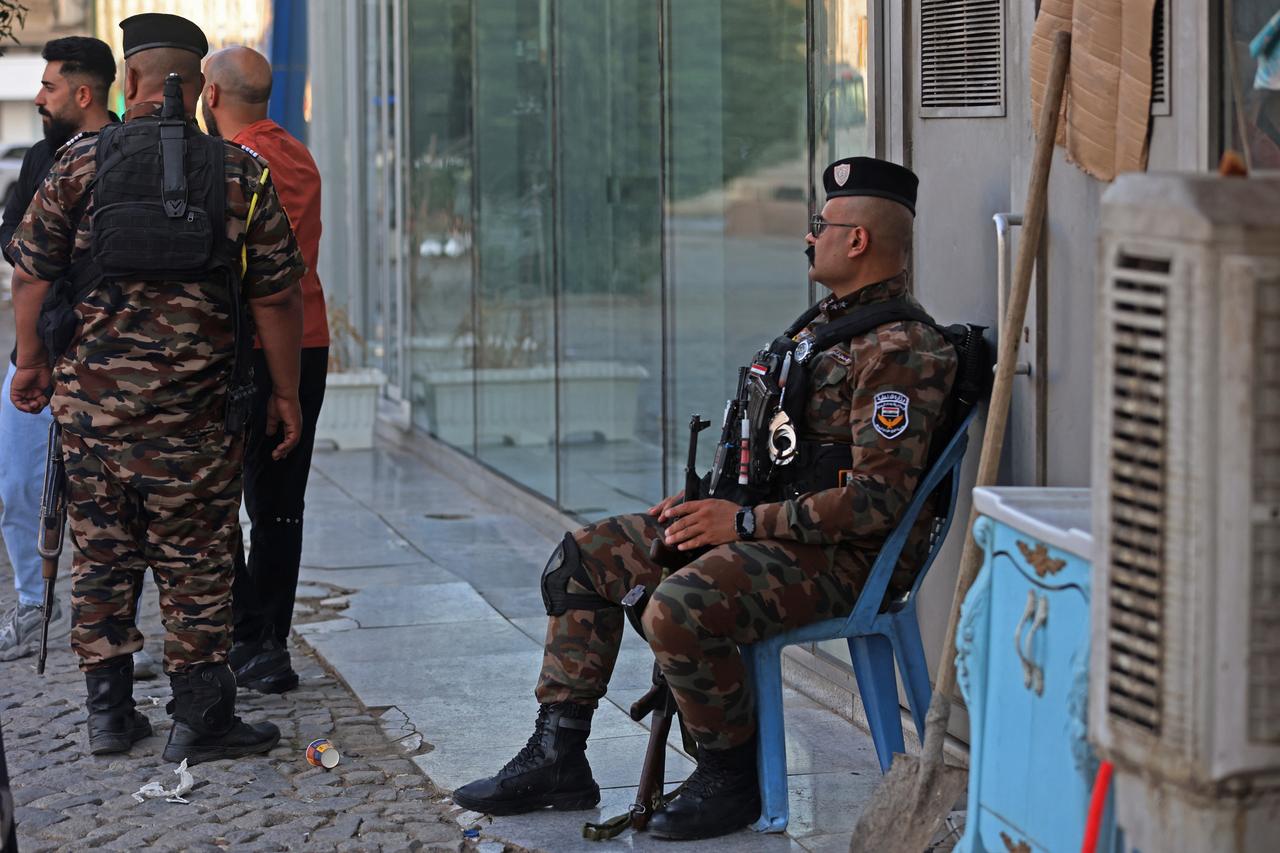
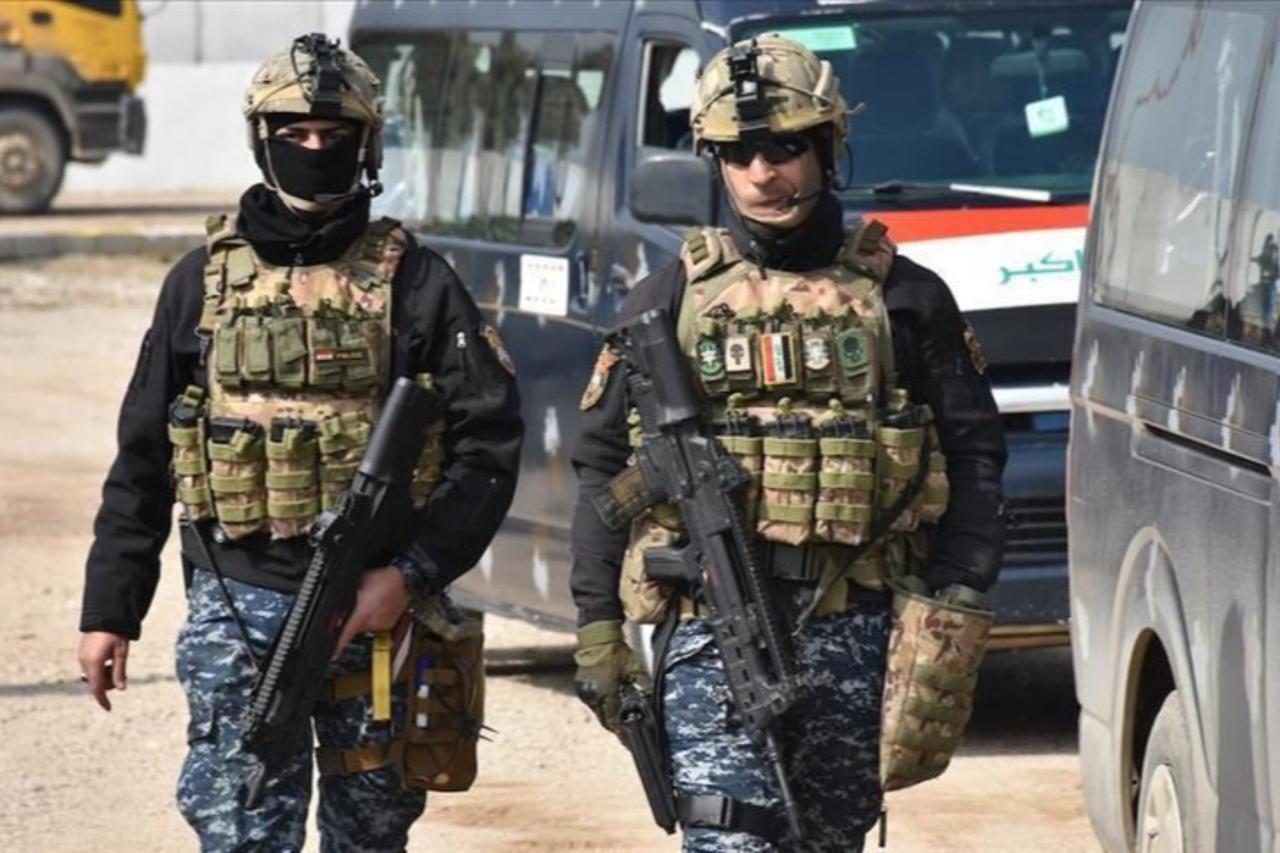
The arrests began early Sunday when Iraqi security forces, primarily counterterrorism units, raided Baghdad's fortified Green Zone and another neighborhood in the capital.
The Green Zone houses the U.S. Embassy and other diplomatic missions, as well as international institutions and government offices. High-ranking officials and politicians also live there.
Video footage shared on local Telegram channels showed security forces in heavy armored vehicles in the Green Zone. One clip showed security forces inside a compound, while another appeared to show them inside a house.
A diplomat in Baghdad told Agence France-Presse (AFP) that Zaidi's anti-corruption operation "is part of the Washington visit preparations" and was designed to show his commitment to his promises.
The Supreme Judicial Council said the total amount of money seized in the Jumaili case had risen to about $23 million.
The council also reported the seizure of about $12.7 million, the discovery of 5 billion dinars hidden inside a farm, and the freezing of 70 properties, 21 modern cars and gold jewelry estimated at about 3 kilograms.
In a move aimed at demonstrating commitment to fighting corruption, authorities earlier said they had seized more than $85 million in the graft case against Jumaili.
A security official told AFP the raids were carried out over corruption but were also part of "a larger campaign" against "funding factions and the smuggling of dollars and Iranian oil," referring to Tehran-backed armed groups.
The official said U.S. pressure was key, adding that "what has happened today is only the simple beginning."
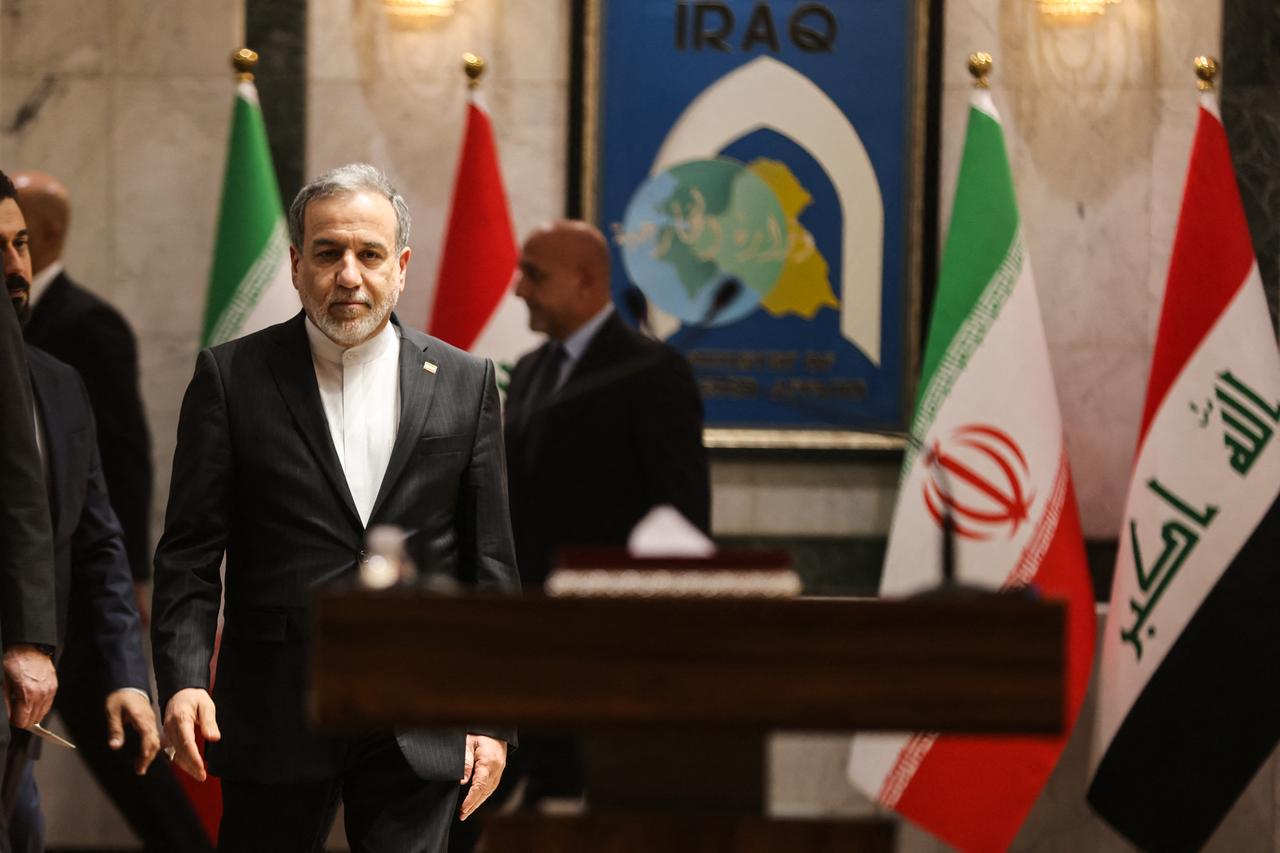
The raids coincided with a visit to Baghdad by Iranian Foreign Minister Abbas Araghchi, who promised to expand Tehran's cooperation with the new Iraqi government in all sectors, "as we did with previous governments."
Iraq has long walked a tightrope between the competing influences of its neighbors and allies, Iran and the United States.
During the recent Middle East war, pro-Iran groups intervened in support of Tehran and hit U.S. facilities in Iraq, including an ambush on U.S. diplomats in Baghdad. They also struck targets in Gulf countries.
Recently, at least two armed groups have said they would cooperate with efforts to hand over weapons to the state.
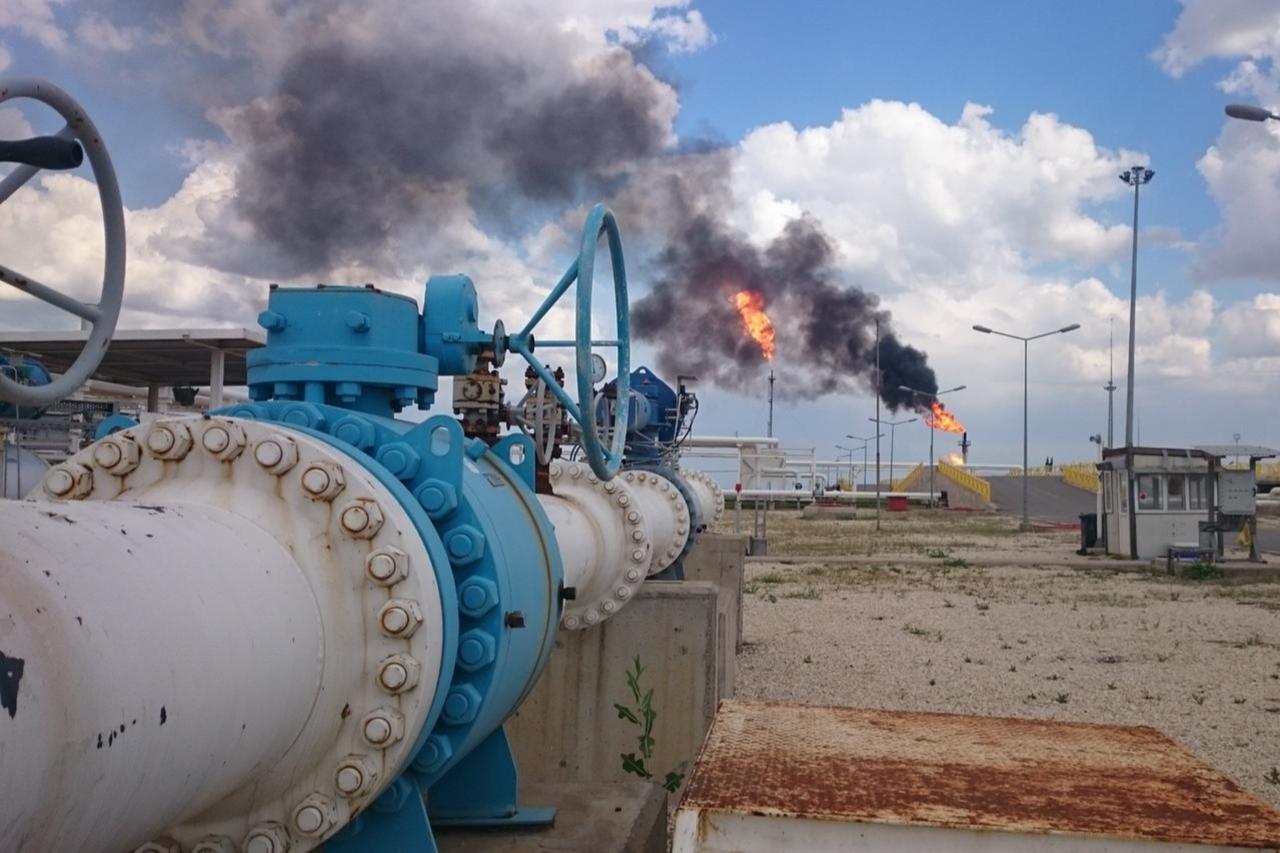
Zaidi hopes to attract more U.S. investment to Iraq, which urgently needs to revive its economy, especially after significant revenue losses caused by the halt in oil exports during the Middle East war.


 Set as preferred source
 Set as preferred source


 1 min read
 1 min read