Newsletters


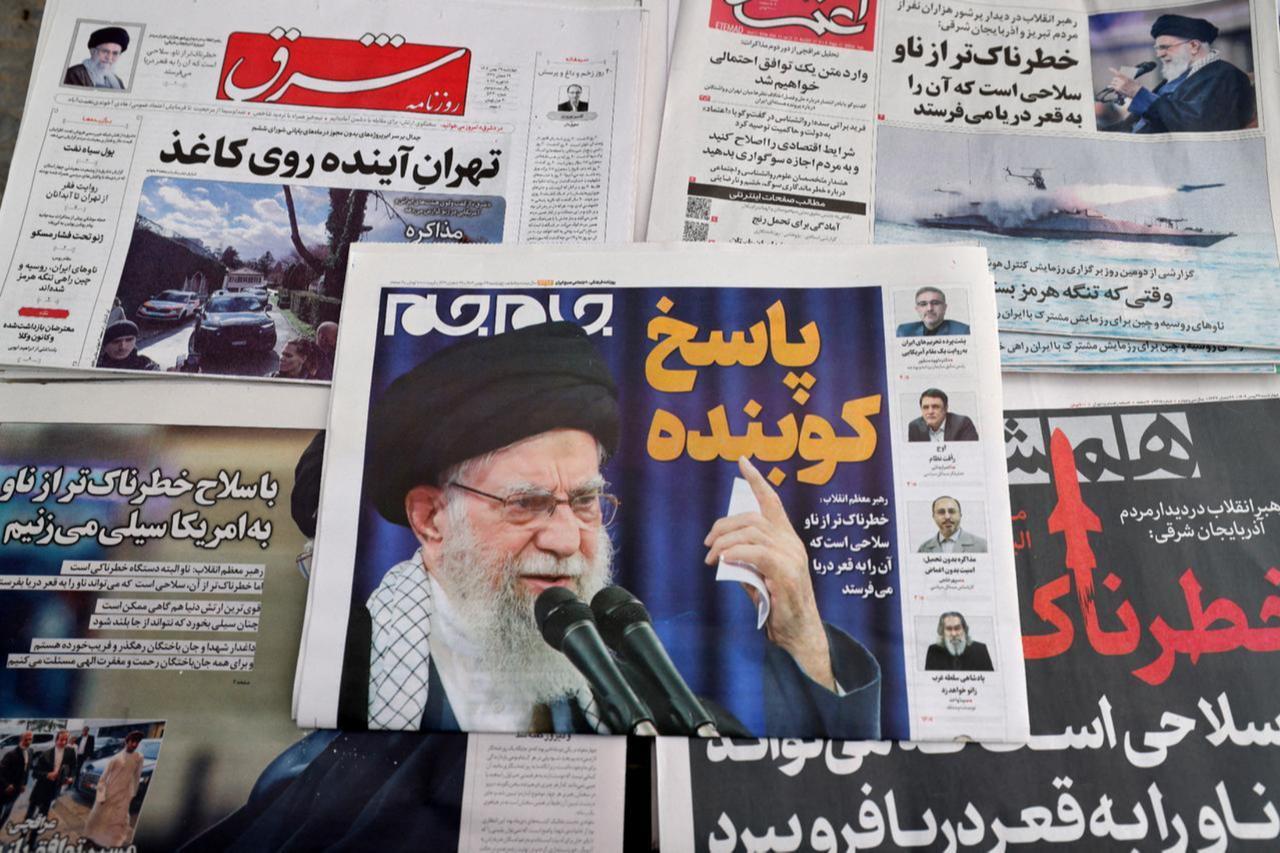


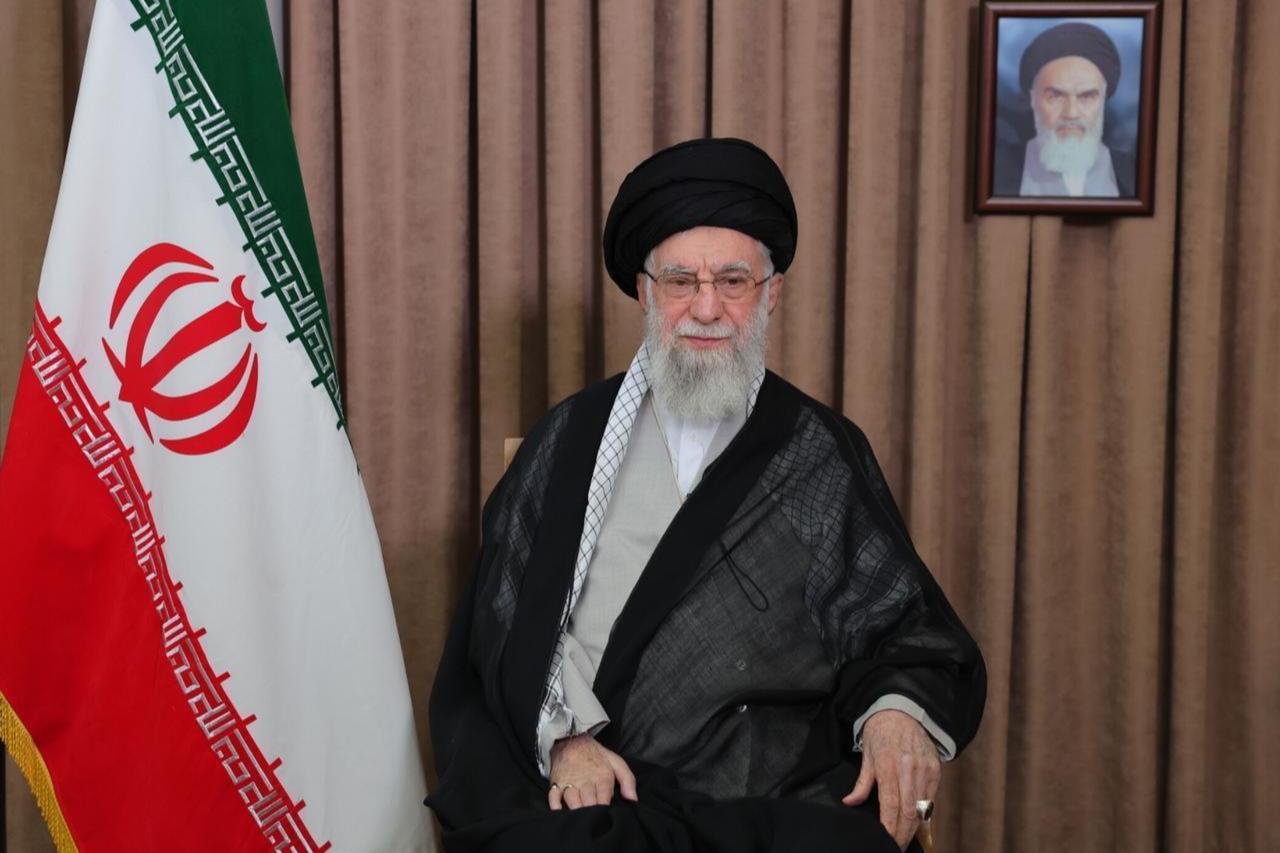
Israeli intelligence has assessed that Iran's Supreme Leader Ali Khamenei was likely killed in the opening wave of joint U.S.-Israeli airstrikes on Saturday, Israel's Channel 12 news reported, citing unnamed Israeli sources who described "growing indications" pointing to his death.
The assessment, relayed to Prime Minister Benjamin Netanyahu and senior cabinet ministers, has led Israeli officials to conclude that the chances of Khamenei surviving the strike on his fortified Tehran compound are "slim to nonexistent," according to correspondent Yaron Avraham.
Israeli officials told the network they would "fall off their chairs" if Khamenei appeared in a live broadcast, suggesting that any televised address would have been pre-recorded.
Iran's Foreign Minister Abbas Araghchi disputed the reports in an interview with NBC News, stating that Khamenei remained alive "as far as I know" and insisting that "all high-ranking officials are alive." He acknowledged, however, that Iran had "lost a few commanders" in the strikes.
Separately, Turkish journalist Levent Kemal reported that multiple sources inside Iran had told him Khamenei "was seriously injured and may now be dead," adding that his current condition remained unknown.
The account from sources within Iran adds to the picture emerging beyond Israeli intelligence channels, suggesting that even on the ground, uncertainty over the supreme leader's fate is pervasive.
The assessment of Khamenei's fate emerged as the United States and Israel launched what Washington dubbed "Operation Epic Fury" and Israel called "Operation Roaring Lion," a sweeping military campaign targeting Iran's political leadership, military command structure, nuclear program, and missile capabilities.
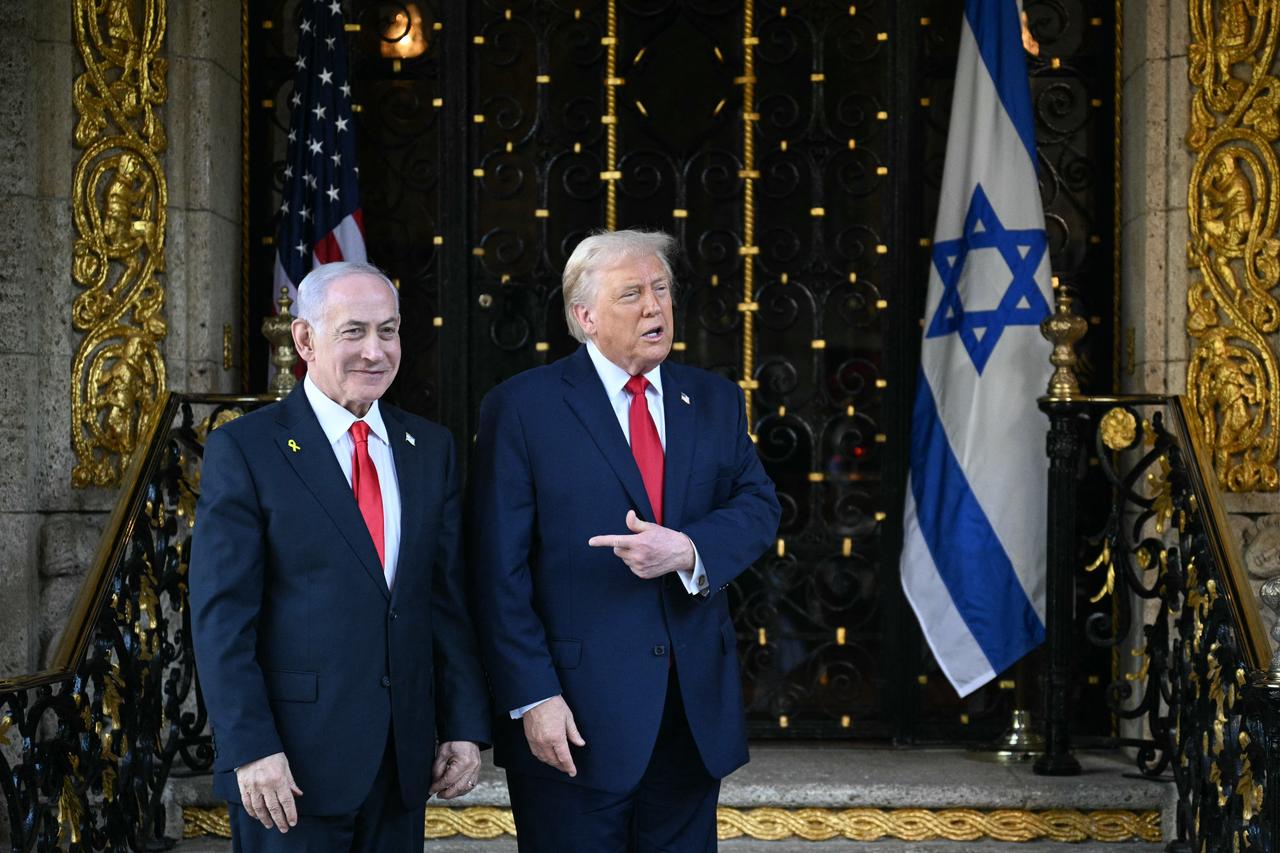
President Donald Trump, in a video statement posted to Truth Social, did not attempt to conceal the operation's ultimate objective: the fall of the Iranian regime. "When we are finished, take over your government. It will be yours to take. This will probably be your only chance for generations," Trump said, addressing the Iranian public directly.
Channel 12 correspondent Yaron Avraham told viewers that Trump's remarks warranted a new framing for the entire operation.
"The objective of the operation is the overthrow of the Iranian regime," Avraham said. "This was not stated delicately but in the most explicit, clearest way possible."
Channel 12 analyst Nir Dvori reported that the strikes were targeting government ministries, the intelligence ministry, the defense ministry, the supreme leader's compound, and the atomic energy agency, with targets hit across multiple Iranian cities, not only Tehran.
The operation, Dvori said, was being led by the Israel Defense Forces chief of staff in coordination with the air force commander, military intelligence chief, and operations directorate, all synchronized with American counterparts.
"The big difference now is that the United States is all in," Dvori said. "This is not just Israel."
 1 min read
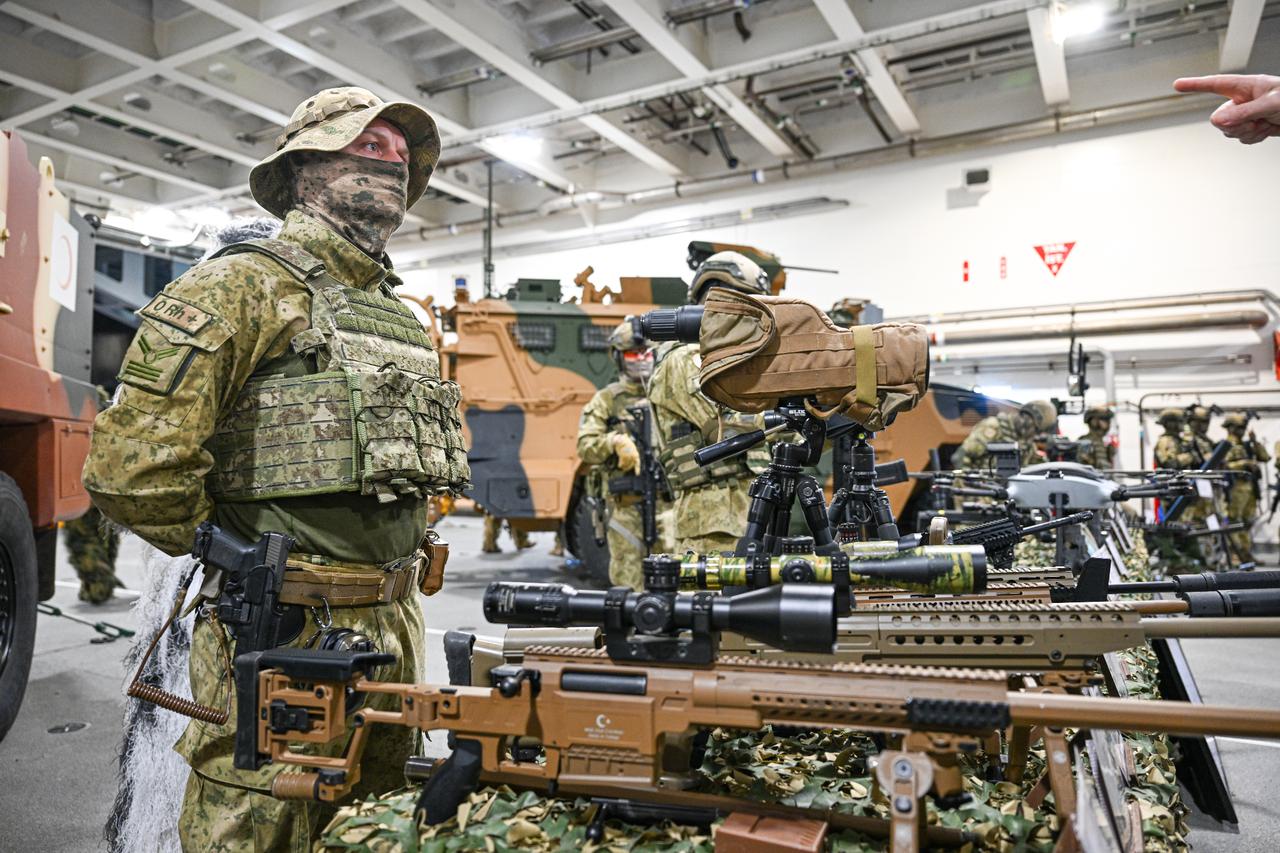
Israeli military analysts on Channel 12 assessed that the opening strikes had significantly degraded Iran's ability to mount a coordinated response.
Retired Major General Eitan Ben Eliyahu noted that the volume of missiles fired toward Israel remained relatively small compared to previous confrontations, attributing this to three factors: a disrupted Iranian command-and-control system, the need to spread fire across multiple targets throughout the Middle East, and Tehran's apparent calculation that it may need to conserve ammunition for a prolonged campaign.
Dvori added that Iran's pre-planned firing sequences appeared to have been compromised. "The fire plan, as it was hit, indicates that someone knew it well," he said, noting that Iranian launches were coming out sporadically rather than in organized volleys.
"They are only doing what they can. Whatever is possible from their perspective is coming out."
Iran retaliated by launching missiles at Israel and at U.S. military installations across the region, targeting bases in Kuwait, Qatar, the United Arab Emirates, Bahrain and the Kurdistan region of Iraq, as well as the headquarters of the US Fifth Fleet in Bahrain.
Iran's state-run Fars news agency reported that authorities had begun halting oil tanker traffic through the Strait of Hormuz, a significant escalation that could disrupt global energy supplies.


 Set as preferred source
 Set as preferred source


 1 min read