Newsletters


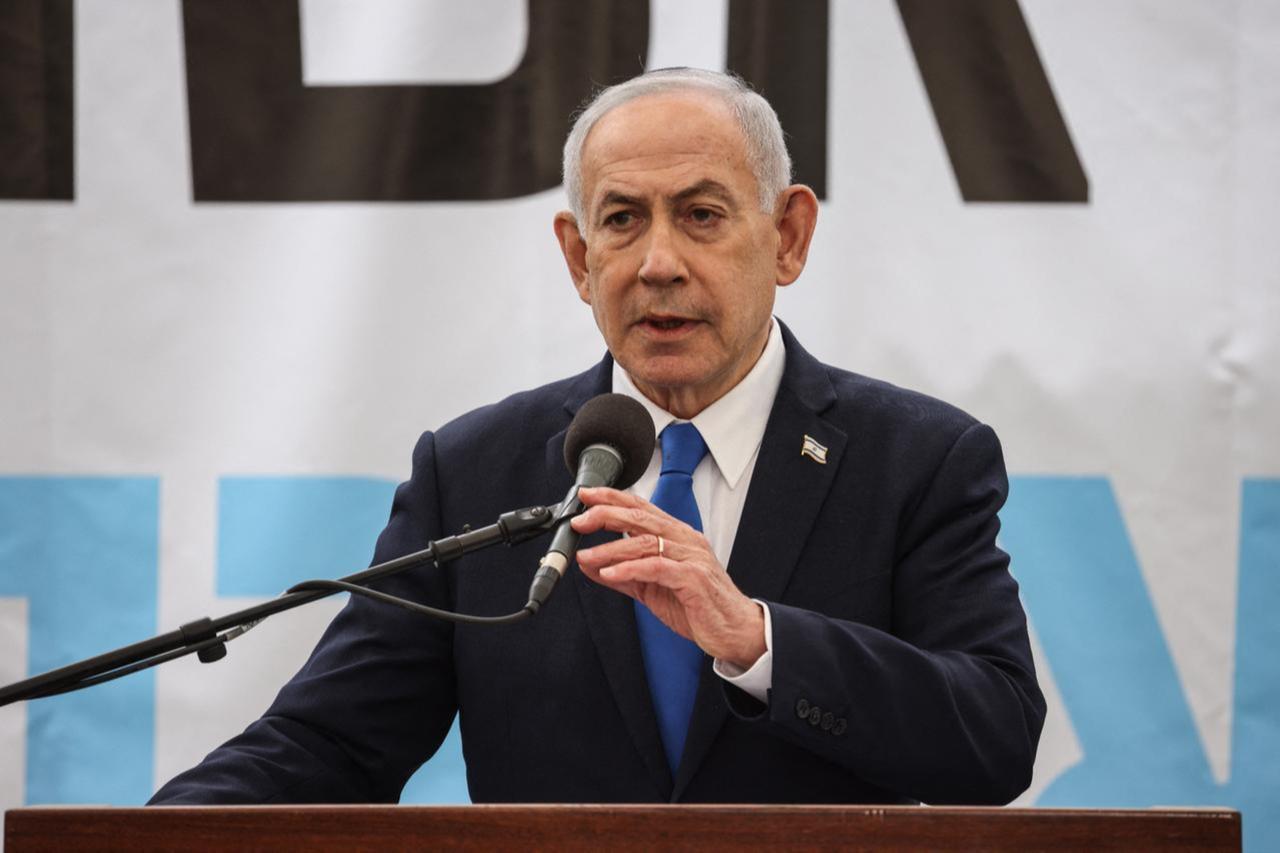


Israel’s security cabinet approved measures aimed at tightening control over the occupied West Bank and further weakening the limited powers of the Palestinian Authority, drawing condemnation from Palestinian President Mahmoud Abbas and Jordan.
Abbas described the move as “dangerous” and “a clear attempt to legalize the expansion of settlements and the seizure of land,” and called on the United States and the U.N. Security Council to intervene.
In a statement, far-right Finance Minister Bezalel Smotrich’s office said the new regulations would make it easier for Jewish settlers to force Palestinians off their land, adding: “We will continue to bury the idea of a Palestinian state.”
The measures were announced Sunday, just days before Israeli Prime Minister Benjamin Netanyahu is expected to meet U.S. President Donald Trump in Washington to discuss Iran and other issues.
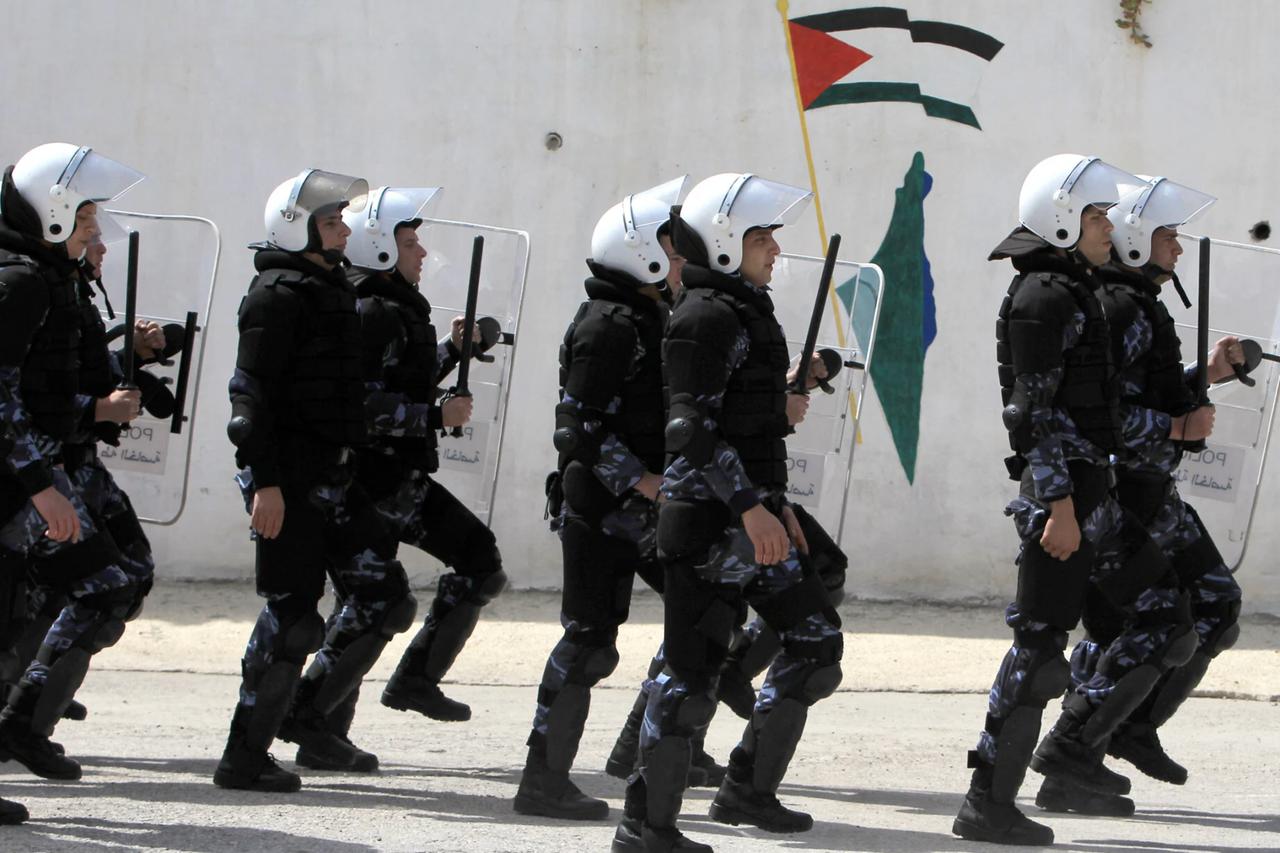

The steps include lifting a ban on the sale of West Bank land to Israeli Jews. They also call for removing the confidentiality of land registry records to make land acquisition easier.
The decisions also foresee transferring planning authority in sensitive religious areas of Hebron to Israeli authorities, and allowing Israel to exercise oversight powers in environmental and archaeology matters in areas under Palestinian Authority control.
The cabinet also plans to re-establish a committee that would enable the Israeli state to purchase land in the West Bank “proactively,” a move described as aimed at ensuring settlement expansion for future generations.
Peace Now researcher Yonatan Mizrachi called the decision “very significant,” saying it would still require approval from the top Israeli military official in the West Bank to be implemented.
Jordan’s Foreign Ministry condemned the measures as an attempt to impose “illegal Israeli sovereignty” and entrench settlements. Hamas called on Palestinians in the West Bank to “increase resistance” against the occupation and settlers.
Peace Now said the decision aims to remove all obstacles to large-scale land seizures in the West Bank, and that Israeli authorities could also decide to demolish structures in Palestinian-controlled areas on the grounds that they harm the environment or cultural heritage.

The West Bank is divided between Israeli-controlled settlement areas and zones where the Palestinian Authority has limited autonomy, covering about 40% of the territory.
Palestinians are banned from selling private property to Israelis, while settlers can buy homes on land controlled by the Israeli state.
Mizrachi said the system is broadly discriminatory against Palestinians, noting they cannot vote in Israeli elections and face military operations and travel restrictions.
More than 700,000 Israeli settlers live today in the West Bank and East Jerusalem, areas captured by Israel in 1967. Much of the international community views settlements there as illegal under international law and as an obstacle to peace.
Smotrich, a leading figure in the settlement movement, holds authority at the cabinet level to shape settlement policy and has pledged to double the settler population in the West Bank.
Israel’s government approved 19 new Jewish settlements in the West Bank in December, and in January completed the final tender stage for a controversial settlement project near Jerusalem that could effectively split the West Bank in two.


 Set as preferred source
 Set as preferred source


 1 min read



 1 min read