Newsletters


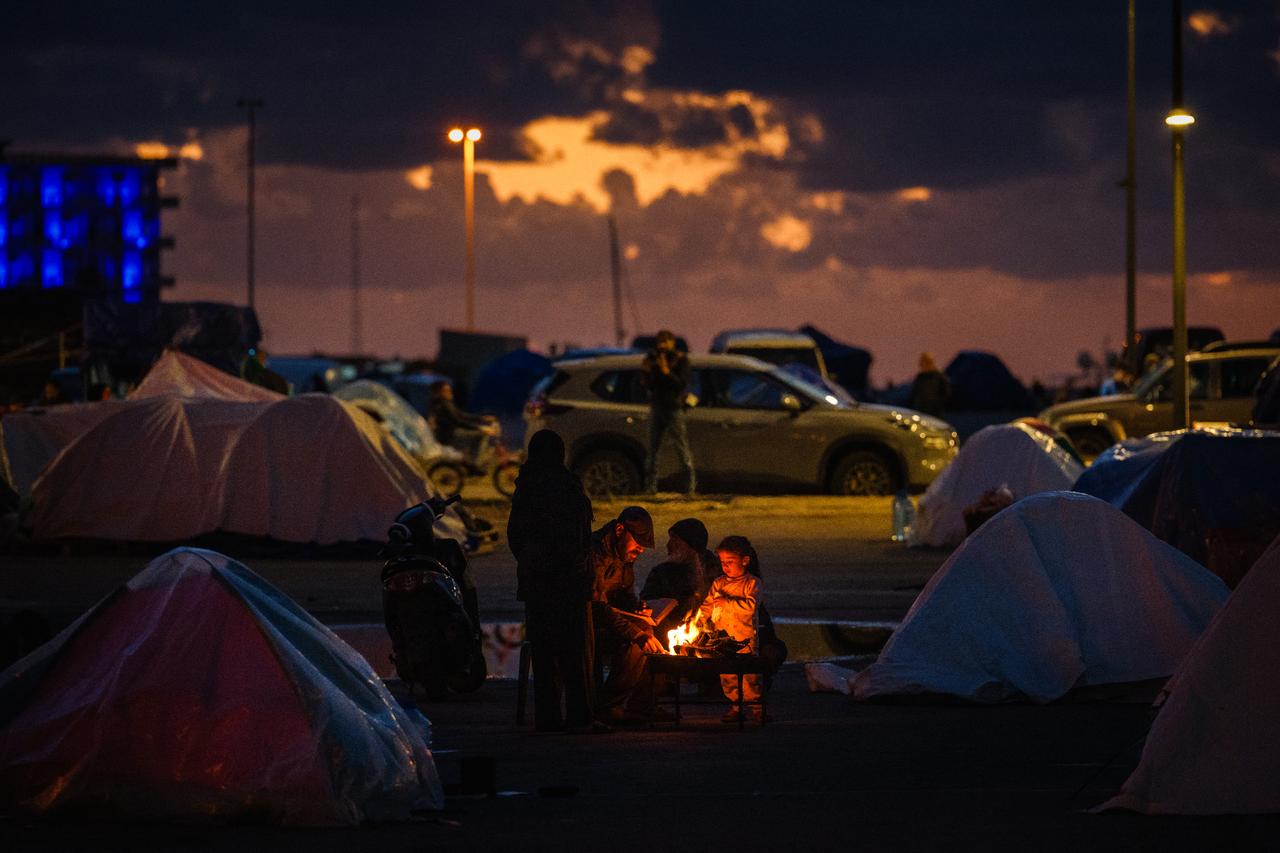


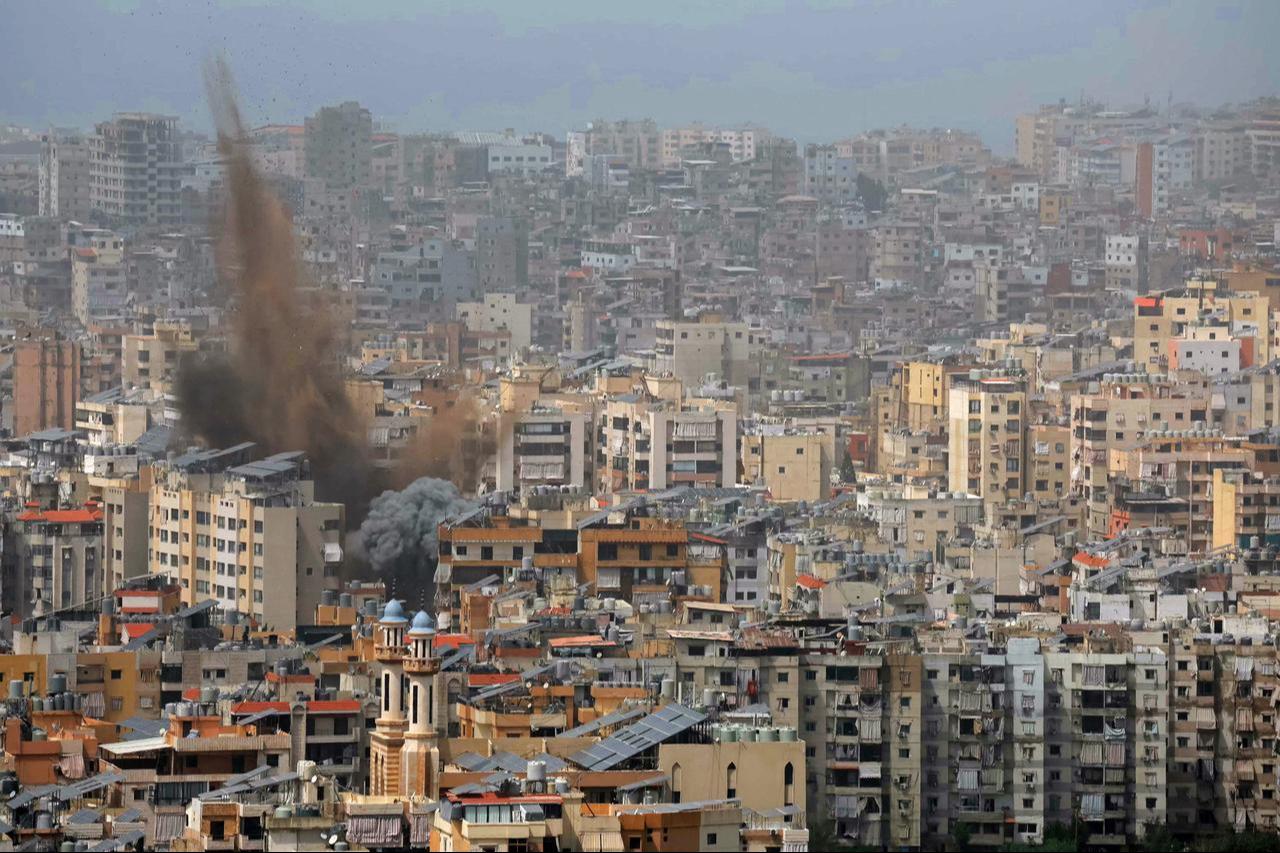
Israel voiced support Wednesday for U.S. President Donald Trump's decision to suspend military strikes against Iran for two weeks, but Netanyahu's office made clear the ceasefire carries a significant caveat: it does not include Lebanon, where Israeli operations against Iranian-backed Hezbollah will continue.
"Israel supports President Trump's decision to suspend strikes against Iran for two weeks subject to Iran immediately opening the straits and stopping all attacks on the US, Israel and countries in the region," Netanyahu's office said in a statement on X.
The office added that Israel also supports "the US effort to ensure that Iran no longer poses a nuclear, missile and terror threat to America, Israel, Iran's Arab neighbors and the world."
The statement said the U.S. had told Israel it was committed to achieving their shared goals in upcoming negotiations.
"The United States has told Israel that it is committed to achieving these goals, shared by the US, Israel and Israel's regional allies, in the upcoming negotiations," it said.
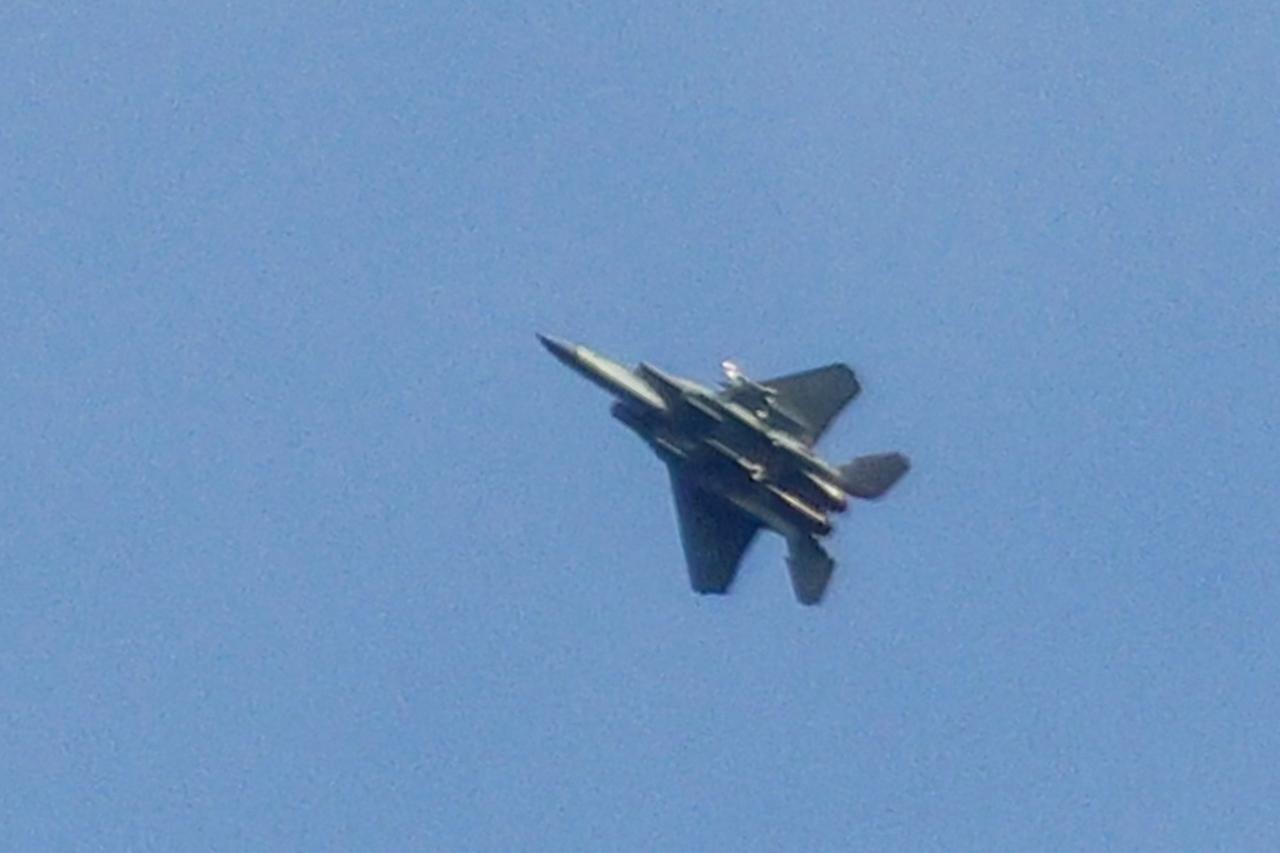

Netanyahu's office was unambiguous on the Lebanon question.
"The two-week ceasefire does not include Lebanon," the statement said.
The declaration directly contradicts Sharif, who announced on X that Washington and Tehran, along with their allies, had agreed to an immediate ceasefire across all conflict zones, including Lebanon.
Sharif also said he had invited Iranian and U.S. delegations to Islamabad on Friday for negotiations.

Israeli attacks on Lebanon since the start of the war have killed more than 1,530 people, including 126 children, and displaced more than one million, according to Lebanese authorities.
The renewed Israeli war on Lebanon was launched after Hezbollah, the Iranian-backed Lebanese militant group, fired rockets into northern Israel in response to the killing of former Supreme Leader Ali Khamenei in joint U.S.-Israeli airstrikes on Feb. 28.
Hezbollah has periodically launched attacks against Israel, including retaliatory strikes following the Feb. 28 offensive that triggered the current war.
Iran confirmed Wednesday that negotiations with the U.S. would begin Friday, April 10, in Islamabad.
Trump announced Tuesday he had agreed "to suspend the bombing and attack of Iran for a period of two weeks," contingent on Iran's complete, immediate and safe opening of the Strait of Hormuz.
Iranian Foreign Minister Abbas Araghchi confirmed safe passage for ships through the Strait of Hormuz for two weeks.
Iran's Supreme National Security Council claimed the ceasefire as a victory, saying the "enemy has suffered an undeniable, historic and crushing defeat."


 Set as preferred source
 Set as preferred source


 2 min read