Newsletters


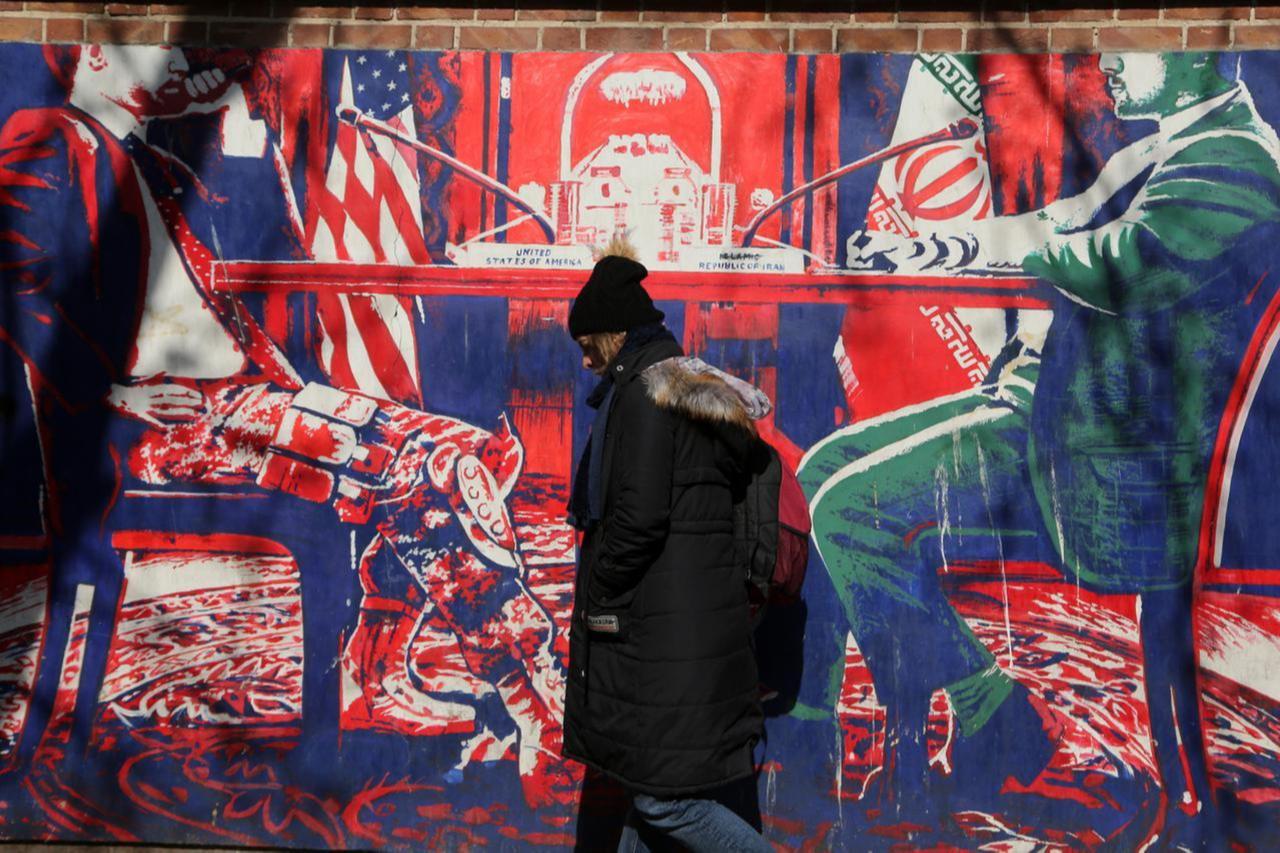


The first round of negotiations between the United States and Iran on an agreement to end the war is scheduled to take place in Islamabad on Friday, according to two sources familiar with the matter, Axios reported. Iran's Supreme National Security Council confirmed the talks will proceed but said its delegation will enter the room with "complete distrust" toward the American side.
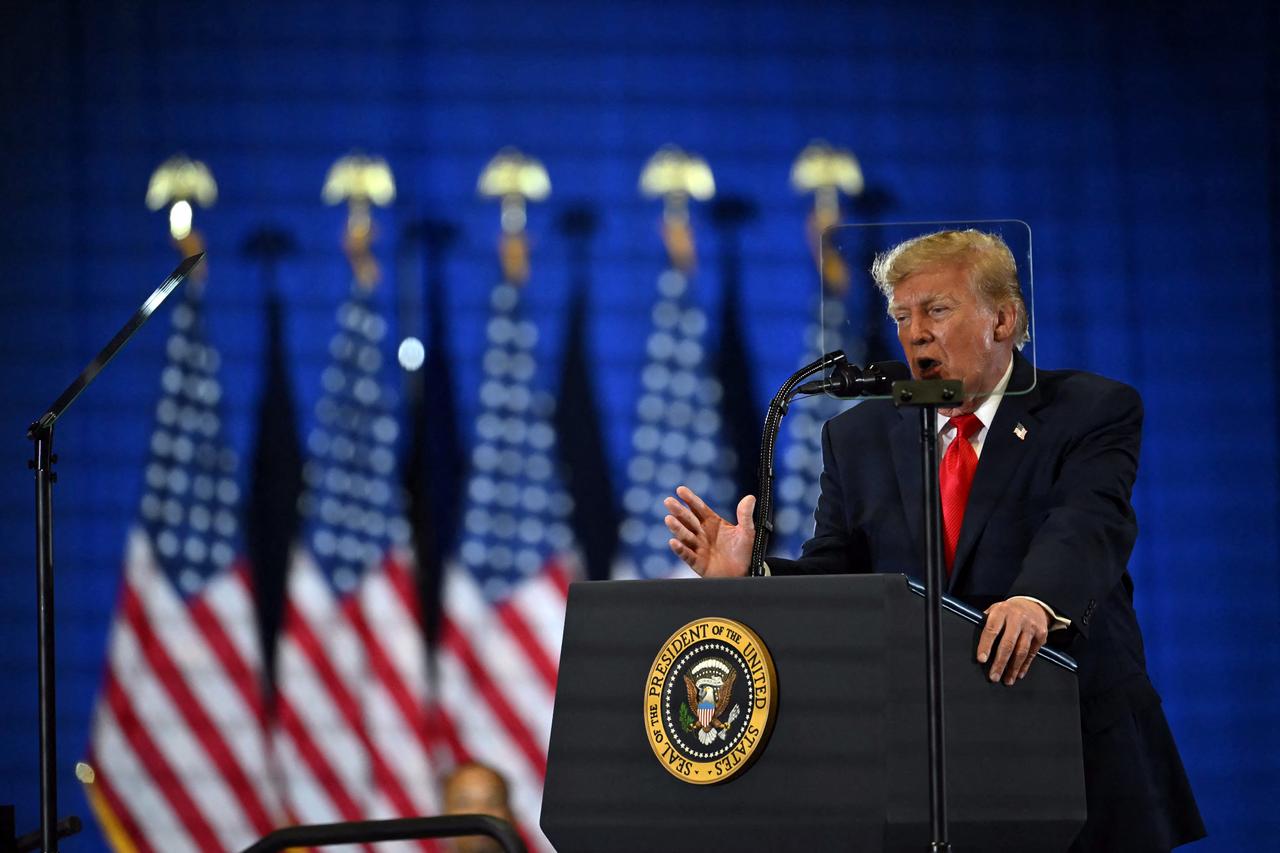
The announcement marks the first formal negotiating session since President Trump declared a two-week suspension of U.S. bombing of Iran early Wednesday, citing a personal request from Pakistani Prime Minister Shehbaz Sharif and Field Marshal Asim Munir. Trump described the arrangement as "a double sided CEASEFIRE" on Truth Social and said Washington had received a 10-point proposal from Tehran that it considered "a workable basis on which to negotiate."
Pakistan has served as the sole direct communication channel between Washington and Tehran throughout the conflict. Field Marshal Munir remained in contact through the night with U.S. Vice President JD Vance, special envoy Steve Witkoff, and Iranian Foreign Minister Abbas Araghchi in the hours before the ceasefire was announced, according to Reuters. The framework being discussed, tentatively called the "Islamabad Accord," would use the two-week window to work toward a broader settlement, with in-person talks hosted in the Pakistani capital.
Witkoff and Araghchi also exchanged direct text messages during the negotiations, according to four sources with knowledge of the diplomatic effort cited by Axios. Vance, Witkoff and Jared Kushner have all been involved on the U.S. side.
Despite agreeing to sit down, Iran's Supreme National Security Council made clear its posture going into Friday's session. The council said negotiations would begin in Islamabad on April 10 with "complete distrust" toward the American side. Iranian officials have previously rejected a 15-point U.S. proposal relayed through Pakistan, calling its terms "extremely ambitious, unusual, and illogical." Tehran has consistently demanded a permanent end to hostilities, not a temporary pause, along with guarantees against future U.S. and Israeli attacks, the lifting of sanctions, and reconstruction payments.
Iran's 10-point counterproposal, which Trump acknowledged publicly on Monday as "a very significant step," includes a protocol for safe passage through the Strait of Hormuz, an end to hostilities across the region including in Lebanon and Iraq, sanctions relief, and reconstruction. Trump said at the time it was "not good enough," but agreed after the ceasefire was declared that it formed a workable starting point.
 1 min read
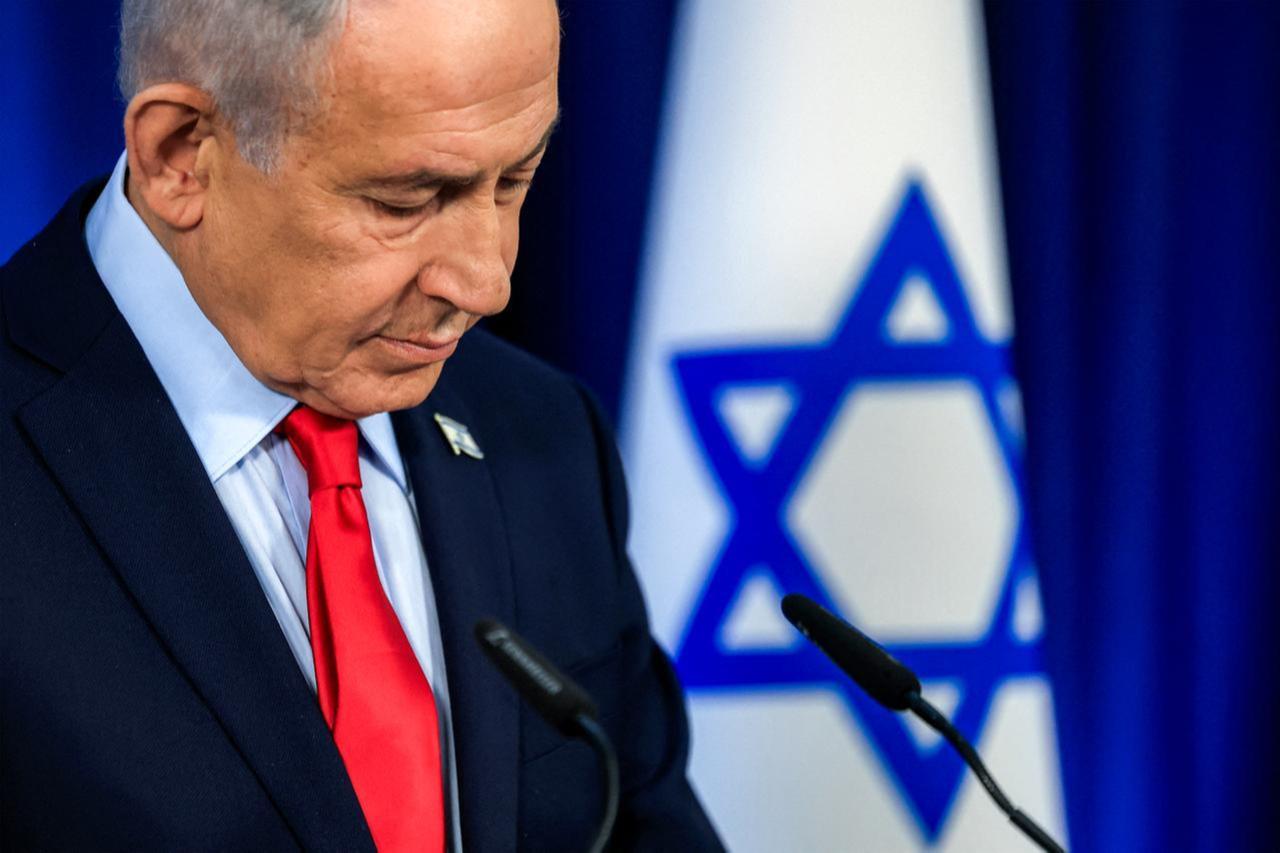
The ceasefire is contingent on Iran agreeing to what Trump called the "COMPLETE, IMMEDIATE, and SAFE OPENING" of the Strait of Hormuz, through which roughly a fifth of the world's oil and gas supply passes. The waterway has been under an effective Iranian blockade since the war began on February 28. Iran had previously told mediators it would not reopen the strait under a temporary ceasefire without firmer guarantees, citing what it described as the precedent set in Gaza and Lebanon, where ceasefires did not prevent further attacks.
A senior White House official confirmed to CNN that Israel is also part of the two-week suspension, with Israeli forces agreeing to halt their bombing campaign while negotiations continue.


 Set as preferred source
 Set as preferred source


 1 min read