Newsletters


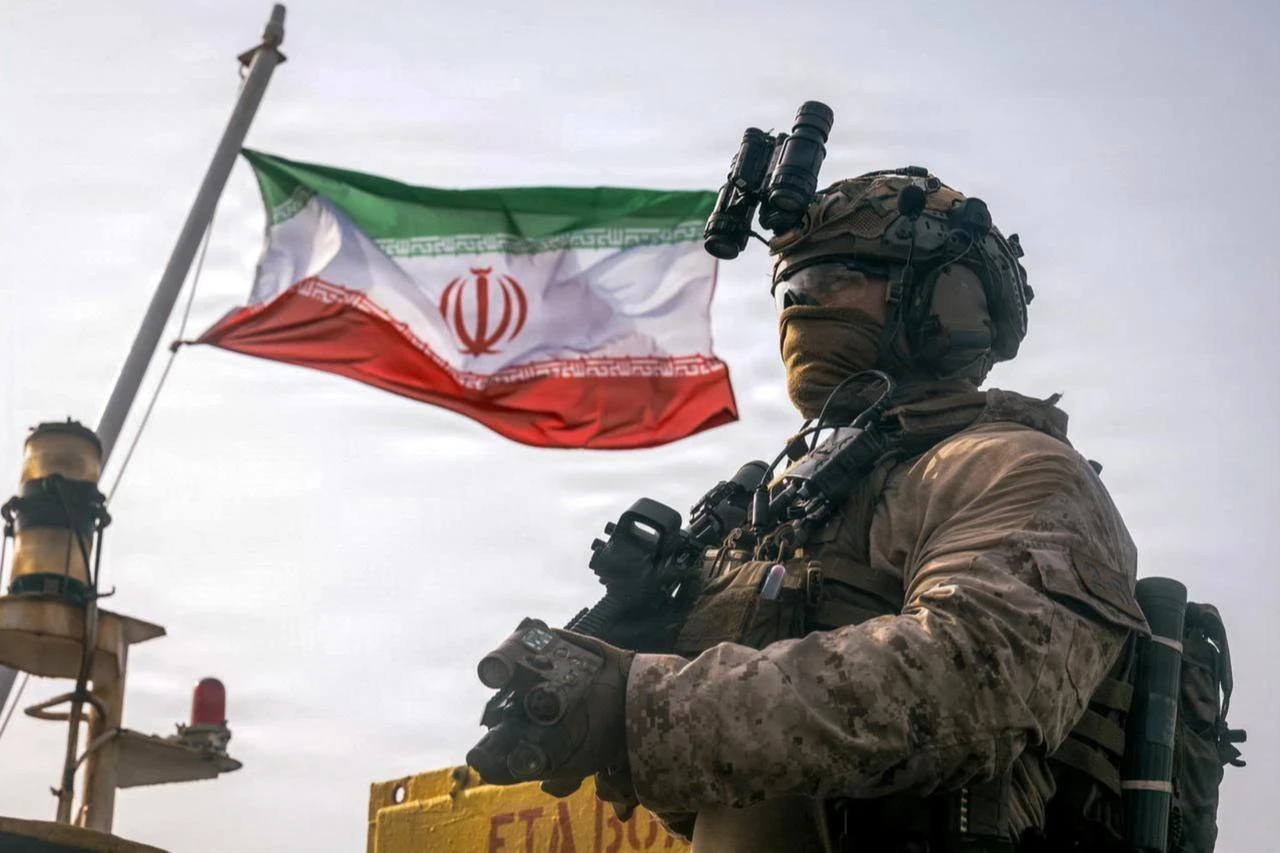


Jerusalem had braced for a large-scale American military strike against Iran to be launched overnight Friday into Saturday, but as the hours passed it became clear that President Donald Trump had pulled back, giving Tehran another opening, even if Israeli officials believe that window will not last long.
"Trump genuinely does not want to attack," an Israeli official said. "He is getting closer to doing it, but not by choice, only because he has no alternative."
Israeli assessments have not shifted: officials in Jerusalem regard Iran's chance of agreeing to a comprehensive settlement on its nuclear program as negligible.
In their view, any understanding between Washington and Tehran has effectively collapsed, and even if Trump continues to grant Iran additional time, the most likely outcome is another round of bought time rather than a binding agreement.
Qatar and Oman have both applied significant behind-the-scenes pressure on Tehran to show flexibility and avert what Israeli officials had considered a near-certain American strike.
Despite those efforts, Israel's overall assessment of the situation remains unchanged, and the country's state of alert has been maintained.
The diplomatic backdrop also extends to Jerusalem's domestic calendar.
Israeli Prime Minister Benjamin Netanyahu is scheduled to travel to Washington next week, partly tied to memorial events for U.S. Senator Lindsey Graham. Opposition leader Yair Lapid is also due to depart for the United States, where he too is expected to attend the ceremony.
Speaking in the early hours of Saturday at the White House Correspondents' Dinner in Washington, Trump stressed the negotiating track with Iran while leaving the door open to military action.
"They are talking to us right now, they want to make a deal," he said, adding that he did not believe Iran was yet ready. "But they cannot have nuclear weapons. We do not want to see Washington, D.C., or any of our cities, or Israel, and frankly the Middle East, destroyed with nuclear weapons."
Earlier, Trump had convened a meeting with senior advisers and cabinet members to discuss whether to escalate strikes, according to a New York Times report.
Speaking afterward from the Oval Office, he said he had not yet made a decision, noting that Iranian interlocutors were becoming "more serious every day, for obvious reasons," and that he always preferred the diplomatic alternative.
The Wall Street Journal, citing a senior American official, reported that Trump is nonetheless skeptical of diplomacy at this stage and is in what the official described as a "retribution mindset."
According to a person familiar with the details, Trump lashed out at Iranian leadership during a recent White House meeting, calling them "scum" and "crazy."
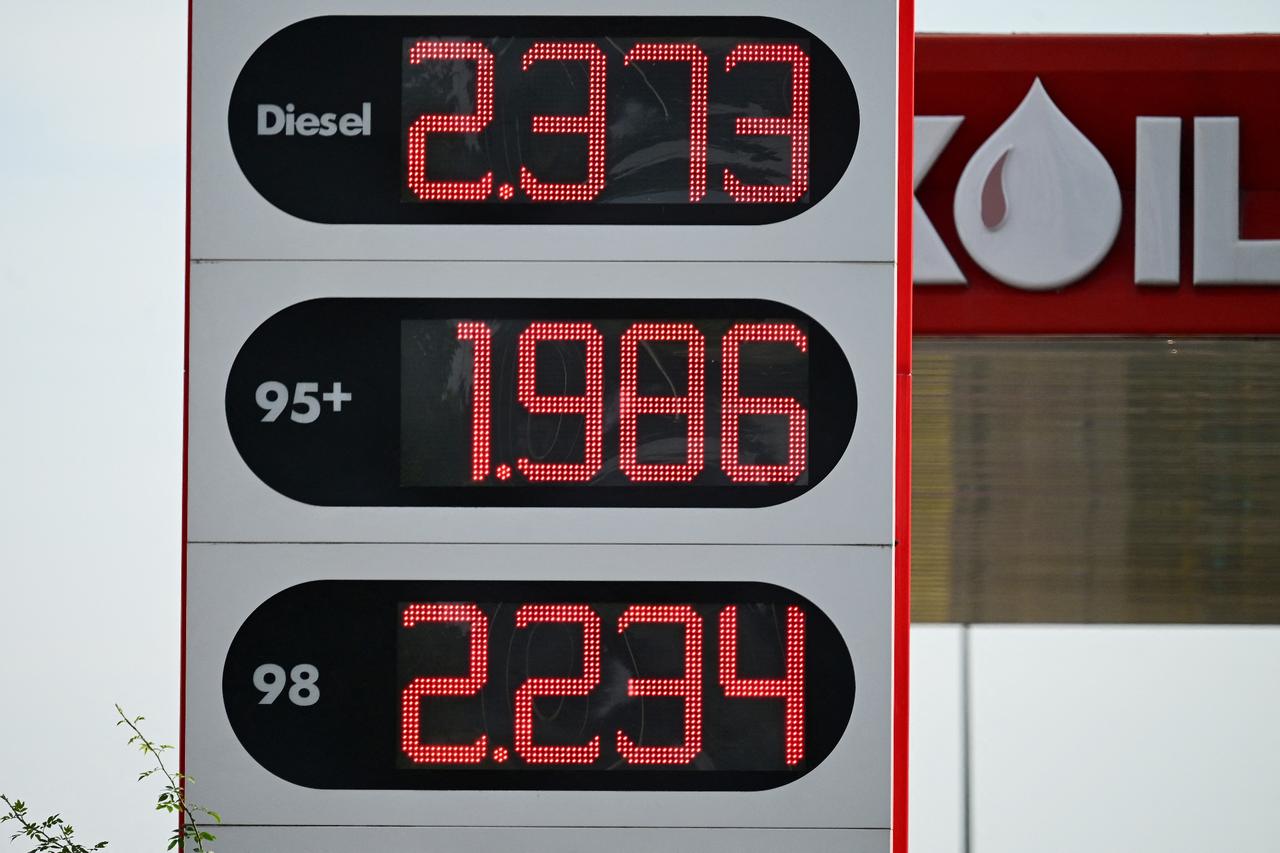
Several of Trump's advisers are said to be worried that the conflict, which the president had expected to be resolved within weeks, has dragged on without a visible endpoint and is weighing on the administration's standing, contributing to higher prices, declining approval ratings and American military casualties.
On the most recent night of strikes, between Thursday and Friday, the New York Times reported that Tehran rejected a ceasefire proposal from Trump himself, transmitted through Iraqi Prime Minister Ali al-Sudani.
According to Iranian and Iraqi officials cited in the report, al-Sudani, who met Trump at the White House earlier in the month, traveled to Iran with a senior delegation and held talks with President Masoud Pezeshkian, parliamentary speaker and chief nuclear negotiator Mohammad Bagher Ghalibaf, and Foreign Minister Abbas Araghchi.
The terms of the proposal were not disclosed, but Iranian officials told the Times it was the only offer on the table and that Tehran has no interest in a temporary arrangement that leaves unresolved the question of control over the Strait of Hormuz.
Two Iranian officials warned that in the event Trump follows through on threats to strike Tehran and key infrastructure, Iran would expand the conflict regionally, including strikes on Tel Aviv, and would call on Yemen's Houthi movement to close the Bab al-Mandeb Strait, the passage linking the Gulf of Aden to the Red Sea.
On the question of Hormuz directly, Trump posted on his Truth Social platform between Thursday and Friday that Iranian funds held under U.S. control would be used to cover damages to any vessels attacked in the waterway.
"Until further notice, any damage done to ships, cargo, or anything associated therewith, will be paid for using Iranian money in the possession and control of the USA," he wrote, adding, "These damages could be very substantial, but nevertheless, it is the fair and righteous thing to do."
A further potential justification for renewed American military action was laid out in a New York Times report citing sources familiar with U.S. intelligence assessments.
According to those officials, Iran's new Supreme Leader Mojtaba Khamenei, who came to power following the killing of his father at the outset of the conflict, is assessed to harbor significantly stronger ambitions for a nuclear weapon than his predecessor.
Though Mojtaba Khamenei has never publicly called for developing nuclear arms, U.S. intelligence believes he and the hardline figures who have consolidated power around him hold such aspirations, the report said.
For Friday night, for the first time in 13 consecutive nights, the United States reported no strikes on Iran, a pause that Israeli officials interpreted not as a resolution, but as a temporary reprieve in a conflict whose trajectory, in Jerusalem's assessment, remains unchanged.


 Set as preferred source
 Set as preferred source


 2 min read
 1 min read