Newsletters





Israel has been purchasing large areas of land in southern Syria through foreign nationals, including citizens of the United Arab Emirates, as part of an effort to expand and entrench its presence near the occupied Golan Heights, Turkish media outlet Hurriyet's Abdulkadir Selvi wrote.
The columnist said land purchases have been reported since May 2026 in Daraa, Quneitra, and other parts of southern Syria, particularly in areas extending about 15 kilometers from the Israeli-controlled border.
According to information cited by the author, intermediaries have approached village heads, local notables, real estate agents, and land brokers in Daraa and Quneitra to discuss the acquisition of agricultural and residential land.
The purchases have accelerated in recent months, with buyers offering prices significantly above market value, including for land considered unsuitable for agriculture or housing.
The columnist wrote that Israeli-linked buyers were using Jewish nationals of Canada, Australia and the United Kingdom to acquire large agricultural properties without drawing attention to the transactions.
Citizens of the UAE have also reportedly been used in land purchases around the occupied Golan Heights and neighboring Syrian areas since June.
The UAE was among the first Muslim Arab countries to sign the Abraham Accords with Israel.
The columnist questioned why wealthy Emirati nationals, who own property in some of the world’s most expensive locations, would seek to purchase land in and around the Israeli-occupied Golan Heights.
He said that Israeli capital was behind purchases registered in the names of UAE citizens.
One possible method, he said, would involve a real estate company purchasing the property through Emirati nationals before transferring it to Israeli buyers.
Businesspeople presenting themselves as agricultural investors have offered prices far above the value of properties in Daraa and Quneitra.
He also said that some Druze and Alawite intermediaries had sought to purchase plots that were not suitable for farming or residential construction.
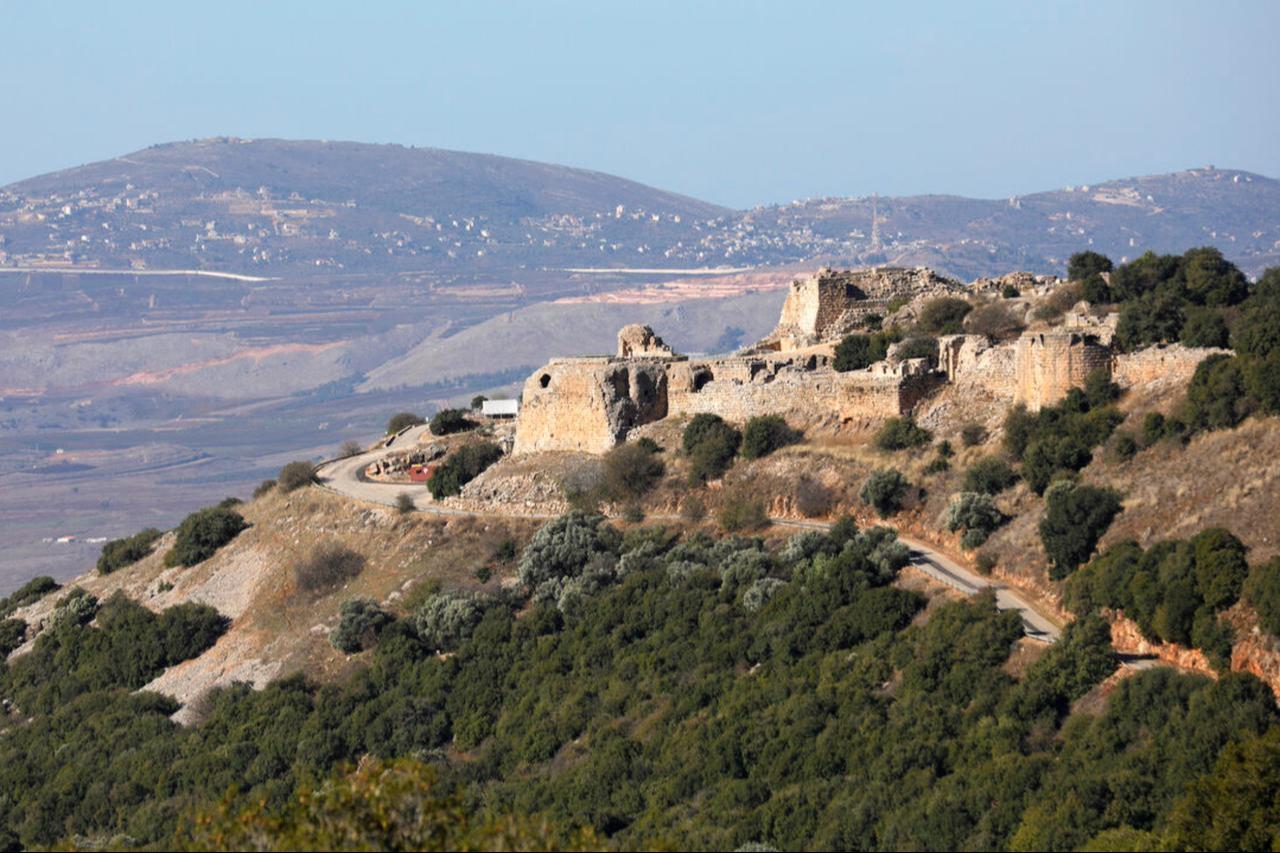

The operations are being conducted through real estate agents and land brokers.
He questioned why buyers would pay above-market prices for land that could not be farmed or developed for housing.
According to the account, the buyers insist that transactions be registered through notaries so the purchases enter official property records.
The columnist argued that the purpose of the transactions was not commercial profit but the strategic acquisition of Syrian territory.
He said buyers seeking ordinary commercial returns would attempt to acquire the properties below their market value rather than paying inflated prices.
The occupied Golan Heights contain some of Syria’s most fertile agricultural land and important water resources.
Some Syrian property owners have refused to sell despite receiving large financial offers.
According to the columnist, those who continue to reject the offers have faced pressure and threats.
Landowners have allegedly been told that the Israeli army would eventually control the areas where their properties are located.
“They tell them: ‘Sell your land, but continue living and farming there. If you do not sell, Israel will occupy the entire area anyway, and then you will have nothing left,’” the columnist wrote.
Israeli forces are already active across several parts of southern Syria, particularly in Daraa, Suweida, and Quneitra, according to the account.
The forces maintain checkpoints and conduct operations described as reconnaissance, observation and patrol activities.
The columnist said Israel was also expanding its occupation of the Golan Heights while seeking to establish a more permanent presence through property purchases.
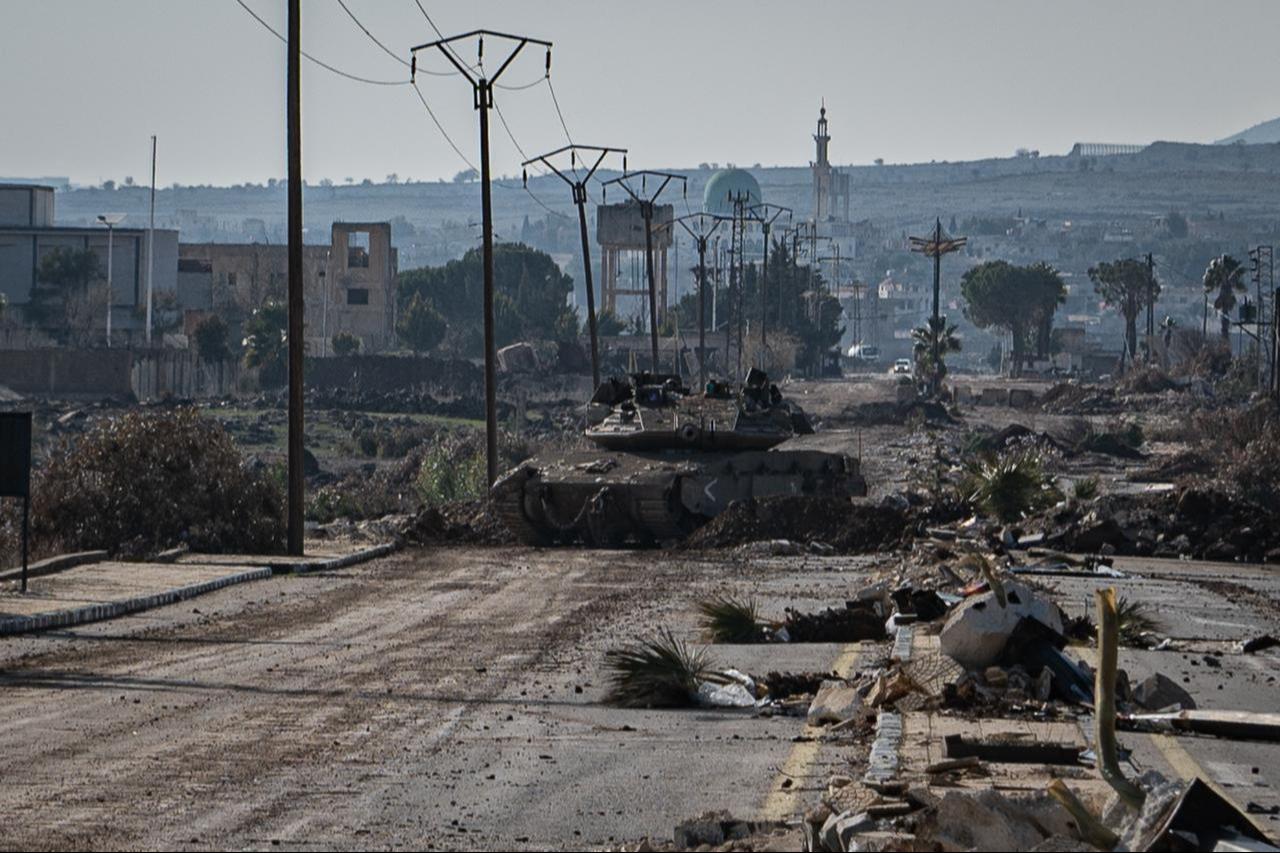
The columnist compared the alleged purchases in Syria to land acquisitions made by Zionist organizations in Palestine before the establishment of Israel.
Before Israel was founded, Jewish organizations and wealthy individuals purchased land from large landowners based in Damascus, Beirut and other parts of Lebanon and Syria, as well as from small Palestinian farmers.
The purchases were not left solely to wealthy Jewish individuals, the columnist said, but were organized through Zionist funds, most prominently the Jewish National Fund.
To avoid attracting attention, properties were also purchased through wealthy Jewish citizens of Western countries.
The Ottoman administration introduced various measures intended to restrict land sales to Zionist buyers, but the organizations continued acquiring property through different methods, according to the columnist.
He said Jewish ownership before the establishment of Israel is often estimated at about 6% to 7% of Palestinian land, while land allocated by the British Mandate authorities is frequently excluded from discussions.
The columnist wrote that Israel was now applying a similar dual-track strategy in Syria by combining military control with land purchases made through international networks and foreign nationals.
The columnist compared the territorial strategy to holes in cheese, saying Israel first establishes control over a small area and then gradually expands outward.
He also used the analogy of cancer cells, claiming that land purchases in the Golan Heights, Daraa and Quneitra could create small points of Israeli-linked ownership that would later expand across Syrian territory.
According to the columnist, the objective is to make Israel’s presence permanent by supplementing military occupation with legally registered property ownership.
He called on the Syrian government to temporarily prohibit land sales in the affected areas until the alleged transactions could be investigated.
Without such a ban, he argued, Israel could continue expanding its presence in Syria through both military occupation and privately registered land acquisitions.


 Set as preferred source
 Set as preferred source


 1 min read

 1 min read