Newsletters


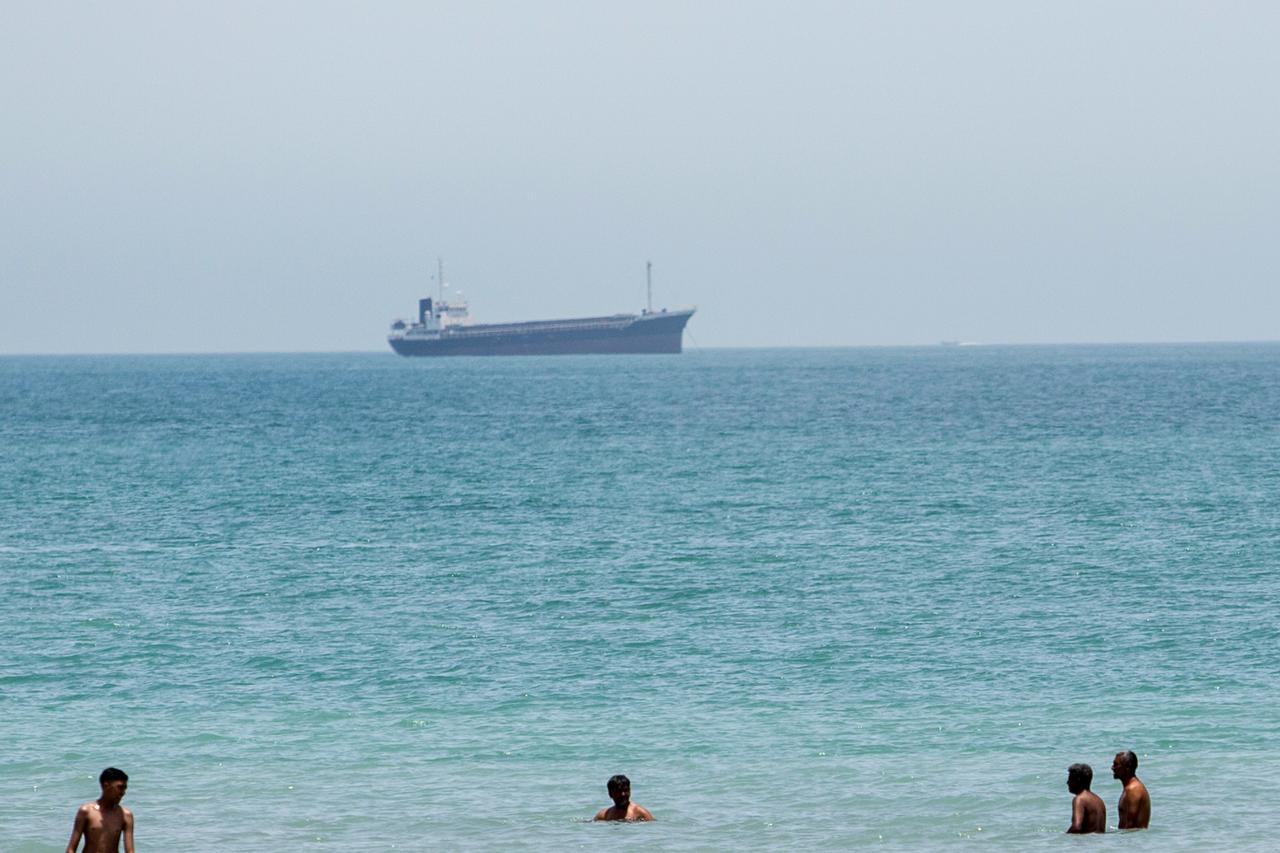


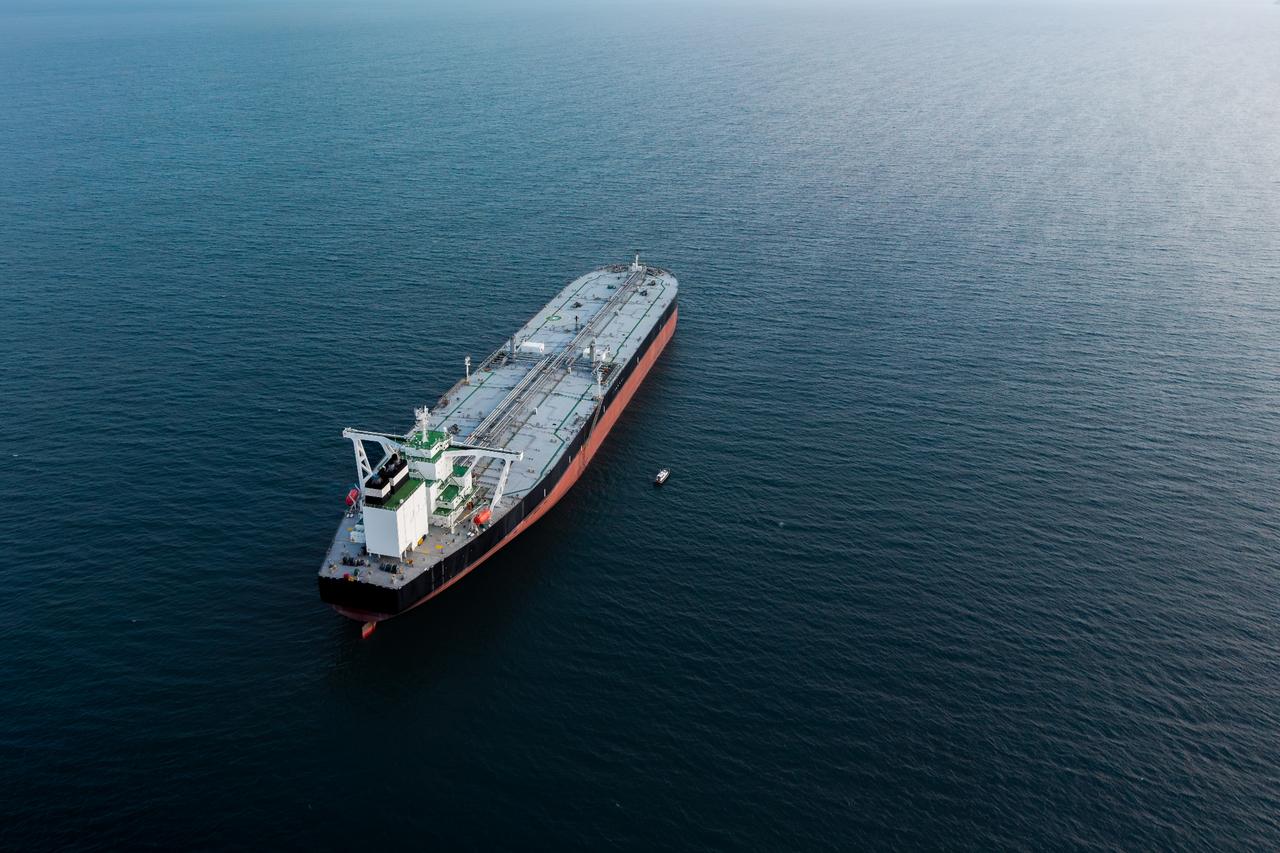
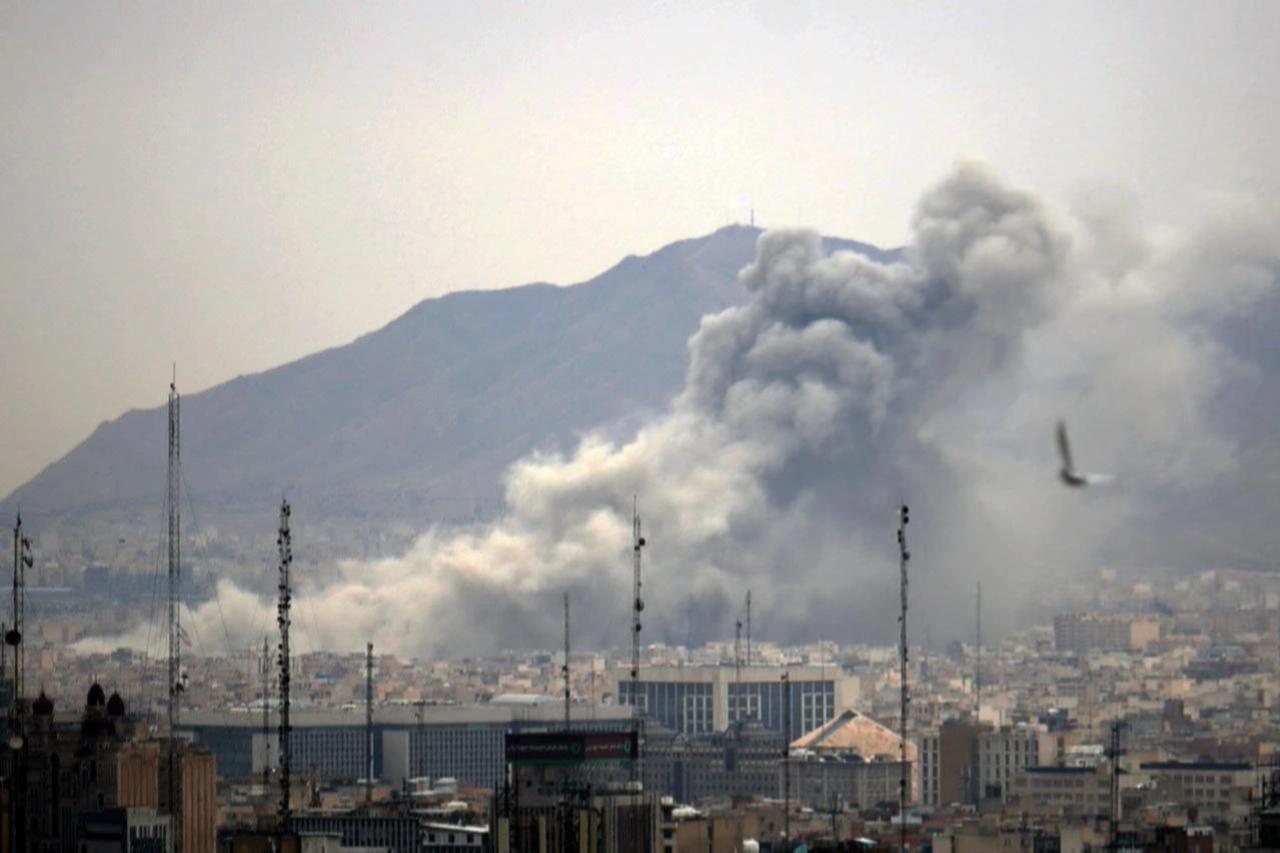
A tanker was struck by a missile off the coast of Oman on Tuesday, the U.K. Maritime Trade Operations (UKMTO) agency said, as Iran and the United States continued to exchange fire over control of the Strait of Hormuz.
In a warning notice, UKMTO said it had received a report of an incident 13 nautical miles southeast of Limah, Oman.
"A tanker has reported being hit by a missile while transiting outbound on the southern route," the agency said, adding that authorities were investigating.
UKMTO advised vessels to transit the area with caution and report any suspicious activity.
UKMTO said this was a separate incident from one reported the previous day, in which a tanker was struck by an "unknown projectile" 40 nautical miles northeast of Qalhat, Oman.
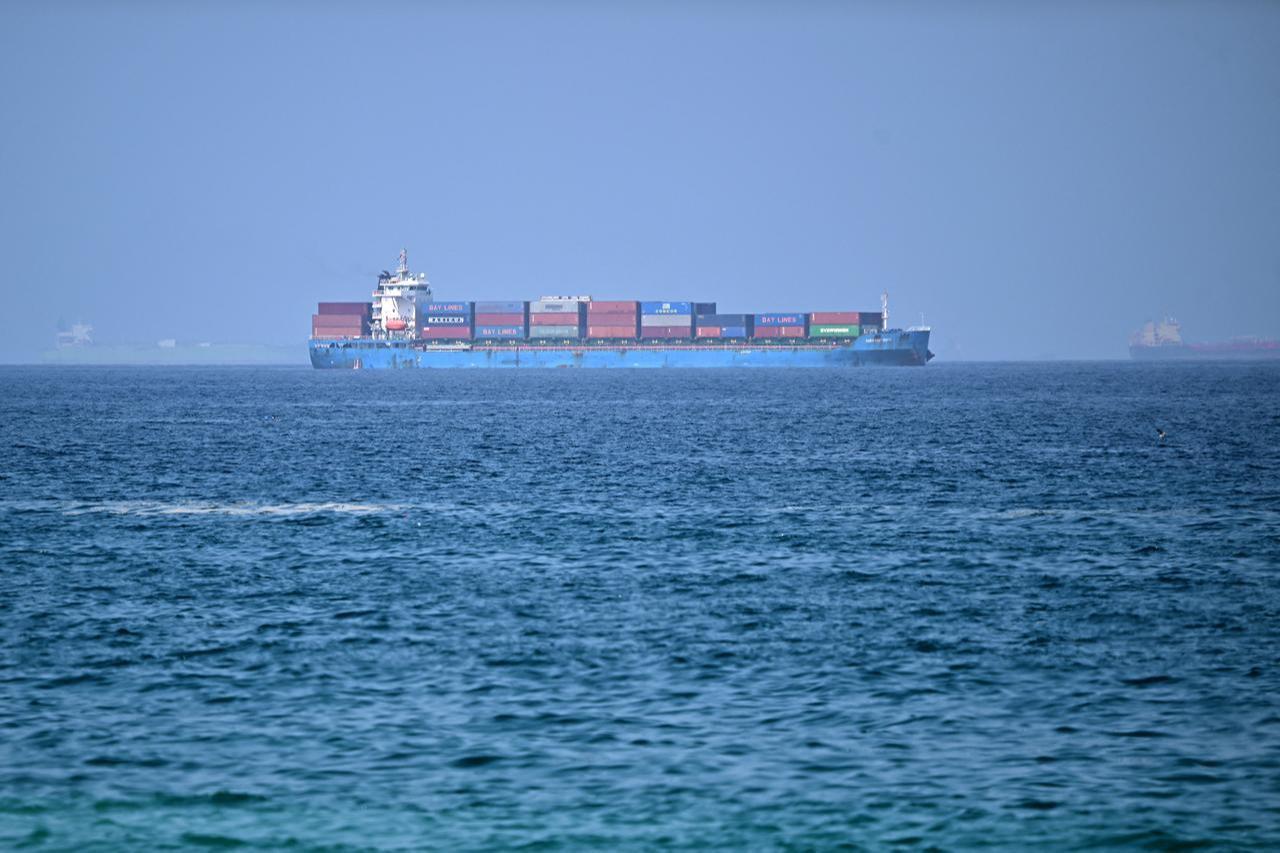

The UAE Ministry of Defense said two Emirati oil tankers, the Mombasa and Al Bahiyah, were struck by Iranian cruise missiles while in the southern lane of the Strait of Hormuz, within Omani territorial waters.
The ministry said one crew member was killed and eight others were injured in the attack.
The reported attacks came as the U.S. announced it would reimpose its naval blockade of ships transiting to and from Iranian ports through the strait. U.S. Central Command (CENTCOM) said the blockade would resume at 4:00 p.m. ET Tuesday.
An earlier blockade had run from April 13 to June 18, before Washington and Tehran signed a memorandum of understanding aimed at ending the war.
U.S. President Trump separately suggested the U.S. could charge a 20% fee for guarding ships transiting the strait, though he offered no detail on how the charge would be calculated, applied or enforced.
Experts told CNN the strait is an international waterway where vessels hold a right of free passage and that the proposed fee could be set high enough that no party would be willing to pay it.
The Trump administration's own prior position had been that ships should transit without paying fees to any entity. U.S. Secretary of State Marco Rubio had repeatedly denounced toll proposals for the strait last month, calling the idea "unworkable" and "not doable."
Iranian Foreign Minister Abbas Araghchi mocked Trump's proposal in a post on X, writing that Iran, not the U.S., should be the one collecting any fees: "20% is of course, too much. We will be fair."
The International Maritime Organization said passage through the strait "should remain free of any tolls and charges, in accordance with international law."
Iran's Khatam al-Anbiya Central Headquarters, the armed forces unit overseeing military operations in the region, said it would not allow Washington to intervene in management of the strait. Iranian Foreign Ministry spokesperson Esmail Baghaei said separately that negotiations between the U.S. and Iran had entered a "crisis" period.
Strait of Hormuz crossings have fallen steadily over the past week, dropping from 50 ships on July 7 to just 10 the following week, according to data from maritime intelligence firm Kpler cited in reporting on the crisis.
Of those 10 vessels, nine used the route through Iranian waters, while just one followed the internationally recognized route near Oman.
The decline follows a period of recovery in late June, when daily crossings had reached a peak of 77 ships on June 24.
Brent crude rose sharply following Trump's announcement, gaining 7.1% to $81.40 a barrel, while U.S. crude rose 7.2% to $76.50, both reaching their highest levels since June 15, according to market data.
By Tuesday morning, Brent had climbed further, trading above $85 a barrel for the first time since June 12, up 1.6% from Monday at $84.20, a level roughly $13 higher than pre-war prices but still well below the wartime peak above $120.
Rising oil prices strengthened expectations that the U.S. Federal Reserve could maintain higher interest rates for longer.


 Set as preferred source
 Set as preferred source


 1 min read
 1 min read