Newsletters


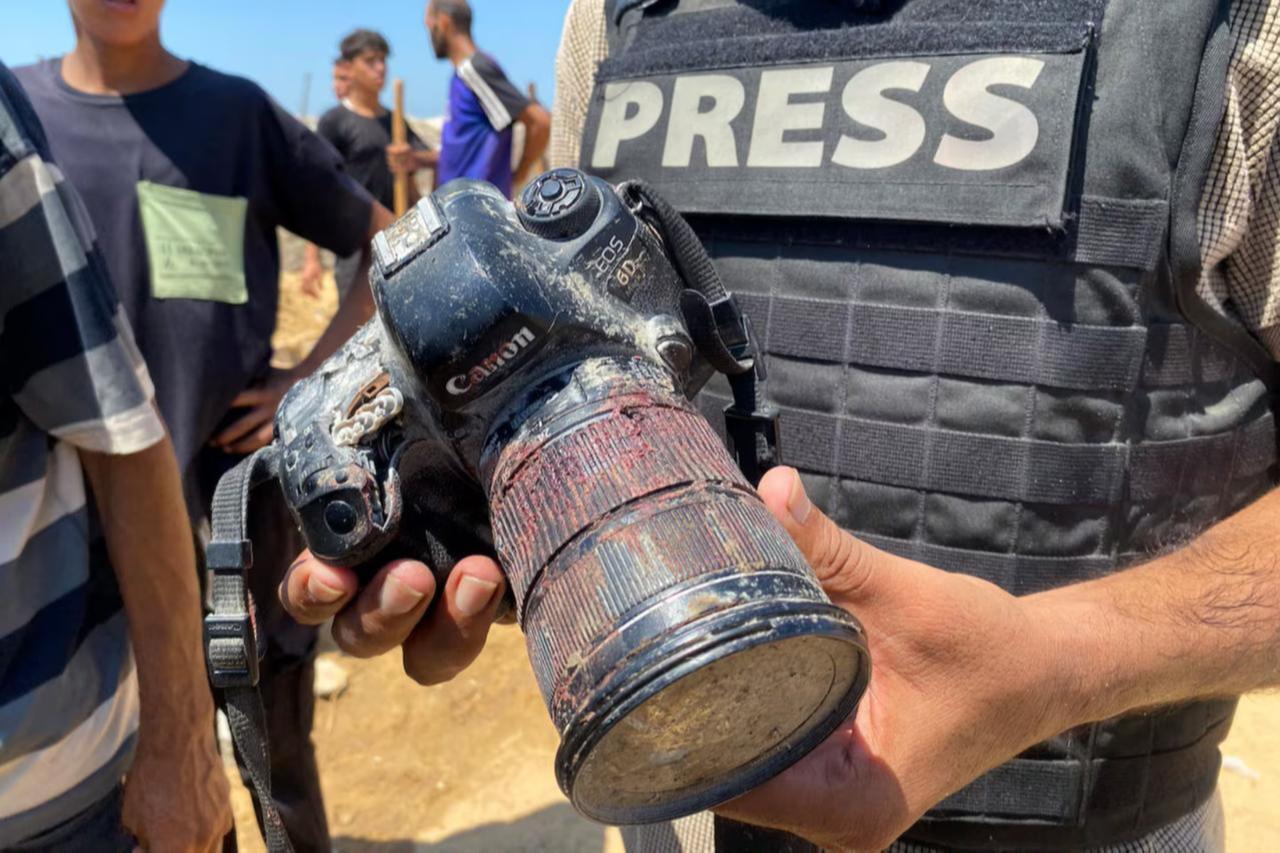


A record 129 journalists and media workers were killed worldwide in 2025, with Israel responsible for two-thirds of the deaths, according to a special report by the Committee to Protect Journalists (CPJ).
CPJ says the figure marks the highest number ever documented since the organization began keeping records more than three decades ago, driven primarily by Israel’s actions in the Israel-Gaza war.
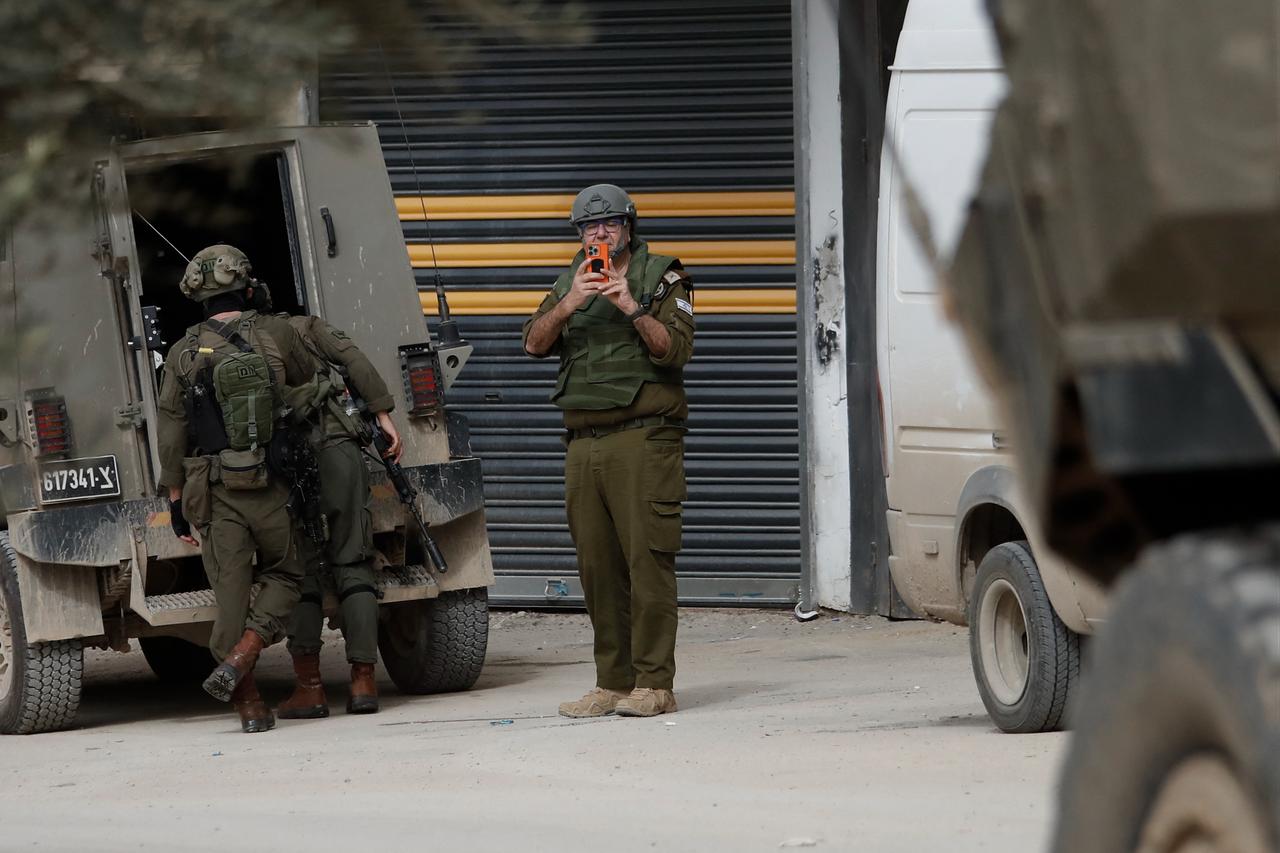
CPJ reports that 86 members of the press were killed by Israeli fire in 2025, more than 60% of them Palestinians reporting from Gaza. Human rights groups and U.N. experts say a genocide is taking place there.
The Israel-Gaza war, which includes Israeli attacks in Gaza as well as in Lebanon, Yemen, and Iran, is described by CPJ as the deadliest conflict on record for journalists. Three killings, including one classified as murder, occur after the October 2025 ceasefire.
In 2025, CPJ documents 47 cases of journalists deliberately killed because of their work, the highest number of targeted killings in the past decade. Israel accounts for 81% of those cases, according to the report.
CPJ says the total number of targeted killings may be higher due to severe restrictions in Gaza, including a ban on independent foreign press access, destroyed communications infrastructure, and mass displacement.
“The deliberate targeting and killing of a journalist by any military constitutes a war crime,” CPJ states, calling for independent investigations and accountability at all levels.

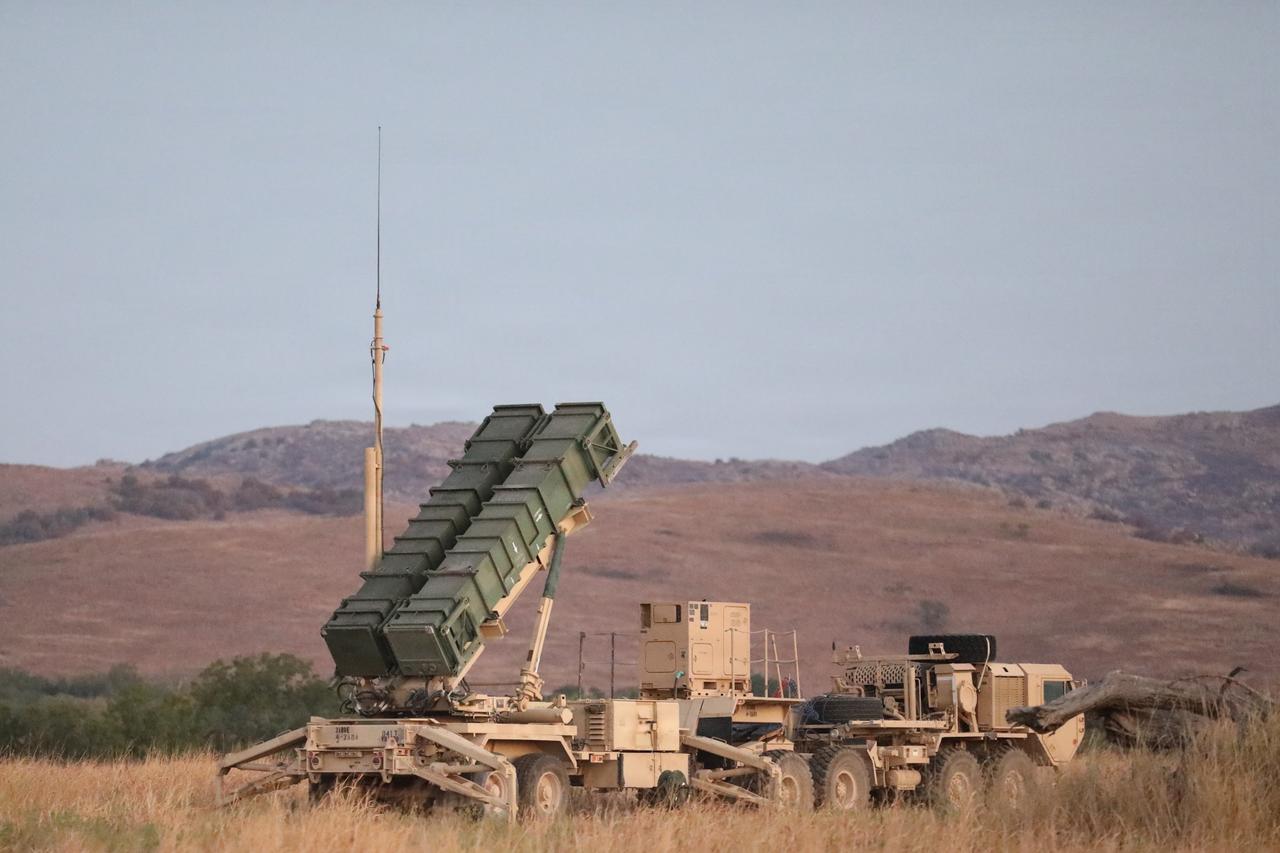
The report highlights a sharp rise in journalists killed by drones. CPJ documents 39 press deaths involving drones in 2025, up from just two in 2023. Military drones are confirmed or suspected in 33 of those cases.
Of the 39 drone-related deaths, 28 are attributed to Israel in Gaza; five to Sudan’s paramilitary Rapid Support Forces (RSF); four to Russia in Ukraine; one to Houthi forces in Yemen; and one to a suspected Turkish strike in Iraq.
In Ukraine, four journalists were killed by Russian military drones in 2025, the highest annual number since 2022. In Sudan, nine journalists are killed amid the country’s civil war, including Sudan News Agency director Taj al-Sir Ahmed Suleiman, who is executed by the RSF in North Darfur.
CPJ notes that drone attacks globally increased by more than 4,000% between 2020 and 2024, citing data from the U.S.-based Center for Civilians in Conflict.
CPJ says Israel repeatedly labels journalists it kills as militants without providing credible evidence. Among those named in the report is 23-year-old Palestinian journalist Hossam Shabat, killed in March 2025 in an Israeli drone strike in northern Gaza. Israel accuses him of being a Hamas sniper but provides no substantiated proof, CPJ says.
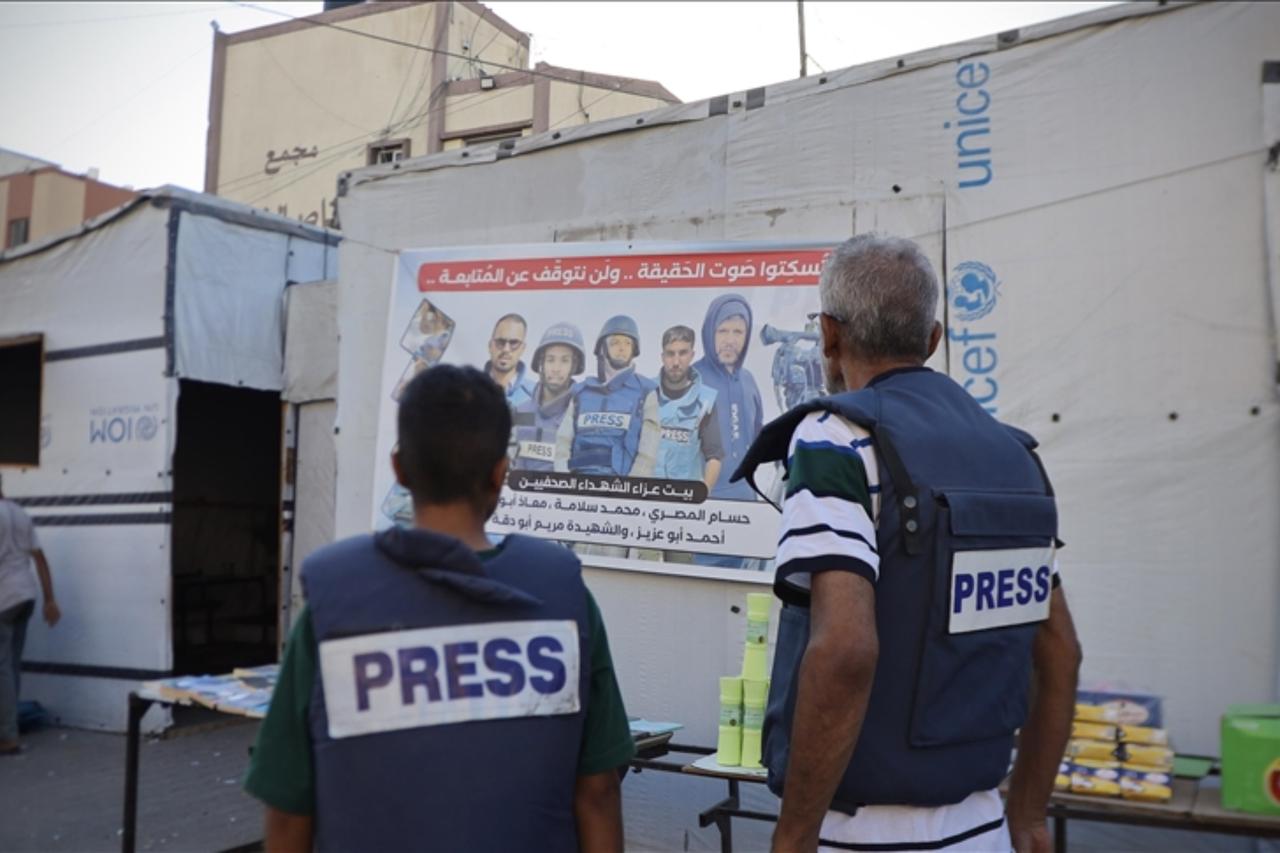
The report also documents an August 2025 strike that kills Al Jazeera reporter Anas al-Sharif and five others and a separate attack on Nasser Hospital in Gaza that kills five journalists in what CPJ describes as a “double-tap” strike.
In Yemen, Israeli airstrikes on two newspaper offices kill 31 journalists and media workers, making it the second deadliest attack on the press CPJ has ever documented.
CPJ says very few transparent investigations are conducted into journalist killings in 2025, and no one is held accountable in any of the 47 documented targeted cases.
“Journalists are being killed in record numbers at a time when access to information is more important than ever,” CPJ CEO Jodie Ginsberg says. “Attacks on the media are a leading indicator of attacks on other freedoms.”
While over three-quarters of journalist deaths occur in conflict settings, CPJ reports killings in countries not at war, including Mexico, India, and the Philippines, where impunity remains widespread.
At least six journalists were killed in Mexico in 2025, all unsolved. Three people are shot dead in the Philippines, with only one case leading to an arrest. In Saudi Arabia, columnist Turki al-Jasser was executed after seven years in detention on charges CPJ describes as spurious.
CPJ warns that attacks on journalists often signal broader democratic decline, noting a near-record number of journalists jailed in 2025 amid smear campaigns, legal harassment, and growing hostility toward the press.
CPJ says it records a journalist’s killing when there are reasonable grounds to believe the death is work-related, whether accidental in a conflict zone or deliberate because of reporting.
Researchers confirm each case using at least two credible sources and conduct extensive investigations, which can take months or years, particularly in war zones.
The organization updates its database as new information becomes available.
CPJ calls for radical reforms in how governments investigate journalist killings, including the creation of an international investigative task force and the imposition of targeted sanctions to ensure accountability.


 Set as preferred source
 Set as preferred source


 1 min read
 1 min read