Newsletters




The Israeli military announced Sunday it has launched a fresh wave of airstrikes targeting the heart of Tehran, escalating a rapidly widening conflict that has drawn in the United States, Iran and several Gulf nations, killed senior Iranian leaders including Supreme Leader Ali Khamenei, and claimed the lives of American service members.
"The Israel Air Force has initiated a wave of strikes in the heart of Tehran," the military said in a brief statement. Multiple explosions were heard across the Iranian capital shortly after the announcement.
The strikes come one day after the United States and Israel launched a joint attack on Iran on Saturday that killed several top Iranian leaders, including Khamenei, who had ruled the Islamic Republic for 36 years. Tehran responded with waves of drone and missile attacks directed at Israel, American military assets and targets in several Gulf states.

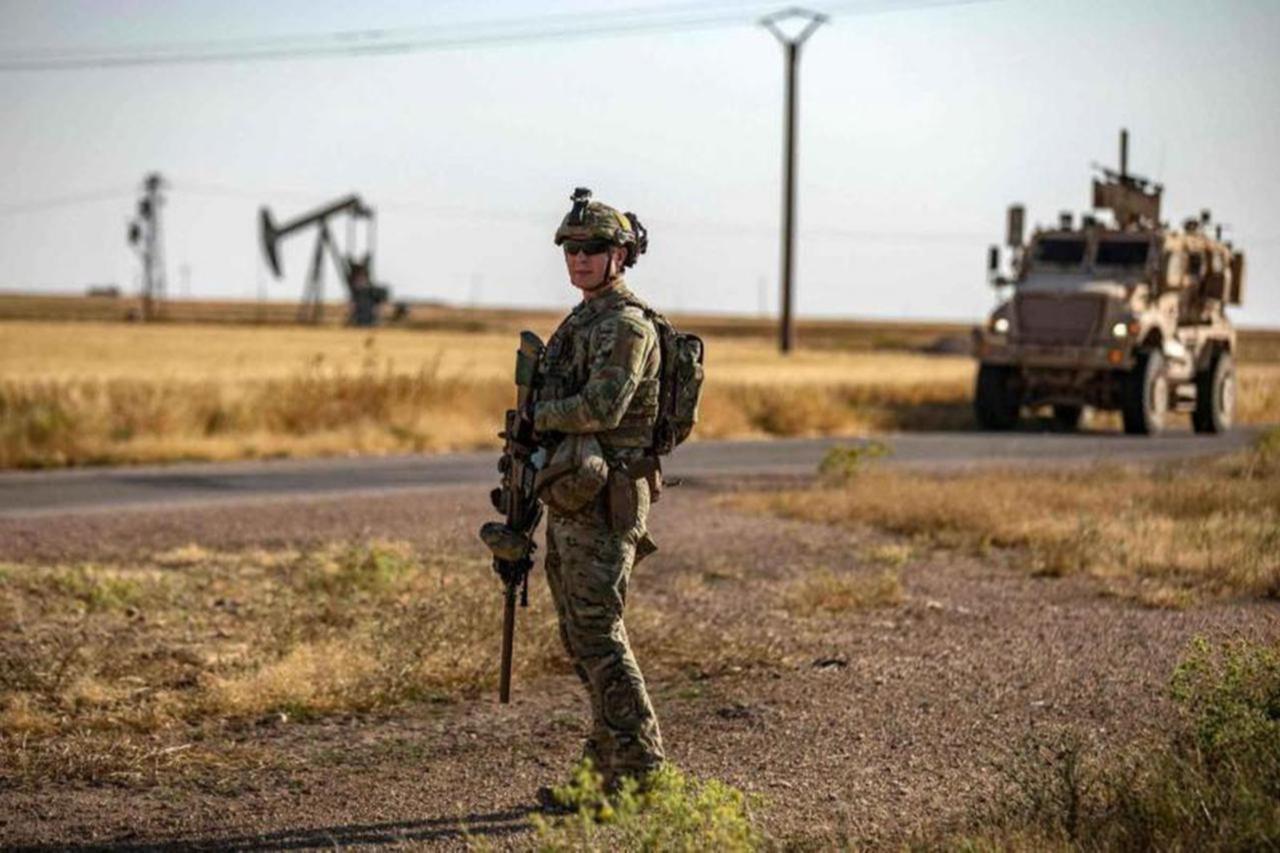
The escalating conflict has now claimed American lives. Three US service members were killed and five seriously wounded during the Iran operation, US Central Command confirmed. The command said in a statement posted on X that additional troops sustained lesser injuries, noting that "several others sustained minor shrapnel injuries and concussions, and are in the process of being returned to duty. Major combat operations continue and our response effort is ongoing."
Central Command declined to specify how the forces were killed and wounded, though Iran's Revolutionary Guards have launched successive rounds of drones and missiles at targets across the Middle East.
The deaths mark the first combat-related fatalities suffered by the US military in major operations ordered by President Donald Trump since he returned to office last year. Previous military actions under his current administration, including the bombing of Iran's nuclear sites last June and the seizure of Venezuela's president in January, resulted in no American fatalities.
Trump told CNBC on Sunday that military operations against Iran are "ahead of schedule," though he offered no further detail.
Even as bombs fell on Tehran, diplomatic signals emerged. Iranian Foreign Minister Abbas Araqchi told his Omani counterpart Badr Albusaidi in a phone call that Tehran is open to any serious efforts at de-escalation following the weekend attacks, according to a statement from Oman's foreign ministry.
Oman has served as a key intermediary in nuclear negotiations between the US and Iran, a role that has taken on heightened urgency as the conflict threatens to engulf the broader region. The current hostilities echo a similar episode last June, when a joint US-Israeli attack on Iran triggered a 12-day war before a ceasefire was reached.
On Capitol Hill, Democratic lawmakers moved quickly to challenge the constitutional basis for the attack. Senator Tim Kaine of Virginia said on Fox News Sunday that Trump had violated the law by launching the operation without congressional authorization and announced he has a war powers resolution prepared for a vote this week. The joint resolution would block the use of US forces in hostilities against Iran not authorized by Congress.
"The President not only did not come to Congress to seek a debate or vote, he acted without even a notification to the vast majority of us. This is an illegal war," Kaine said.
Senator Chris Coons of Delaware voiced broader strategic concerns on CNN's State of the Union, warning that the military path could backfire. "My fear is that by choosing the path of war, what Trump will cause is a more repressive, more aggressive Iranian regime, that the IRGC will massacre more of its civilians, and that they will be more aggressive in the region," Coons said.
Inside Iran, the death of Khamenei exposed deep fractures within a society already scarred by violent state repression. Video circulating on social media showed a group of people dancing in the streets of Karaj, near Tehran, celebrating the supreme leader's death on Saturday. Others across the country grieved openly.
The divided reaction underscored tensions in a nation where thousands of Iranians were killed during a government crackdown on anti-government protests in January, the deadliest wave of unrest since the 1979 Islamic Revolution.


 Set as preferred source
 Set as preferred source


 1 min read
 1 min read