Newsletters


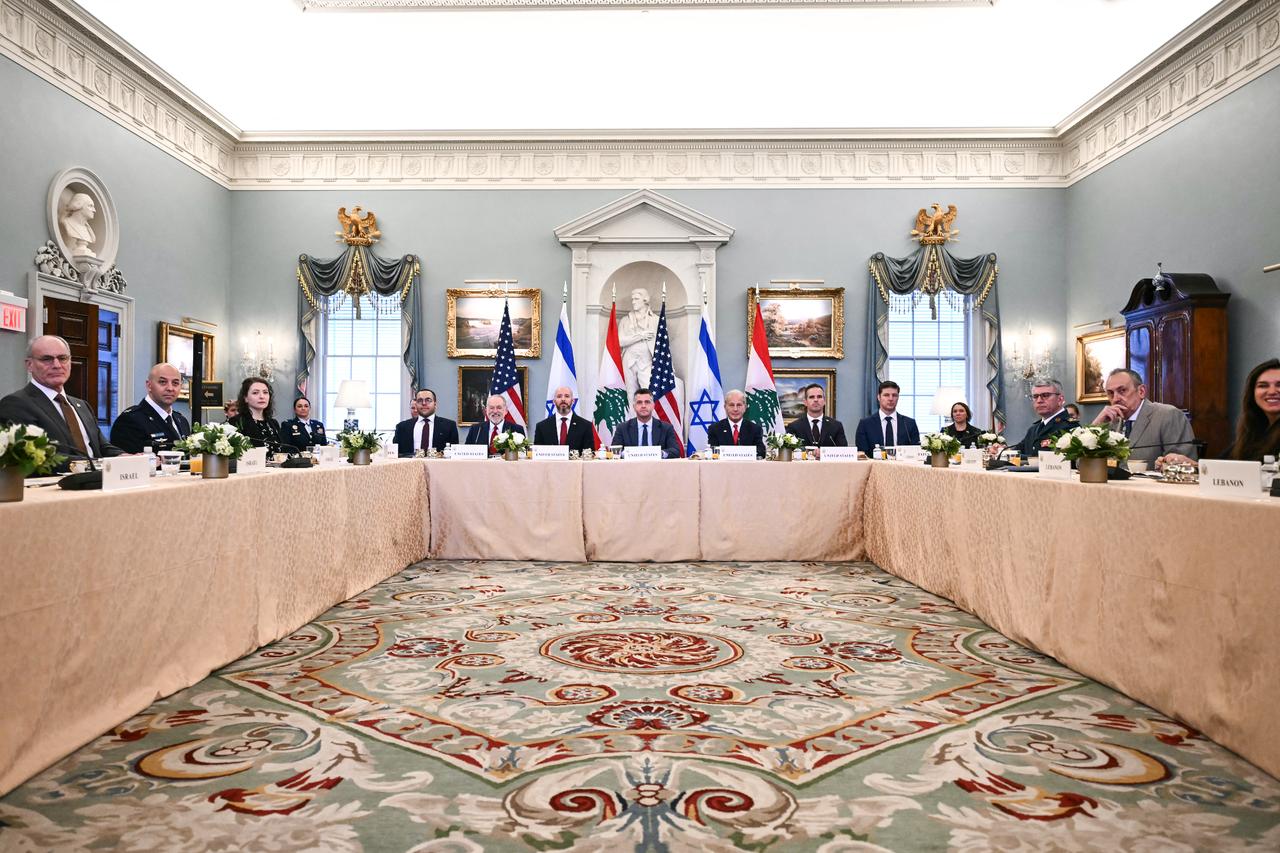


Israeli and Lebanese delegations held a fourth round of direct negotiations in Washington on Tuesday under U.S. mediation, as fighting between Israel and Hezbollah continued across southern Lebanon and northern Israel.
The talks took place at the U.S. State Department, where officials said progress was continuing on efforts to reach a broader agreement aimed at restoring Lebanon’s sovereignty and ensuring Israel’s security.
U.S. State Department spokesman Tommy Pigott said another round of talks was scheduled for Wednesday.
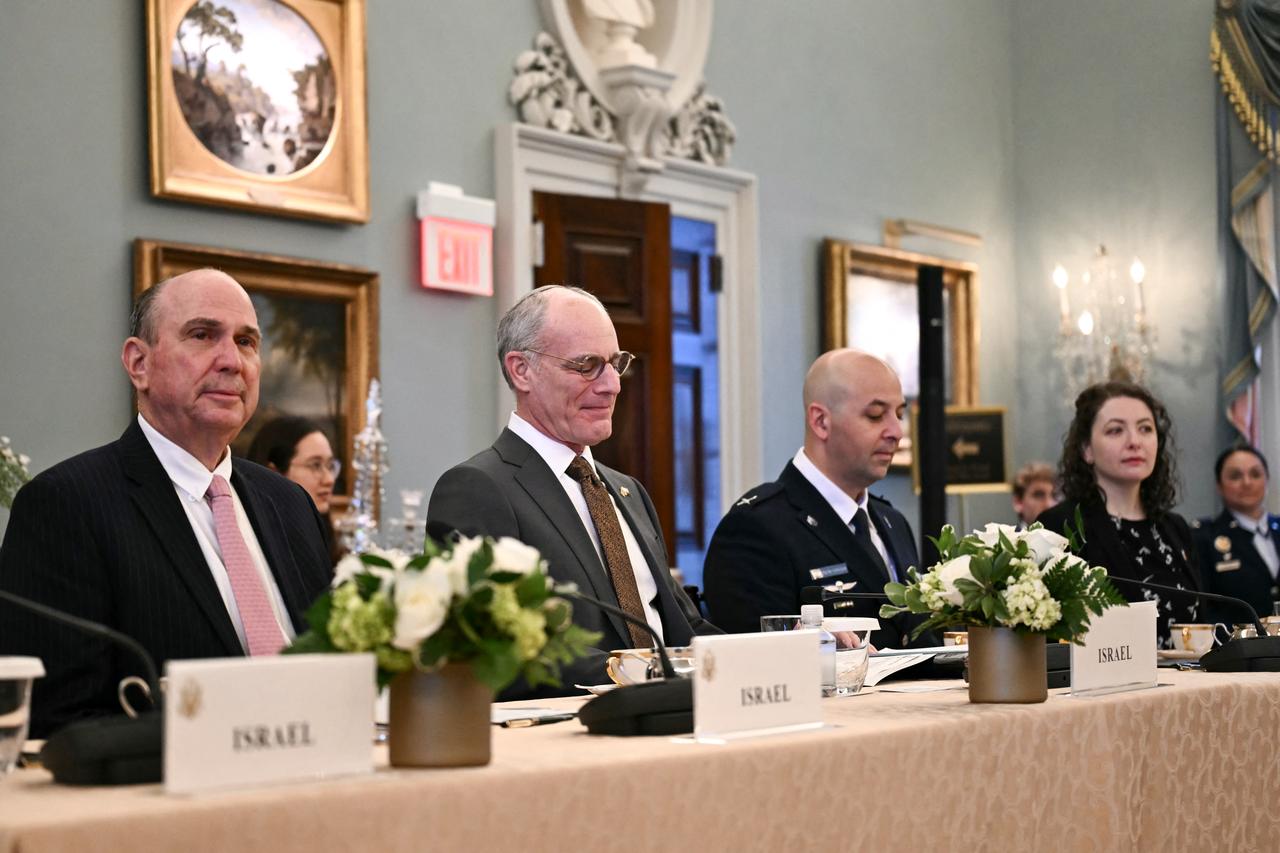

Pigott said the delegations met Tuesday at the State Department for the fourth round of direct negotiations.
“Progress continues on the political and security tracks as we move toward a comprehensive agreement aimed at restoring Lebanon's sovereignty and ensuring Israel's security, breaking free from the failures of the past 20 years,” Pigott said on X.
He also reiterated Washington’s commitment to mediating what he described as historic negotiations.
The fourth round followed U.S.-mediated talks on May 14-15, after which the ceasefire was extended by 45 days from May 17 and another round was planned for early June.

The talks came after U.S. President Donald Trump said Monday that he had brokered a deal to reduce hostilities between Israel and Hezbollah.
According to the Lebanese Embassy in Washington, the arrangement would initially cover Israeli attacks on Beirut and Hezbollah attacks on Israeli territory before expanding in scope.
Neither side has publicly accepted the proposal.
Senior Hezbollah official Mahmud Qomati told Agence France-Presse (AFP) in a written statement that the group “will not accept a partial ceasefire.”
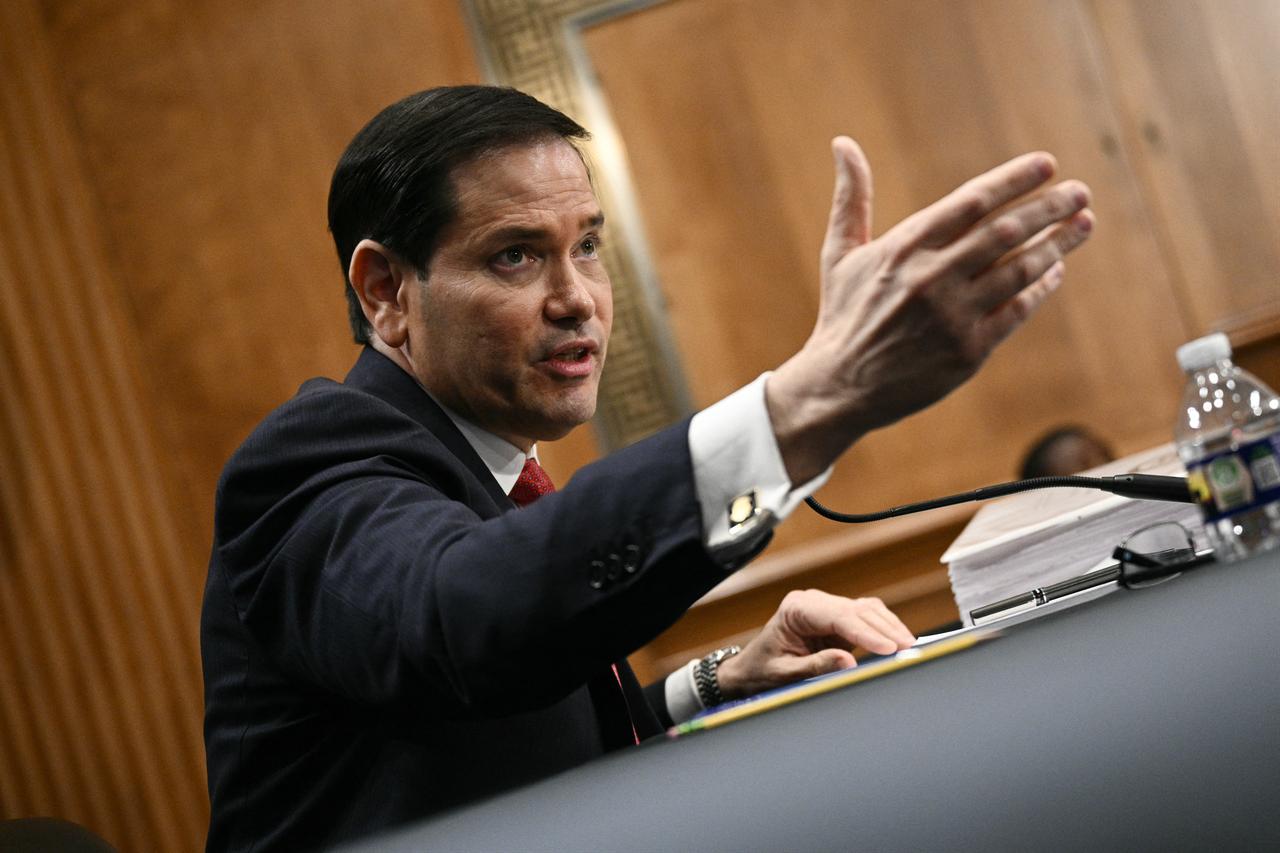
U.S. Secretary of State Marco Rubio told the Senate Foreign Relations Committee that “Israel and Lebanon can do a peace deal tomorrow.”
He added: “Israel has no territorial claims in Lebanon. Hezbollah is the impediment.”
Lebanese Prime Minister Nawaf Salam called the talks “the least costly choice for Lebanon,” despite Hezbollah’s opposition.
The negotiations were held as Israel and Hezbollah exchanged fire.
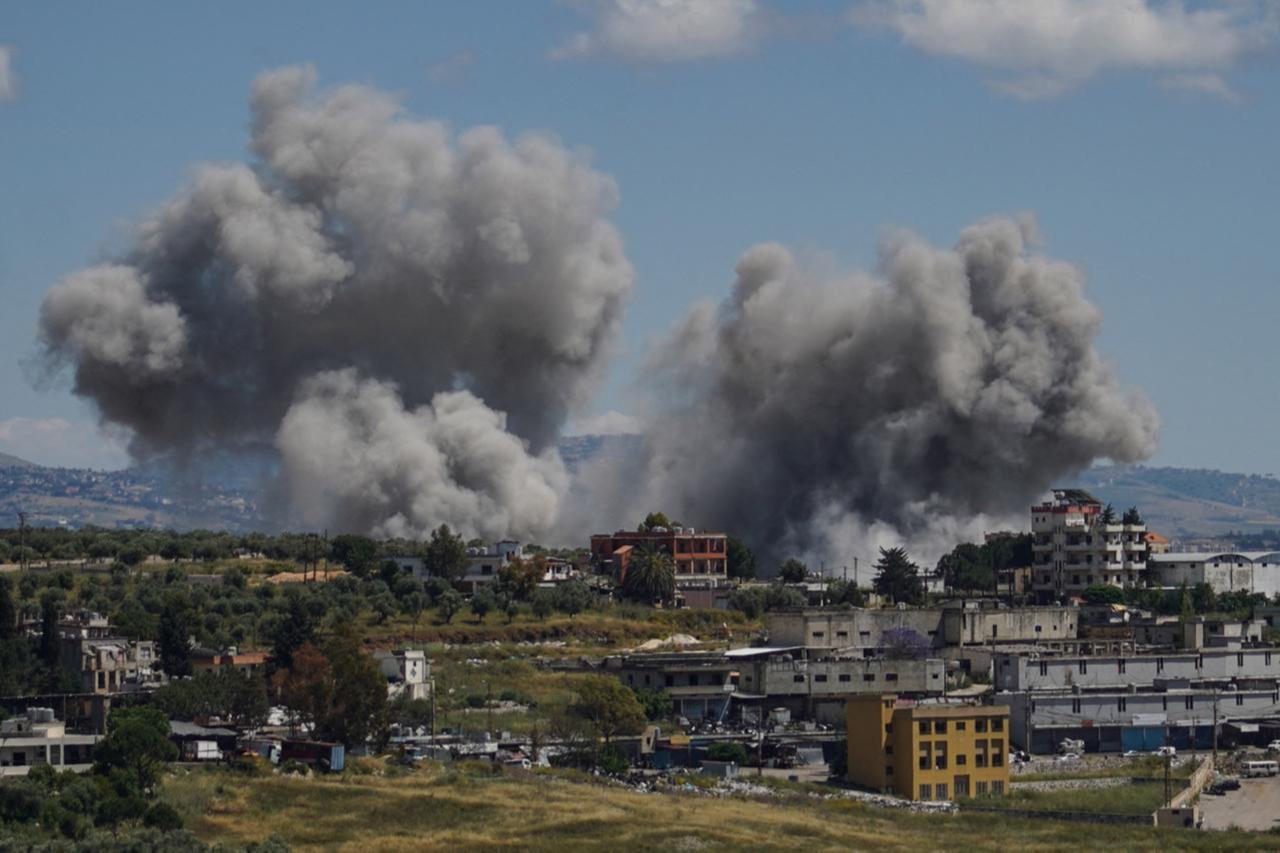
Lebanon’s state-run National News Agency reported Israeli strikes on around 30 locations in southern Lebanon on Tuesday, some of them deadly.
Hezbollah said it attacked Israeli troops in the occupied areas of southern Lebanon, but did not claim attacks inside Israel.
The Israeli military said it intercepted two projectiles launched from Lebanon and reported no injuries.
The current conflict began when Hezbollah attacked Israel on March 2 in support of Iran, drawing Lebanon into the wider Middle East war.
A ceasefire was supposed to halt fighting from April 17, but it has been repeatedly violated.
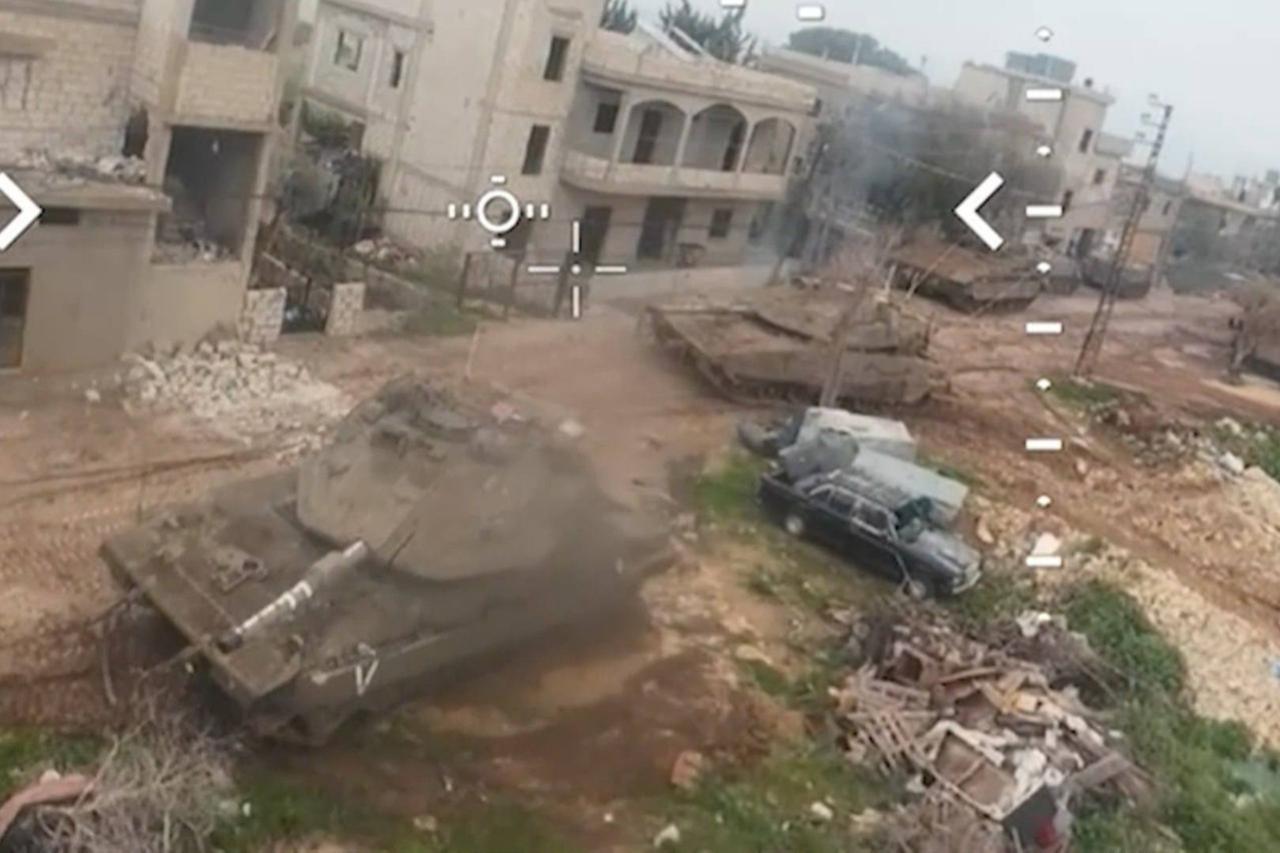
Recent days have seen a sharp escalation in fighting, including Israel’s deepest ground offensive into Lebanon in two decades.
Israeli Prime Minister Benjamin Netanyahu ordered strikes on Beirut’s southern suburbs, citing Hezbollah’s repeated cease-fire violations.
According to Axios, Trump pressured Netanyahu to avoid further escalation, warning that expanded action could risk peace efforts with Iran.
Israeli Defense Minister Israel Katz later said Israel had established “a new equation,” under which Beirut’s southern suburbs would be targeted if Hezbollah continued firing at Israel.
Lebanon’s Health Ministry said Israeli attacks since March 2 have killed more than 3,465 people.
The ministry said Israeli strikes in the south killed five people Tuesday and wounded 48, including a doctor and five employees of Tebnine Governmental Hospital.
Israel’s military said at least 26 Israeli soldiers and one civilian contractor have been killed during the same period.


 Set as preferred source
 Set as preferred source


 1 min read
 1 min read