Newsletters




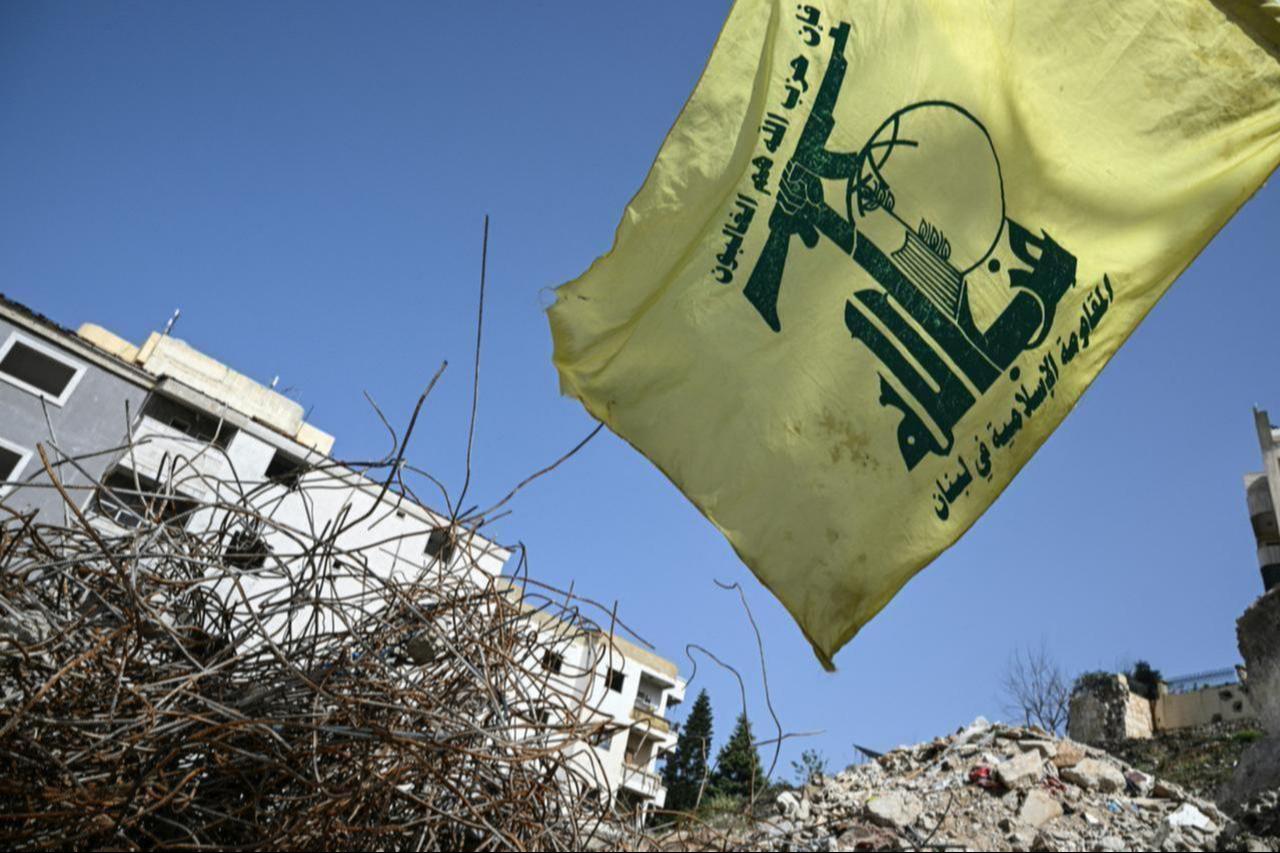
Lebanon's US Embassy announced Monday that Hezbollah has accepted an American proposal for a mutual cessation of attacks with Israel, a significant diplomatic development on the eve of a fourth round of Israeli-Lebanese negotiations, even as Israel threatened further strikes on south Beirut.
The announcement came in a statement released through the office of the Lebanese president. "The Lebanese authorities received confirmation of Hezbollah's acceptance of the US proposal providing for a mutual cessation of attacks," the embassy said.
Under the arrangement, Israeli strikes on Dahiyeh, Beirut's southern suburbs and a longtime Hezbollah stronghold, would halt in exchange for the group refraining from launching attacks against Israel, with the framework ultimately to be extended across all Lebanese territory.

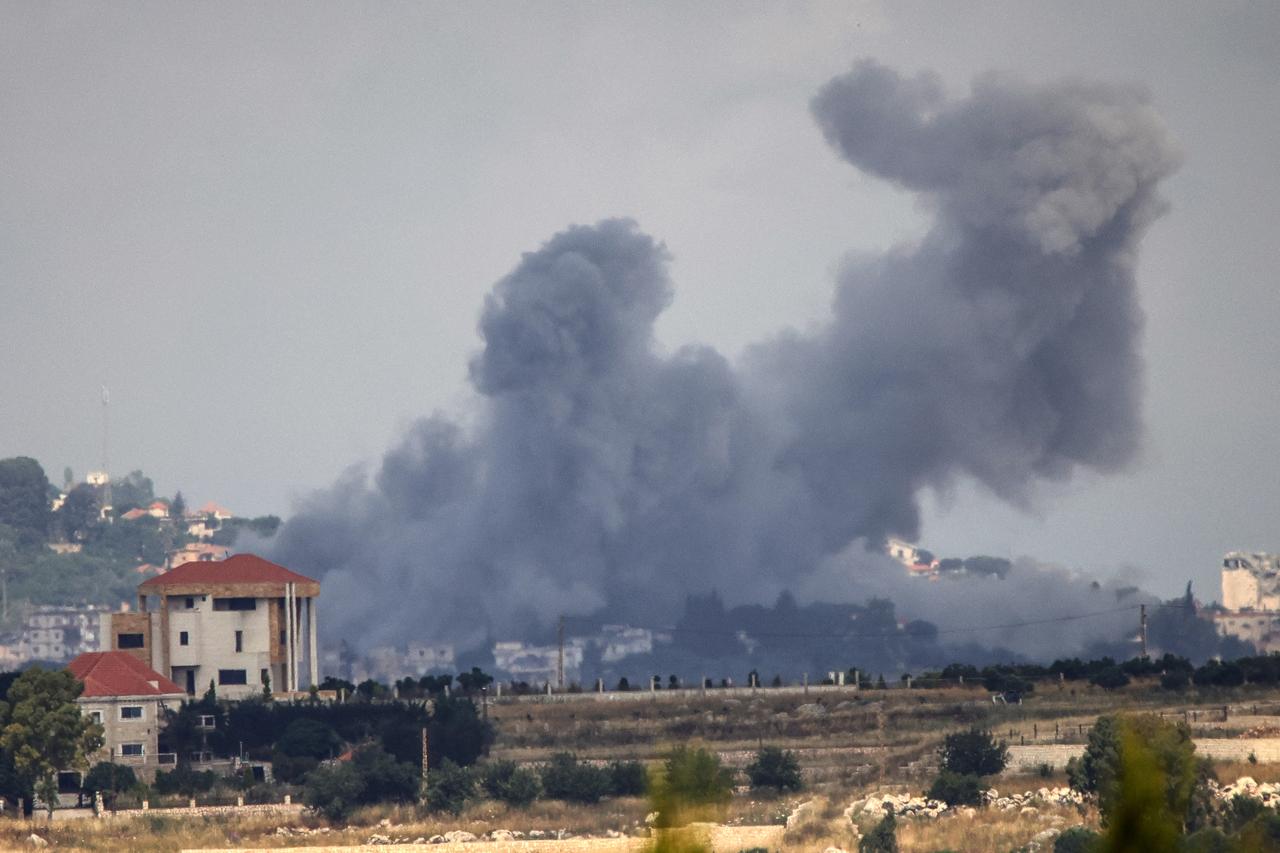
The announcement came under tense conditions, with Israel having threatened renewed strikes on south Beirut even as diplomacy intensified. Secretary of State Marco Rubio spoke with both Lebanese President Joseph Aoun and Israeli Prime Minister Benjamin Netanyahu over the weekend, according to a US official, underlining Washington's active role in brokering the arrangement.
Ali Hassan Khalil, an aide to Parliament Speaker Nabih Berri, the official Lebanese interlocutor backed by Hezbollah for ceasefire negotiations, told Reuters that Lebanon had delivered a written response to the US ambassador and described the effort as "the most serious yet to end the fighting."
He added that Lebanon's comments were submitted "in a positive atmosphere," though he declined to provide further details. Israel had not commented at the time of the announcement.
Khalil said all of Lebanon's responses affirm "precise adherence to Resolution 1701 with all its provisions," referring to the UN Security Council resolution that ended the 2006 war between Hezbollah and Israel.
That resolution requires Hezbollah to maintain no armed presence in the zone between the Lebanese-Israeli border and the Litani River, roughly 30 kilometers north of the frontier, a provision Israel has long argued was never properly implemented. Khalil noted that Israel was attempting to negotiate "under fire," a reference to the escalating bombardment of Beirut, but said it would not affect Lebanon's position.
White House envoy Amos Hochstein was traveling to Beirut to continue the talks, Khalil said. There was no immediate Israeli response to the Lebanese and Hezbollah acceptance.


 Set as preferred source
 Set as preferred source


 1 min read
 1 min read