Newsletters





Israel’s security cabinet, led by Prime Minister Benjamin Netanyahu, has ordered the military to step up preparations for a possible attack on Iran, public broadcaster KAN reported Wednesday.
Details of the order, including its scope and timing, were not immediately available. The report came as Netanyahu leads a caretaker government while a rival works to form a new one.
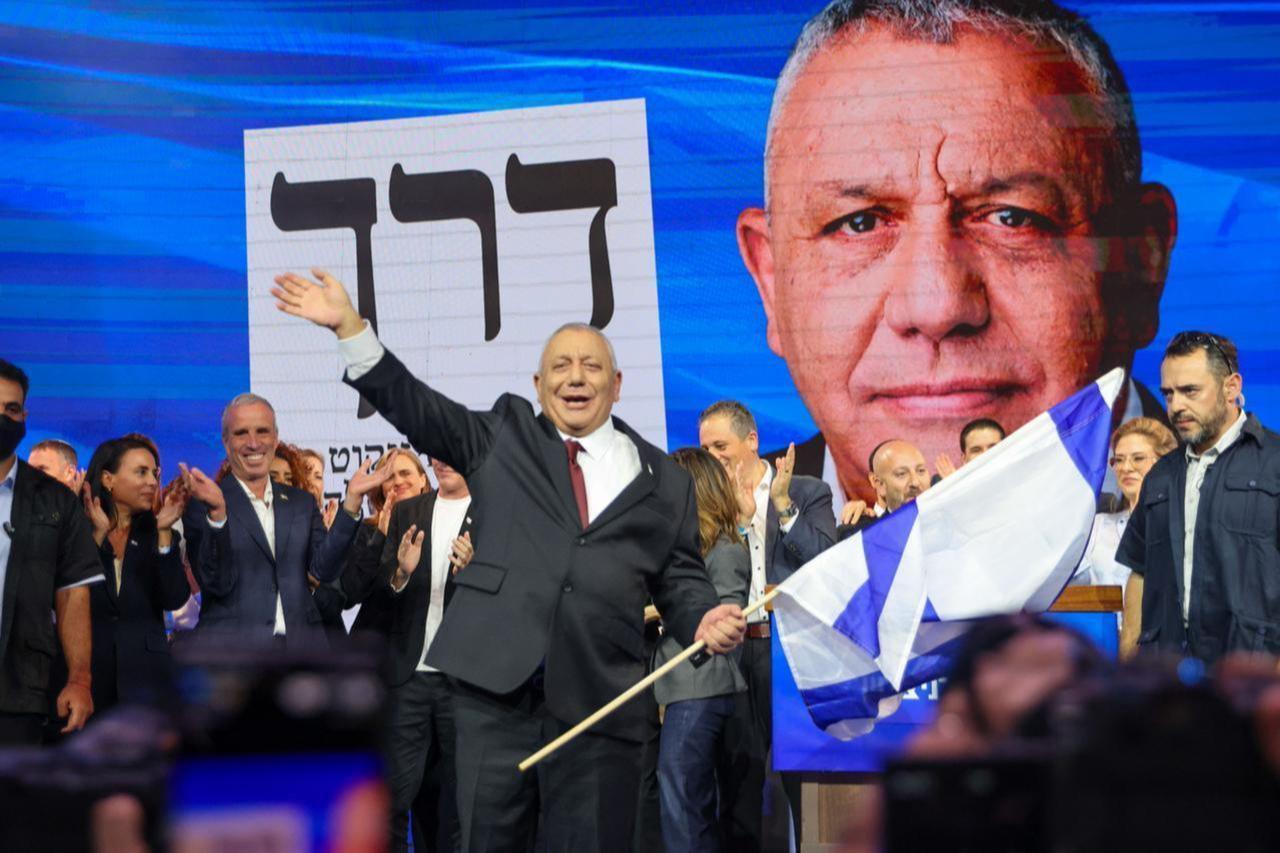

Earlier Wednesday, Gadi Eisenkot, the lawmaker tasked with forming Israel’s next government, cautioned Netanyahu against launching military or security operations that are not driven by an immediate threat, Israeli media reported.
Eisenkot, who leads the Yashar party and is a former military chief of staff, set out his concerns in a letter to the prime minister, according to the Ynet news website.
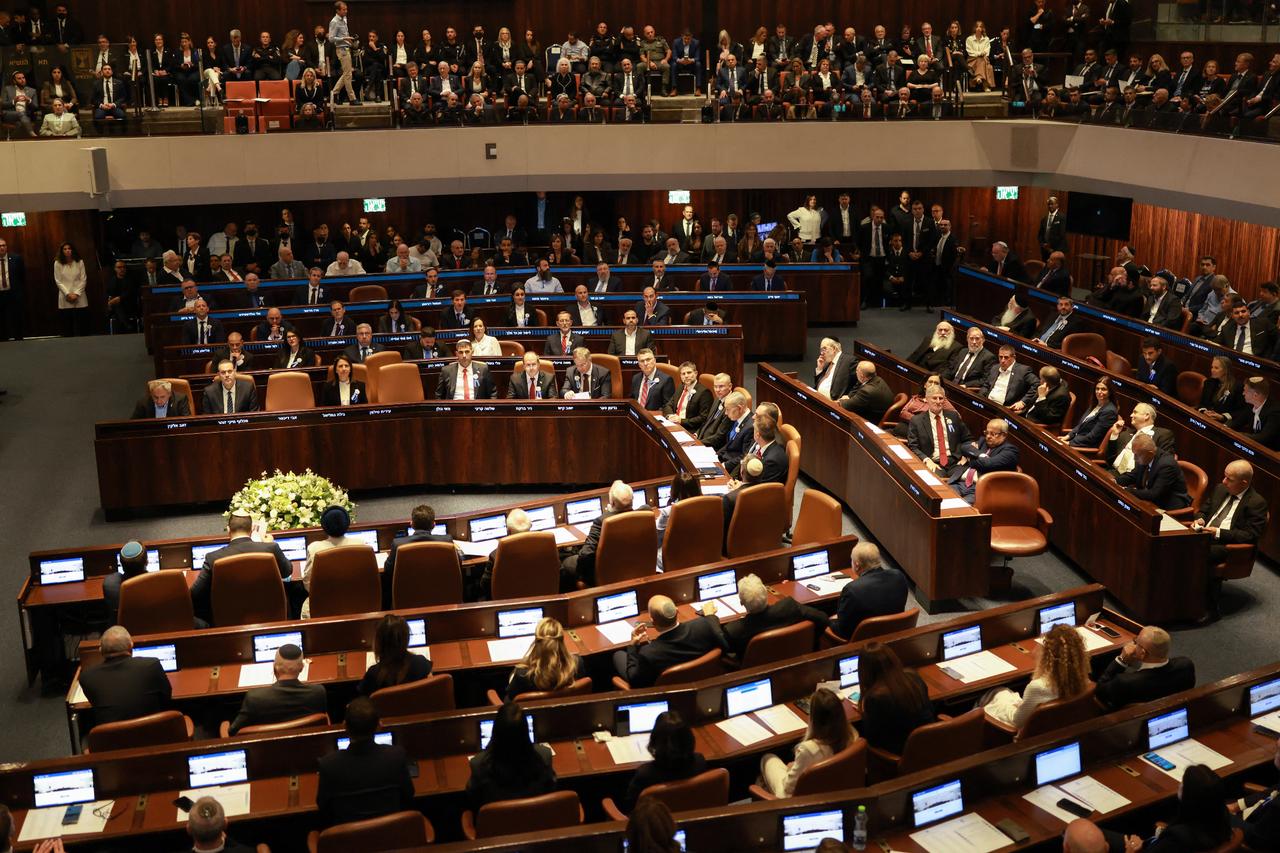
He argued that Netanyahu heads a caretaker government that no longer holds the confidence of the Knesset, Israel’s parliament.
“Only 46 Knesset members still support your continued tenure as prime minister,” Eisenkot wrote.
He said Netanyahu bore a responsibility to act with particular caution on security and national decisions during the politically sensitive transition.
Deploying security forces without “a direct and immediate threat that cannot be delayed” could have devastating consequences for Israeli democracy and public trust in government institutions, he warned.
Eisenkot urged the prime minister to show restraint and avoid “dangerous moves” that could wait until a government with the Knesset’s backing is sworn in.
President Isaac Herzog formally tasked Eisenkot with forming a government on Sunday, after factions representing 67 lawmakers recommended him.
Factions representing 46 lawmakers backed Netanyahu, and seven lawmakers declined to recommend either man.
The mandate followed Israel’s Oct. 27 election, which left neither main bloc with a majority in the 120-seat Knesset.
Netanyahu’s bloc won 53 seats, the opposition 48 and Arab parties 19. A governing coalition normally needs at least 61 seats.
Eisenkot has 28 days to assemble a coalition, with a possible 14-day extension.
Eisenkot’s task has been complicated by disputes among prospective partners over cooperation with Arab parties and over military service exemptions that ultra-Orthodox factions are demanding.
Eisenkot and Yisrael Beiteinu leader Avigdor Lieberman agreed Monday to pursue negotiations with the ultra-Orthodox parties. Lieberman has rejected forming a government that depends on Arab parties.
Yair Golan, leader of the Democrats party, said Wednesday that a new government could be formed within three weeks. He advocated cooperation with the United Arab List (Ra’am) and support from the Arab Joint List.


 Set as preferred source
 Set as preferred source


 1 min read

 1 min read