Newsletters


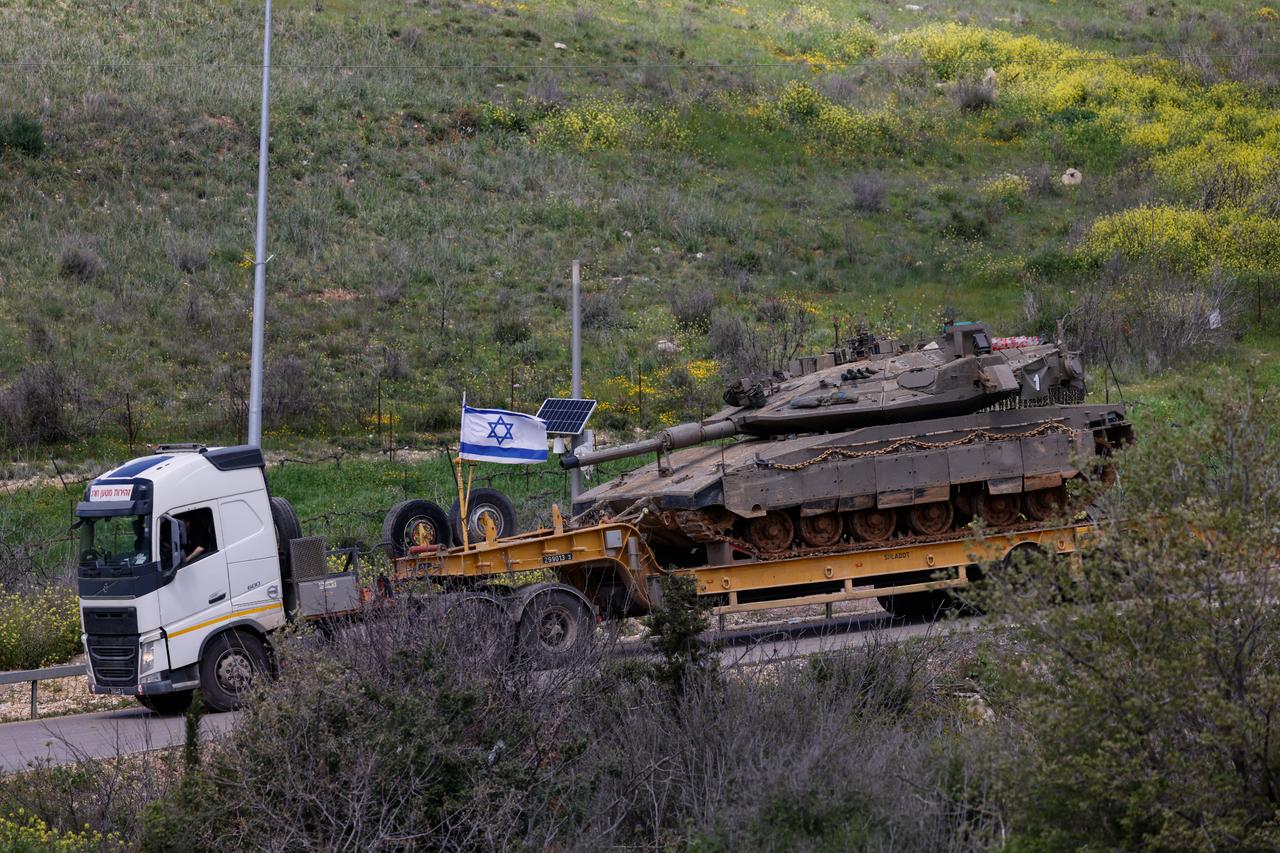


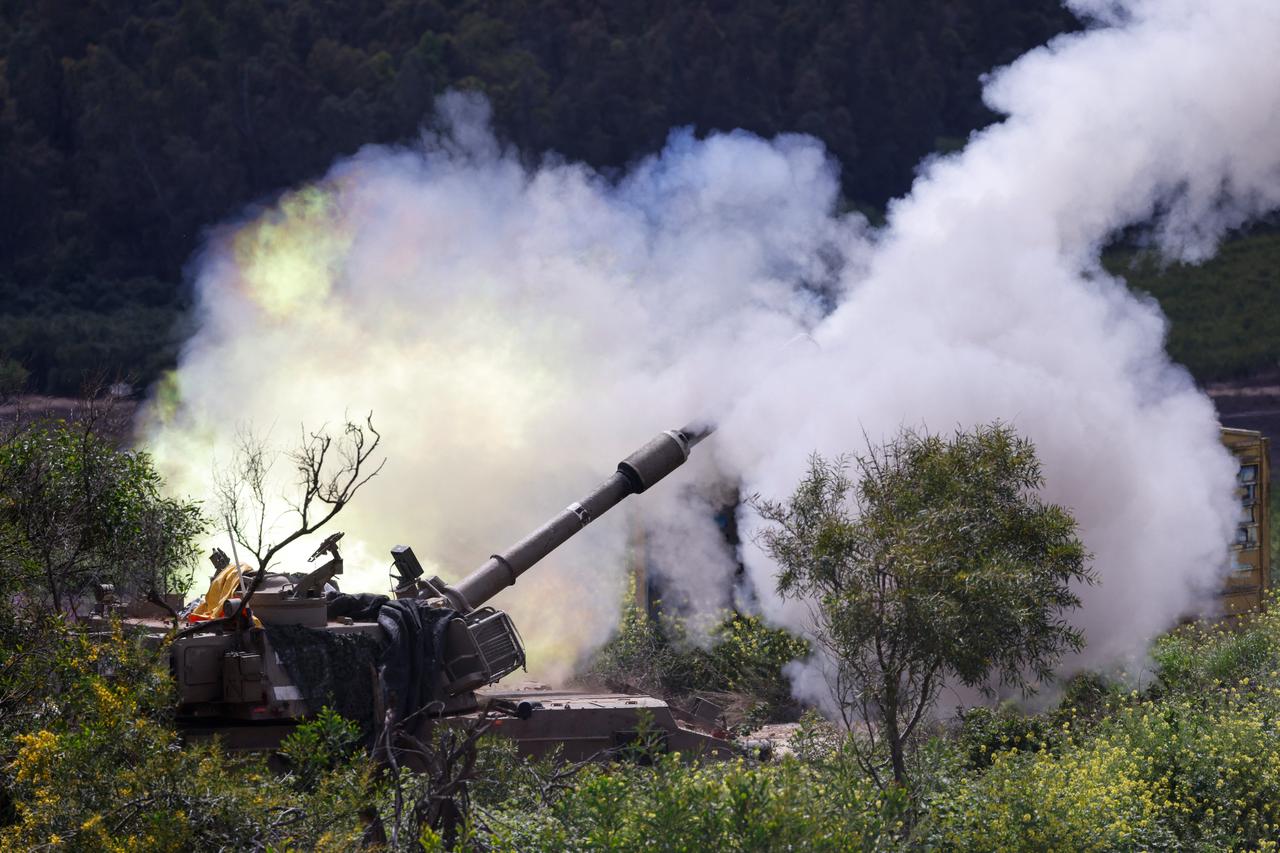
The Israeli army will present a plan to the government this week for the demolition of all villages and towns along the Lebanese border to establish a permanent "security zone."
The army will be extending 3 kilometers (1.86 miles) into southern Lebanon, barring displaced Lebanese civilians from ever returning, Israeli media outlet Maariv reported Friday.
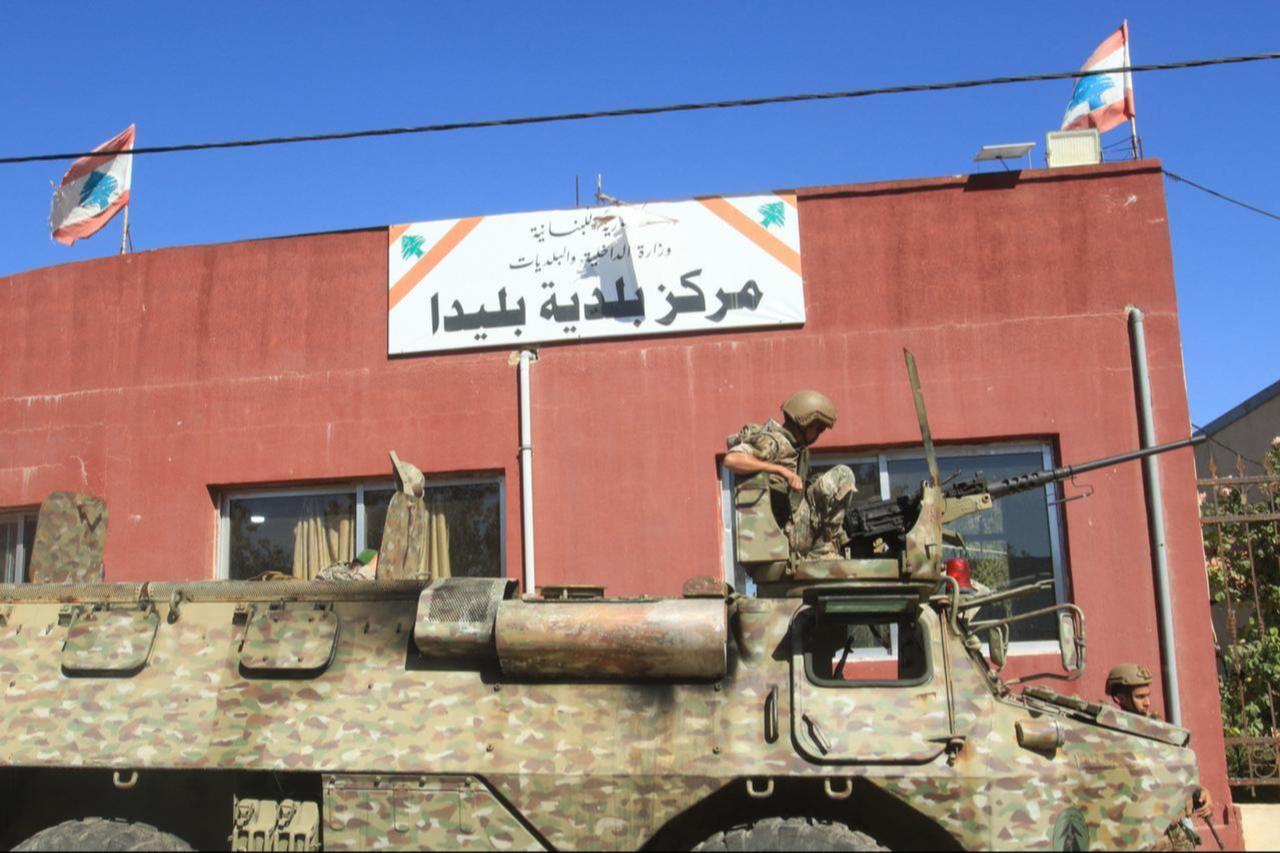
Under the plan, the Israeli army would be deployed along a "third line" positioned 8 kilometers from the border. All villages and towns within the zone nearest to the border would be demolished, and Lebanese residents would not be permitted to return.
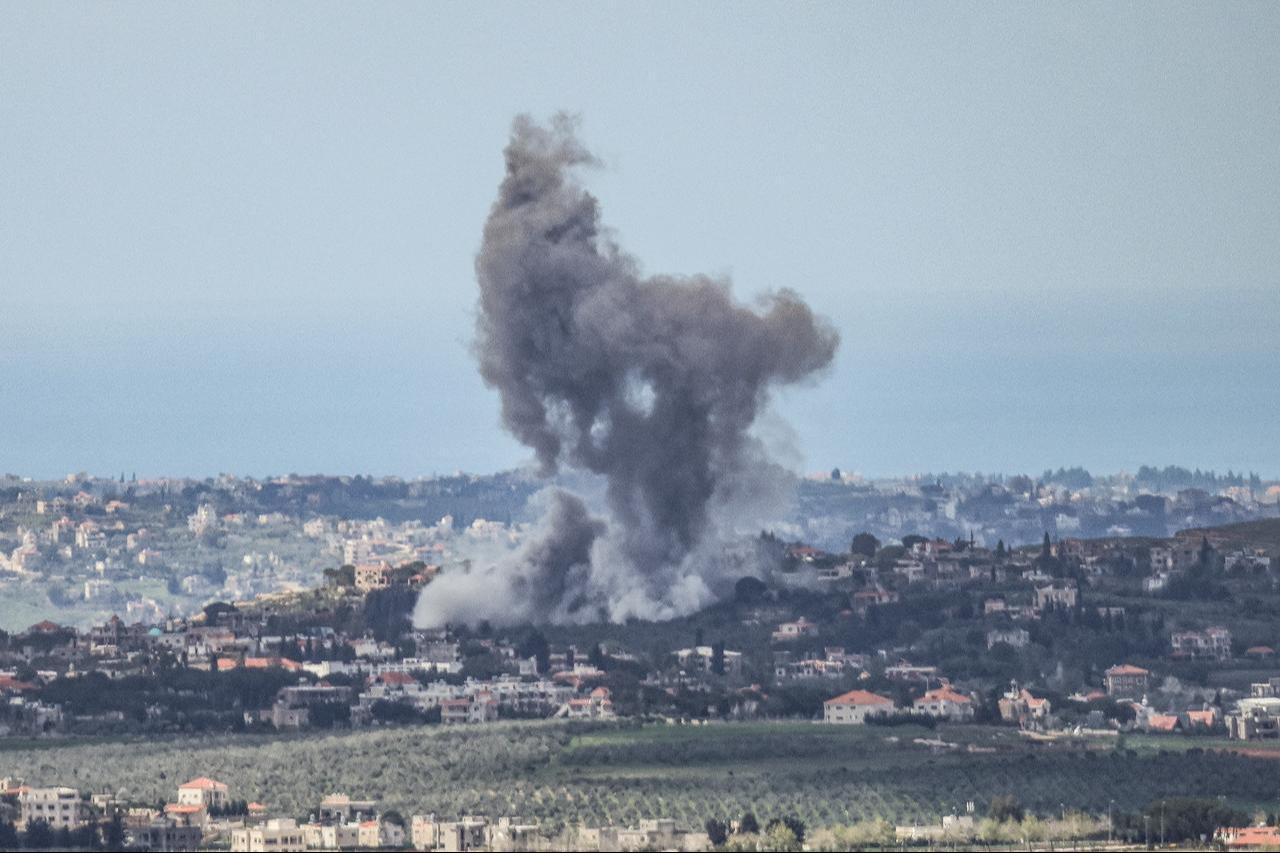

Israeli media reported that the Israeli government and military assess that once attacks against Iran end, more focus will be placed on Hezbollah and severing the group's connection with Tehran.
The Israeli army said the buffer zone plan was being coordinated with legal authorities and would be presented to the political leadership for approval. Defense Minister Israel Katz said the military would raze all buildings in the first line of villages and that civilians would not be allowed to return south of the Litani River until the threat from Hezbollah was removed.
The military's plan involves clearing all villages within a few kilometers of the border of Hezbollah infrastructure and establishing forward army positions.
The Israeli army said most of these villages were cleared during the last ground offensive in late 2024, but troops continue to find weapons and infrastructure in some areas, including elements established during the 2024-2026 ceasefire.
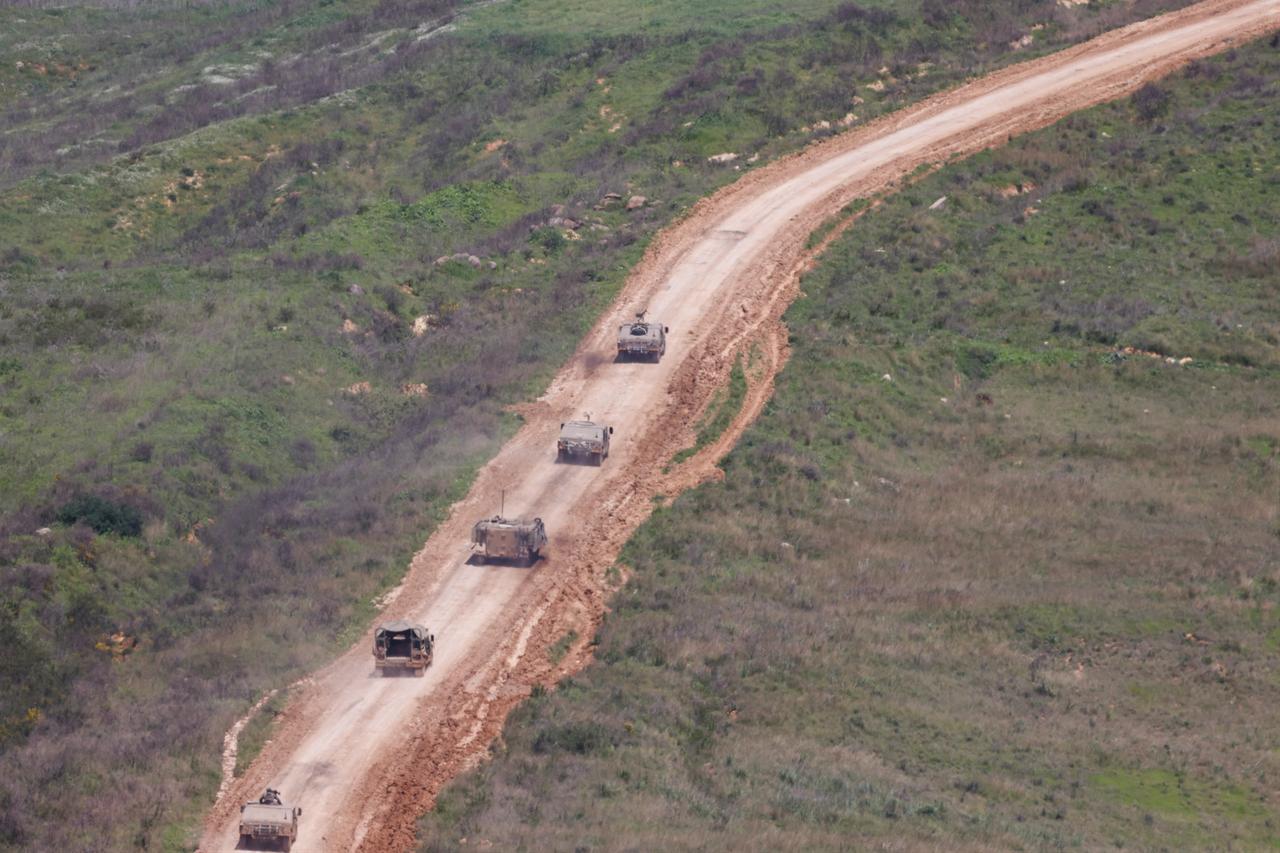
Military officials cited by the Israeli media acknowledged that fully disarming Hezbollah is "unrealistic" and would require "going through every village in Lebanon one by one."
As a result, the army does not expect to completely halt Hezbollah rocket fire, as most launches originate north of the Litani River. However, short-range projectiles are now largely directed at Israeli forces in southern Lebanon rather than civilian communities, the military said.
It's reported that Hezbollah is "deeply troubled" by Israel's intention to continue its offensive even after the war in Iran ends.
"We clarify that, as the chief of staff has said in the past, the Israeli army is committed to a long-term objective of disarming Hezbollah. This objective includes a wide range of efforts that will continue over time," the Israeli army says.
"The current campaign is causing blows to Hezbollah and weakening it, and will advance the achievement of this objective over time," the army adds.
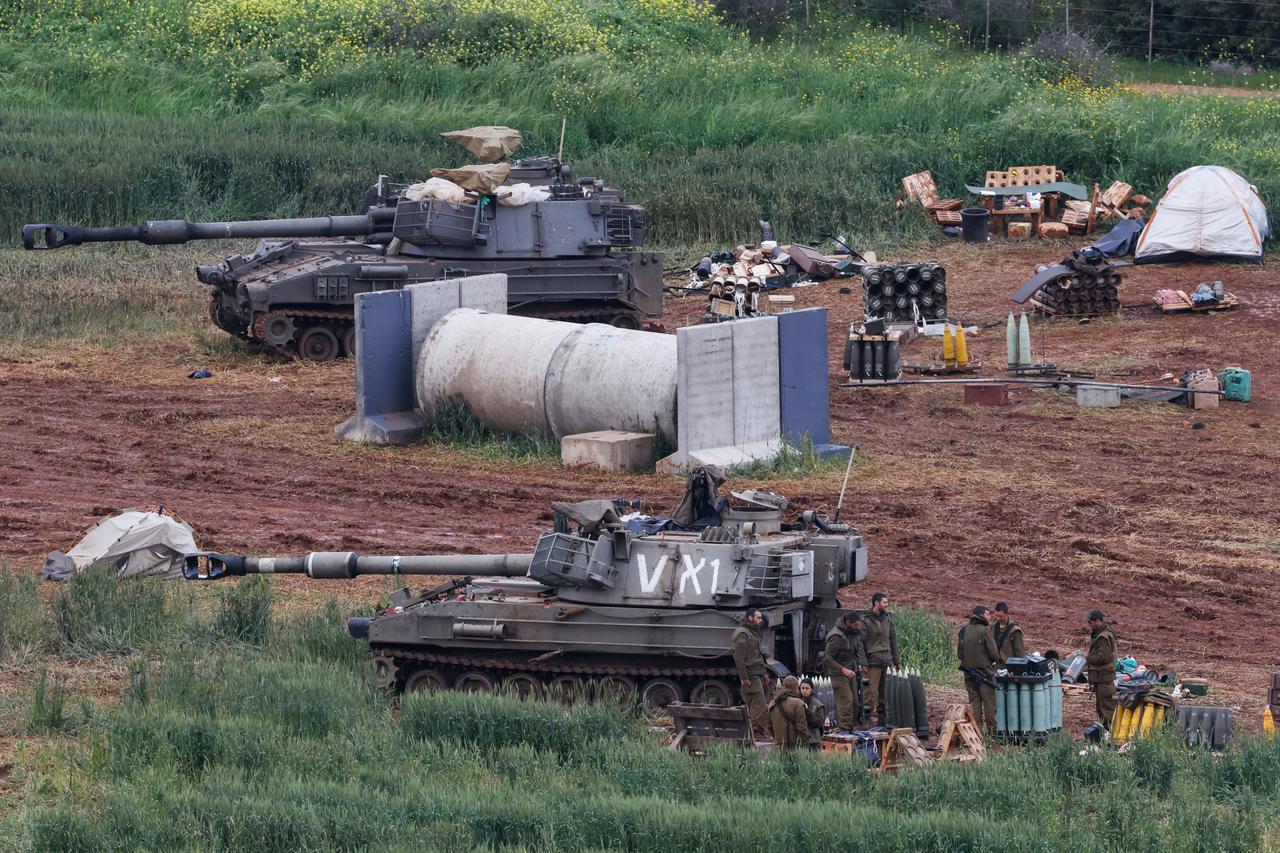
Hezbollah said Thursday it carried out 60 attacks in the past 24 hours against Israeli settlements, troops, military vehicles and bases, raising its total operations since March 2 to 1,250, according to Türkiye's state-run Anadolu Agency (AA) tally.
The group said it targeted six settlements in northern Israel, including Kiryat Shmona three times and Metula twice, and struck 40 gatherings of Israeli soldiers and vehicles, 25 in southern Lebanese border areas and 15 inside northern Israel.
Hezbollah also claimed it fired a surface-to-air missile at an Israeli helicopter over Ramieh, forcing it to retreat, and scored direct hits on two Merkava tanks near Khiam and Qantara as well as an Israeli D9 bulldozer.
The group said it struck seven military sites in northern Israel, including the Dado base, headquarters of the Israeli army's Northern Command near Safed.
Israeli media reported six people, including two soldiers, were injured in Hezbollah attacks and clashes in northern Israel and southern Lebanon on Thursday.
In a separate development, foreign ministers from 18 European countries issued a joint statement calling for an immediate end to Israeli attacks in Lebanon.
"Israeli military operations in Lebanon and Hezbollah's attacks must cease. We urge Israel to fully respect Lebanon's sovereignty and territorial integrity, and call on all parties, both Hezbollah and Israel, to halt military action," the ministers said.
They said approximately 1.2 million people, roughly a quarter of Lebanon's population, had been internally displaced, while more than 1,000 had been killed, the majority civilians, including children, aid workers and journalists.
The ministers stressed that Israel is obligated to comply with international humanitarian law, including the principles of distinction, proportionality and precaution.
Lebanese authorities said 1,345 people have been killed and 4,040 wounded in the Israeli assault since March 2.
The escalation came amid the joint U.S.-Israeli offensive on Iran, which has killed more than 1,340 people since Feb. 28.
Iran has retaliated with drone and missile strikes targeting Israel, U.S. bases and Gulf countries.


 Set as preferred source
 Set as preferred source


 1 min read

 1 min read