Newsletters


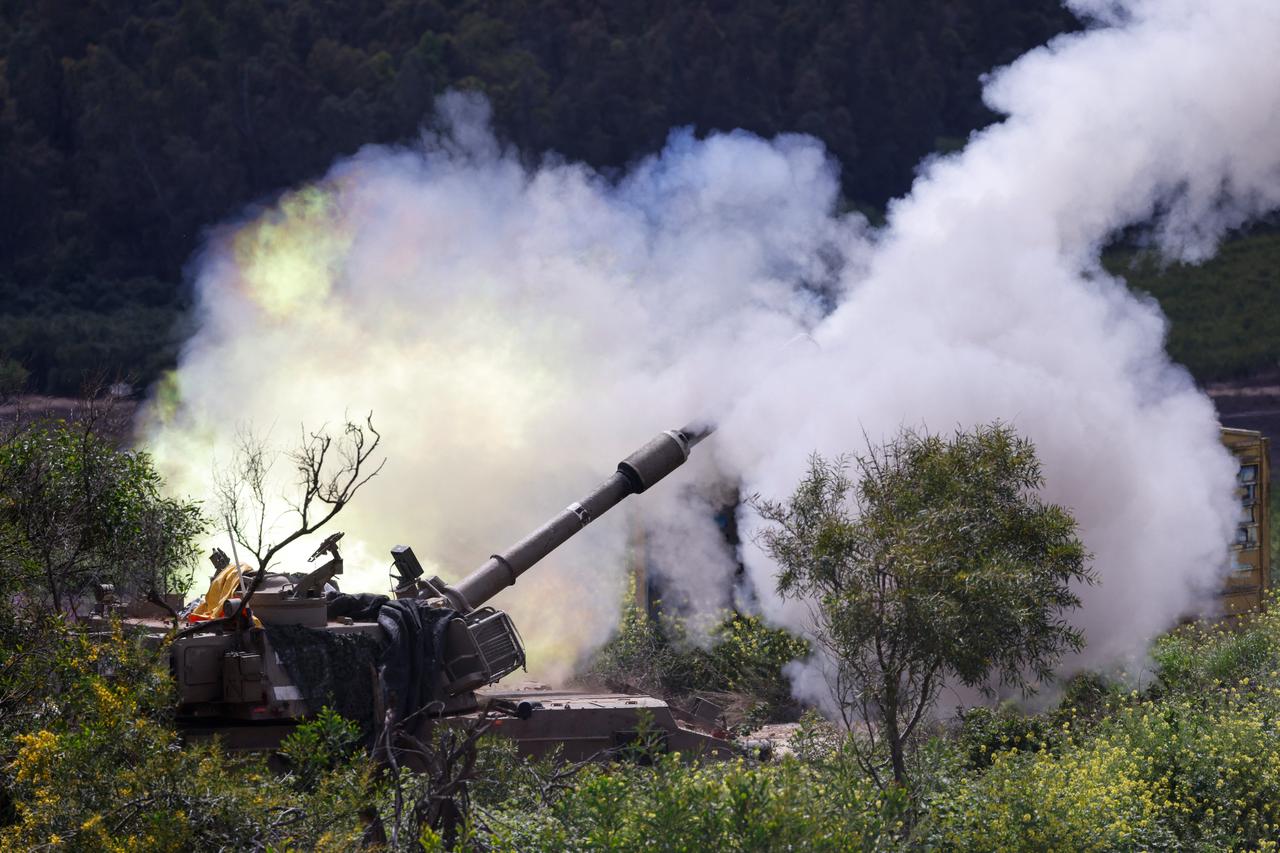


Israeli Defense Minister Israel Katz announced on Tuesday that the army will establish a "permanent security zone" in southern Lebanon up to the Litani River after the current war ends.
He added that the army will demolish all houses in Lebanese border villages following what he called the "Rafah and Beit Hanoun model" in Gaza and bar the return of over 600,000 displaced Lebanese residents until north Israel's security is guaranteed, as an Israeli army spokesperson said Tel Aviv is prepared to fight in Iran "for weeks to come."
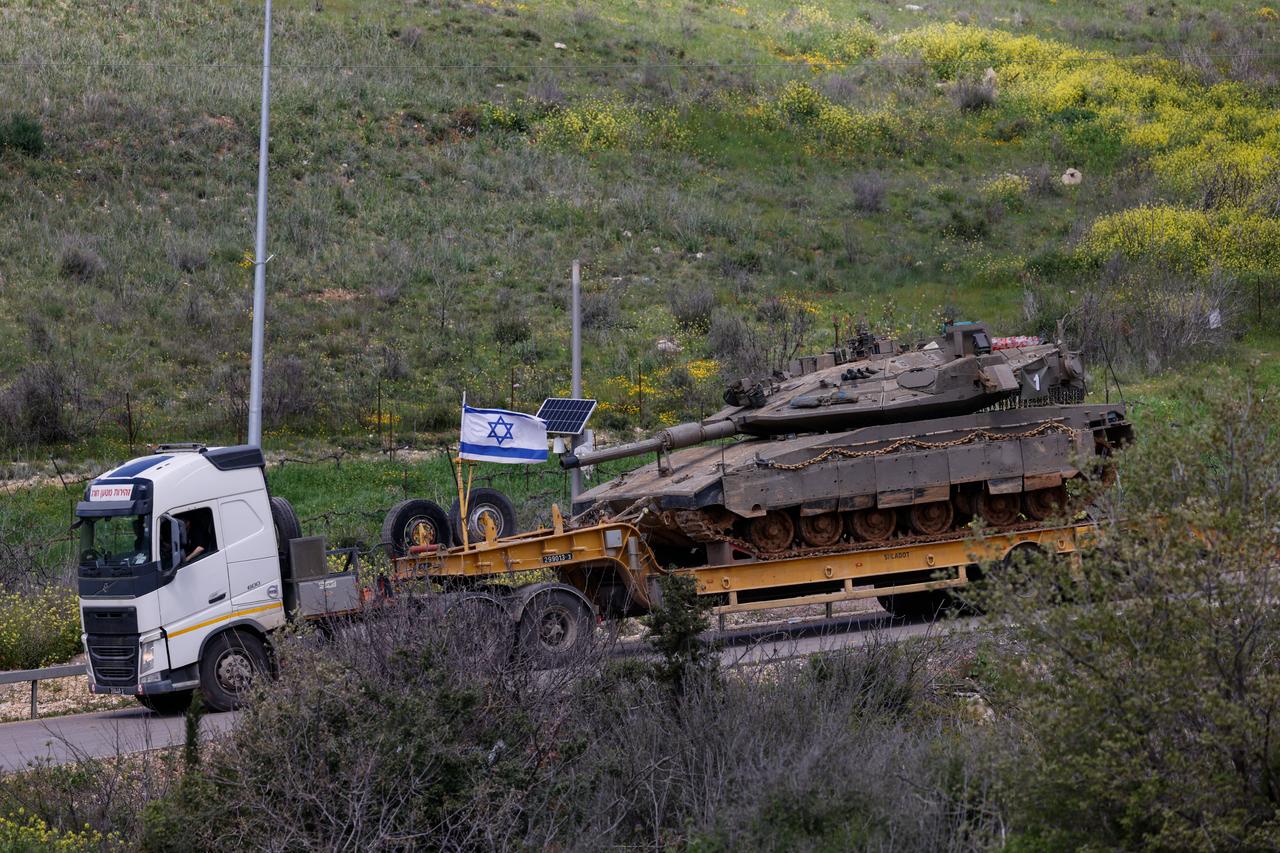

Katz said in a video statement published by his ministry: "At the end of the operation, the Israeli army will establish itself in a security zone inside Lebanon, on a defensive line against anti-tank missiles, and will maintain security control over the entire area up to the Litani."
He said the Israeli army will control the Litani bridges that remain.
The Litani River runs approximately 30 kilometers north of the Israeli-Lebanese border.
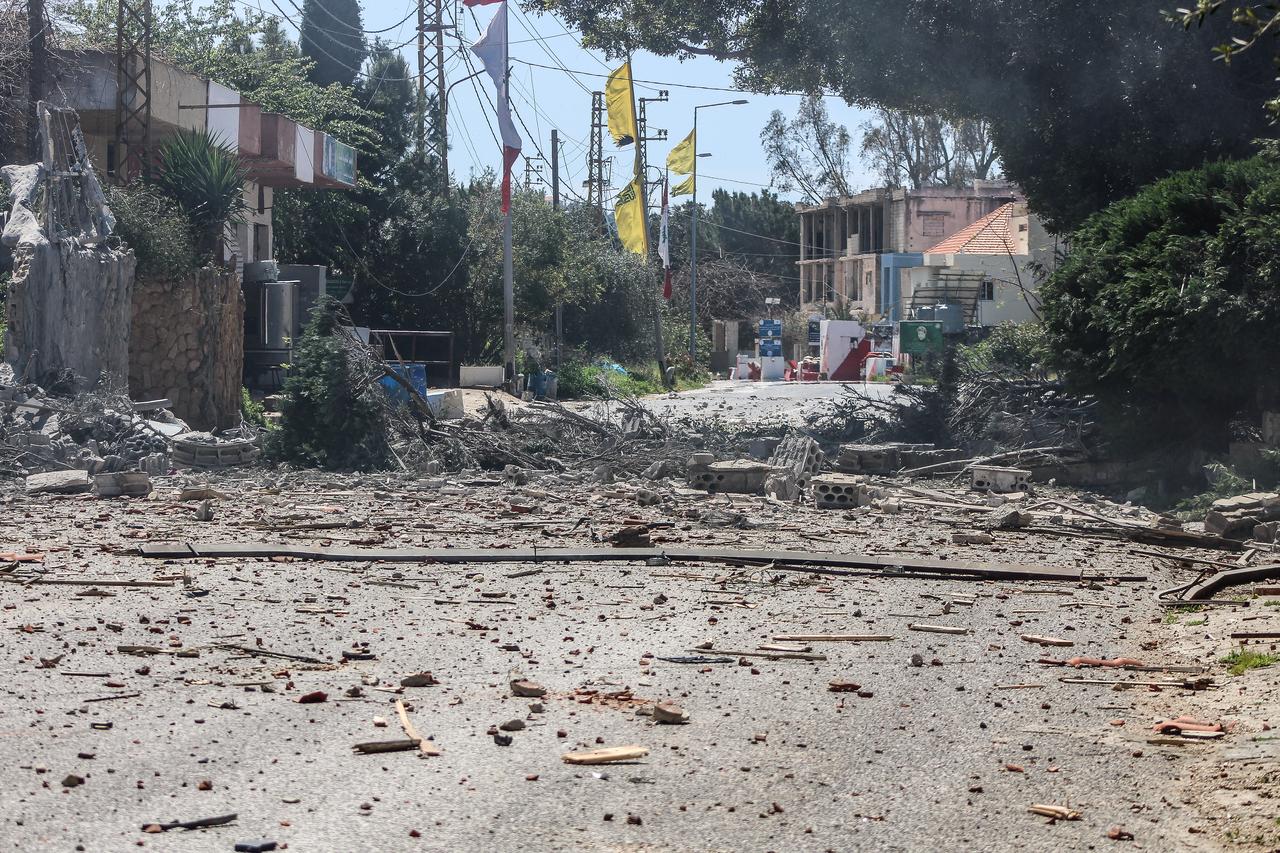
Katz outlined a demolition plan for Lebanese border communities.
"All the houses in the villages adjacent to the border in Lebanon will be demolished in accordance with the Rafah and Beit Hanoun model in Gaza, to remove once and for all the border-adjacent threats from the residents of the north," he said.
Israeli forces devastated Rafah and Beit Hanoun during their two-year war against Hamas in Gaza.
The return of over 600,000 Lebanese residents displaced from southern Lebanon will be "completely prevented," Katz said, until the safety of residents in northern Israel is guaranteed.
Lebanon's Disaster Management Authority said the total number of internally displaced persons in Lebanon now exceeds 1,162,000.
Katz said Israel's broader strategic objective in Lebanon mirrors its approach in Syria and Gaza.
"We are determined to separate Lebanon from the Iranian arena and to uproot the snake's fangs and remove Hezbollah's threatening capability and to change, once and for all, the situation in Lebanon with an Israeli army security presence wherever necessary through strict enforcement and complete deterrence, exactly as in Syria and Gaza," he said.
The Israeli army military spokesperson, Lieutenant Colonel Nadav Shoshani told journalists on Tuesday that Israel is "prepared to keep operating for weeks to come. We have the targets for that, the munitions for that, the manpower for that, and it's up to the leadership to decide."
Shoshani also said Hezbollah has fired "somewhere between 4,000 and 5,000 rockets, UAVs, missiles and mortars towards Israel" since the start of the war.
The remarks came after Prime Minister Benjamin Netanyahu said the war is "beyond the halfway point," clarifying this was not a reference to the timeline but to military goals achieved.
On Sunday, Human Rights Watch wrote to Katz expressing "grave concerns about recent statements made by Israeli officials that undermine respect for international humanitarian law."
The letter said, "Using the denial of civilian return as a bargaining tool constitutes forced displacement, which is prohibited under the laws of war and a possible war crime."
cited Katz's March 16 comments threatening to prevent the return of people from south of the Litani.
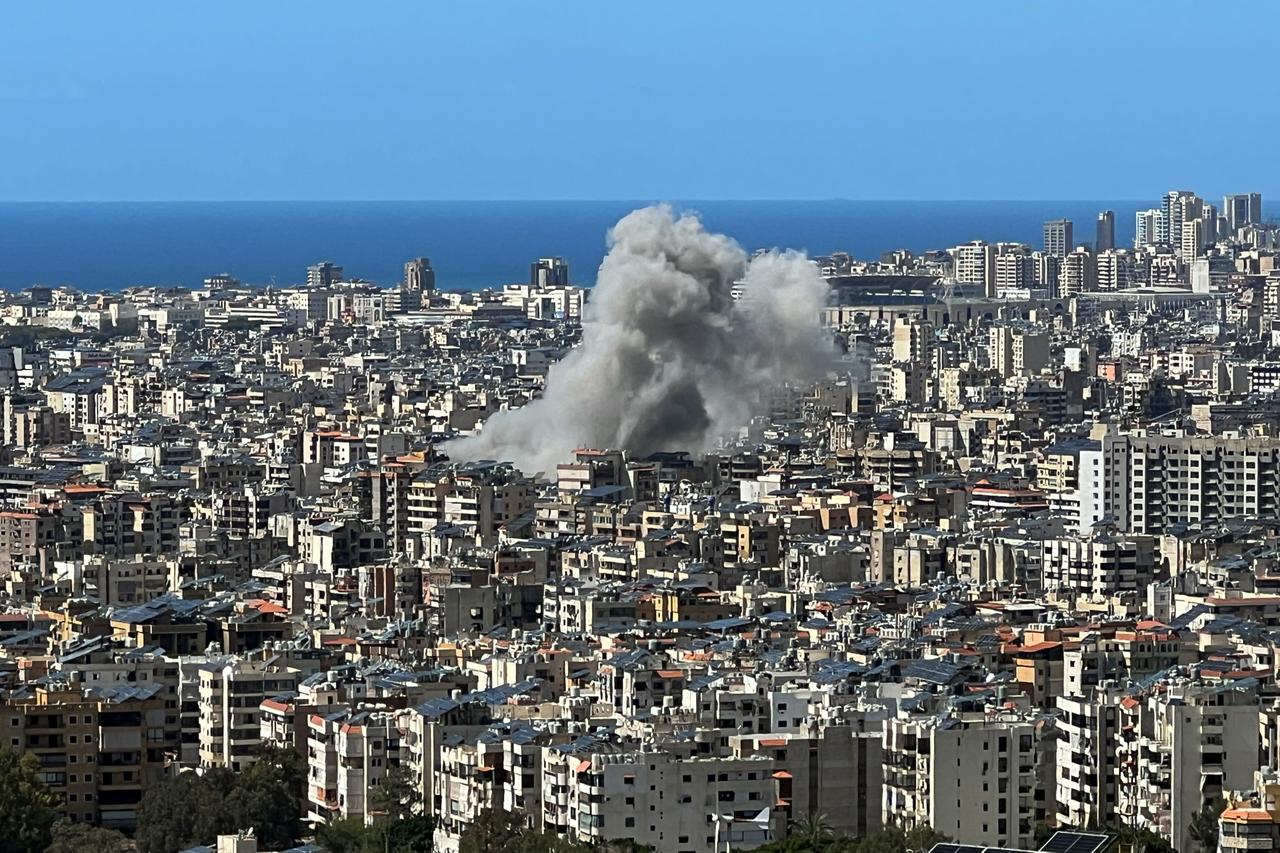
Lebanese authorities report over 1,247 people killed and 3,690 injured since Israeli attacks began on March 2.
The conflict in Lebanon was triggered when Hezbollah fired rockets at Israel on March 2 in solidarity with Iran following the opening U.S.-Israeli strike that killed Supreme Leader Ali Khamenei.
The broader U.S.-Israeli offensive against Iran has killed more than 1,340 people since Feb. 28.


 Set as preferred source
 Set as preferred source


 1 min read