Newsletters


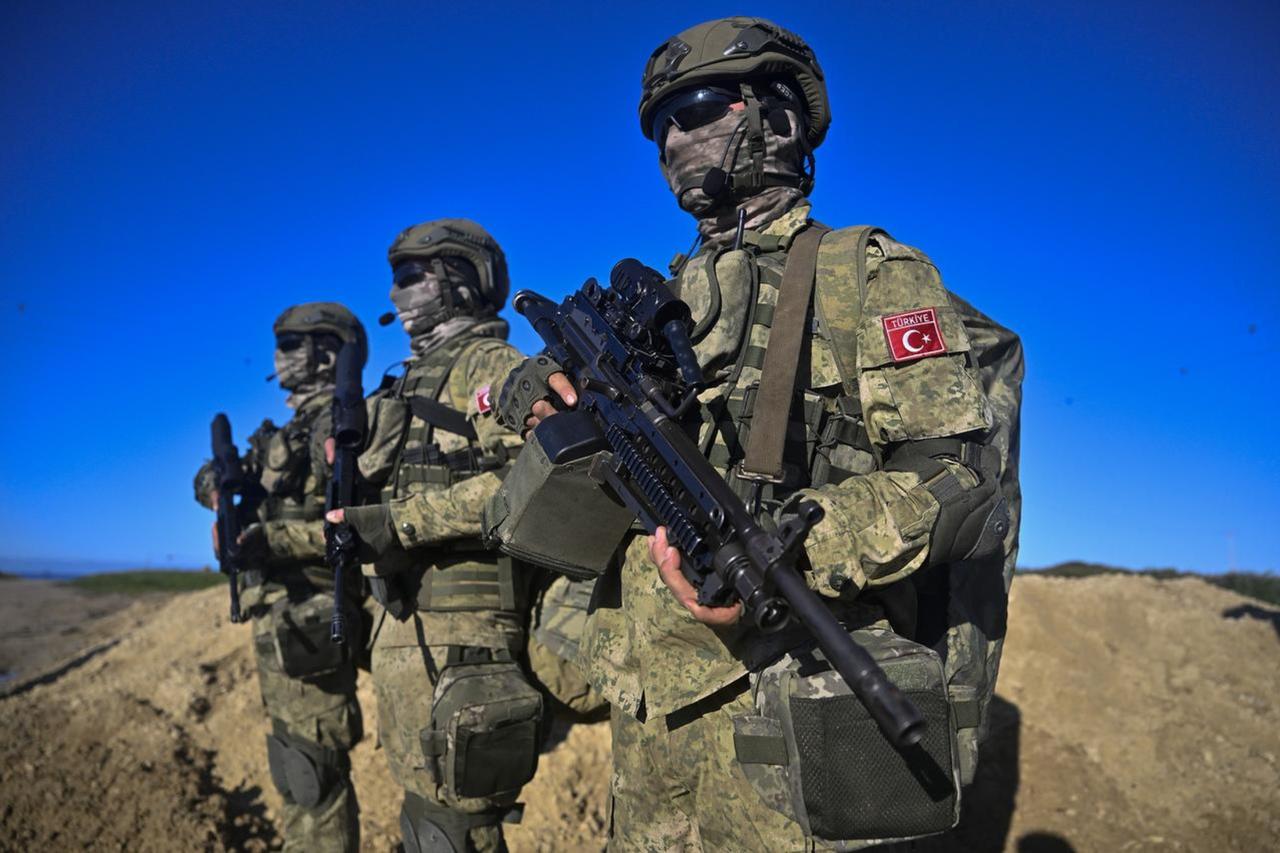


Following the announcement of Trump’s plan for Gaza and the progress made during the initial phase, the proposed deployment of an International Stabilization Force (ISF) in Gaza has become a central element of what is referred to as “Trump’s Gaza Peace Plan.”
While the U.N. Security Council (UNSC) has authorized this force through Resolution 2803, the specific composition of the troops—particularly the inclusion of Türkiye—remains a significant point of diplomatic contention between Ankara, Washington, and Tel Aviv.
Türkiye has played a prominent role in the first phase of the Gaza agreement and has expressed a strong willingness to deploy its military to Gaza as part of a stabilizing force. The Turkish Ministry of Defense has confirmed that the Turkish Armed Forces (TAF) are "ready to undertake any tasks assigned" for the maintenance of peace under international law. The ministry highlighted that “The Turkish Armed Forces, which have participated in numerous international missions established by various organizations to ensure peace and security across different regions, have earned the respect of all parties with their professionalism and fair conduct.”
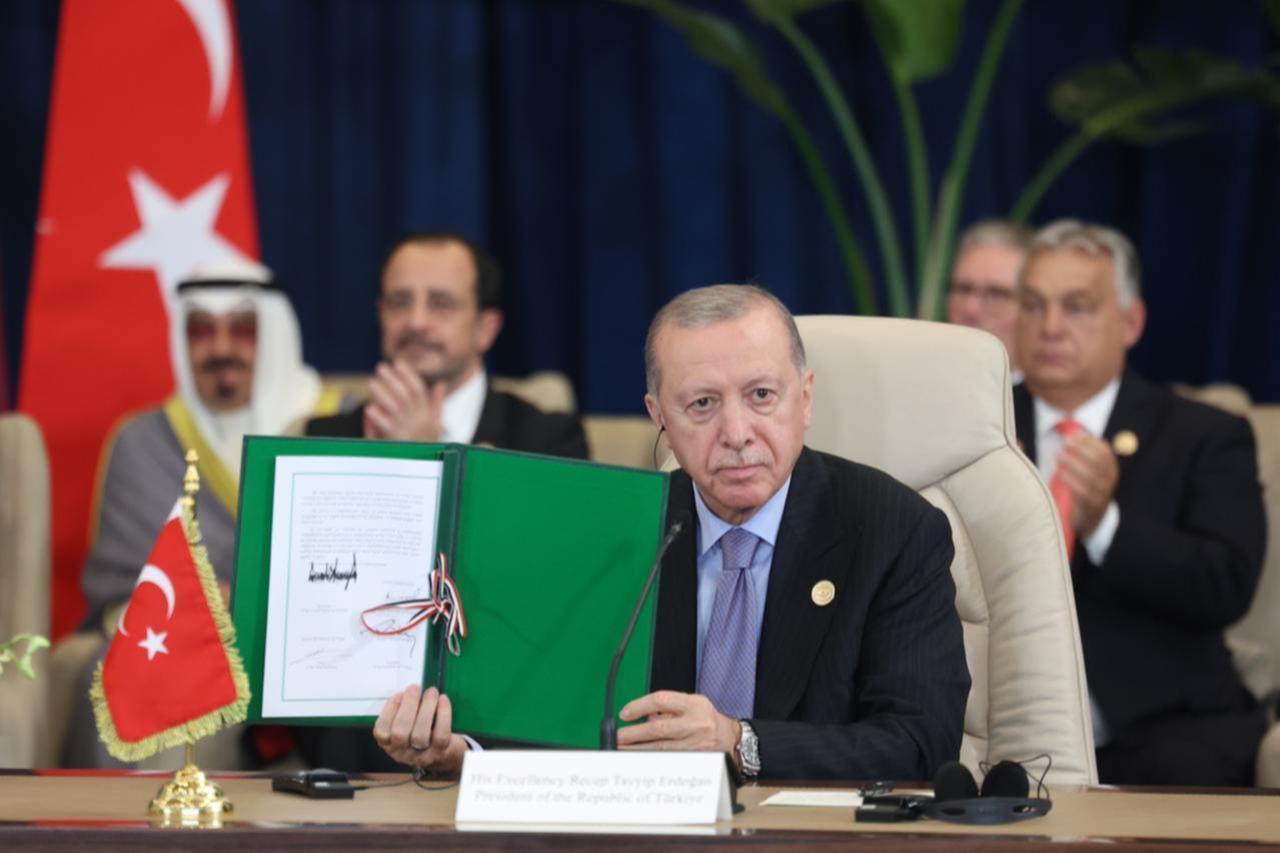
President Recep Tayyip Erdogan and Foreign Minister Hakan Fidan have framed this initiative not merely as a security measure but as a "guarantor" of Palestinian statehood. In other words, it is part of a framework intended to contribute to a comprehensive, just, and sustainable peace, ultimately leading to the realization of a two-state solution.
Israel, however, categorically rejects the deployment of Turkish troops in Gaza. For so long, Israel rejected any kind of Turkish involvement in the Palestinian issue. When the Israeli war against Gaza erupted in 2023, Ankara suggested a “Guarantor System” for ending the Gaza war, but both Israel and the administration of Biden rejected it to make sure Ankara is not involved and banked on other regional countries.
Nevertheless, since the Turkish role became a fact, several Israeli officials have voiced their objections to the deployment of Turkish troops in Gaza and communicated their stance to the U.S. administration of Trump. A senior Israeli official asserted, “The foot of a Turkish soldier will not set foot in Gaza.” During discussions at the Doha Forum, Türkiye’s Foreign Minister, Hakan Fidan, was asked whether Israel vetoes Ankara’s participation in the ISF, which is crucial for the success of the second phase of the Gaza agreement. The Turkish Foreign Minister correctly responded that Netanyahu has openly stated his opposition to Turkish troops.
Ten days later, on Dec. 16, 2025, the United States Central Command hosted a conference in Qatar to discuss plans for the ISF, including its command structure and other unresolved issues.
The U.S. invited over 45 countries, most of which are pro-Israel, with a few exceptions such as Pakistan, Indonesia, Qatar, Kuwait, and Spain.
Ironically, while Yemen was reportedly invited, Türkiye—a major and influential regional power—was excluded, likely at the request of Israel.
On Dec. 18, 2025, Colonel (res.) Itamar Yaar, former deputy head of Israel’s National Security Council, urged that Israel must ensure Türkiye does not send troops to Gaza, as this would limit Israel’s operational capabilities. This position reflects the official stance of Israel and is widely shared among Israelis. To mask their true intentions, Israeli officials often justify this stance with dubious claims, such as labeling Türkiye as a "Muslim Brotherhood country" or asserting that it is led by hostile elements.
However, as this topic becomes a central bottleneck in the post-ceasefire architecture and is essential to the potential success of Trump's plan for Gaza, it is only natural to question why Israel truly rejects the deployment of Turkish troops. Three main reasons explain Israel's objection to Türkiye’s role:
First, Israel does not want a genuine stabilizing force. Historically, Israel has preferred either proxy forces, mercenaries, or decorative contingents that merely legitimize its policies of occupation and genocide.
Moreover, Israel seeks such forces to accomplish tasks it has failed to achieve during two years of unprecedented military campaigns against Gaza, specifically disarming Hamas, without addressing the root cause of ongoing conflicts, which is the occupation and the prevention of Palestinian statehood.
Second, Israel understands that Türkiye, under President Erdogan, is not a minor player that can be employed as a proxy to legitimize Israel’s de facto policies of occupation and genocide.
Türkiye is an increasingly proactive regional power with significant historical and geographic depth, a powerful military, and institutions, along with unmatched regional popularity and legitimacy—especially in comparison to other actors like Israel and Iran.
Third, the deployment of Turkish troops would mean that Ankara becomes a permanent part of the equation regarding Palestine, necessitating serious commitments from all involved parties.
This scenario complicates matters for Israel, which prefers to maintain the status quo, avoiding any movement toward a resolution, whether by ending the occupation or recognizing a Palestinian state.
However, because Israeli officials cannot openly state these reasons for opposing the deployment of Turkish troops, they create and promote a misleading narrative that Türkiye is a Muslim Brotherhood (MB) state or a hostile nation.
By doing this, they hope this will shift the focus from Israel's intentions to their narrative. Such a strategy often resonates in the West, where there is an audience—comprising government officials, elites, experts, and media—subconsciously ready to receive the Israeli message.
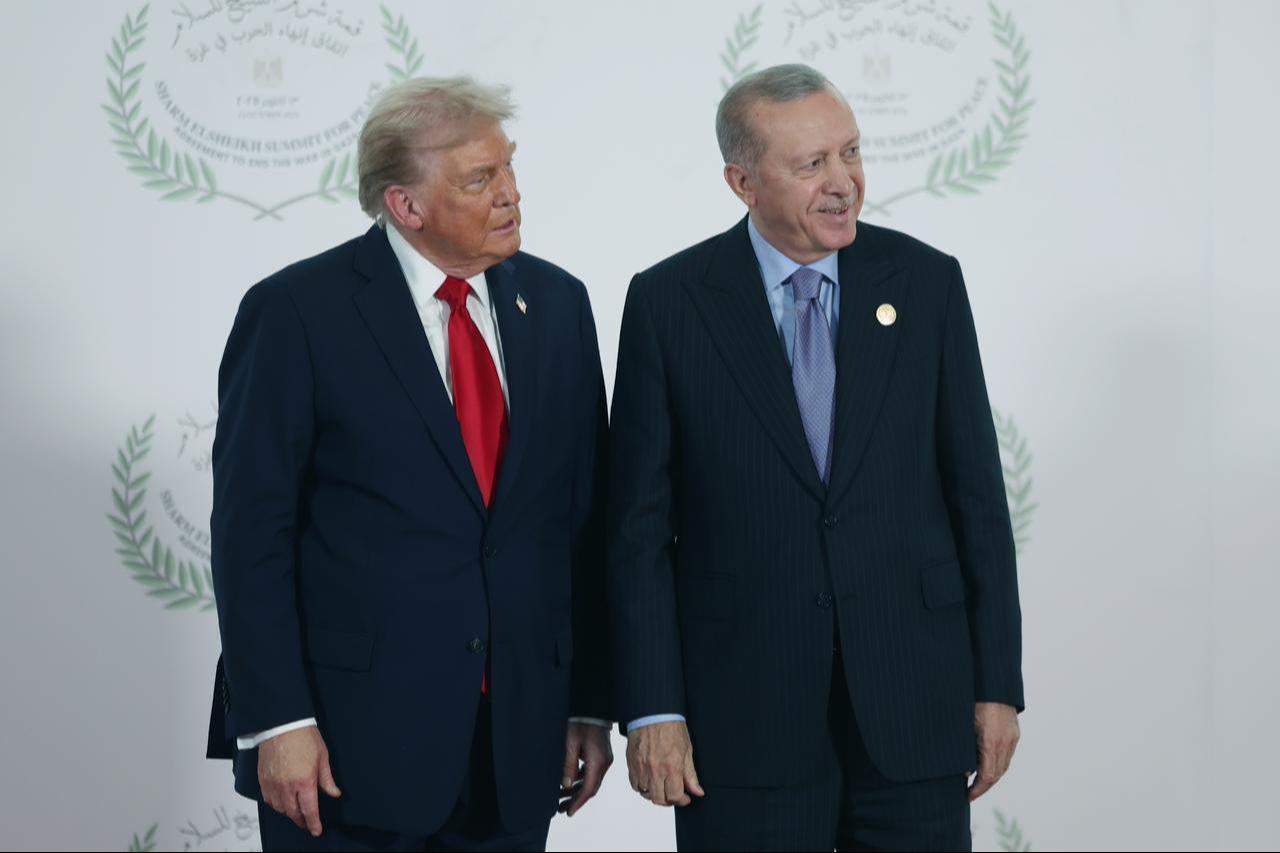

The United States finds itself caught between these irreconcilable positions. Washington recognizes that an ISF lacking legitimacy in the Muslim world is unlikely to function effectively.
At the same time, as U.S. politics and Congress are increasingly hijacked by the pro-Israel lobby, there is a sense that they must accommodate Israel’s position, even when Washington projects the image of disagreement on certain issues.
The Trump administration’s decision to designate Türkiye as one of the ceasefire’s guarantors reflects an attempt to reconcile these conflicting interests by leveraging Turkish credibility with Palestinians while deferring the politically sensitive question of actual troop deployment. Yet, as phase two approaches, this ambiguity is no longer sustainable.
A force without Türkiye would struggle to encourage participation from Muslim nations and would certainly lack the legitimacy, capacity, political weight, and regional depth necessary to play a responsible role in stabilizing the situation and paving the way for a sustainable solution.
Conversely, a pro-Israeli force would be perceived as a proxy for Israel, regarded as an occupation force tasked with accomplishing what Israel has failed to achieve. In such an environment, there would be little chance for this force to operate effectively, let alone succeed in its mission.
This is why Türkiye’s exclusion could be detrimental to phase two. Without Ankara, the ISF risks being rejected. The likely outcome would be a “Permanent Phase One”—an indefinite “ceasefire” that allows Israel to continue its bombardment and killings of Palestinians at any time, maintain partial occupation, stall reconstruction efforts, obstruct aid delivery, and perpetuate chronic instability.
Such an outcome would represent a strategic failure for the Trump and further entrench Gaza as an open wound in the regional order, while conveniently aligning with Israel’s interests—another reason for its refusal to accept Turkish troops or any involvement from Türkiye.
For Türkiye, the Gaza situation presents a classic high-risk, high-reward dilemma.
On the positive side, leading or anchoring a stabilization force would elevate Türkiye to the role of principal guarantor and protector of Palestinian interests—alongside Qatar and Egypt, the three signatories of Trump’s plan—reinforcing Türkiye’s carefully cultivated image across the Muslim world. It would also serve as a reset mechanism in U.S.–Türkiye relations, providing Ankara with leverage on unrelated but strategically vital issues such as defense cooperation and its role in Syria.
Most importantly, this guarantor status would institutionalize Türkiye’s presence in the Israeli-Palestinian dossier for years to come.
However, the risks are significant if Israel decides to continue manipulating, derailing, or distorting Trump’s plan, as it has done so far.
Given that Israel has historically disregarded agreements and laws with various parties, including established international law, there remains a risk that, in the absence of enforceable measures against Israel and pressure on Israeli officials to demonstrate serious commitments, Turkish troops could be exposed to Israeli attacks under various pretexts, including claims of mistaken identity.
Any significant Turkish casualties would force President Erdogan into an impossible dilemma: confront Israel and risk a broader conflict, or absorb the loss and appear weak domestically. Either scenario carries substantial political costs.
Whether the potential deployment of Turkish troops serves as a means of empowerment or becomes an Israeli trap will depend on the framework of their deployment. The U.N. resolution, in its current form, is insufficient and would not deter Israel if it chooses to violate it. Without U.S. pressure and accountability for Israeli crimes and violations, there remains a risk that must be carefully mitigated by creating a proper and mandatory framework that holds Israel accountable for its violations.


 Set as preferred source
 Set as preferred source


 1 min read
 1 min read