Newsletters




Israel declined on Thursday to commit to withdrawing troops from additional areas of southern Lebanon until the Lebanese army demonstrates full control over two initial "pilot zones," a Lebanese presidential source told AFP, casting a shadow over the seventh round of US-brokered negotiations held in Rome.
The talks, aimed at ending hostilities between Israel and Hezbollah that opened a second front in the broader Middle East war, produced no breakthrough on the central sticking point, according to the Lebanese source, who spoke on condition of anonymity. The talks had "not yielded definitive results regarding the pilot zones," the source said.
The assessment from the Lebanese side stood in contrast to that of the US State Department, whose spokesperson described the negotiations as "productive." A US official went further, saying "the two sides are a lot closer on what needs to be done to advance and expand the pilot zone process."
The gap in tone underscored the difficulty of translating a broader framework into concrete steps on the ground. Under a deal reached in June, Israel and Lebanon agreed to a phased process involving Hezbollah's disarmament, a gradual Israeli troop withdrawal from southern Lebanon, and the deployment of the Lebanese army to the border region, beginning with two designated pilot zones.
The Lebanese army began moving into the first pilot zone on July 21, taking up positions in a southern village whose outskirts had been under Israeli military control. It has since strengthened its presence in the second zone as well.
"Lebanon is keen to move on to new areas, whereas the Israeli side insists on verifying [the implementation in] the first two zones before proceeding to the next stage," the Lebanese source said.
An Israeli official pushed back against any suggestion of automatic expansion, saying the plan would only be broadened if the government in Jerusalem sees results.
"Since the pilot began only about two weeks ago, it is still too early to assess its performance," the official said, adding that "at this stage, there is no immediate expectation that it will be expanded."
Despite the impasse over timing, the Lebanese source noted one area of progress: negotiators reached agreement on a shortlist of countries that could be tasked with overseeing implementation of the pilot zones. The pilot program is widely seen as the first practical test of whether the broader framework agreement can hold.
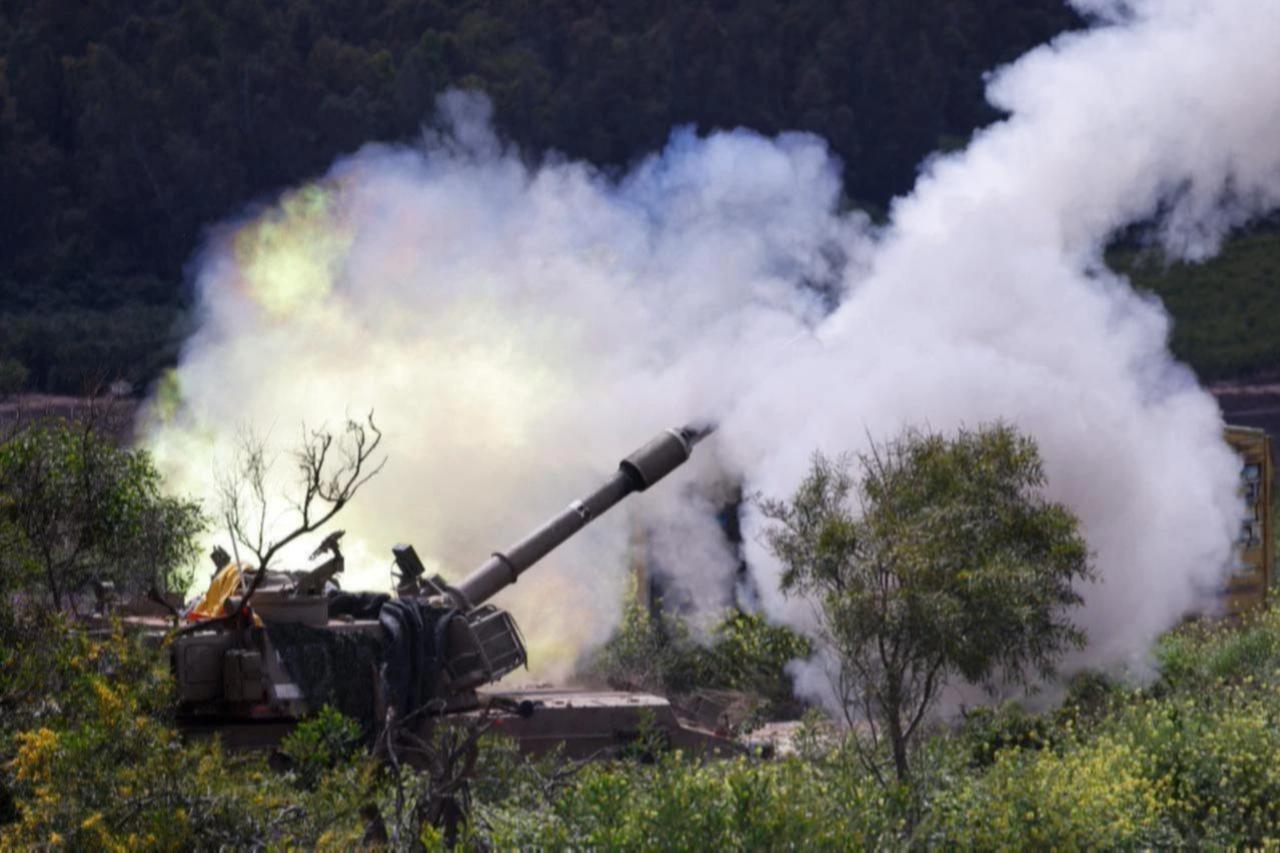
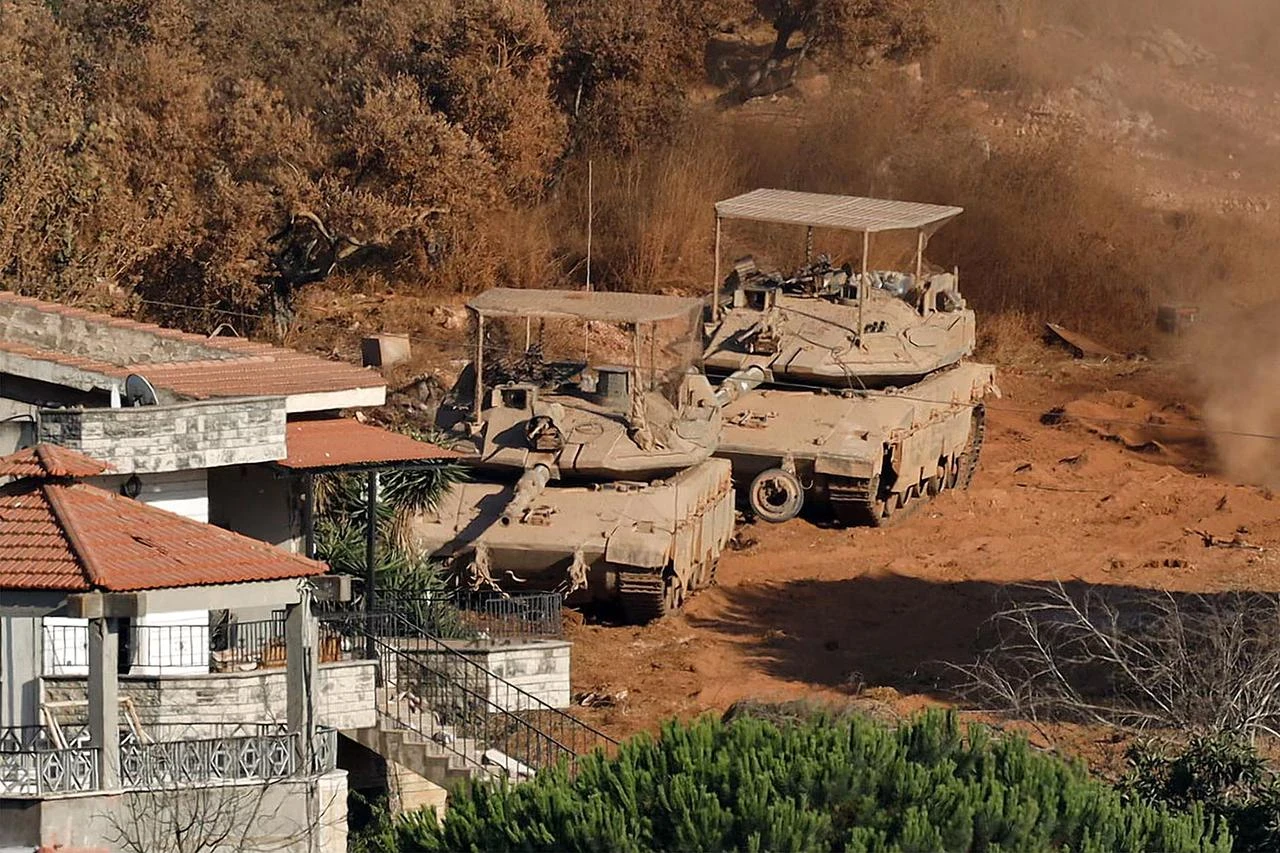
The diplomacy in Rome unfolded even as the Israeli military carried out strikes in southern Lebanon on Thursday, which it described as retaliation for the deaths of two soldiers in an explosion the previous day.
Hezbollah, which is not a direct party to the talks, has repeatedly rejected the negotiations and continues to refuse to surrender its weapons.
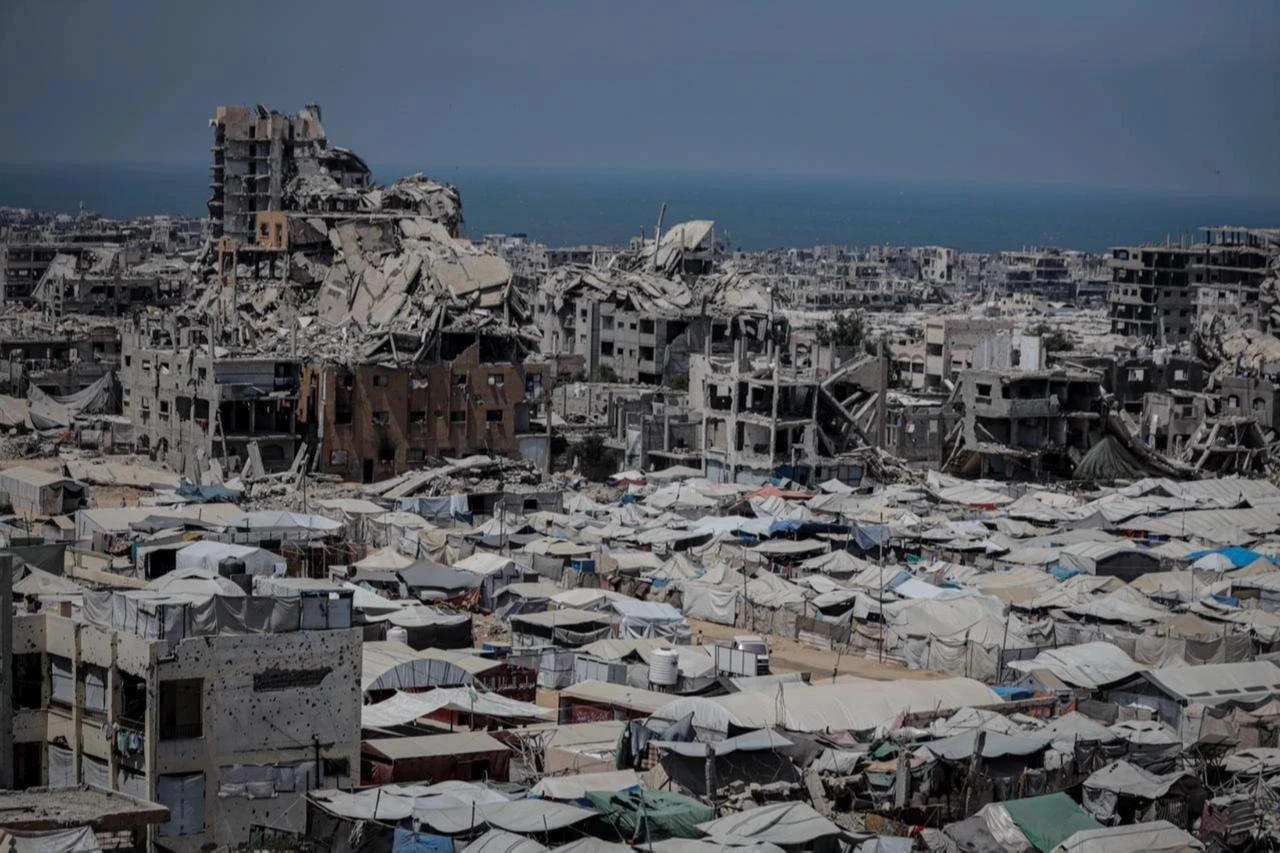
The Iran-backed group drew Lebanon into the wider Middle East war in March, firing rockets into Israel in a show of support for Tehran. Israel responded with a sustained air campaign and a ground invasion that, according to Lebanese authorities, has killed more than 4,300 people. Israel's military has reported 40 soldiers and one civilian contractor killed since the fighting began.


 Set as preferred source
 Set as preferred source


 1 min read
 1 min read