Newsletters


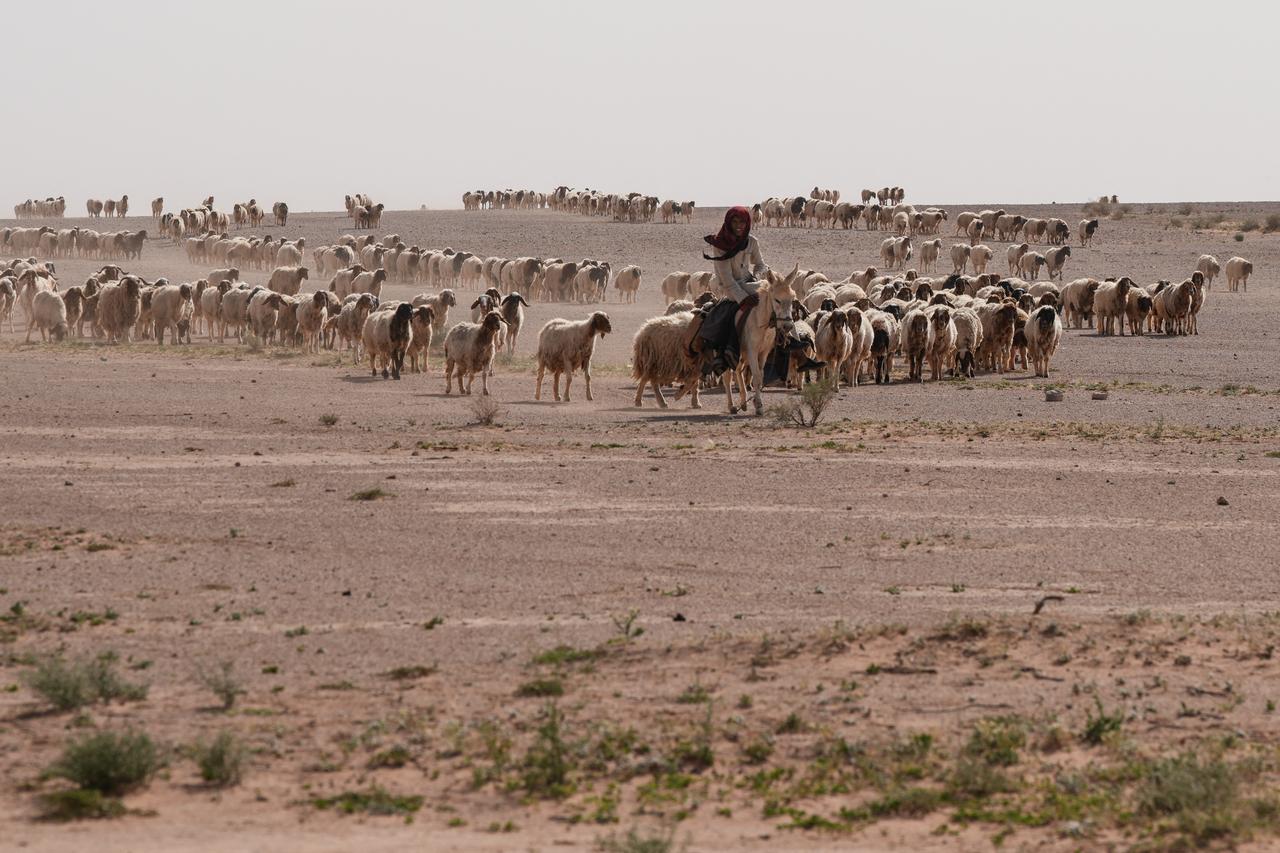


Israel operated at least two covert bases in Iraq's western desert, one of which had been established as far back as late 2024, and a Bedouin shepherd who discovered and reported the first was subsequently shot dead from a helicopter, according to a New York Times (NYT) investigation published Sunday.
Iraqi officials confirmed, which extended previous reporting by the Wall Street Journal (WSJ) on a single base in the Najaf desert.
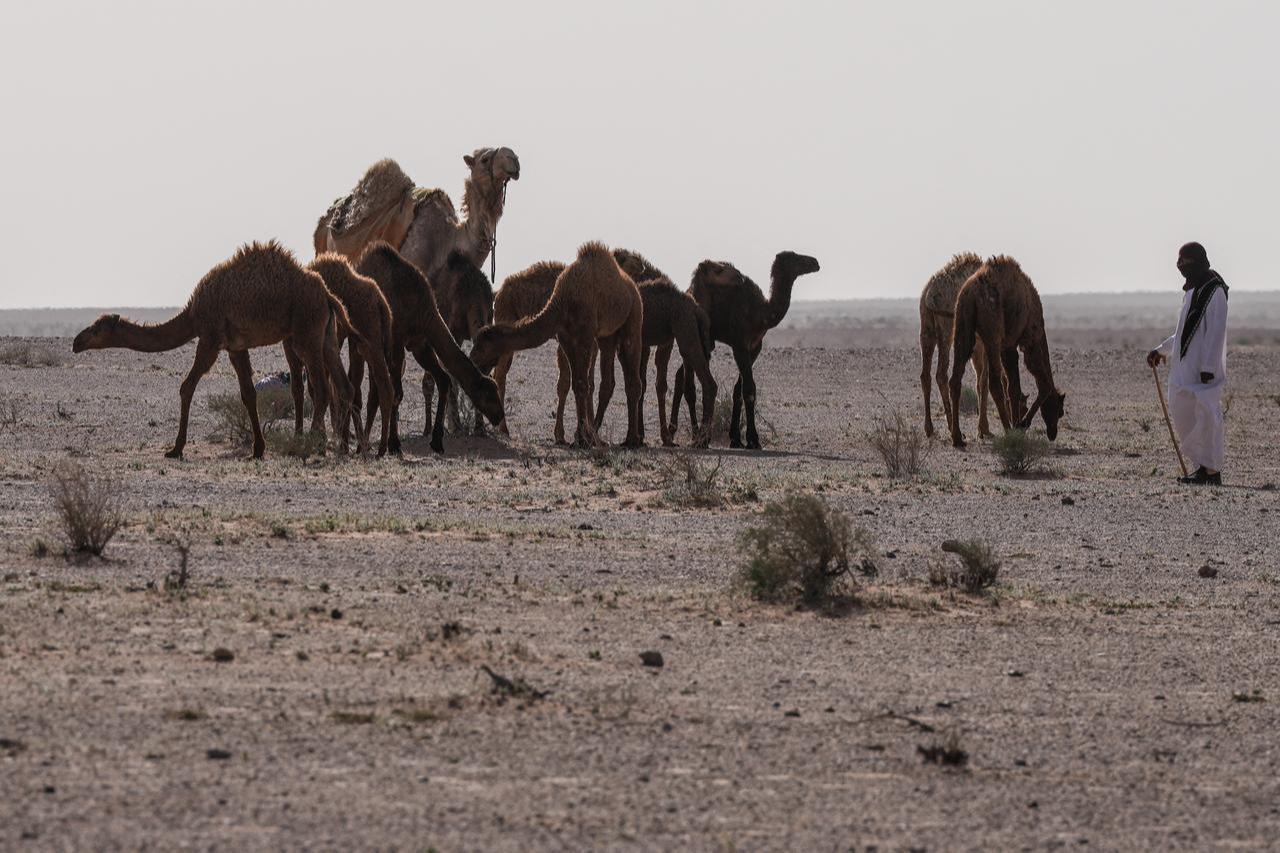
According to the NYT's investigation, Awad al-Shammari, 29, set off from a Bedouin encampment near al-Nukhaib on March 3 on a grocery trip.
Witnesses told the NYT he encountered soldiers, helicopters, and tents around a landing strip and contacted Iraq's regional military command to report what he had seen.
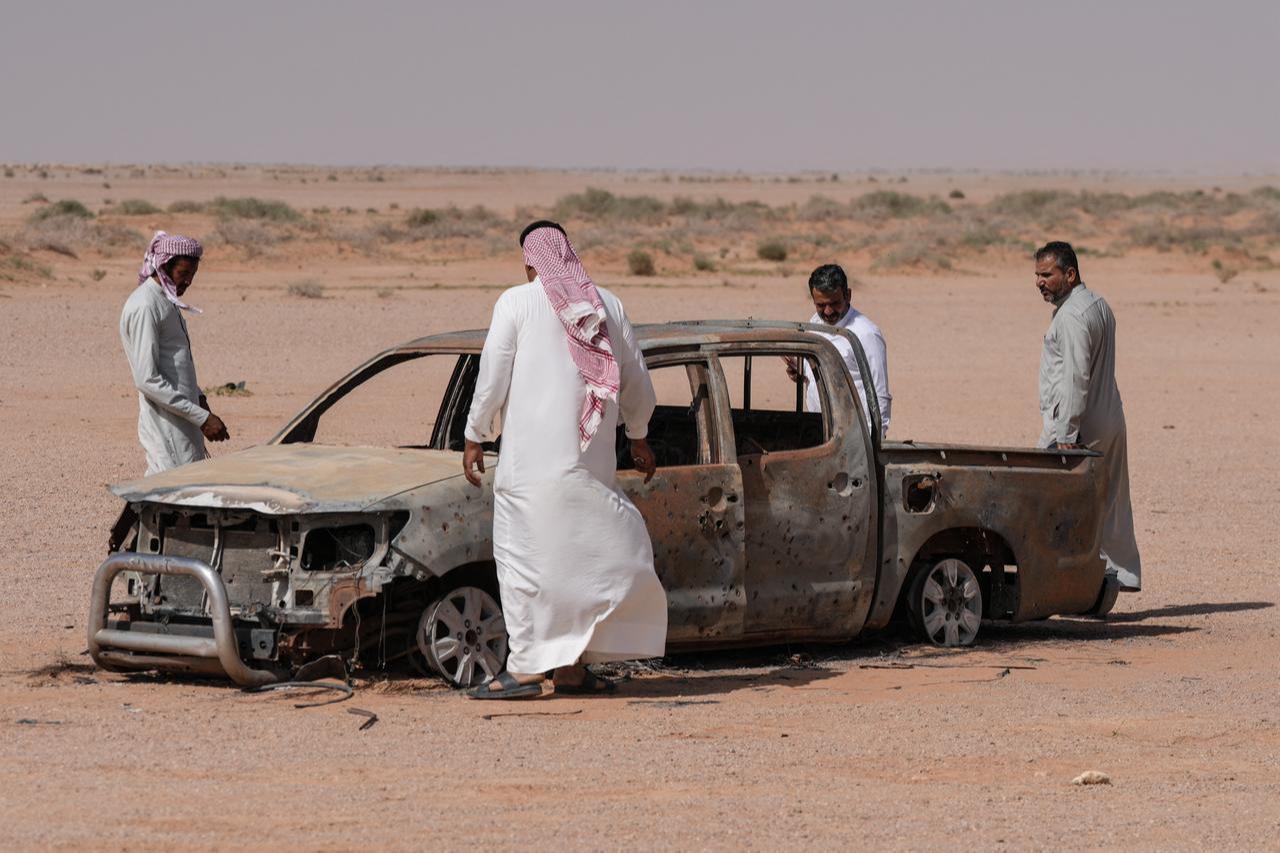
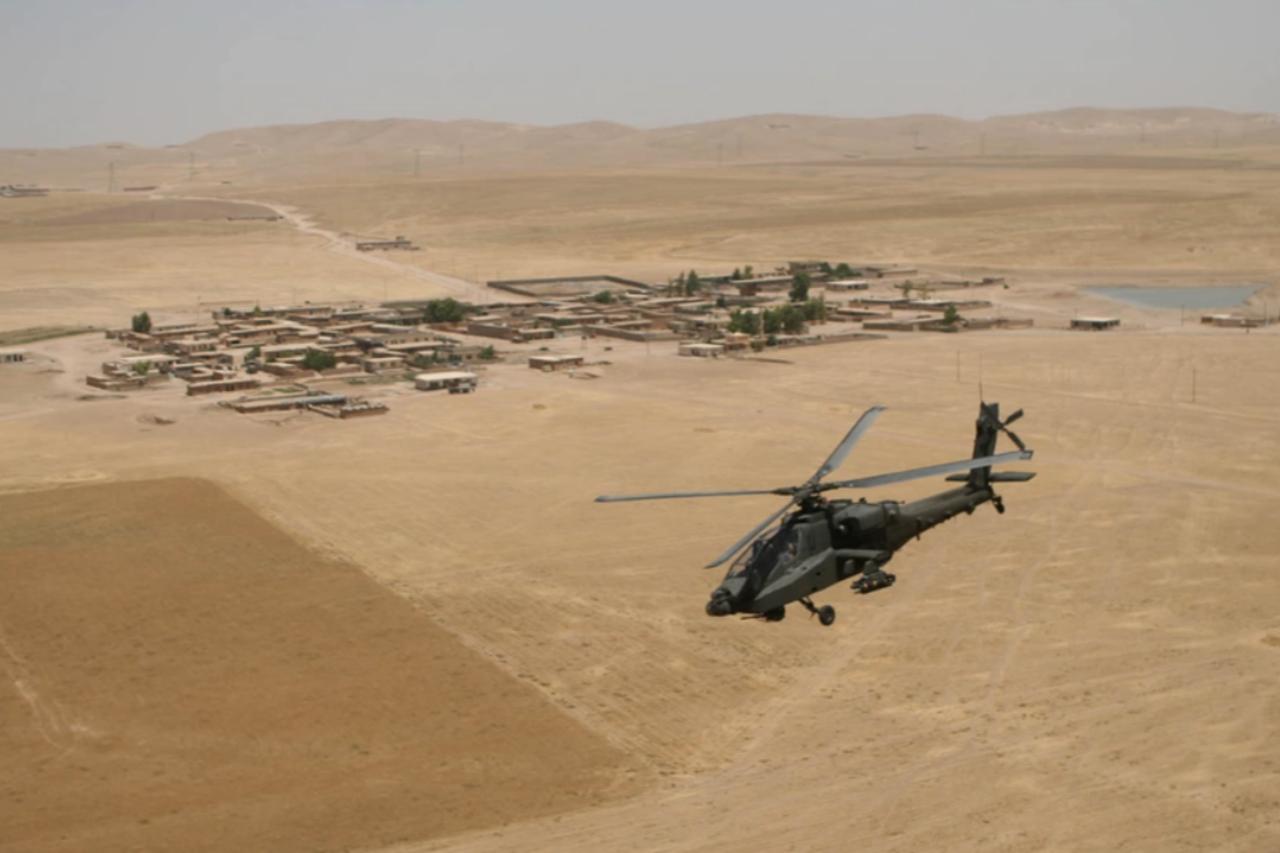
A helicopter then chased and fired on his truck repeatedly until it stopped in the sand. His cousin Amir al-Shammari told the NYT the family found the vehicle and body burned two days later. They buried him beneath a simple gray tombstone next to his charred truck.

The NYT reports that at least one of the bases, the one al-Shammari discovered, had been known to Washington since June 2025 or possibly earlier, when it was used during the 12-day war against Tehran.
Israeli forces began preparing the makeshift base as far back as late 2024, one regional official told the NYT, identifying remote sites from which to operate in future conflicts.
The base was used for air support, refueling, and medical treatment, and was intended to shorten flight distances to Iran.
An Iraqi lawmaker, Hassan Fadaam, who attended a confidential parliamentary briefing, told the NYT: "The one in al-Nukhaib is just the only one that was found out about."
A second Iraqi official confirmed a second base also in a western desert region, without specifying its location.
The status of the second base is unknown; the al-Nukhaib base is no longer operative.
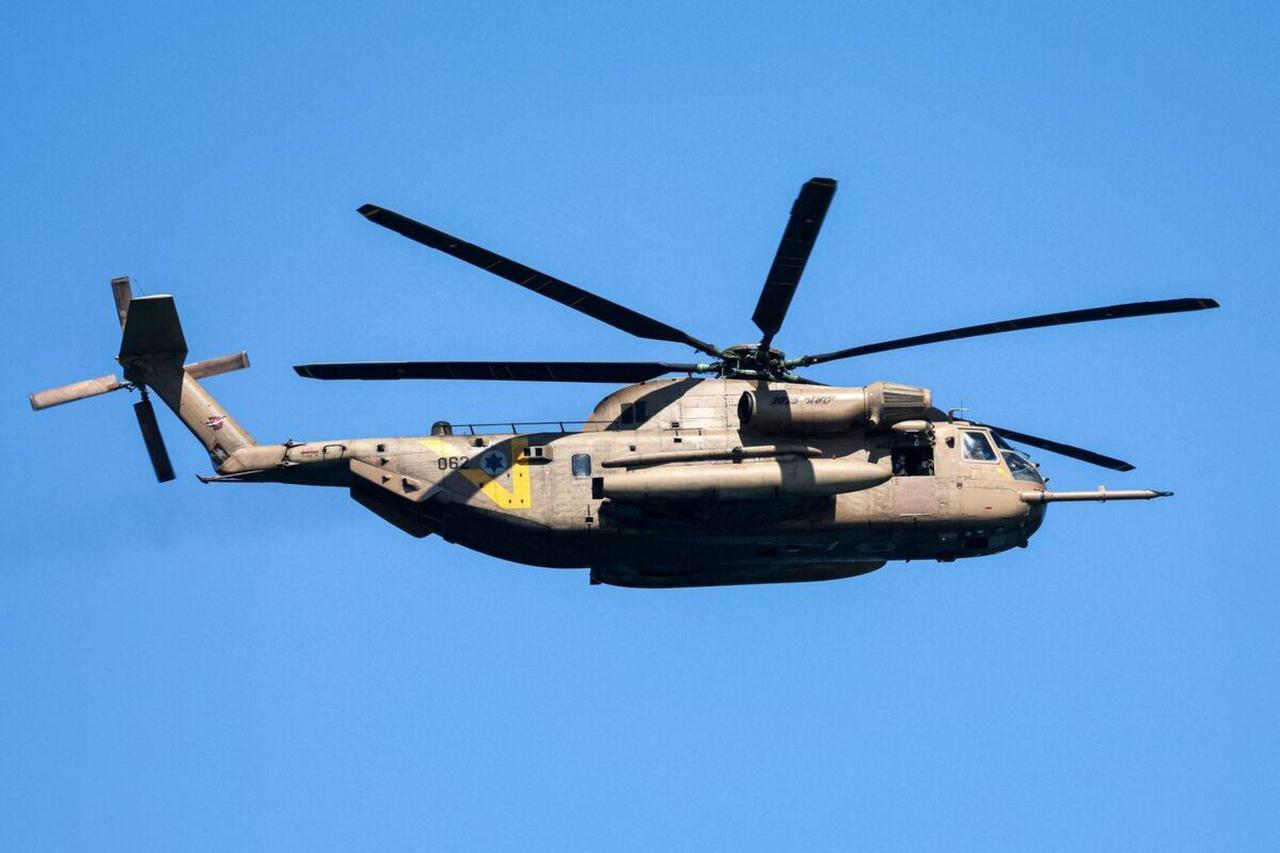
Agence France-Presse (AFP) separately confirmed that CH-47 Chinook helicopters were seen at the site, described as hidden in a valley "chosen carefully to avoid Iranian missile strikes," and that the Israeli operation "was in coordination with the US."
Another AFP source said there were "indications that the operation involved an Israeli technical team under American military protection" and that radar equipment likely used for jamming was left behind.
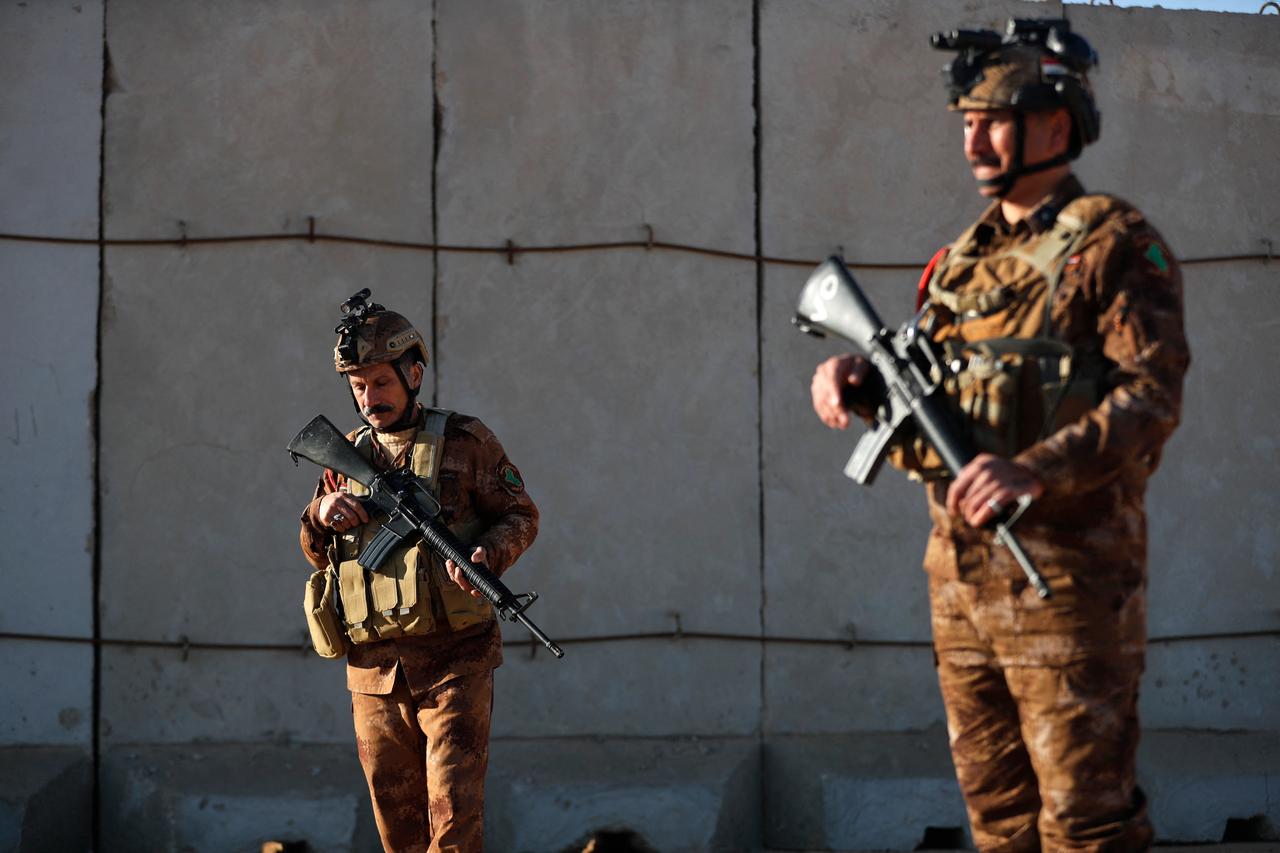
Maj. Gen. Ali al-Hamdani, commander of Iraq's Western Euphrates Forces, told the NYT the army had suspected an Israeli presence for over a month before al-Shammari's discovery, conducted surveillance from afar, and requested information from U.S. counterparts, but received no response.
After al-Shammari's death, a reconnaissance unit was dispatched: one soldier was killed, two wounded, and two vehicles destroyed before the units withdrew.
Iraq's Joint Operations Command announced "foreign" forces had attacked its soldiers and filed a complaint with the U.N. Security Council.
Iraq's armed forces chief of staff, Gen. Abdul-Amir Yarallah, then called U.S. military counterparts. Al-Hamdani told the NYT: "They confirmed the force is not an American force. So we understood it was Israeli."
Iraqi lawmaker Waad al-Kadu, who attended the confidential parliamentary briefing, told the NYT: "It shows a blatant disregard for Iraqi sovereignty, its government, and its forces, as well as for the dignity of the Iraqi people."
"Until now, the government has been silent about it," al-Hamdani added.
 1 min read
Iraq's security forces spokesperson, Lt. Gen. Saad Maan, told the NYT that Iraq "has no information regarding the locations of any Israeli military bases."
The NYT noted that Washington had compelled Iraq to shut down its radars to protect U.S. aircraft during both the June 2025 and current conflicts, making Baghdad more dependent on U.S. forces to detect hostile activity in its own territory.
The publication also noted that official protocol requires Washington to inform Baghdad of any military activities on Iraqi soil.
"Engagement with the U.S. now risks being framed as alignment with Israel. If the war with Iran resumes, it could provide a pretext for more direct Iranian military involvement in Iraq," Ramzy Mardini of Geopol Labs told the NYT.


 Set as preferred source
 Set as preferred source


 1 min read