Newsletters


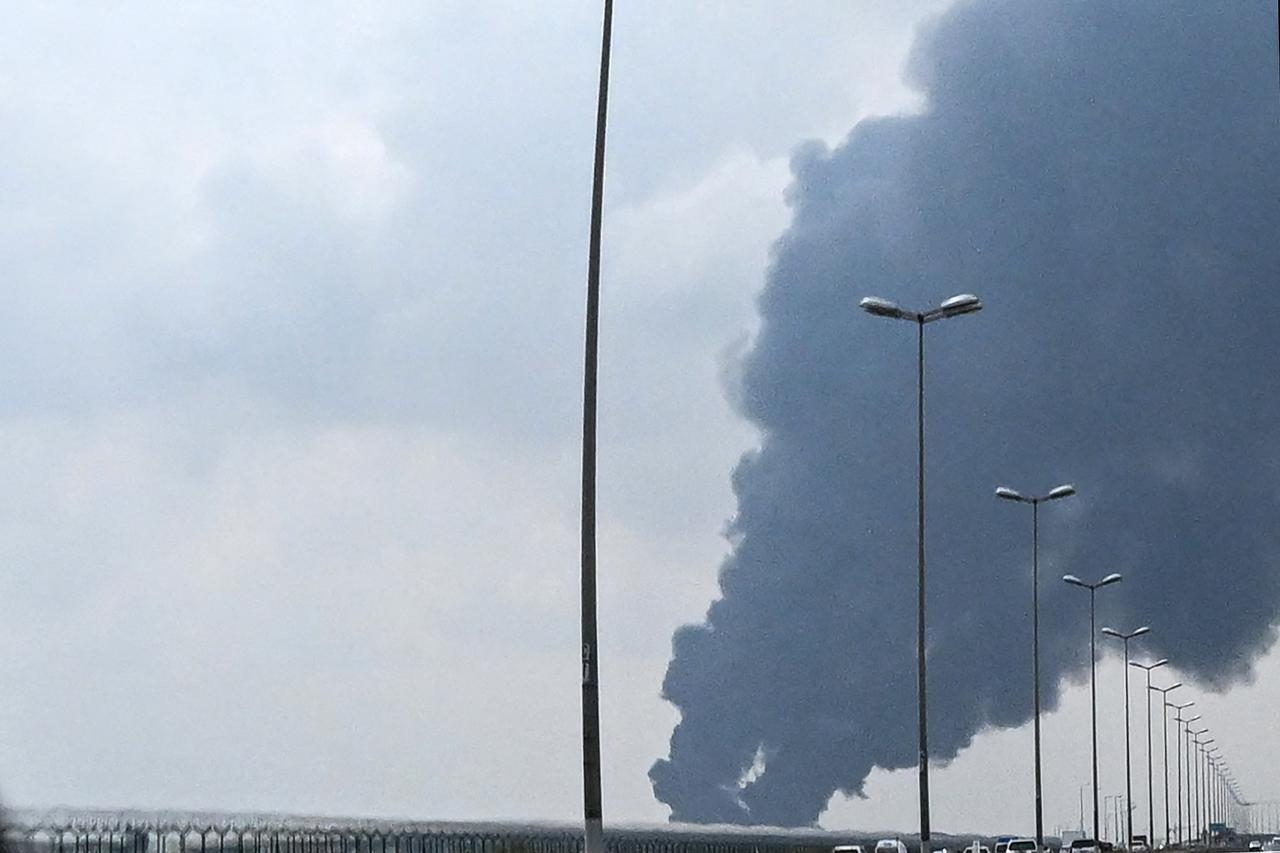


Iran’s military said Monday that Israel was behind an attack on a desalination plant in Kuwait, following earlier reports from Kuwaiti authorities blaming an Iranian strike on a power facility.
“The brutal aggression by the Israeli regime against Kuwait's desalination plant, carried out in recent hours under the pretext of accusing the Islamic Republic of Iran, is a sign of the vileness and depravity of the Zionist occupiers,” the military’s operational command Khatam Al-Anbiya said in a statement carried by state TV.
Earlier Monday, Kuwait’s electricity ministry said an Iranian strike on a power station in Kuwait killed one Indian worker and damaged a building at the site.
“A service building at a power and water desalination plant was attacked as part of the Iranian aggression against the State of Kuwait, resulting in the death of an Indian worker and significant material damage to the building,” said Fatima Abbas Jawhar Hayat, a spokesperson for the ministry.
The ministry said the strike caused extensive damage to infrastructure at the facility.
Technical and emergency teams were immediately dispatched under emergency plans to deal with the aftermath of the attack and ensure operations continue normally, the ministry said.
Authorities are also coordinating with security agencies and relevant bodies to secure the damaged site, it added.
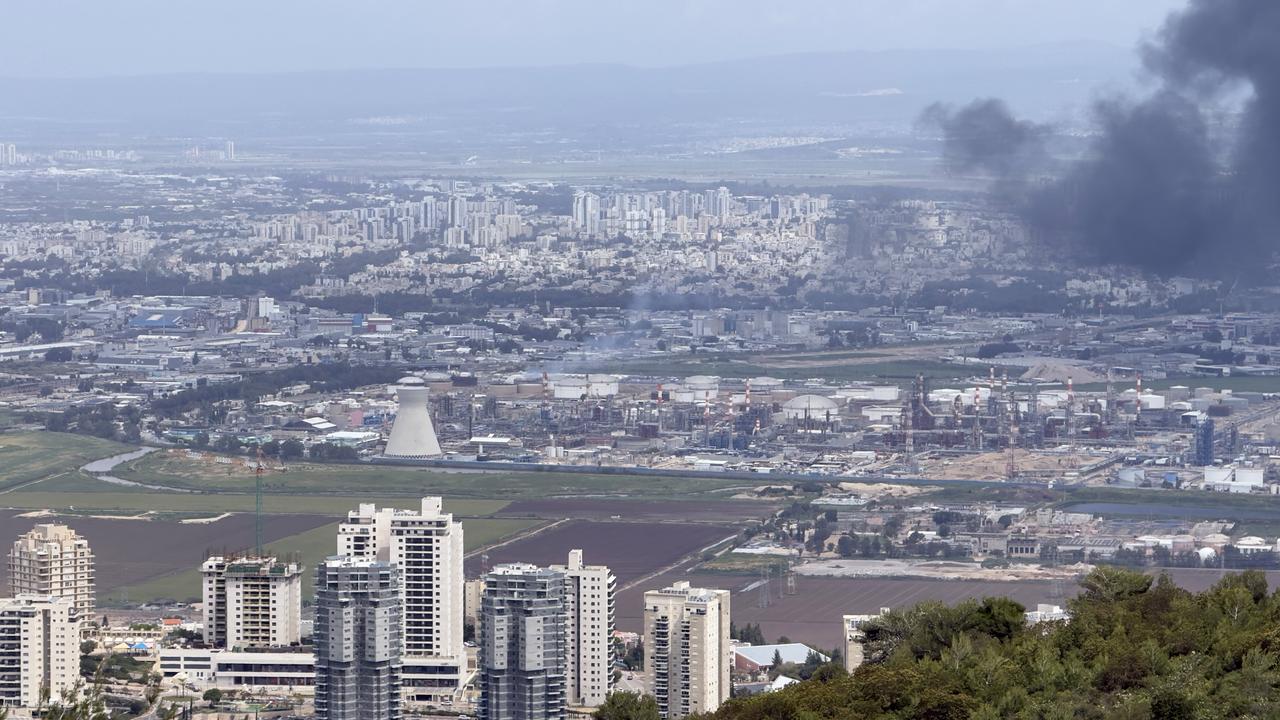

Regional escalation has continued since Israel and the United States launched an offensive against Iran on Feb. 28, killing more than 1,340 people to date, including then-Supreme Leader Ali Khamenei.
Iran has retaliated with drone and missile strikes targeting Israel, Jordan, Iraq and Gulf countries hosting U.S. military assets, causing casualties and damage to infrastructure while disrupting global markets and aviation.
Strikes by the United States and Israel on Iran, along with Tehran’s retaliatory targeting of Gulf countries, have caused widespread destruction, generating millions of tons of carbon emissions and raising environmental risks that could potentially lead to nuclear contamination.
Following a deadlock in negotiations between the United States and Iran, U.S. President Donald Trump said on Feb. 28 that Iran’s then-Supreme Leader Ali Khamenei had been killed in a joint U.S.-Israeli strike, later confirmed by Iranian state media.
Since then, U.S. and Israeli strikes on Iran have intensified, while Tehran has retaliated by targeting U.S. bases in Gulf countries. Nearly a month of bombardment, along with strategic moves such as the closure of the Strait of Hormuz, has disrupted political and economic balances, with significant environmental consequences also emerging.
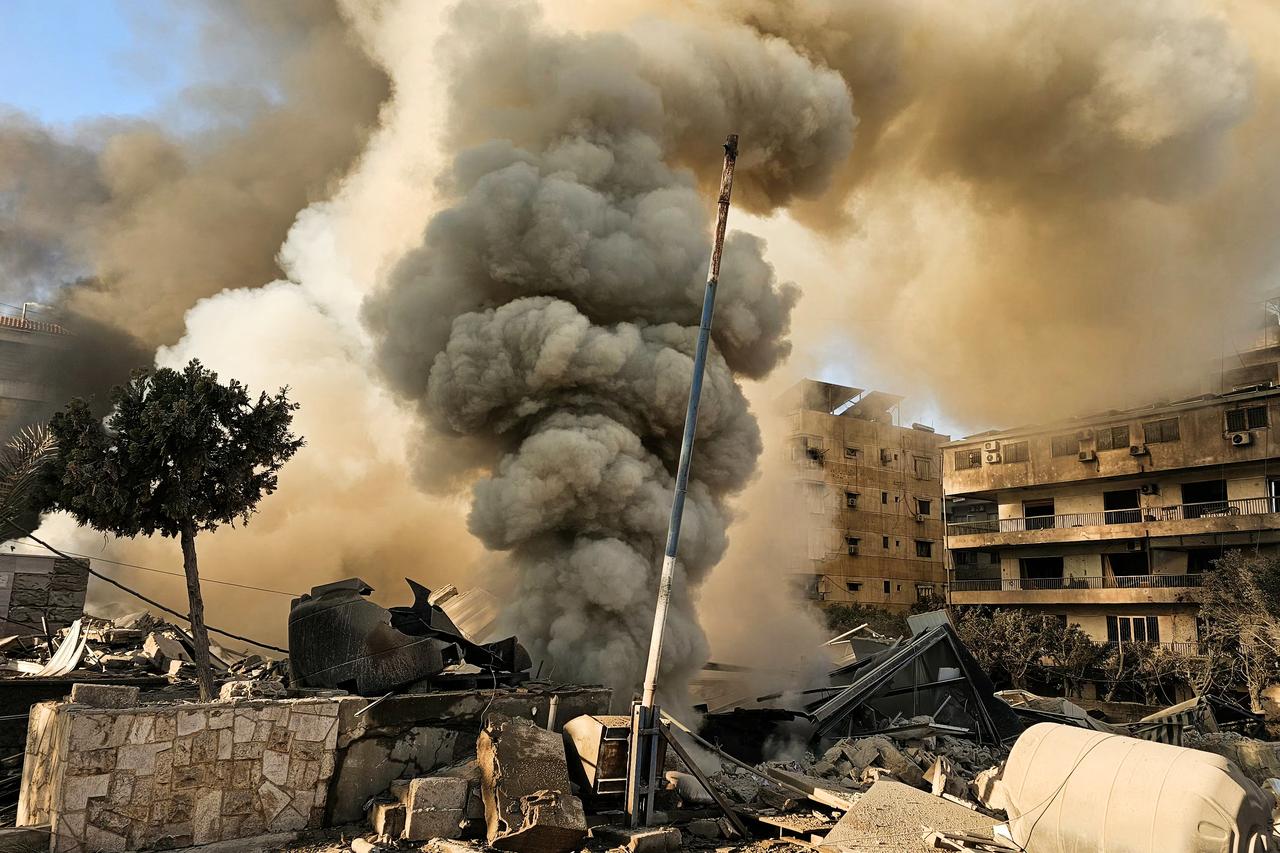
U.S.-Israeli strikes Monday reportedly targeted energy-related facilities in Iran’s Isfahan province and the southwestern city of Khorramshahr, Iranian media reported.
In Isfahan, a natural gas administration building and a gas pressure reduction station were hit, causing damage to parts of the facilities and nearby homes, Fars News Agency reported.
In Khorramshahr, a natural gas pipeline belonging to a power plant was targeted. Officials said one missile hit an area outside a natural gas pipeline station and that there were no casualties.
While no information was given about power outages in Isfahan, it was reported that power supply continued uninterrupted in Khorramshahr thanks to ongoing efforts.
U.S. President Donald Trump announced Saturday that the United States would “obliterate” Iran’s power plants if Tehran did not fully reopen the Strait of Hormuz to commercial shipping within 48 hours.
In response, Iran’s Islamic Revolutionary Guard Corps announced that any strike on Iranian infrastructure would trigger immediate “reciprocal” attacks on regional energy grids and desalination plants, specifically those supporting Israel or U.S. bases.
The latest attack came after Trump said Monday that he had ordered a five-day postponement of all strikes on Iranian power plants and energy infrastructure, citing “very good and productive” talks with Tehran over the past two days.


 Set as preferred source
 Set as preferred source


 1 min read

 1 min read