Newsletters


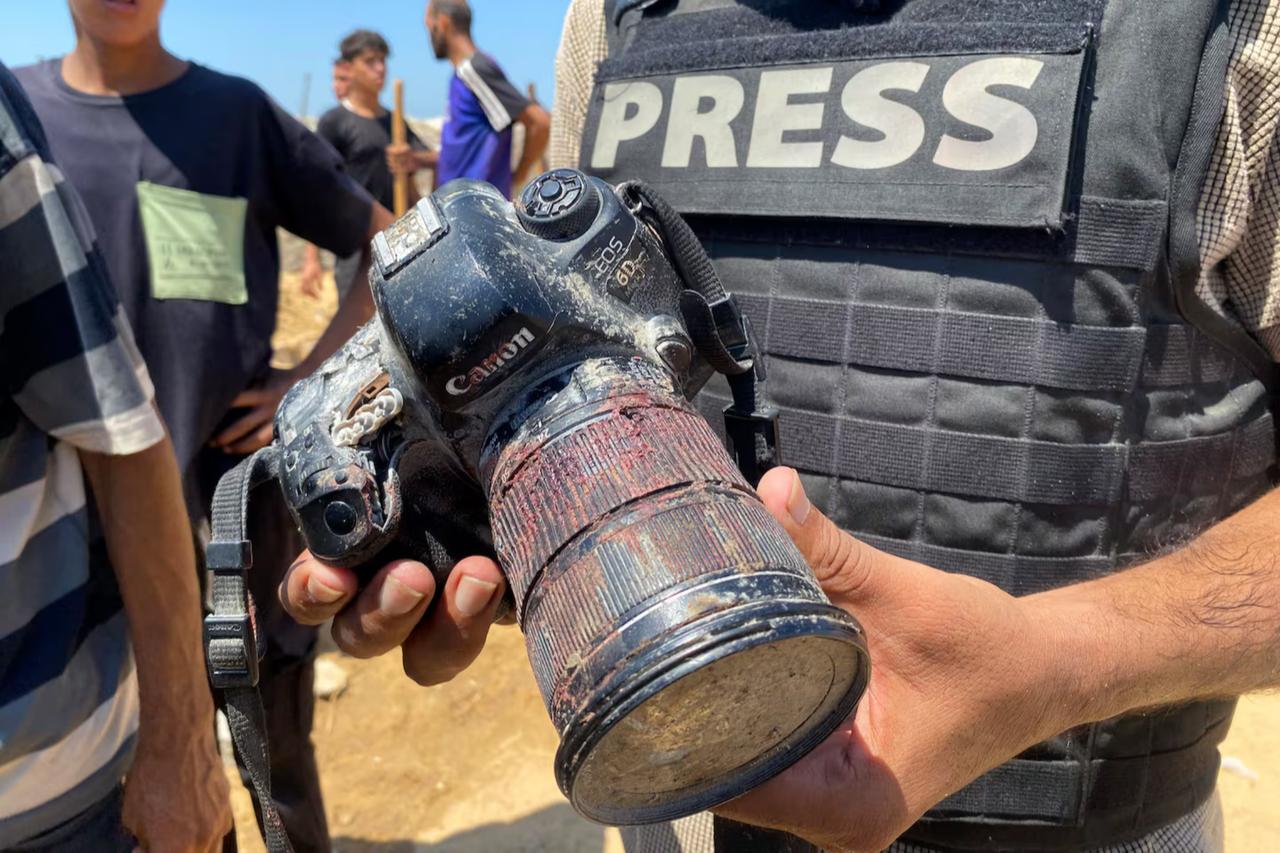


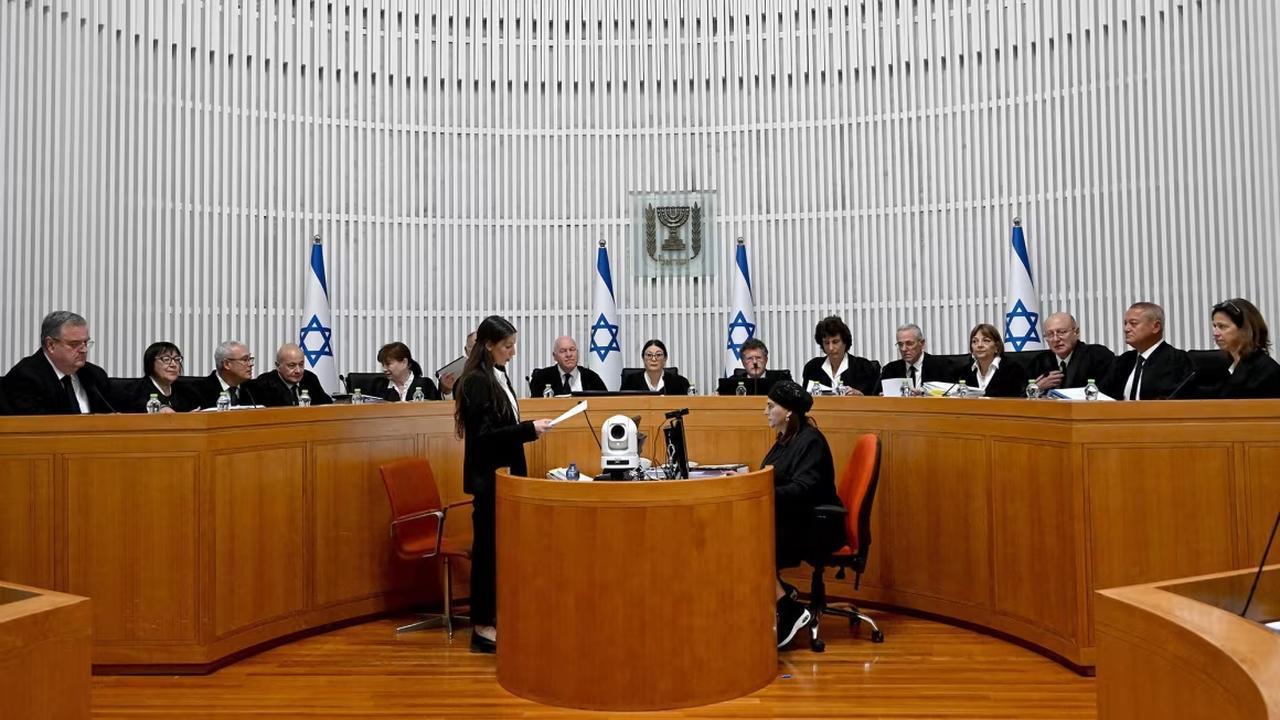
Israel has informed its High Court that foreign journalists will not be allowed to enter Gaza even if the Rafah Border Crossing is reopened. The position was formally presented during a court hearing this week, upholding the policy of restricting international media access to the enclave.
According to Israeli media reports, the statement was delivered in response to a petition filed by the Foreign Press Association (FPA). The association has challenged the government’s long-standing refusal to grant entry permits to foreign correspondents seeking to report from Gaza.
Government representatives argued that allowing journalists into Gaza would pose a security risk. They maintained that these concerns remain valid regardless of whether the Rafah Crossing becomes operational.
The court held off on an immediate ruling, choosing instead to further vet the government's security claims.
During the hearing, Gilead Sher, the attorney representing the Foreign Press Association, said the case involves nearly 400 journalists affiliated with more than 130 media outlets from around 30 countries. He noted that Israel’s policy has remained unchanged for an extended period, despite repeated appeals.
Sher argued that the continued restrictions amount to a violation of the right to access information. He emphasized that the ban prevents independent reporting from Gaza at a time of intense international concern and scrutiny.
The FPA maintains that foreign journalists have the professional capacity to operate in high-risk environments. It contends that a total ban is disproportionate and unnecessary.
The association has previously called on Israeli authorities to adopt regulated access mechanisms rather than an outright prohibition.

Lawyers speaking on behalf of Reporters Without Borders and the Committee to Protect Journalists told the court that numerous conflict zones around the world allow journalists to work under structured security arrangements. They argued that established protocols exist to mitigate risks without denying access altogether.
These organizations stressed that restricting media entry sets a troubling precedent for press freedom. They warned that the absence of independent journalists limits the flow of verified information from Gaza.
They also pointed out that international humanitarian law and democratic norms generally favor transparency, especially during armed conflicts.
The lawyers urged the court to consider alternatives that balance security concerns with the public’s right to information.
An attorney representing Israeli journalists told the court that the ban does not only affect foreign media. He argued that it also undermines the Israeli public’s right to know what is happening in Gaza.
According to this view, preventing journalists from entering the territory restricts independent verification of events. This, in turn, limits informed public debate within Israel itself.
The lawyer said that domestic media outlets also rely on international reporting networks. A continued ban narrows the range of perspectives available to Israeli audiences.
He added that transparency is essential for democratic accountability, particularly during periods of conflict.
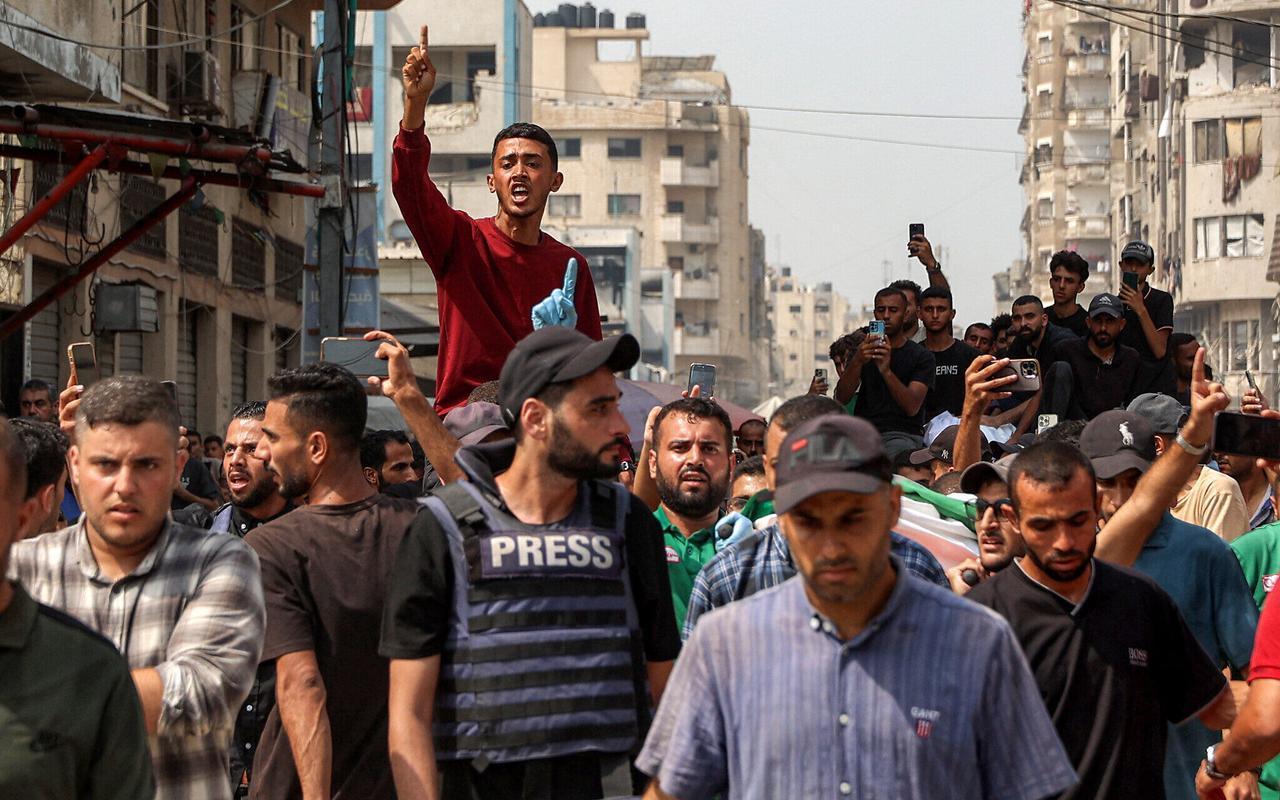
In response, the state’s representative argued that there is no legal obligation to allow journalists into Gaza. The official maintained that the government is acting within its authority by prioritizing security considerations.
The state insisted that the risks associated with journalists’ presence in Gaza are significant and ongoing. Representing the state, attorney Yonatan Nadav said these risks justify maintaining the ban, regardless of external criticism.
The government also emphasized that decisions regarding entry into Gaza fall under security policy. As such, they should not be overridden without compelling reasons.
Officials signaled that the current approach would remain in place unless there is a fundamental change in the security environment.
The High Court indicated that the government must provide more detailed explanations of its security rationale. Judges acknowledged the sensitivity of the issue and the competing interests involved.
To that end, the court agreed to hold a closed session to hear the military’s assessment. This session is intended to clarify whether the security concerns cited by the state justify a comprehensive ban.
The hearing was subsequently adjourned, with no immediate timeline given for a final decision.
Israel announced a day earlier that it had approved the 'limited reopening' of the Rafah Border Crossing. However, the crossing has not yet become operational, and the status of journalist access remains unchanged.


 Set as preferred source
 Set as preferred source


 4 min read