Newsletters


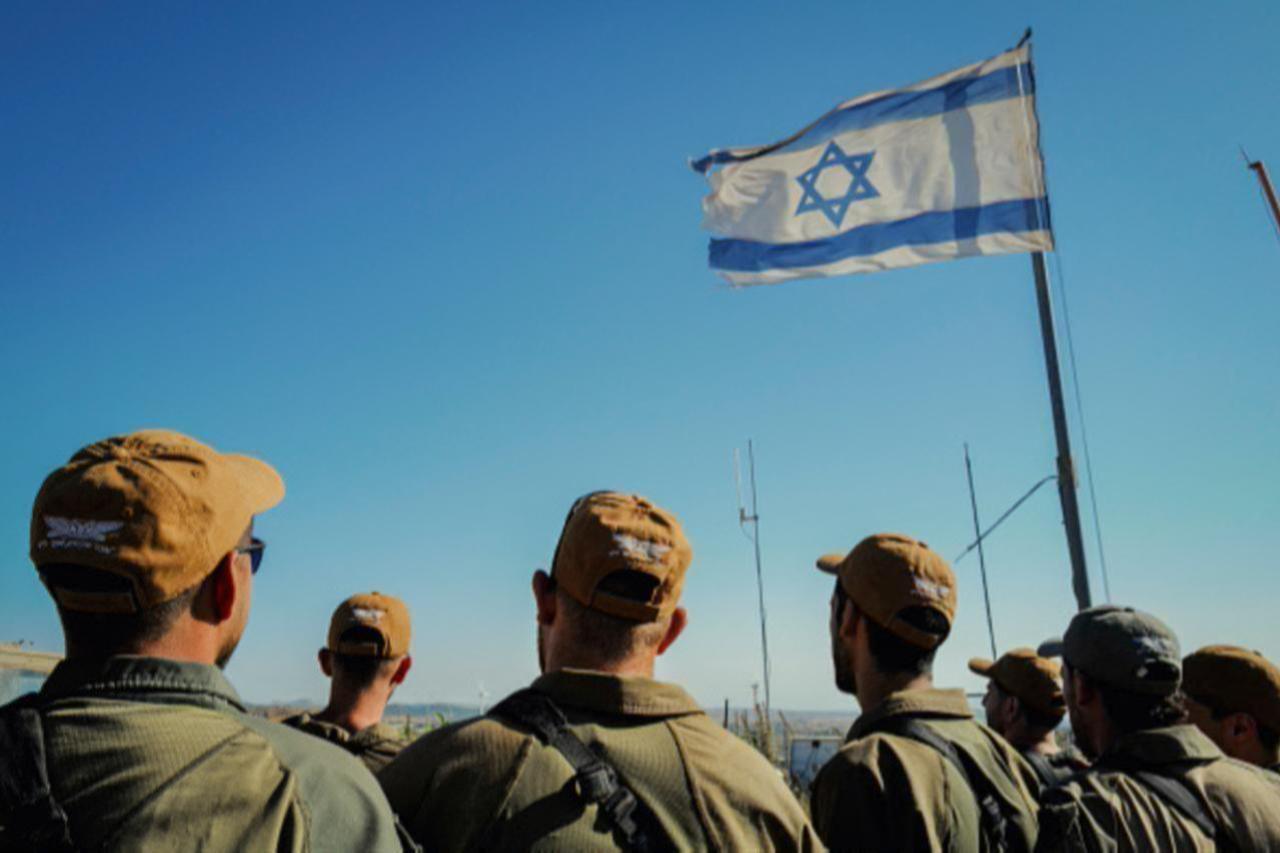


Israel has warned Lebanon it will strike civilian infrastructure, including Beirut's international airport, if Hezbollah enters any conflict between the United States and Iran, two senior Lebanese officials said on Tuesday.
The officials, who spoke on condition of anonymity, said the Israeli message was delivered through indirect channels. Neither the office of Israeli Prime Minister Benjamin Netanyahu nor the Lebanese presidency responded immediately to requests for comment.
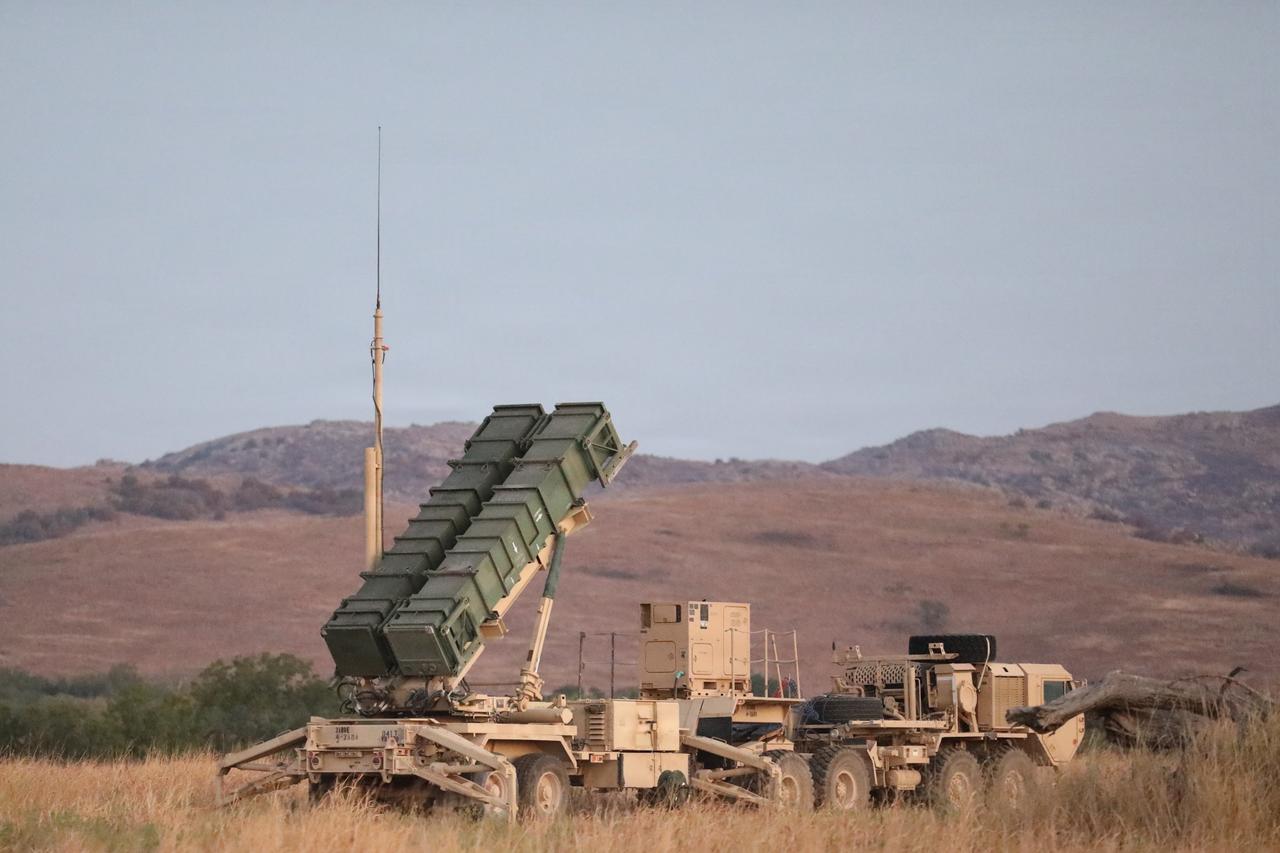
The threat comes as the region braces for a possible military confrontation between Washington and Tehran. A third round of nuclear talks between Iran and the U.S. is set for Thursday in Geneva, Oman's Foreign Minister Badr Albusaidi confirmed on Sunday. While previous rounds yielded what both sides described as progress, no breakthrough has been reached, and the U.S. has assembled its largest military presence in the Middle East in decades as leverage.
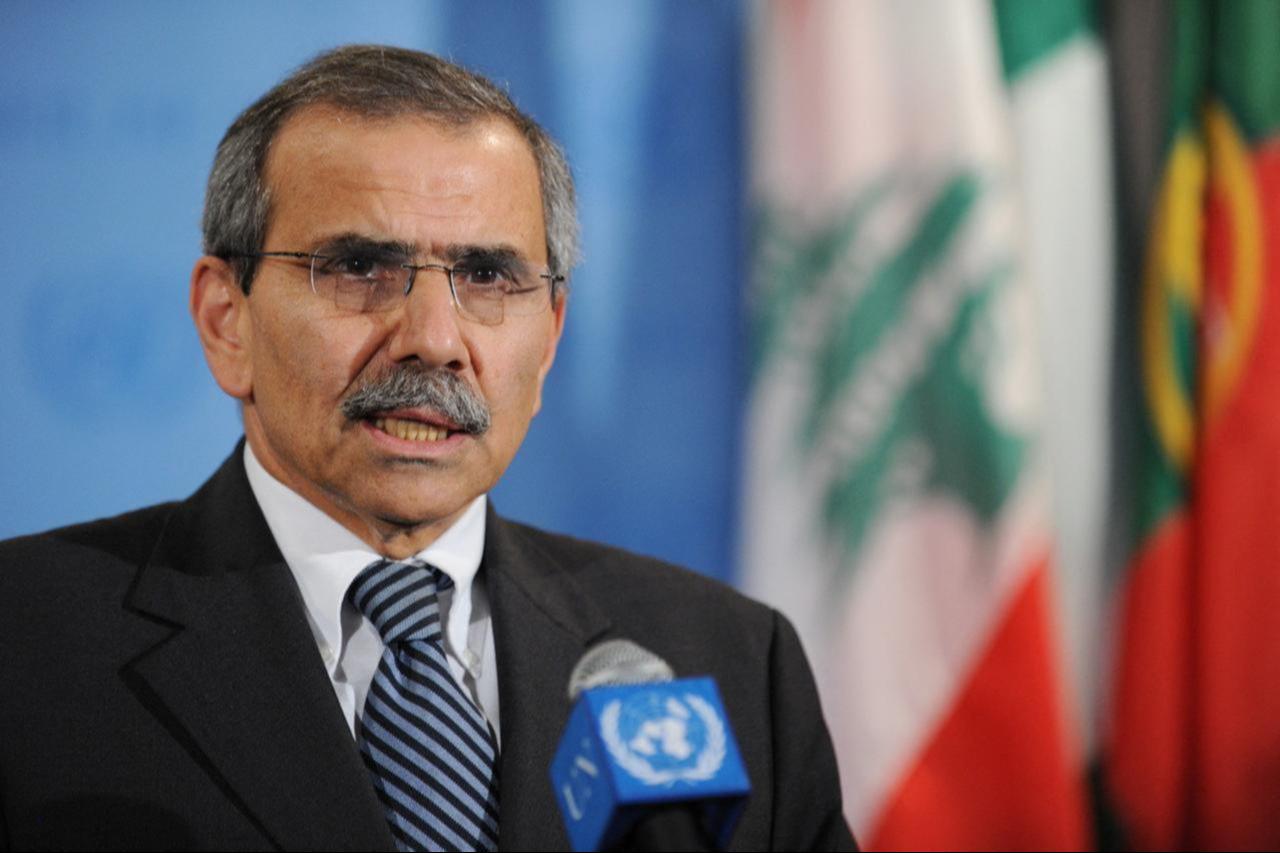

Prime Minister Nawaf Salam, whose government has pursued the disarmament of the Iran-backed group since taking office a year ago, warned Hezbollah against dragging the country into another conflict. "The Gaza adventure imposed a big cost on Lebanon. We hope that we will not be dragged into another adventure," Salam told Nida al-Watan newspaper in an interview published Tuesday.
The warning from Salam reflects deep anxiety within Lebanon's political establishment. Israel's 2024 war against Hezbollah killed the group's longtime leader Hassan Nasrallah, decimated thousands of its fighters and destroyed much of its weapons stockpile. The conflict killed nearly 4,000 people in Lebanon, displaced more than a million and devastated civilian infrastructure across the country's south.
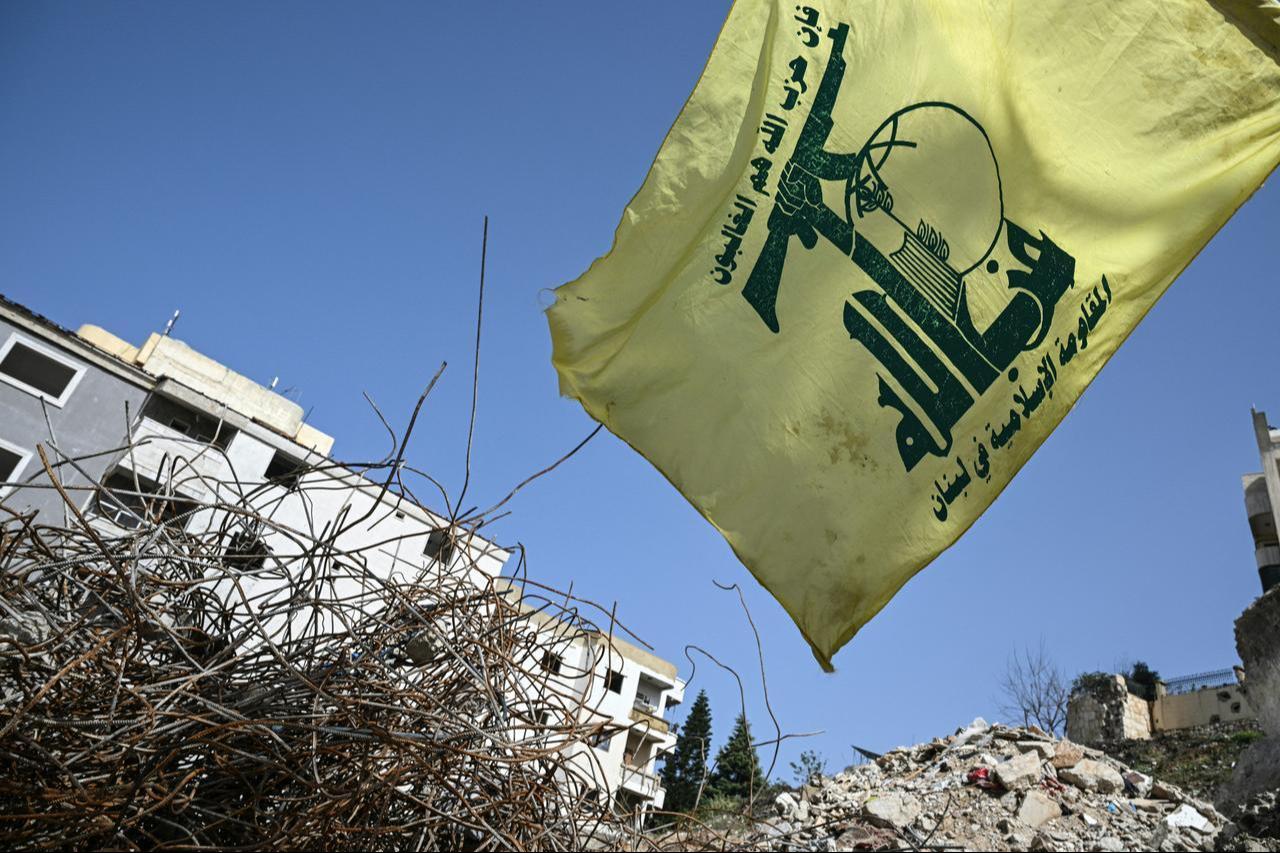
Despite those losses, Hezbollah's new leader Naim Qassem has refused to rule out involvement in a U.S.-Iran confrontation. In a televised address last month, Qassem declared the group was "not neutral" in the standoff, saying Hezbollah was itself "targeted by the potential aggression."
"We are determined to defend ourselves. We will choose in due course how to act, whether to intervene or not," Qassem said.
Hezbollah, a Shi'ite Muslim group established by Iran's Revolutionary Guards in 1982, opened fire on Israel in solidarity with Hamas at the start of the Gaza conflict in 2023, triggering months of cross-border fighting before Israel launched its devastating offensive into Lebanon. Analysts say the group is significantly weakened but retains the capacity to act, particularly if its primary patron comes under direct attack.
 1 min read
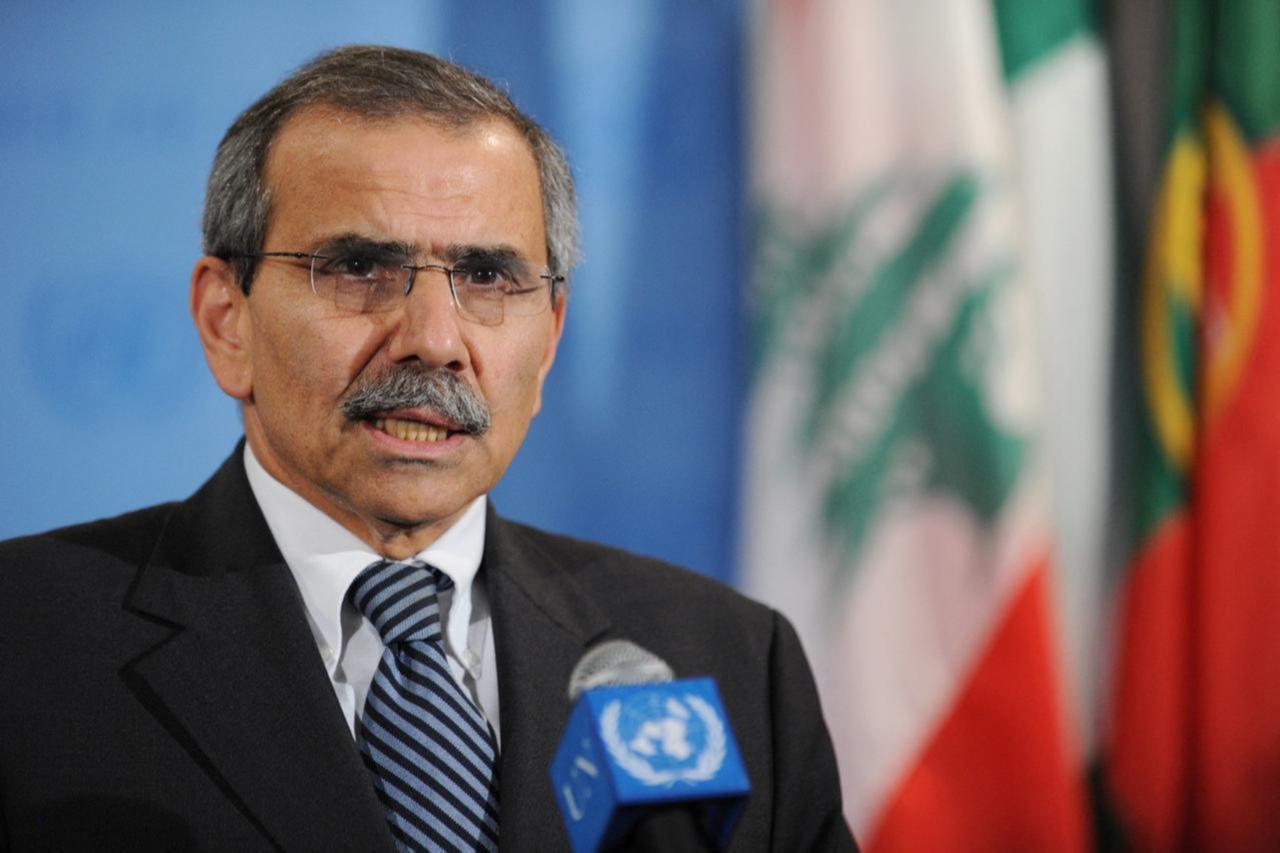
Adding to the sense of urgency, the U.S. State Department on Monday ordered the departure of non-essential government personnel and eligible family members from the American embassy in Beirut. The move, which affected roughly 50 staff members, was described as a precautionary measure. The embassy remains operational with core staff in place.
The evacuation follows similar measures by other Western governments in the region and comes as Washington weighs possible military action against Iran if nuclear negotiations collapse. President Donald Trump warned last week that limited strikes against Iran remain an option.
Since the U.S.-backed ceasefire between Israel and Lebanon took effect in November 2024, Israel has carried out regular strikes on what it identifies as Hezbollah targets, accusing the group of seeking to rearm. Those strikes have killed around 400 people in Lebanon, according to a Lebanese toll. The United Nations has documented more than 10,000 Israeli violations of the ceasefire agreement.
Hezbollah says it has respected the truce in southern Lebanon. In January, the U.S.-backed Lebanese army said it had established operational control over the south, in line with the objective of establishing a state monopoly on arms. Israel acknowledged the effort was an encouraging beginning but said it was far from sufficient.


 Set as preferred source
 Set as preferred source


 1 min read