Newsletters


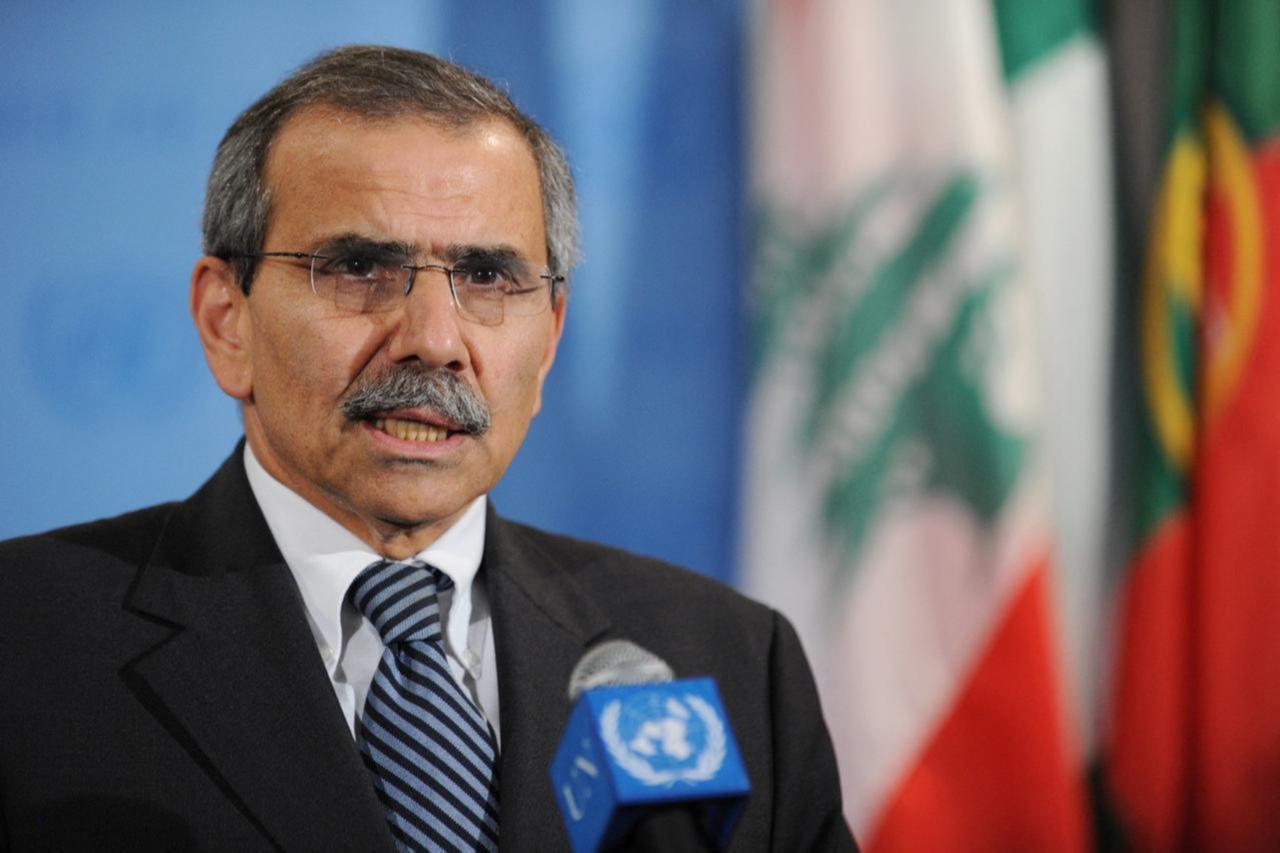


Lebanon's government said it is prepared to broaden its participation in the international committee overseeing the ceasefire with Israel and pledged to push forward with plans to disarm Hezbollah in the country's south, in the most assertive signal yet from Beirut that it intends to reclaim sovereignty over territory long controlled by the Iran-backed militia.
Prime Minister Nawaf Salam said additional Lebanese civilian experts, including lawyers and topographers, could be brought onto the US-led monitoring body to help resolve outstanding disputes over border demarcations and other unresolved issues between two countries that have no formal diplomatic relations.
"We are not seeking confrontation with Hezbollah, but we are not going to be intimidated by anyone," Salam said at the Munich Security Conference, which concluded on Sunday.
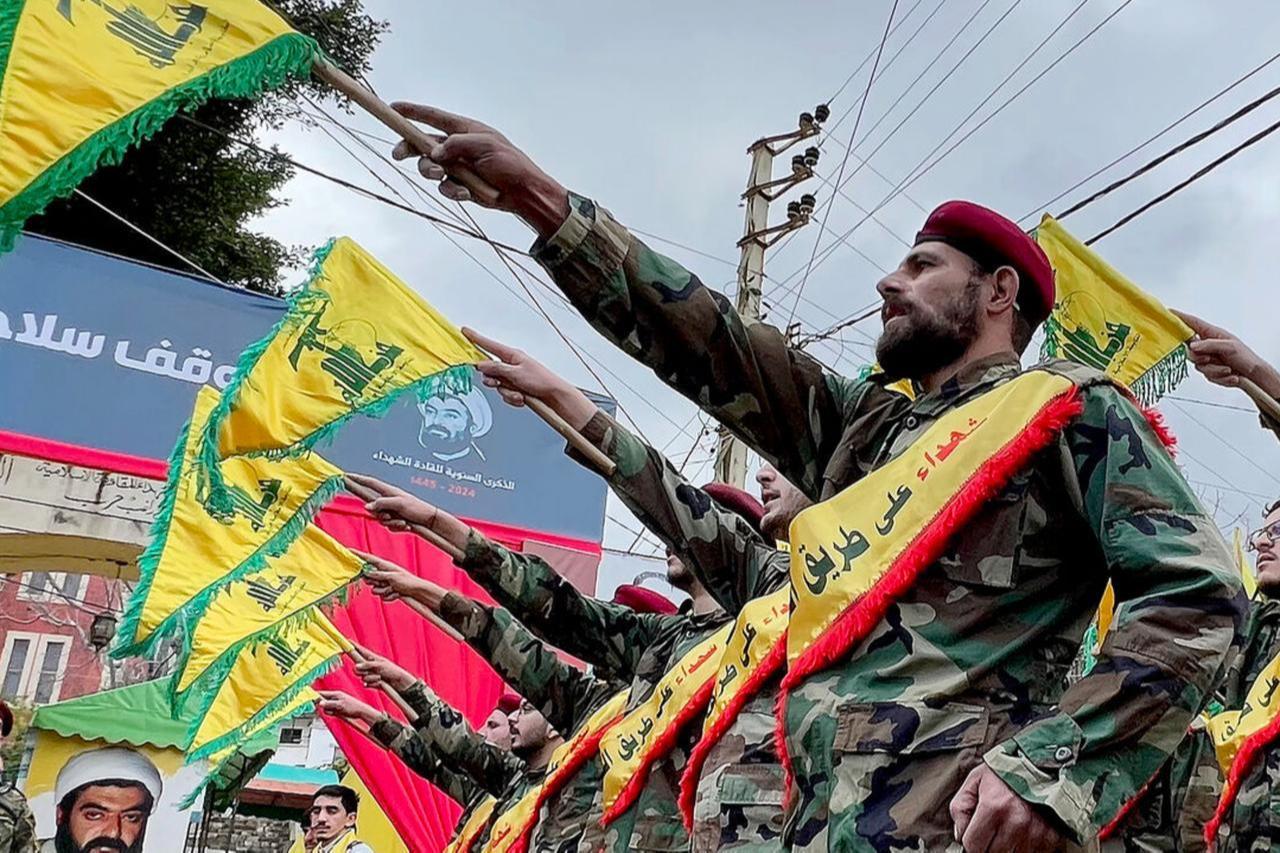

The ceasefire between Israel and Hezbollah has officially held since a monitoring mechanism was established in November 2024, bringing together representatives from Israel, Lebanon, France and a United Nations peacekeeping force. The agreement followed roughly three months of all-out war that saw Israeli ground forces enter southern Lebanon and left thousands dead, the majority of them in Lebanon. Among the dead was Hezbollah's long-standing secretary-general, Hassan Nasrallah, killed in an Israeli strike in late 2024.
That war was triggered by months of Hezbollah missile and drone attacks on Israel carried out in solidarity with Hamas during its conflict in Gaza. But despite the formal truce, Israel has continued conducting regular strikes against what it describes as Hezbollah operatives and positions, and both Israeli and some US officials have accused the Lebanese army of failing to adequately dismantle the group's military infrastructure.
Lebanon has pushed back against those accusations, saying Israel has killed approximately 400 people since the ceasefire, most of them civilians, and that continued Israeli occupation of five outposts in southern Lebanon is undermining its ability to carry out disarmament operations on the ground.
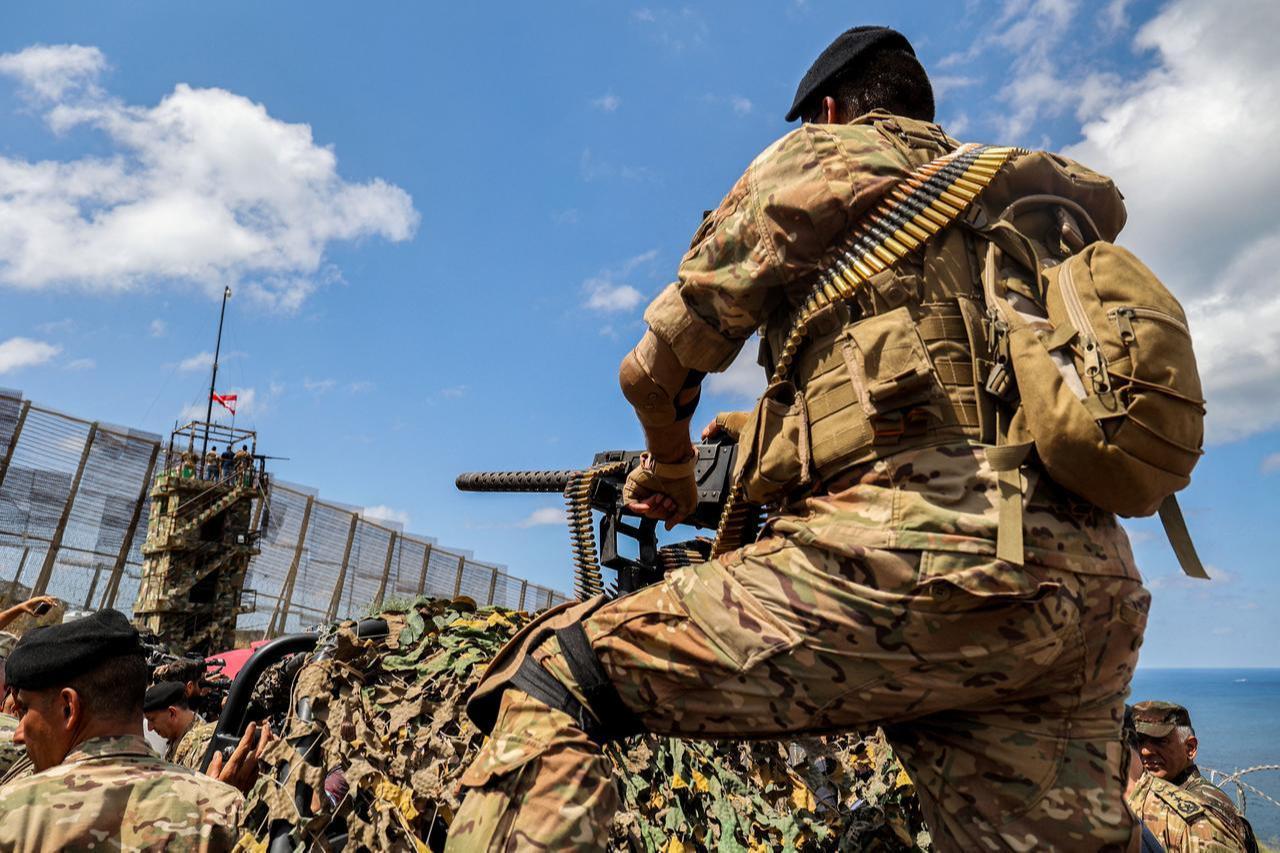
Salam said he would be briefed Monday on the next phase of the Lebanese army's plan to demilitarize the south. The army announced last month that it had cleared the area between the Litani River and the Israeli border, a zone where Hezbollah had built up significant military infrastructure over years. The next stage of operations targets the territory stretching north to the Awali River, a more complex undertaking that encompasses Palestinian camps where Hamas maintains a presence.
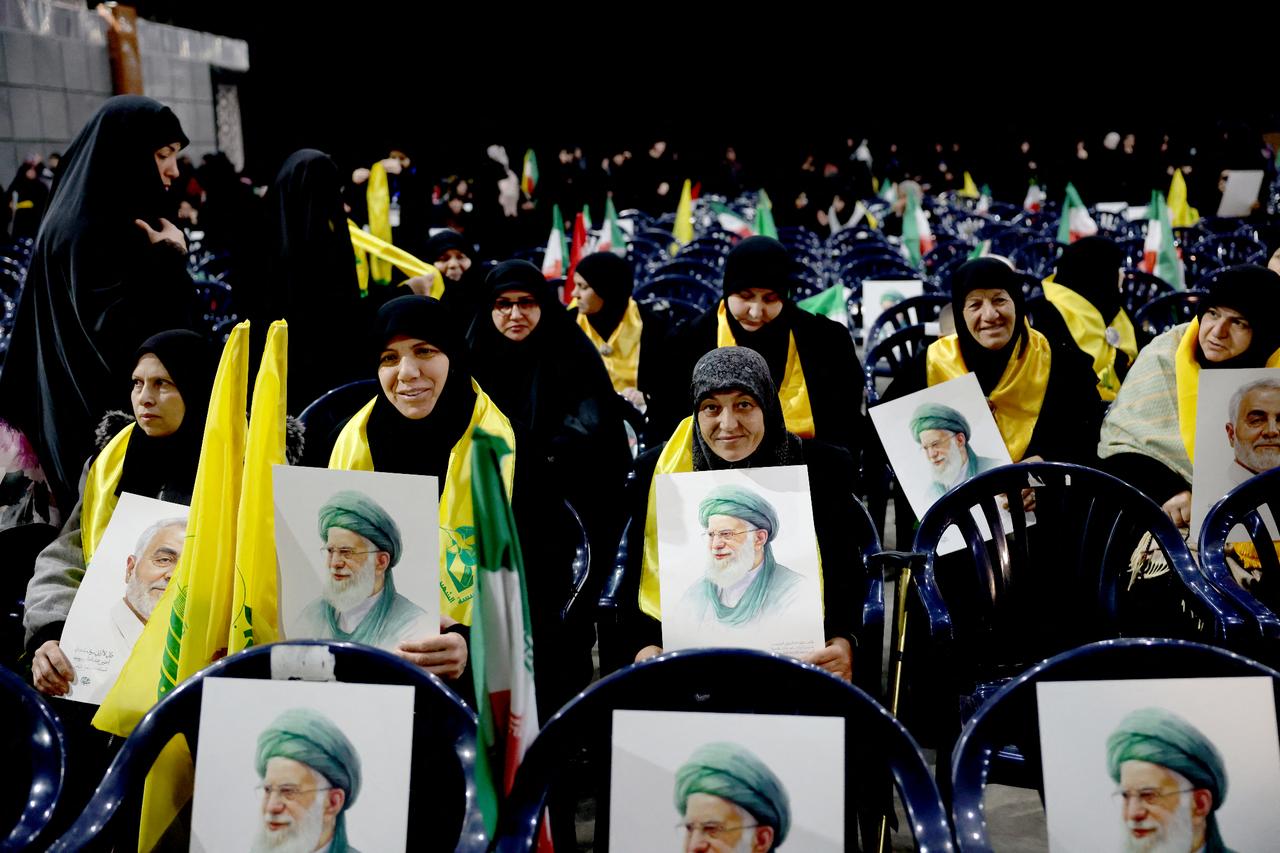
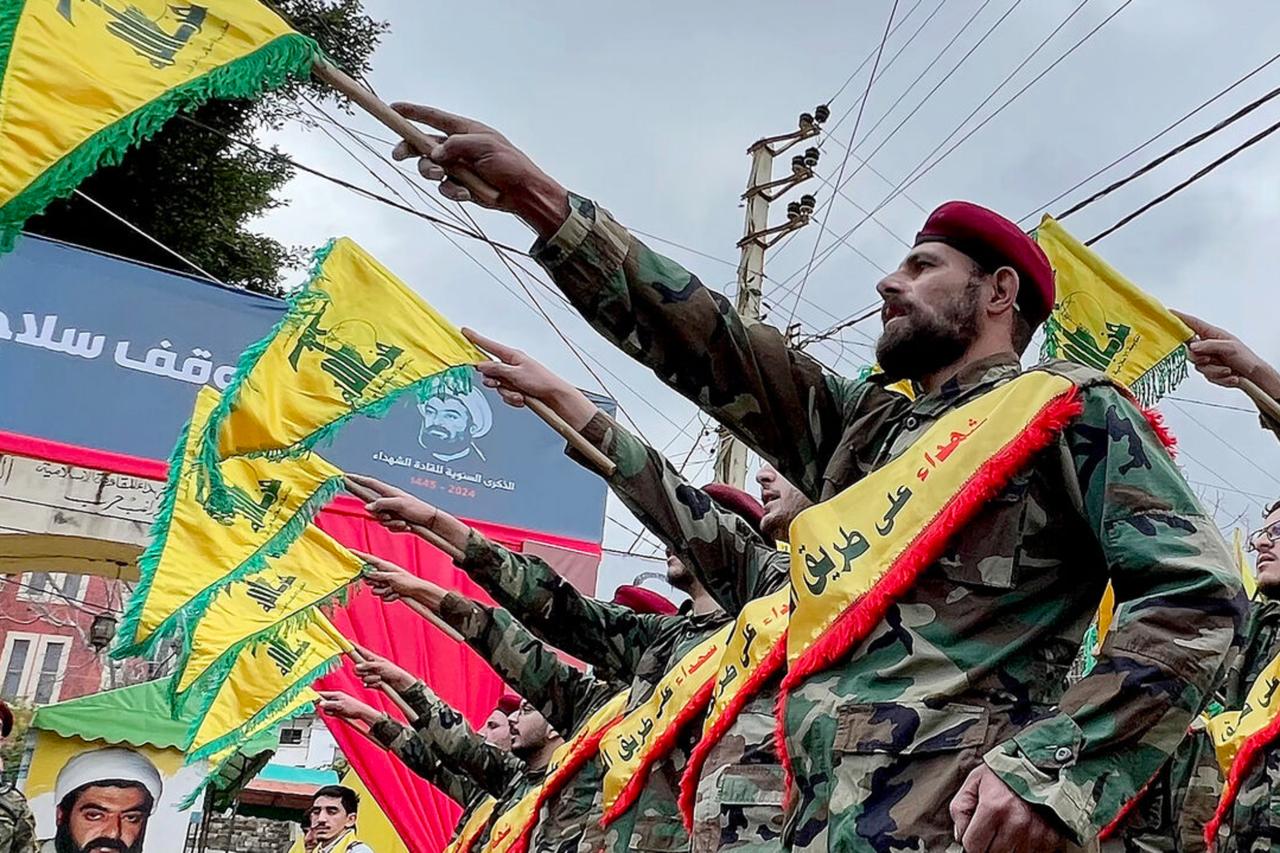
Hezbollah, which is designated a terrorist organization by the United States and several other nations, has vowed it will not surrender its weapons, setting up a potential collision with a government that appears increasingly determined to assert the state's monopoly on the use of force. The group amassed enormous military and political power over decades in southern Lebanon, operating as a virtual state within a state.
Some voices in Washington have urged Lebanon to enter direct negotiations with Israel, with the broader goal of normalizing relations between two states that have technically been at war since Israel's founding in 1948. In December, Lebanon appointed Simon Karam, a former ambassador to the United States, to the ceasefire committee, and he held talks with Israeli national security council official Uri Resnick in the presence of American mediators.
Salam, however, drew a careful distinction between the current security-focused discussions and any move toward a comprehensive peace agreement. He pointed to the US-mediated maritime boundary deal reached in 2022 as a model for limited, practical engagement. "We did it before, we did it when negotiating the limitations of the maritime boundaries," he said. "We have no problem, it's not taboo."
The task facing Salam's government is formidable. Lebanon, a Middle Eastern nation of roughly six million people approximately the size of the US state of Connecticut, has long served as a proxy battleground for the region's major powers, its internal politics shaped by the competing interests of Iran, Saudi Arabia, Israel and others.
Whether Beirut can translate its newly assertive rhetoric into tangible authority over its own territory, particularly against a militia that remains armed and defiant, will be a defining test of this government's credibility and of the ceasefire's durability.


 Set as preferred source
 Set as preferred source


 1 min read
 1 min read