Newsletters


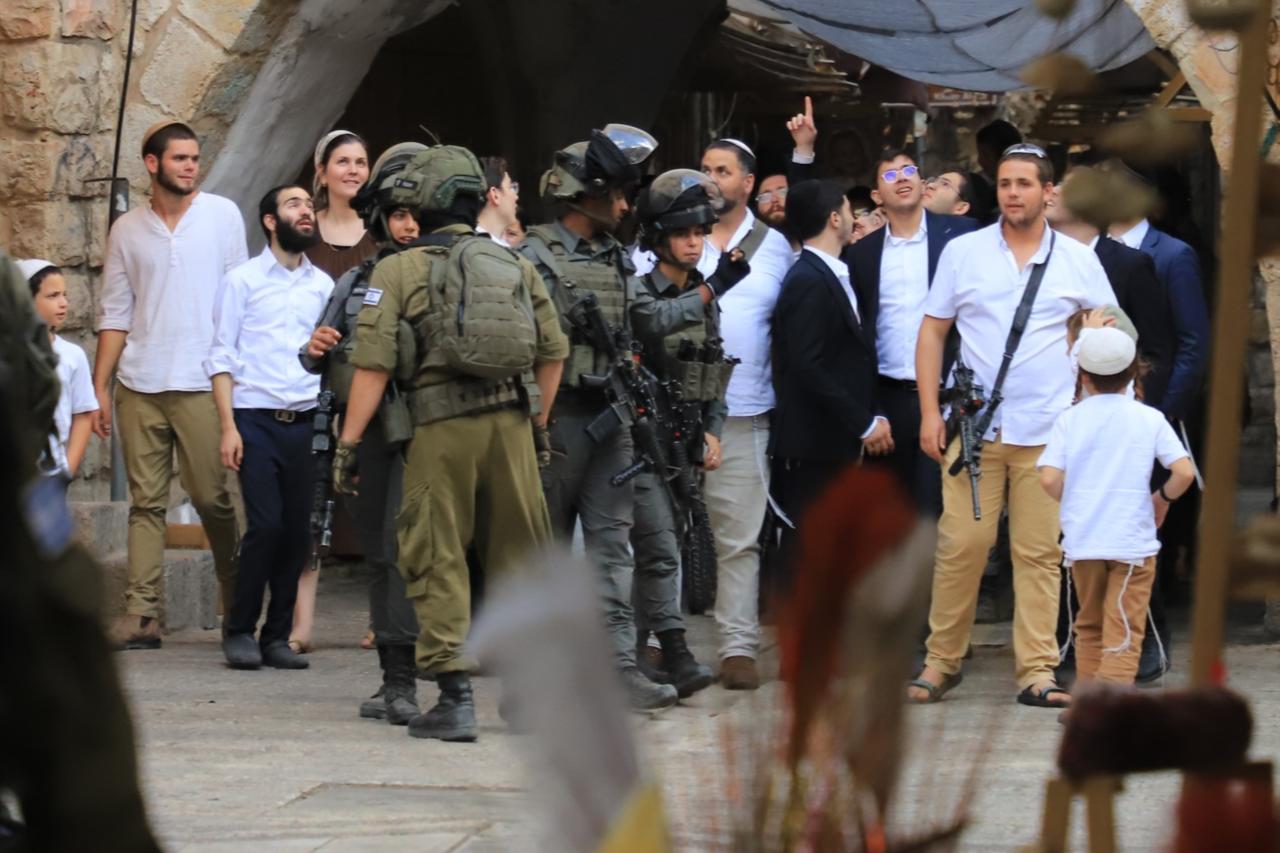


Israeli military commanders are reluctant to intervene against escalating "Jewish terrorism" in the occupied West Bank amid intense political pressure and fears of career repercussions, Israeli newspaper Haaretz reported Monday, citing defense officials.
According to the report, military commanders are increasingly weighing the political consequences of their decisions before taking action, mirroring changes within the Israeli police under far-right National Security Minister Itamar Ben-Gvir.
Fear of becoming targets of right-wing ministers and lawmakers, along with concerns that Defense Minister Yisrael Katz could interfere in promotion decisions, has spread to military units on the ground, directly affecting operational responses to ongoing Jewish terrorism in the occupied West Bank.
The report said commanders are reluctant to confront Israeli settler leaders or take action against soldiers and civilians who attack Palestinians, even in incidents involving foreign nationals, including European diplomats.
It emphasized that Israeli settlers maintain direct and regular contact with brigade and division commanders and, at times, with the political leadership.
These relationships have reportedly moved beyond security coordination, making settler leaders an influential force in shaping military priorities and operations.
The report said settler leaders are aware of their political influence, particularly as some members of the governing coalition view them as an important political force ahead of elections.
Field commanders, meanwhile, understand the potential personal consequences of taking action that could lead to confrontation.
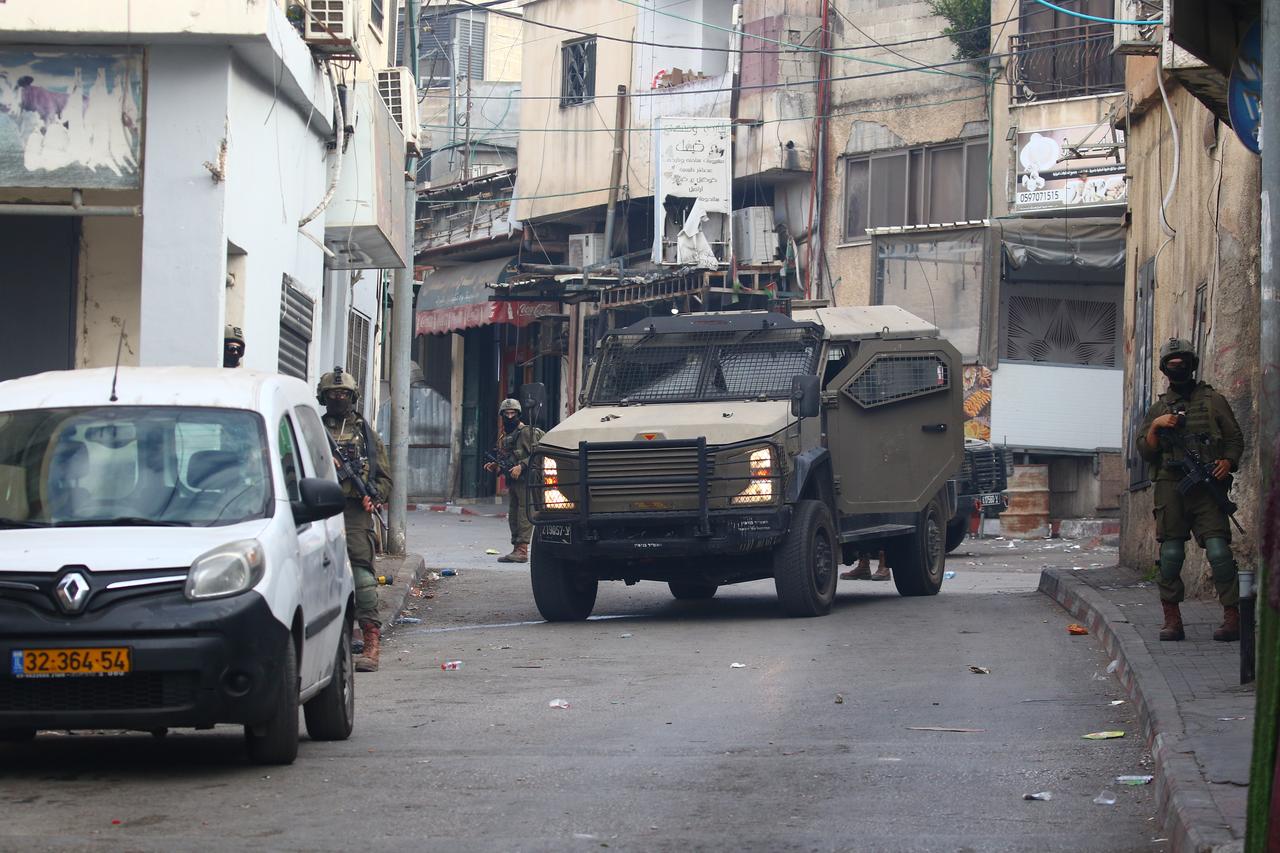

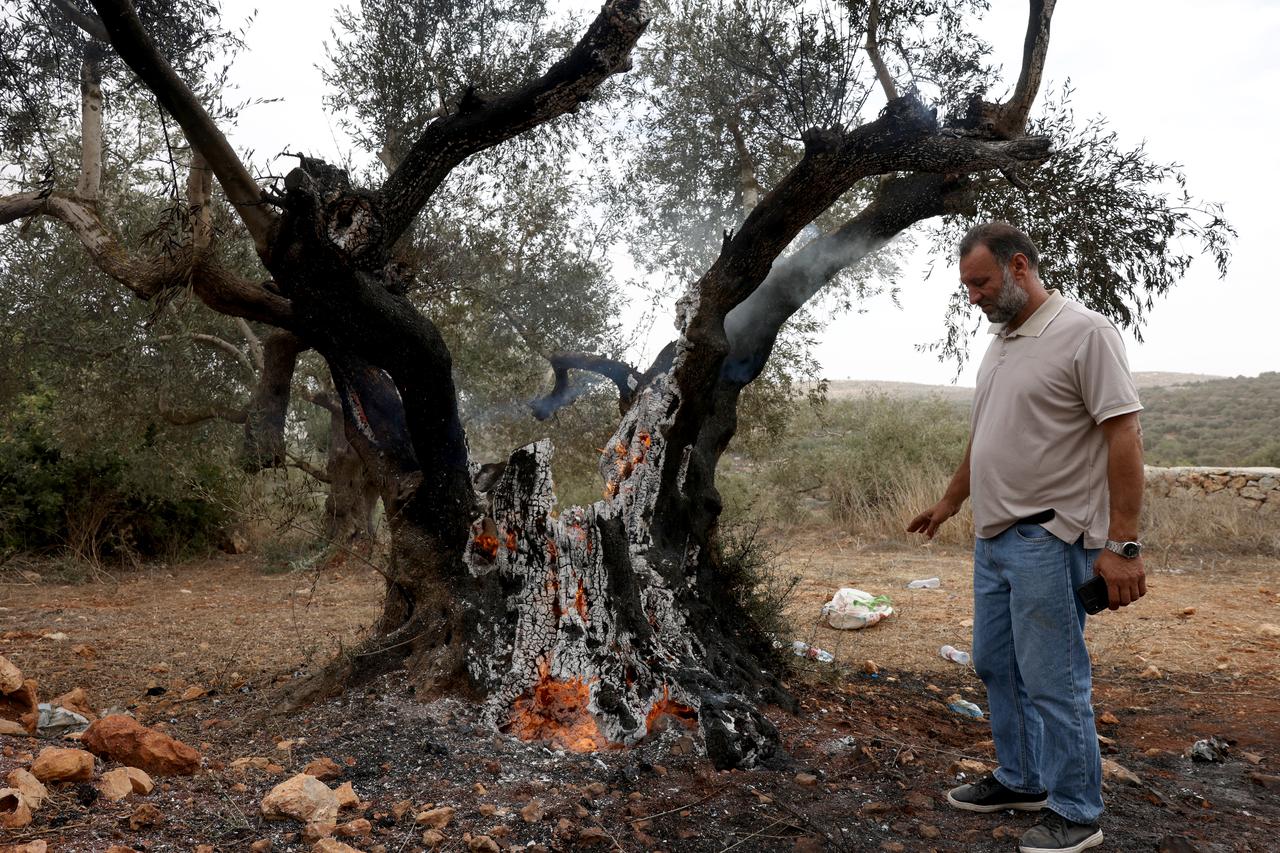
According to the report, an Oct. 17 attack in Taybeh targeting a diplomatic delegation exposed the gap between the Israeli military's operational capabilities and its reluctance to intervene against settler violence.
European diplomats were present in the area during the attack, which injured Palestinians harvesting olives and Israeli activists supporting them.
The Israeli military condemned the incident, saying it had not been informed in advance of the diplomats' visit and that reports of the attack had reached the wrong units. However, defense officials dismissed the explanation as unconvincing.
Officials said attacks by Israeli settlers have become routine incidents for the military rather than emergencies requiring immediate intervention, stressing that the army has sufficient personnel and resources to respond quickly to such incidents.
They emphasized that the real problem is commanders' failure to regard violence against Palestinians as an "emergency."
The officials suggested that the military would have responded much faster had it known from the outset that foreign diplomats were present.
The report cited another incident several weeks earlier as an example of how settler leaders influence military commanders' priorities.
An Israeli reservist who entered Area A of the West Bank, where Israeli citizens are prohibited from entering, was stopped at a Palestinian police checkpoint and handed over to the Israeli military, as routinely happens in similar cases.
However, after his release, the soldier told prominent settler figures that he had been "kidnapped by Palestinian police."
The allegation quickly spread, prompting Brig. Gen. Kobi Heller, the division commander, to personally visit the site the following day and investigate the incident with his Palestinian counterparts.
The report emphasized that the unusual intervention of a senior military officer in an incident that caused no injuries and resembled cases occurring every week demonstrated how settler pressure shapes the military's agenda.
By contrast, serious incidents of violence against Palestinians do not receive comparable attention, it said.
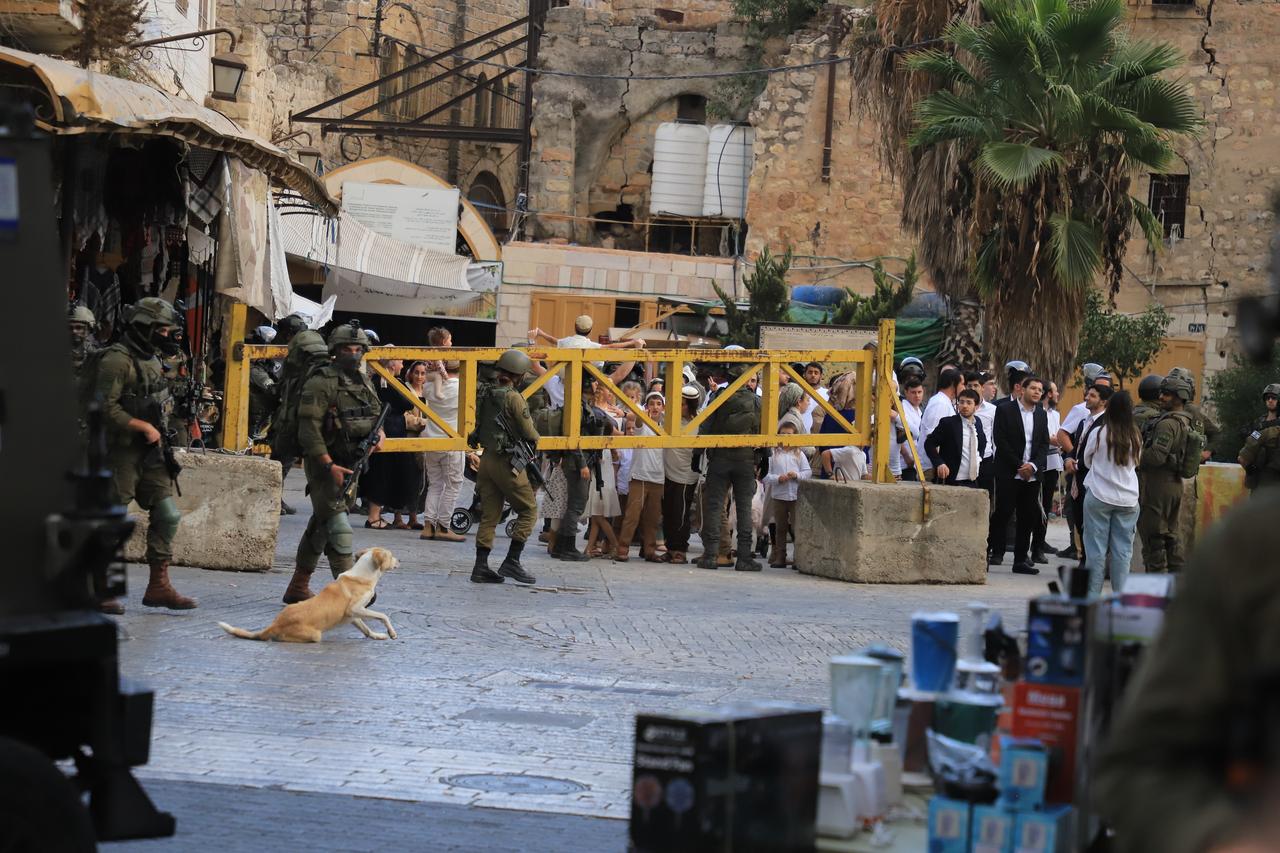
Military sources said another incident illustrating the political messages received by commanders occurred in August 2025.
According to the report, a visit by Israeli military Chief of Staff Eyal Zamir and Central Command chief Maj. Gen. Avi Bluth to an illegal settlement outpost was welcomed by right-wing lawmakers.
Officials said the presence of the chief of staff at such an illegal site, even without further action, sent a clear message to field commanders responsible for enforcing laws against similar unauthorized settlements.
They explained that commanders ordered to evacuate unauthorized structures are aware that their senior officers have visited similar locations and understand the potential implications of their actions.
The officials said this reinforced the perception that certain groups are effectively protected from confrontation by the military.
The report said field commanders' reluctance to confront Jewish terrorism was also evident in a March incident in which soldiers from the ultra-Orthodox (Haredi) 941st Reserve Battalion attacked a CNN crew.
Following the incident, Maj. Gen. Bluth temporarily suspended the battalion from operational duties over serious disciplinary and command violations, while individual soldiers faced disciplinary penalties.
However, the battalion's commanders were not removed from their positions.
The brigade commander's decision to visit the base where the soldiers were stationed that same night, offer them support, and even pray with them reportedly came as a surprise.
The report said the visit was intended to signal to the political establishment and Israeli settlers that military commanders stood behind their soldiers.
The report said investigating or arresting a soldier suspected of assaulting or killing a Palestinian could trigger a public campaign of vilification by right-wing ministers and lawmakers.
It noted that fear of losing their careers has led commanders to avoid initiating investigations, while the military and police shift responsibility for such cases onto each other.
A security official described the situation as follows:
"Every commander and senior officer knows very well that the arrest of a soldier suspected of killing a Palestinian could turn into another Elor Azaria case within hours."
Referring to the Azaria case, the official explained that officers issuing similar arrest orders would become direct targets of politicians and Israeli settlers.
Elor Azaria was convicted of fatally shooting a wounded Palestinian in the head in March 2016. He was released after serving nine months in prison.
Azaria, whose pardon was advocated by figures including current Defense Minister Yisrael Katz, was eventually pardoned by President Isaac Herzog.
A military source said that under these circumstances, the military and police prefer to debate jurisdiction rather than exercise their authority, with fear of investigations taking precedence over law enforcement.
Field commanders have reportedly told their superiors that they are reluctant to use force against Israeli settlers.
Reports of soldiers being physically assaulted and threatened at points of contact have also increased.
Defense officials warned that Jewish terrorism cannot be stopped through condemnations, investigations, and statements alone.
They stressed that as long as commanders fear the personal consequences of enforcing the law, the military's ability to prevent such violence will remain limited.


 Set as preferred source
 Set as preferred source


 1 min read

 1 min read