Newsletters


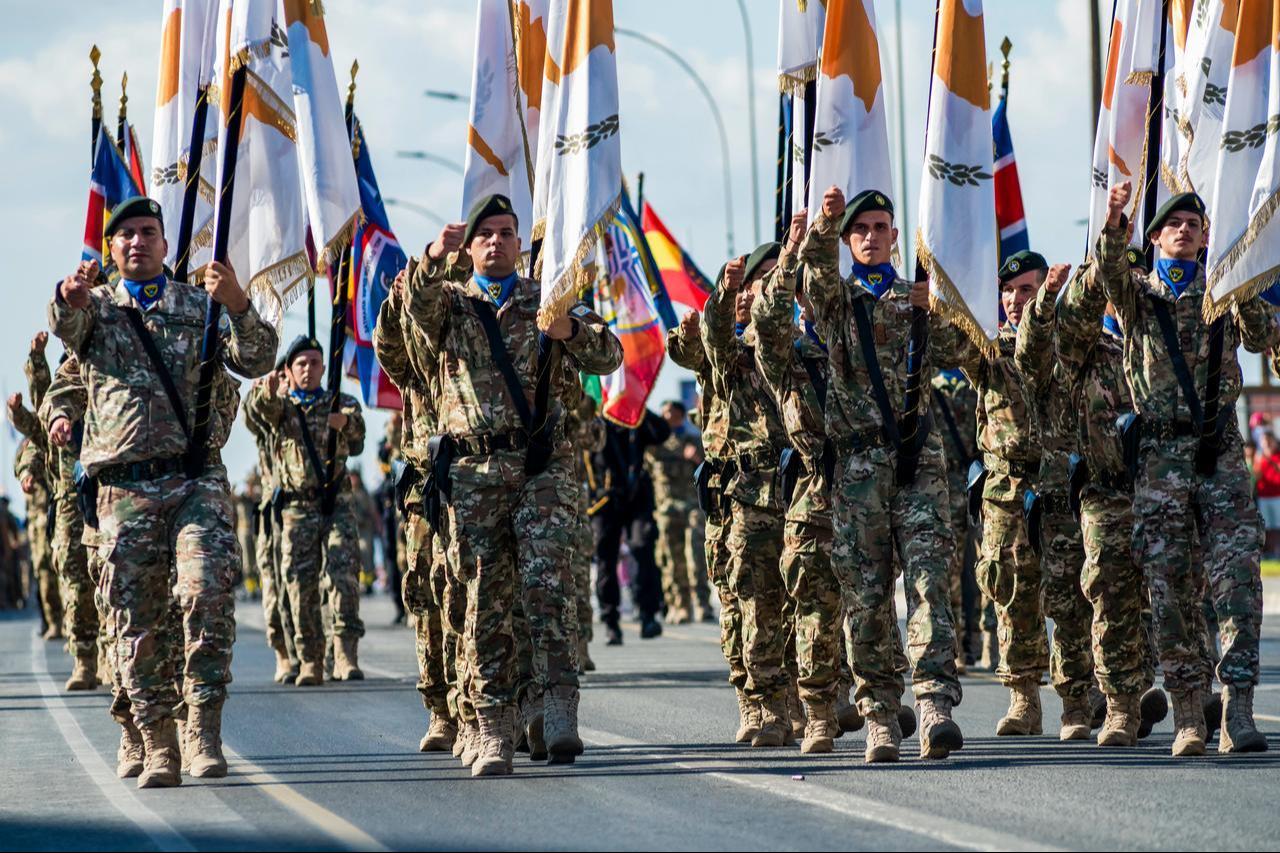
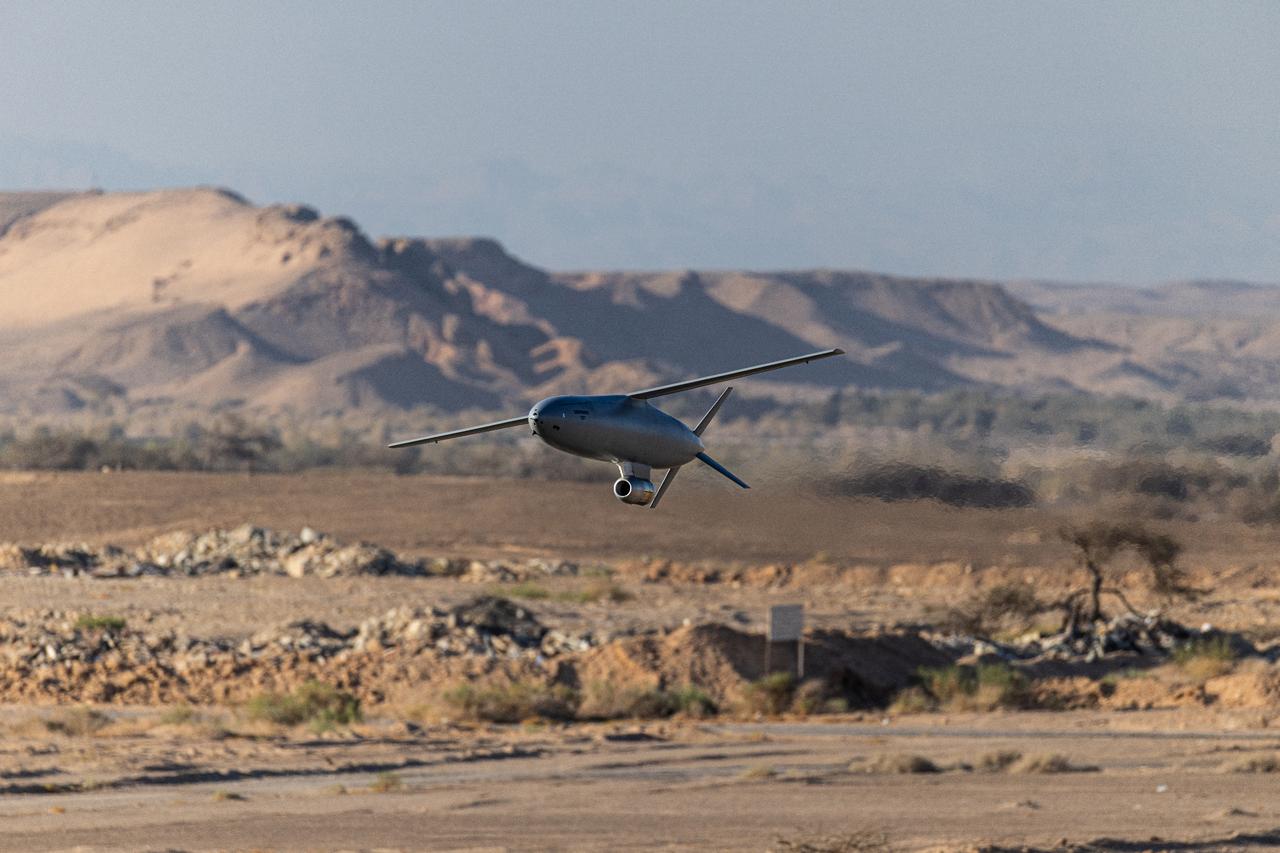
Major Israeli defense companies are preparing to establish production facilities in Greek Cyprus as they seek a larger share of the European Union's €150 billion SAFE defense program, according to the Greek Cypriot newspaper Philenews, citing senior government sources.
The companies' interest was discussed when Israeli President Isaac Herzog traveled to Nicosia last week and secured approval from Greek Cypriot leader Nikos Christodoulides, according to the report.
Philenews said Elbit Systems, the maker of Israel's Hermes unmanned aerial vehicles (UAVs), along with Israel Aerospace Industries (IAI) and missile maker Rafael Advanced Defense Systems, are all interested in investing in Greek Cyprus.
Smaller Israeli firms specializing in artificial intelligence (AI) and electronic warfare (EW) are also reportedly seeking to produce goods labeled "Made in EU" rather than "Made in Israel" by manufacturing in Greek Cyprus.
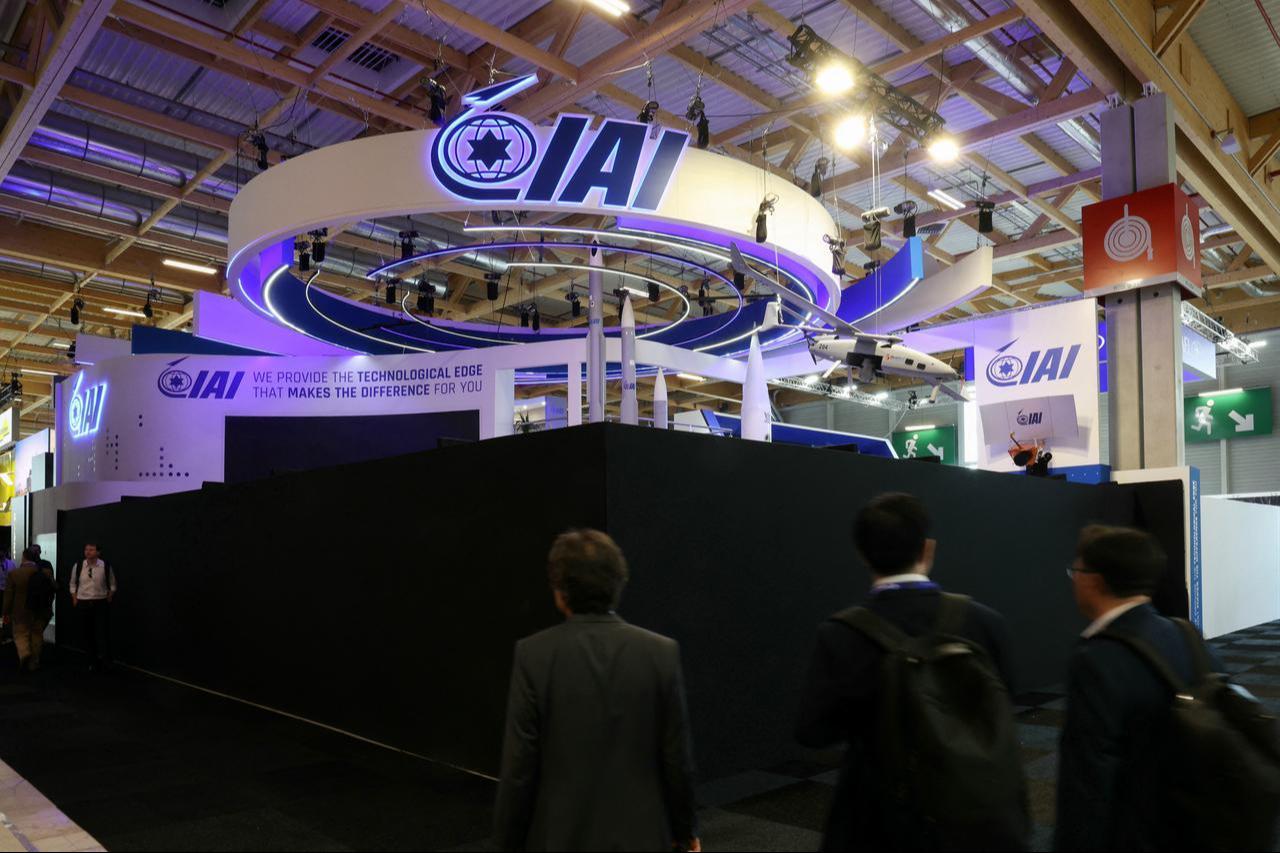

According to Philenews, sources familiar with the talks between Herzog and Christodoulides said Israeli defense companies are showing strong interest in establishing headquarters and industrial facilities on the island, driven both by their existing relationships with EU countries and by the SAFE program.
The potential benefits for Greek Cyprus would be twofold: economic contribution and support for the country's own defense capabilities, particularly in systems tied to modern warfare, according to the outlet.
Israeli companies operating in Europe increased their revenue and profitability last year despite ongoing political friction between Israel and EU governments.
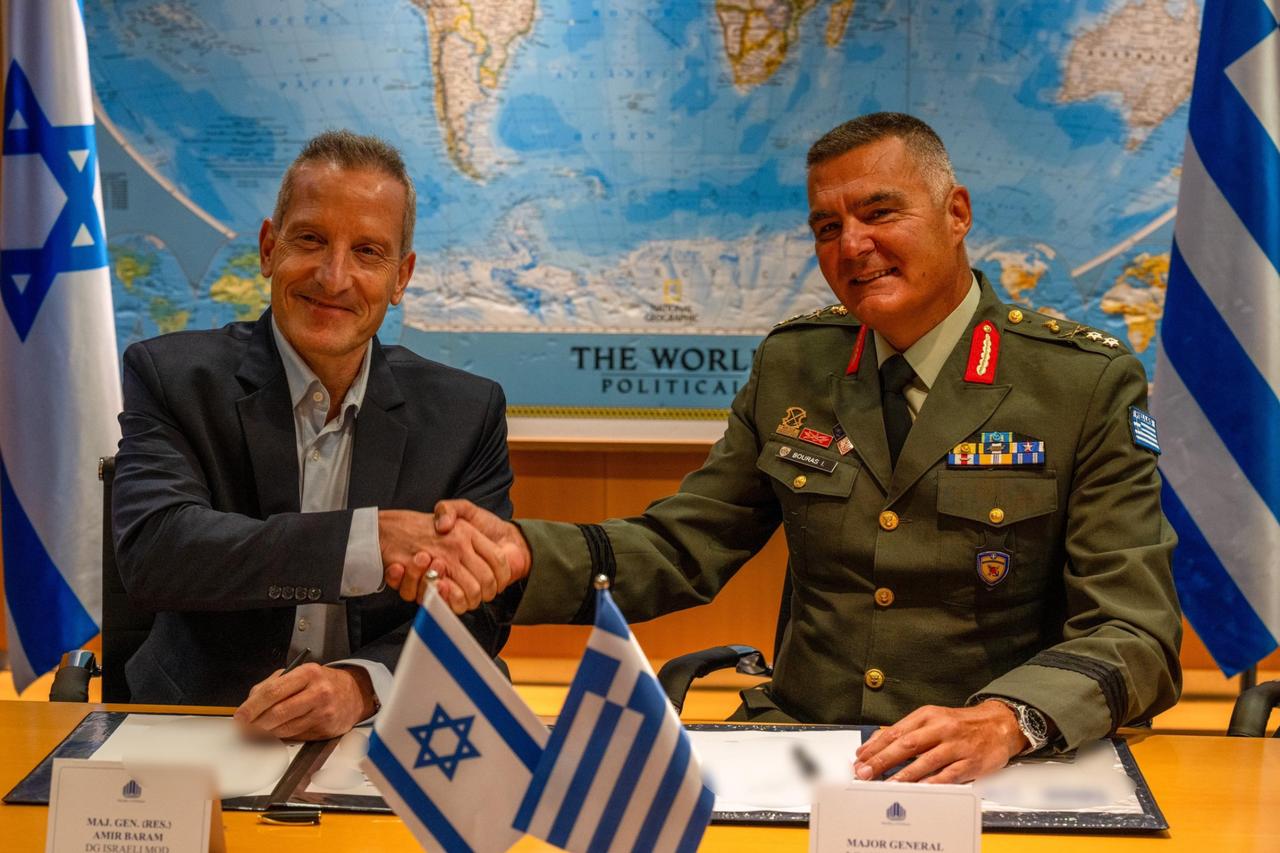
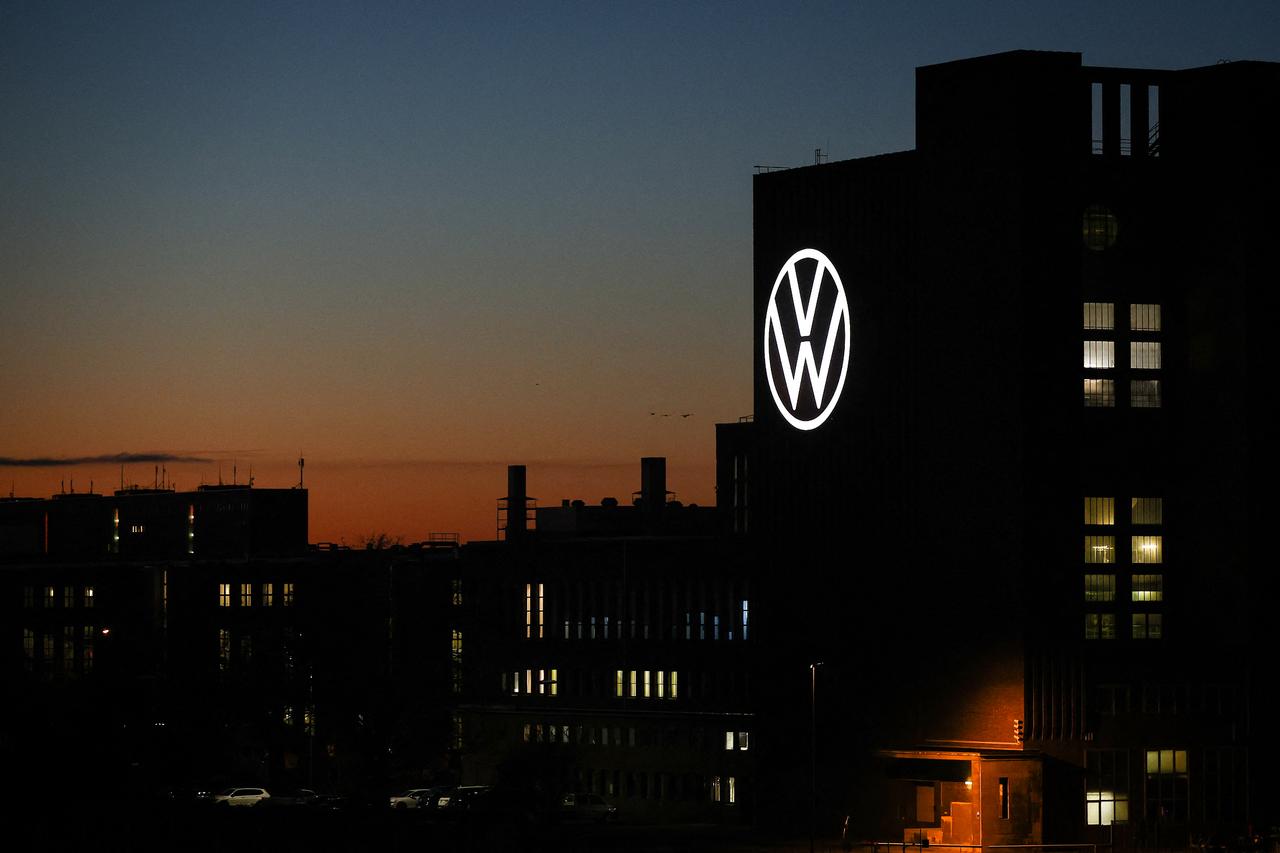
Elbit Systems already operates a production hub in Romania, Volkswagen has agreed to hand over its Osnabruck plant in Germany to Rafael, and Israel recently signed a series of cooperation agreements with Greece aimed at selling into the EU market from Greek territory.
Despite politically strained relations between the EU and Israel, cooperation between individual European states and Israel's defense industry has remained largely insulated from that tension, according to a Politico investigation documenting the scale of existing agreements.
Examples cited included a €25 million ($28.8 million) Dutch contract awarded to Elbit Systems' C4I and Cyber division in 2025 for battlefield management systems; a €1.17 million no-tender Spanish contract awarded to Rafael in 2024, even as Spanish Prime Minister Pedro Sanchez later canceled €1 billion in other defense contracts with Israel over the war in Gaza and a €6.5 million Danish contract awarded to Elbit Systems Deutschland in September 2025 for signal-processing equipment.
Germany and Israel signed a memorandum in January covering a cyber shield built with Israeli technology on German soil, and in February, Greece, Greek Cyprus and Israel inaugurated a maritime cybersecurity center in Nicosia.
Italy introduced a procurement incentive in 2024 treating Israeli cybersecurity software on equal footing with EU and NATO products in public tenders.
Romania has become one of Elbit Systems' main European production hubs, operating seven facilities there that provide 1,000 direct jobs and more than 2,500 indirect jobs.
In Germany, Rafael, together with the state of Lower Saxony and investment fund Aurelius, is converting Volkswagen's Osnabruck plant into a defense center, a move that preserved hundreds of jobs at the facility.
Greece became more deeply integrated into this network after state-owned IAI acquired Greek defense company Intracom Defense, bringing production and development work for European-funded programs directly to Greek facilities.
The combined annual revenue of Israel's three largest defense companies exceeded $21.5 billion in 2025, according to figures cited by Philenews.
Elbit Systems reported $7.94 billion in revenue, up from $6.83 billion in 2024, with an order backlog approaching $25 billion. IAI's revenue reached $7.38 billion, a 21% increase from $6.11 billion the previous year.
Rafael's revenue rose to $6.28 billion from $4.85 billion, with the Iron Dome manufacturer selling roughly half its output abroad.
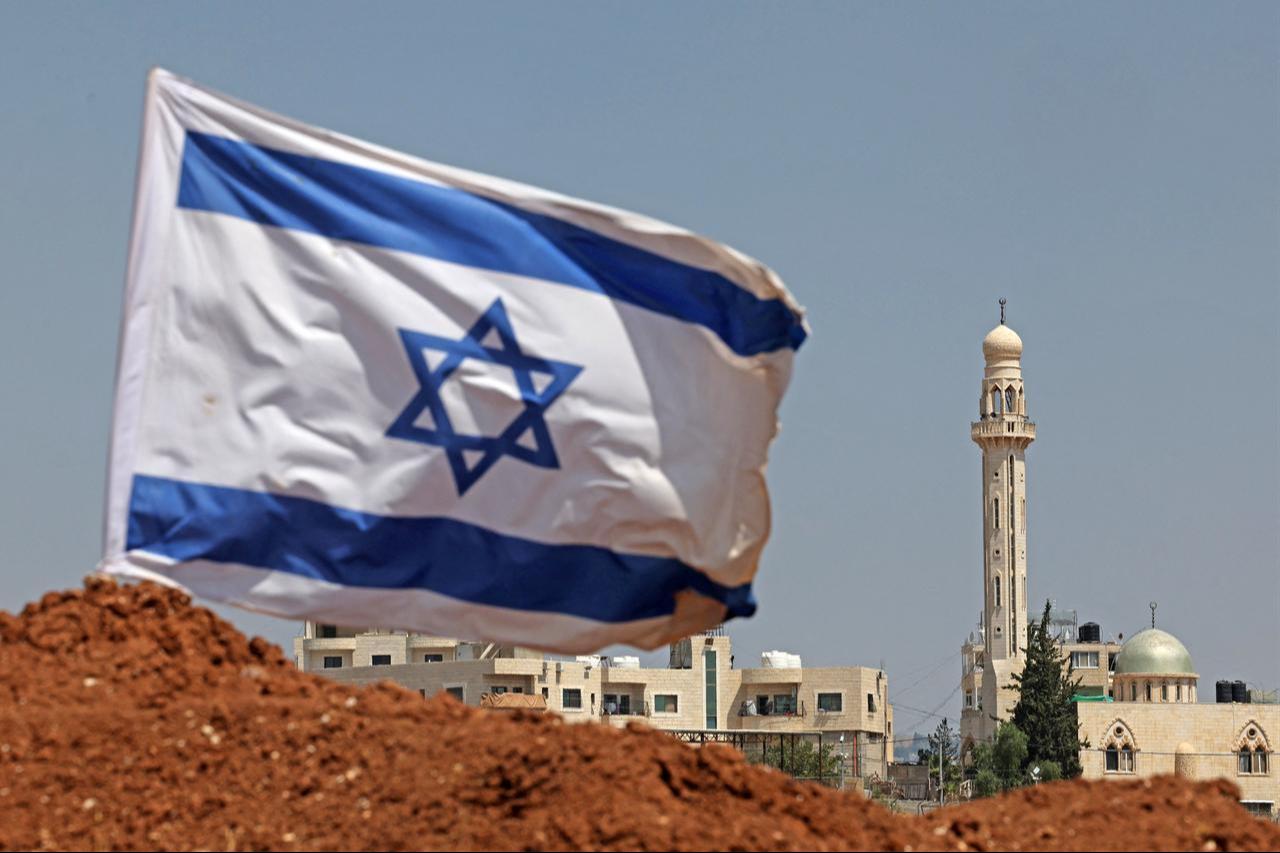
Politico reported that criticism of the growing reliance on Israel has emerged even as agreements continue.
France has repeatedly restricted Israeli government participation at major arms shows, while Finland faced criticism in May for co-organizing a defense-tech seminar with Israel's defense ministry.
"If the goal is to strengthen European autonomy and sovereignty, then you cannot replace one type of dependency with another," Finnish left-wing MEP Li Andersson told Politico, adding concerns about Israeli firms marketing products tested "in some cases, against Palestinians living under Israeli occupation."
German Green MEP Hannah Neumann told Politico that deepening reliance on Israel could weaken Europe's ability to hold Israel's foreign policy accountable.
"I would prefer German resources and political energy to go into strengthening Europe's autonomy," she said.
Niclas Herbst, a German center-right lawmaker on the European Parliament's Delegation to Israel, offered a different view, telling Politico that Israel provides capabilities the European defense industry lacks in cybersecurity and air defense.
"It's for the benefit of Europe to have a stable and reliable relationship with Israel in this regard," he said, framing the debate as a practical trade-off: "It's a question of what do we want to buy? Do we want to buy a good conscience or do we want to buy defense products?"
"Looking right now on our relations with the EU, yes, there are challenges," Avi Nir-Feldklein, Israel's ambassador to the EU, told Politico, adding, "But when you look at what we're doing on the bilateral level with EU member states, the constructive, practical cooperation is intensive and flourishing."


 Set as preferred source
 Set as preferred source


 2 min read
 1 min read