

 Newsletters


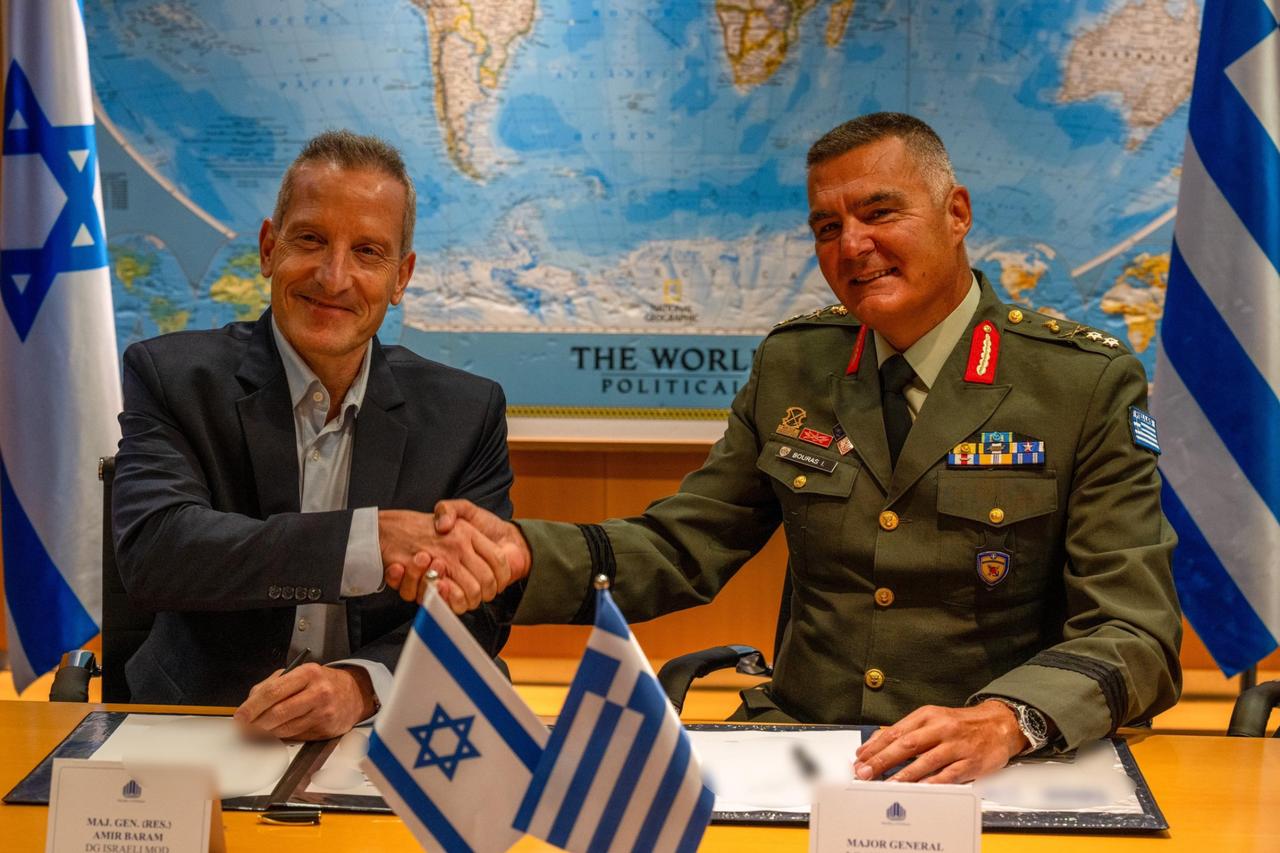


A statement by an Israeli defense official confirming that Greece will not receive source code access for the "Achilles Shield" air and missile defense system it is acquiring from Israel has triggered criticism from the press and opposition parties in Greece.
Criticism intensified after Moshe Patel, director of the Israeli Missile Defense Organization, told the newspaper Kathimerini that Greece would not have access to the source code.
The opposition Panhellenic Socialist Movement (PASOK) called on the government to clarify whether Greece would be able to access the system's source code.
PASOK's defense spokesperson, Michalis Katrinis, said in a written statement that Defense Minister Nikos Dendias had said in a July 23 speech that procurement of systems for the Greek Armed Forces would not proceed without source code access.
Katrinis noted that Israel's Defense Ministry, in an Aug. 31 statement, said the new national command and control infrastructure would be developed by Israel's Rafael company.
He said Patel's remarks to Kathimerini that Greece would not have source code access raised questions about ownership and access rights to the code.
"Will the Achilles Shield source code ultimately belong to Greece?" Katrinis asked, saying the matter had been raised in parliament on Sept. 1 and that his party was awaiting a written response from the Defense Ministry.
Katrinis said the source code issue carried significant weight for protecting national interests in a multibillion-euro defense procurement, calling for the technical and legal terms of the agreement to be made public.
The Greek Left Alliance (ELAS), founded by former Prime Minister Alexis Tsipras, said Patel's statement raised serious questions about the system's management and the protection of "national interests."
The party said the government had been left exposed on the issue and warned that without full control over the system, Greece could become dependent on outside parties.
The newspaper Efimerida ton Syntakton reported that Israel's most recent briefing referenced technology transfer and joint use of software and technology with the Greek Armed Forces, but did not explicitly state that the source code itself would be handed over.
The newspaper said that when Patel was asked in the Kathimerini interview whether Greece would have access to the source code linked to Achilles Shield's command and control capabilities, he replied: "No, because the source code was not included in the agreement's usage license."
Efimerida ton Syntakton further claimed that this question-and-answer segment had at one point been removed from Kathimerini's website, before the text was later updated to include new information from Israel's Defense Ministry referencing "technology transfer" and "joint use of software and technology."
The newspaper To Vima, in an analysis titled "Murky picture over source code in Achilles Shield," wrote that Patel's statement that "the source code was not included in the licensing agreement" had raised serious questions in Athens and appeared to contradict earlier statements from the Greek side.
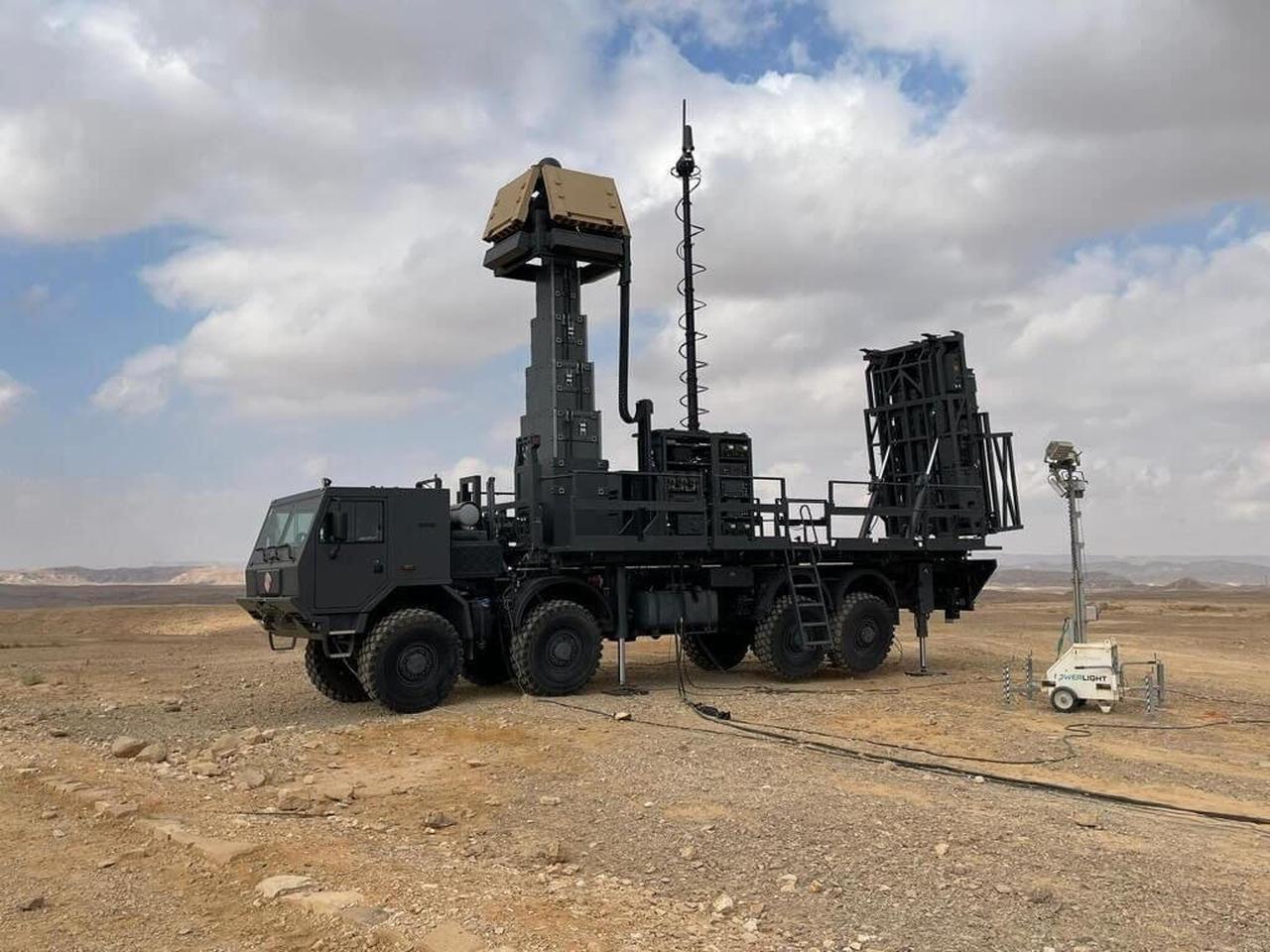

In the interview, Patel described Achilles Shield as a multi-layered system combining Rafael's Spyder system for outlying islands, Barak MX for islands closer to the mainland, and David's Sling for broader coverage of the mainland and surrounding islands, supported by ELTA-built radars and an integrated command and control system.
Asked directly whether Greece would have access to the source code related to command and control capabilities, Patel said: "No. Because the source code was not included in the usage license of the agreement. However, I repeat, we are there to provide support and maintenance, as well as any kind of help and whatever else may be needed in the future."
Patel said Israeli systems are fully interoperable and equipped with Link 16 capability from day one, though he noted that connecting David's Sling to other NATO systems requires a U.S.-approved "connection plan," given that David's Sling was developed under U.S. government licensing terms.
He said Spyder and Barak MX face no such restriction.
Patel said the agreement includes local co-production in Greece, with domestic industrial participation set at roughly 25%, and that Israeli industry has begun working with candidate Greek companies on the details.
He said Greek military personnel would be trained in Israel, with training also available in Greece if needed, and that the deployment timeline, while not disclosed publicly per Greek regulations, does not extend over a decade.
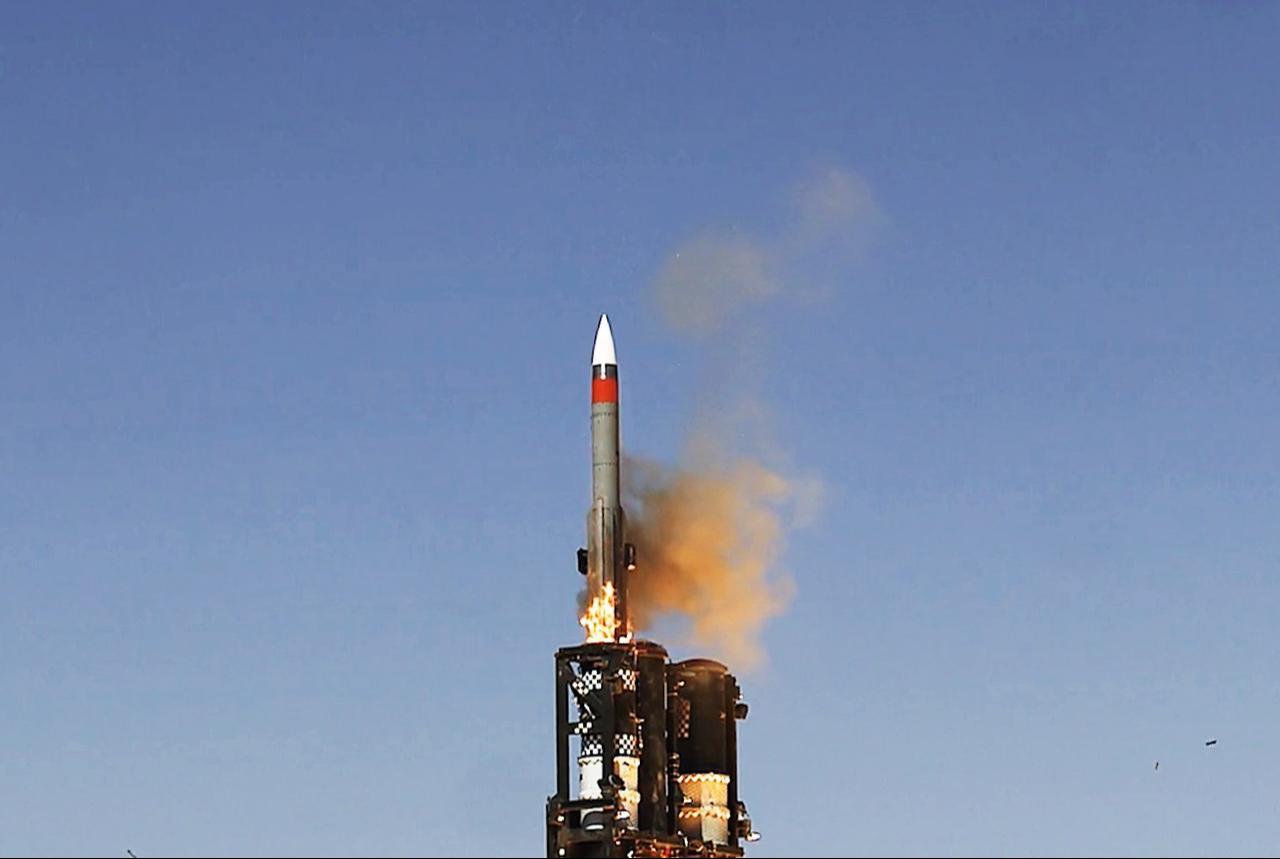
Israel and Greece signed the approximately €3 billion ($3.5 billion) Achilles Shield air defense agreement in Tel Aviv on Aug. 31, with Israel's Defense Ministry saying it would give Greece its first integrated, multi-layered air defense network combining the Spyder, Barak MX and David's Sling systems, along with ELM-2084 multi-mission radars.
A separate €26 million ($30 million) deal was signed for Rafael's Drone Dome systems to protect strategic sites against drones.
The agreement also provides for expanded industrial defense cooperation, including technology and knowledge transfer to Greek industry.
Greek opposition parties have criticized the deal as increasing Greece's defense dependency on Israel, placing a financial burden on Greek taxpayers, and tying Greek regional policy more closely to Israel.
Former Greek Finance Minister Yanis Varoufakis called the agreement "shameful," saying that "despite the vast majority of Greeks opposing the genocidal apartheid state, we allowed our ruling class to stain Greece with this disgraceful agreement."
Press commentary has also criticized the deal's cost and its implications for technological and strategic dependency on Israel and for Athens' position in the Middle East.
Writing in an opinion piece, defense analyst Arda Mevlutoglu described Achilles Shield as "a sensor network stretching from Thessaloniki to Tel Aviv, with Cyprus filling the gap between, and Türkiye sitting directly beneath its widening gaze."
Mevlutoglu wrote that while the missile interceptors are the most visible part of the deal, the sensor architecture, including the ELM-2084 radar and integrated command systems, could prove more consequential, potentially giving Israel "a much richer picture of military activity on Türkiye's western and southern approaches" if Greek and Greek Cypriot systems become closely integrated with Israeli-origin technology.
Mevlutoglu argued the deal fits into what he called an emerging "re-containment" strategy by Israel aimed at limiting Türkiye's regional room for maneuver through closer military ties with states on Türkiye's periphery, while also noting that Greece's move undercuts European efforts to build a more autonomous, Europe-based air defense industrial base.
He wrote that a shared Greek-Israeli F-35 fleet could further deepen military integration between the two countries in the years ahead, potentially freeing Greek combat aircraft from defensive duties to focus on offensive and power-projection missions.


 Set as preferred source
 Set as preferred source


 2 min read

 1 min read



