

 Newsletters


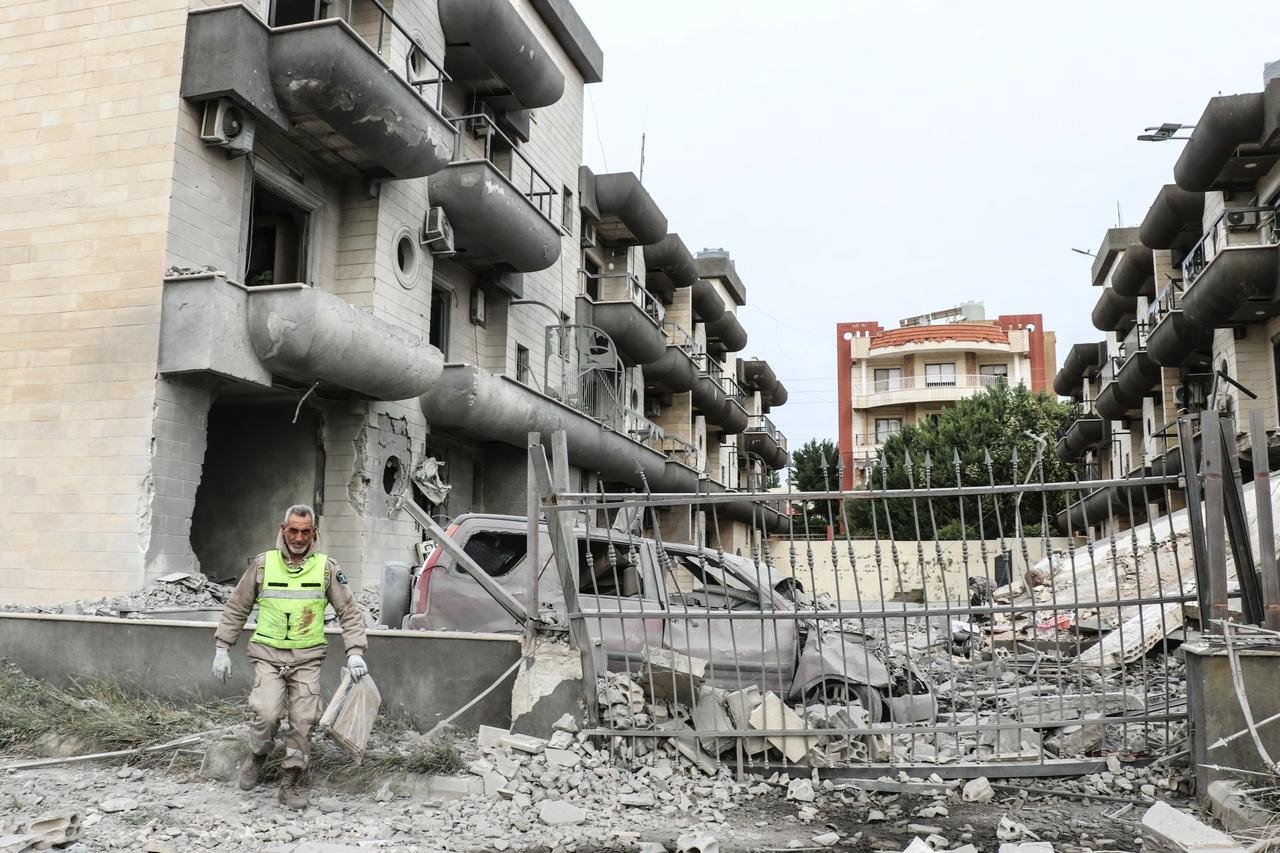


Israeli forces are demolishing villages in southern Lebanon using methods similar to those used in Gaza, Haaretz reported, citing soldiers and officers who said the army is expanding outposts near the border and pushing deeper into Lebanese territory as fighting with Hezbollah continues.
According to the report, Israeli troops have advanced to the third line of villages from the border, about 20 kilometers south of the Litani River, where they are now operating.
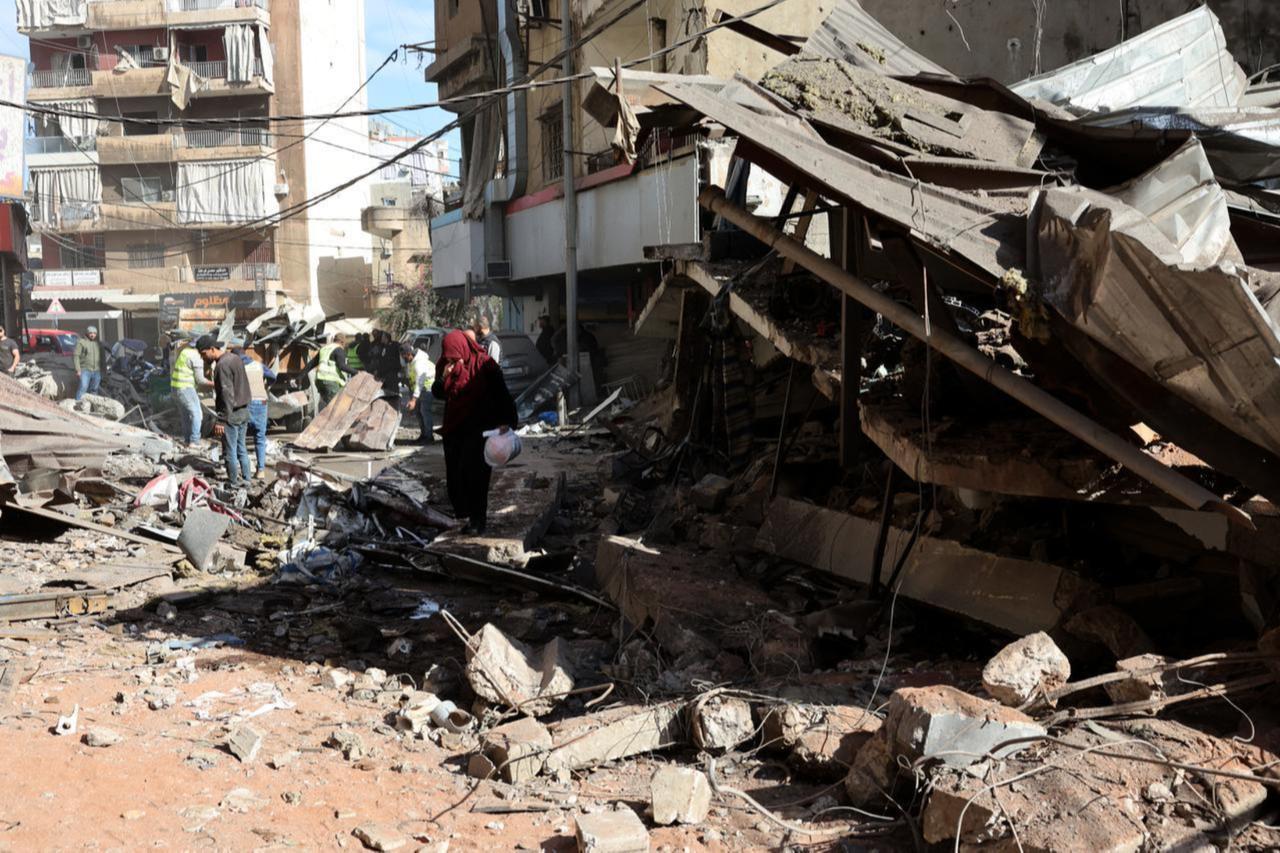
Soldiers told Haaretz that combat engineers and bulldozers are razing villages near the border fence to clear space for new military outposts and create a buffer zone.
“We’re behaving just like we did in Gaza,” one army source told the newspaper. “There’s a list of homes to be demolished, and we measure success based on the number of buildings destroyed in a day.”
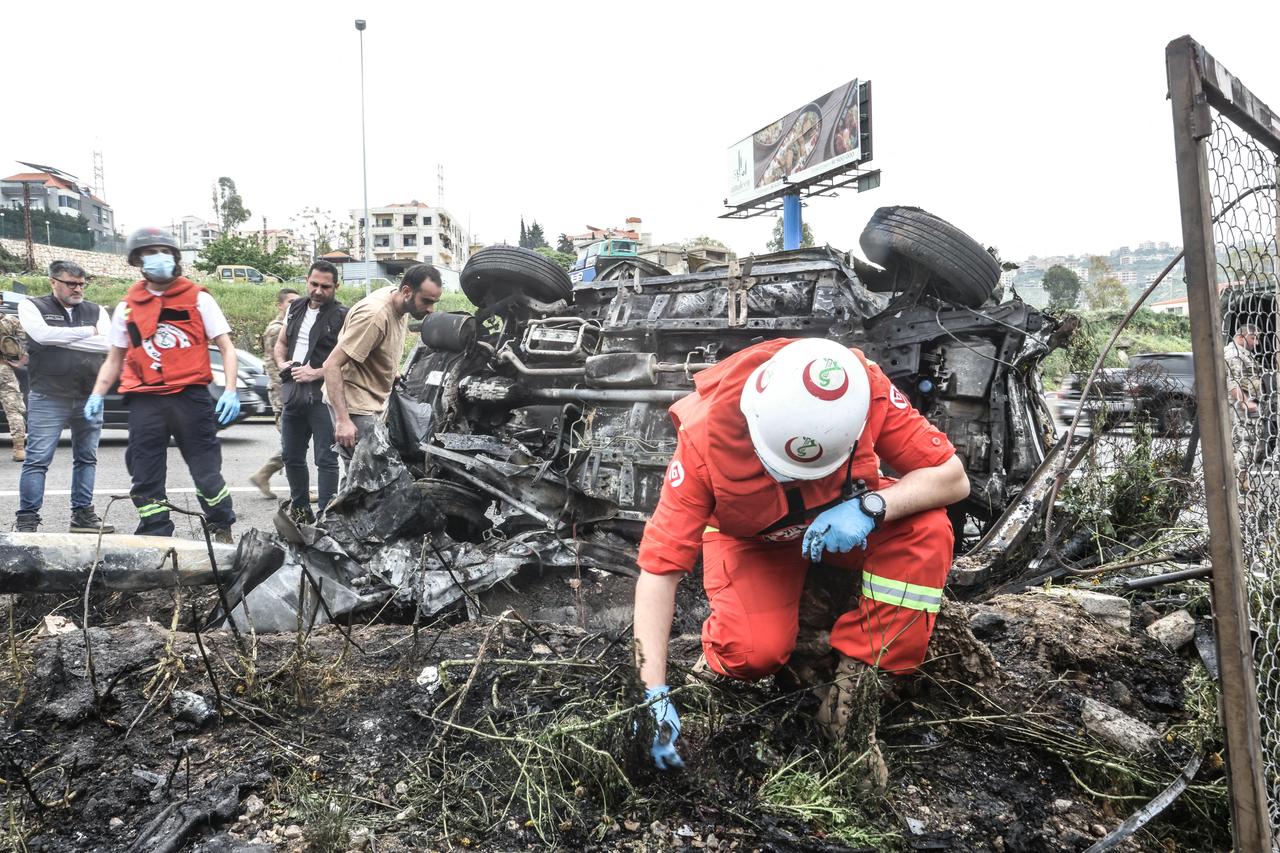

Haaretz reported that the Israeli army had five outposts in southern Lebanon after the cease-fire agreement was signed in November 2024, but is now building additional outposts and expects the total number to double.
The stated aim is to protect towns in northern Israel and push Hezbollah north of the Litani River.
But soldiers and officers cited in the report said the new outposts were likely to become focal points for prolonged conflict with Hezbollah and would remain vulnerable to ground incursions, rocket fire, drones, and anti-tank missiles.
One combat soldier told Haaretz the new facilities did not appear temporary.
“These are permanent outposts that will be manned for a long time,” he said. “Nobody really knows where this is going.”
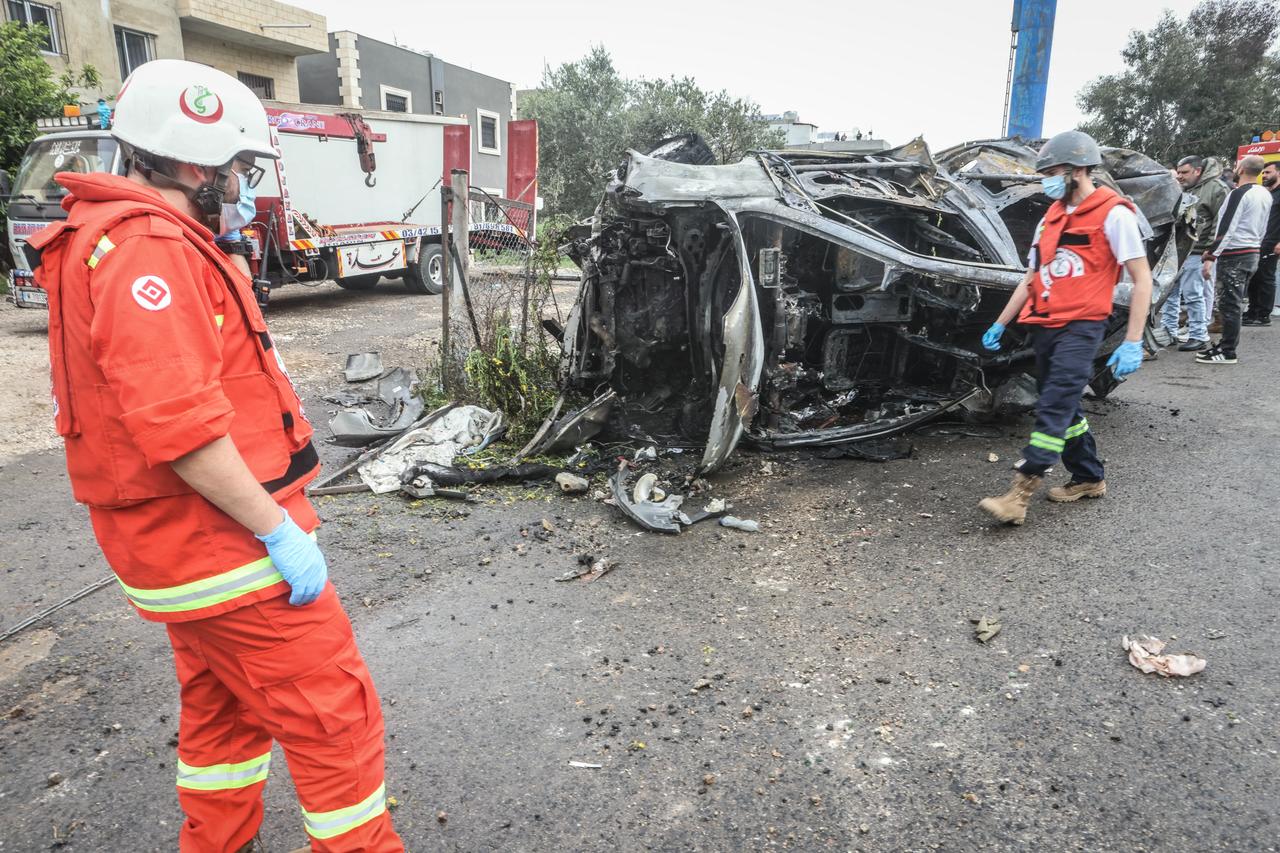
Multiple soldiers and officers told Haaretz that the army was operating in Lebanon with tactics used previously in Gaza.
According to the report, bulldozers and combat engineers have been flattening villages near the border, sometimes using the same “unofficial” forces that demolished homes in Gaza.
Soldiers said there were also numerical targets for the number of buildings to be destroyed.
Another military source serving as a reservist told the newspaper that the army was applying the same methods in Lebanon despite major differences between the two battlefields.
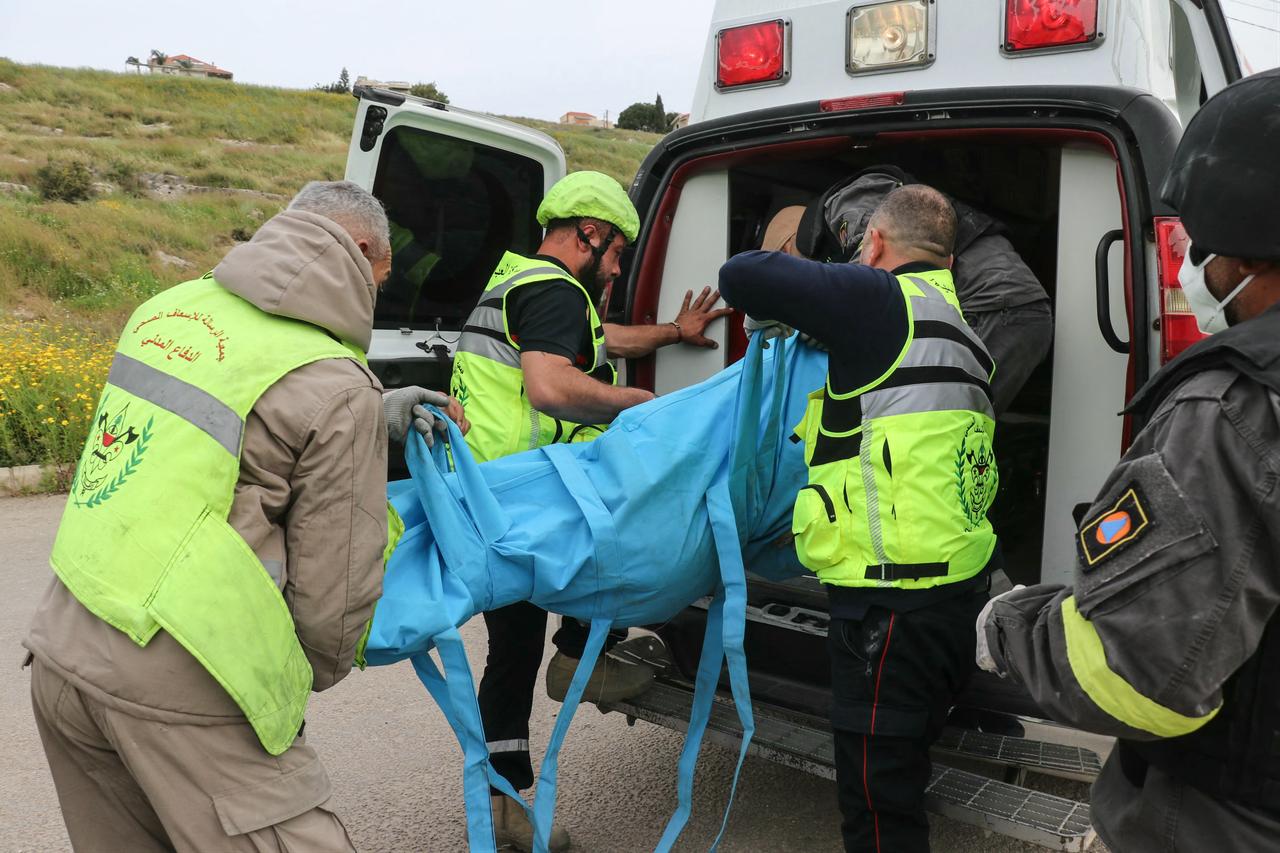
An officer who had commanded troops in Gaza and is now serving in Lebanon told Haaretz that Gaza’s flat terrain made operational control easier, while southern Lebanon’s hills, dense villages, and more complex topography made control harder and gave Hezbollah an advantage.
“Not everything that worked in Gaza is suitable here,” he said. “But it looks like the system is operating as if it were the same theater.”
Another officer agreed, saying the terrain works to Hezbollah’s benefit and allows the group to strike Israeli forces from both nearby and distant positions.
The report said that while support for the goals of the operation remains broad among reservists, there is growing concern in the field that no clear overall strategy has been defined.
 1 min read

Earlier this month, Haaretz reported that the army intended to submit a plan to the government for a security zone in southern Lebanon, although officers said at the time there was no plan to build additional outposts there.
Now, despite the army’s denial that there is any official plan to keep a permanent security zone after the fighting ends, soldiers and officers told the newspaper that the current operation could evolve into a de facto security zone.
One soldier questioned whether the army’s presence inside Lebanon could itself increase Hezbollah’s motivation to fire on communities in northern Israel.
“If this move doesn’t end in a diplomatic agreement,” one soldier said, “the public needs to understand that the IDF has effectively returned to the Security Zone in Lebanon more than 20 years after leaving it.”
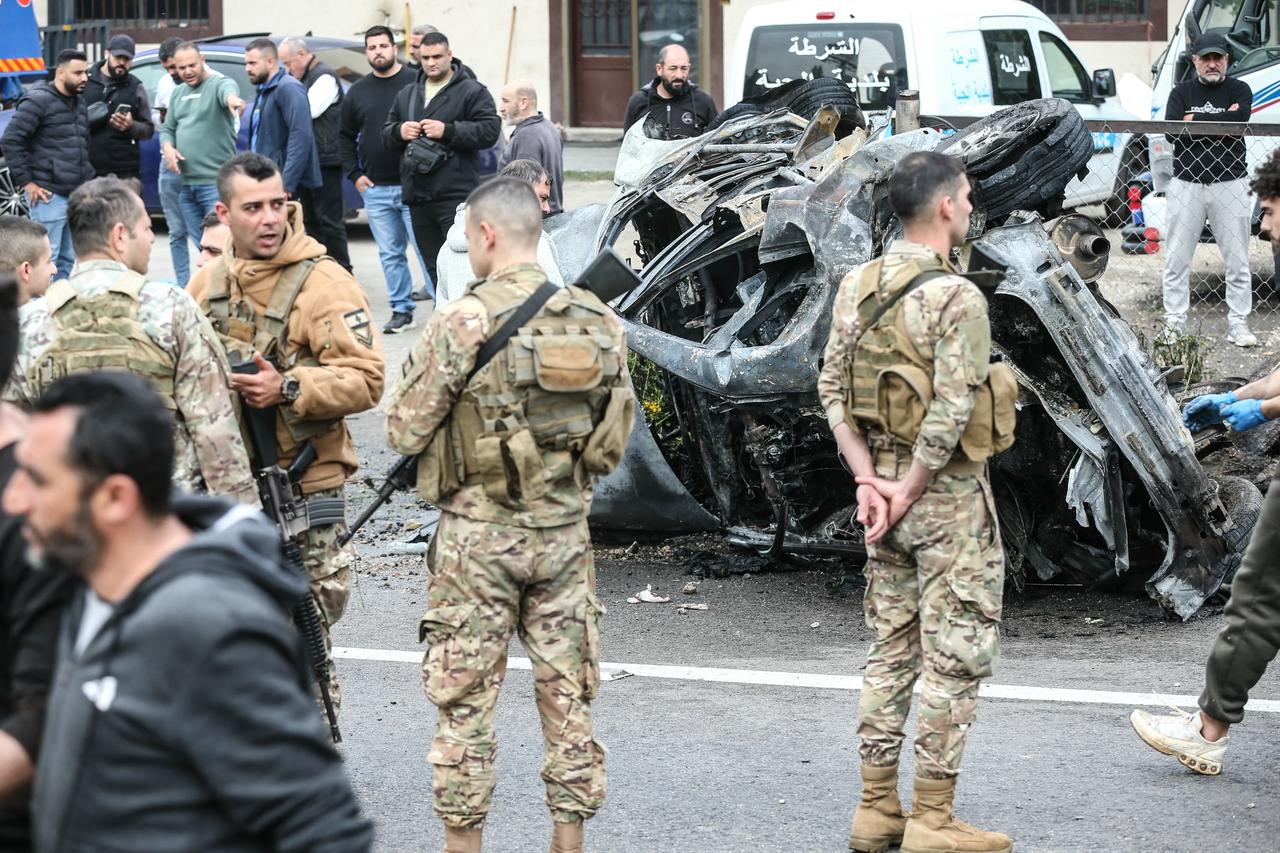
Senior Israeli officers told Haaretz that the army began redeploying in Lebanon on government orders as soon as the war with Iran began at the end of February.
As part of that redeployment, troops moved farther into southern Lebanon and are now operating in the third line of villages from the border, according to the report.
Haaretz said the expansion of outposts and demolition of villages was being carried out in that context, as Israel continues operations against Hezbollah, while questions mount among troops over the long-term goal of the campaign.


 Set as preferred source
 Set as preferred source


 1 min read



