Newsletters


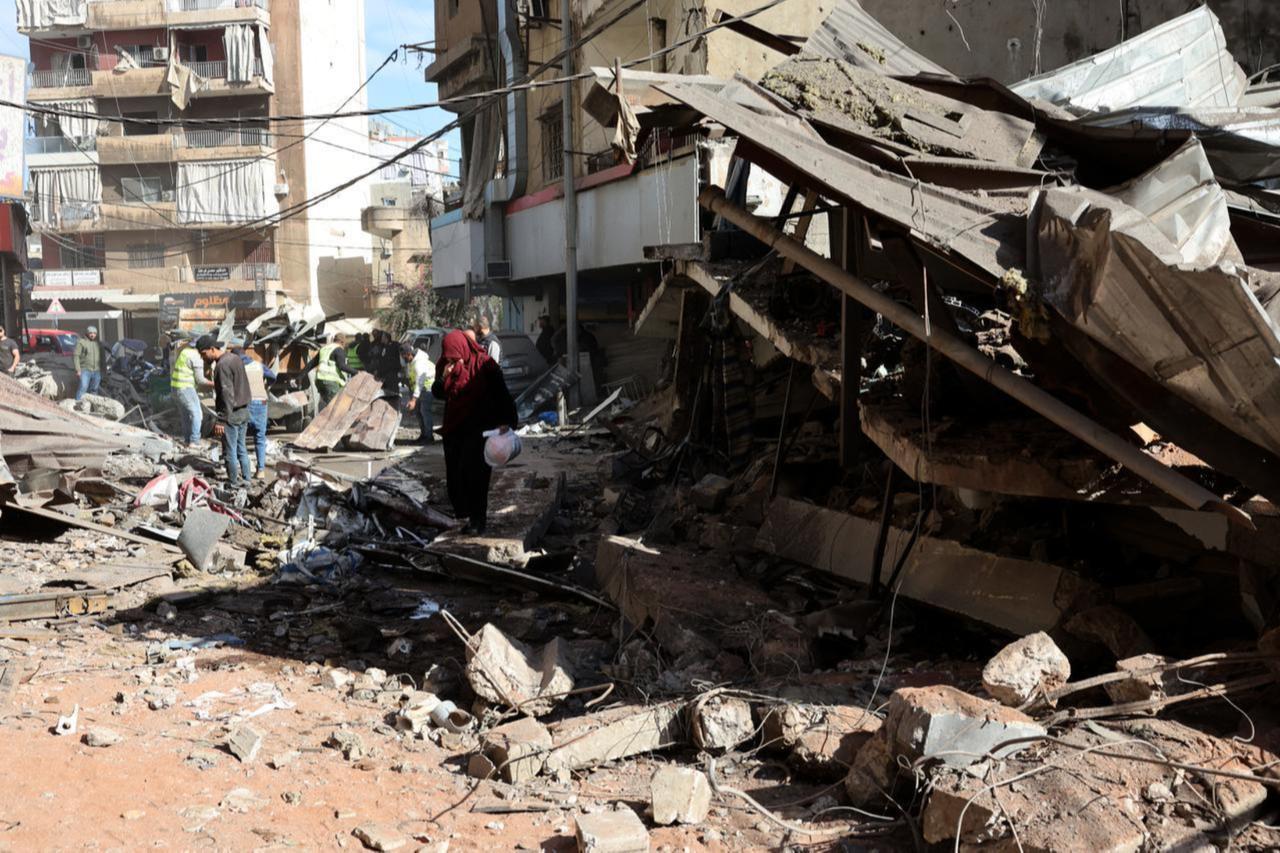


Lebanon's health ministry confirmed Saturday that Israeli strikes have killed 2,020 people since the country was drawn into the Middle East war on March 2, as high-level negotiations between the United States and Iran took shape in Pakistan's capital under the watch of a skeptical Tehran and an Israel firm in its refusal to discuss a ceasefire with Hezbollah.
The Lebanese death toll, the highest recorded since the conflict began, includes 248 women, 165 children and 85 medical and emergency workers. More than 6,400 others have been wounded. Among the latest victims were eight people killed in Israeli strikes on a village near Sidon in southern Lebanon on Saturday, following earlier strikes the same day that killed 10, including three emergency workers. Israel's military said it had struck more than 200 Hezbollah targets in Lebanon in the preceding 24 hours.
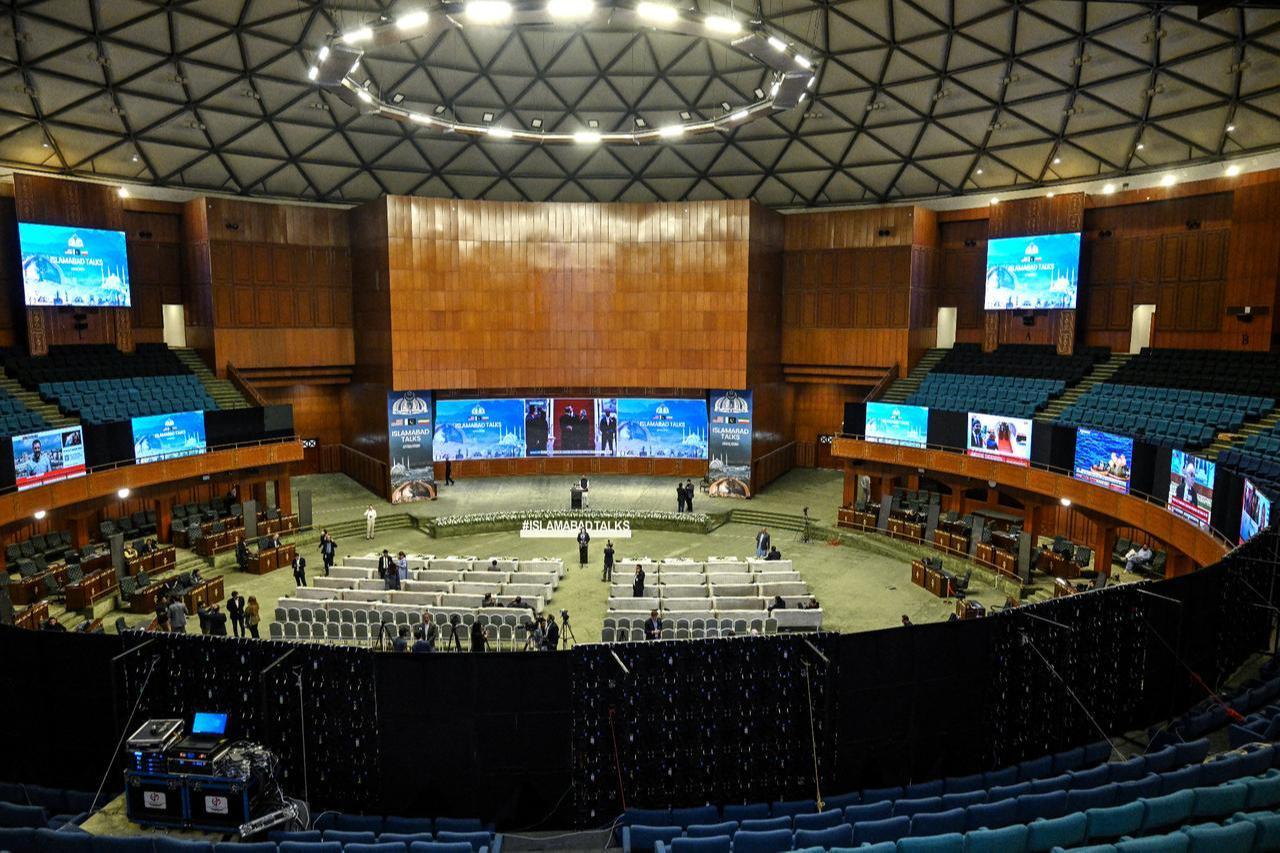

The White House confirmed late Saturday that high-level in-person trilateral talks involving the United States, Iran and host country Pakistan were underway in Islamabad. A senior White House official described the negotiations as "ongoing." Iranian state media reported that two rounds had already taken place and that a third was expected.
Pakistan Prime Minister Shehbaz Sharif played a central role in facilitating the talks, meeting separately with US Vice President JD Vance and an Iranian delegation. Iran's state broadcaster reported that the terms for a direct Iran-US engagement would be defined after those meetings concluded.
Pakistan's Foreign Minister Ishaq Dar expressed hope that both parties would "engage constructively," reiterating Islamabad's stated desire to help broker a lasting resolution to the conflict. French President Emmanuel Macron separately said he had urged Iranian President Masoud Pezeshkian to use the Islamabad talks to achieve what he called "a lasting de-escalation" and a robust regional security agreement.
Despite its participation in the talks, Iran's delegation arrived in Islamabad carrying significant reservations.
Parliamentary speaker Mohammad Bagher Ghalibaf said upon his arrival that past negotiations with Washington had bred a fundamental lack of trust, with Iranian state media quoting him as saying that previous talks had been "met with failure and broken promises."
Iran has long maintained a posture of conditional engagement with the United States, shaped by the 2018 US withdrawal from the nuclear deal and subsequent reimposition of sweeping economic sanctions.
The Islamabad talks represent a rare instance of direct diplomatic contact between the two adversaries amid an active military confrontation.
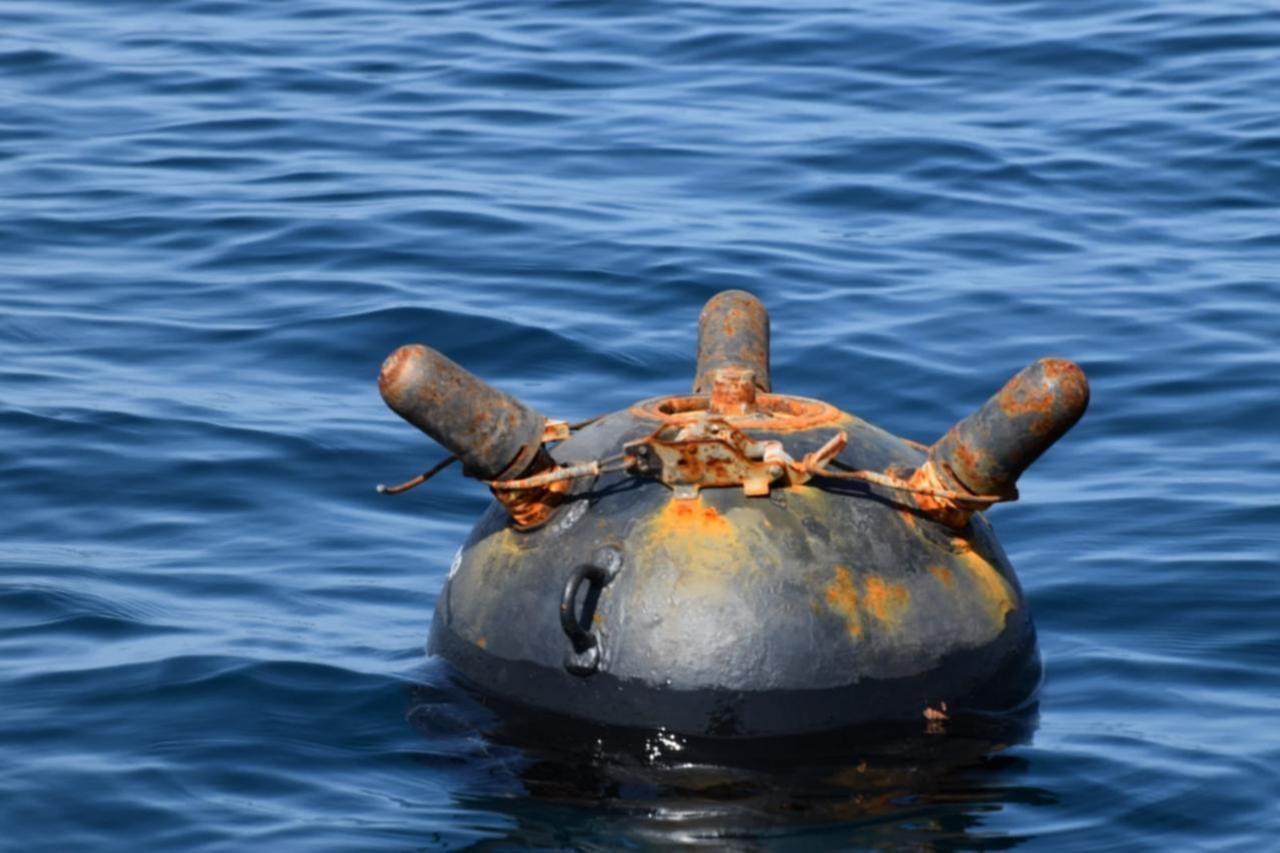
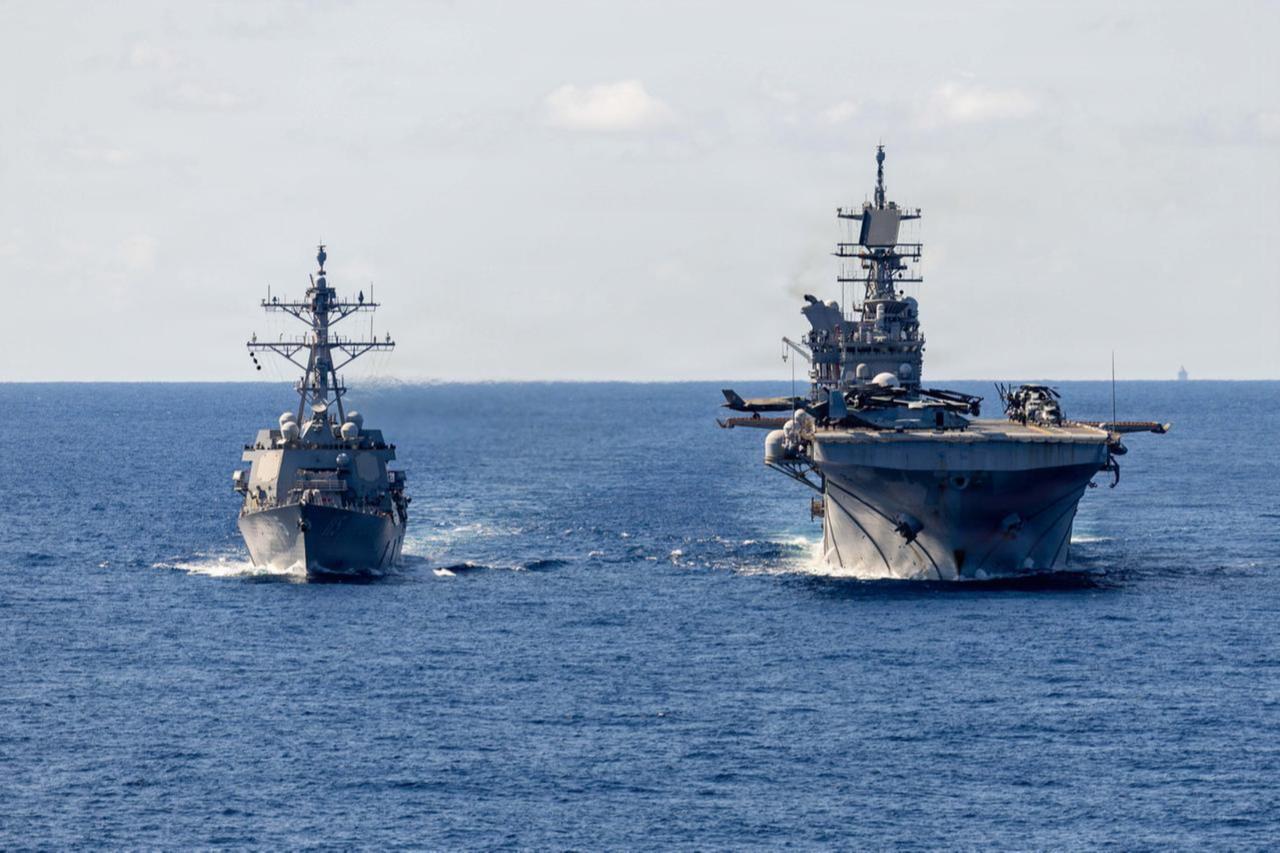
In a significant parallel development, US Central Command announced that two Navy warships had transited the Strait of Hormuz to begin clearing mines laid by Iran in the strategically critical waterway.
The announcement, described as the first such transit since the US-Israeli war with Iran began, followed remarks by President Donald Trump that Washington had started "clearing out" the strait.
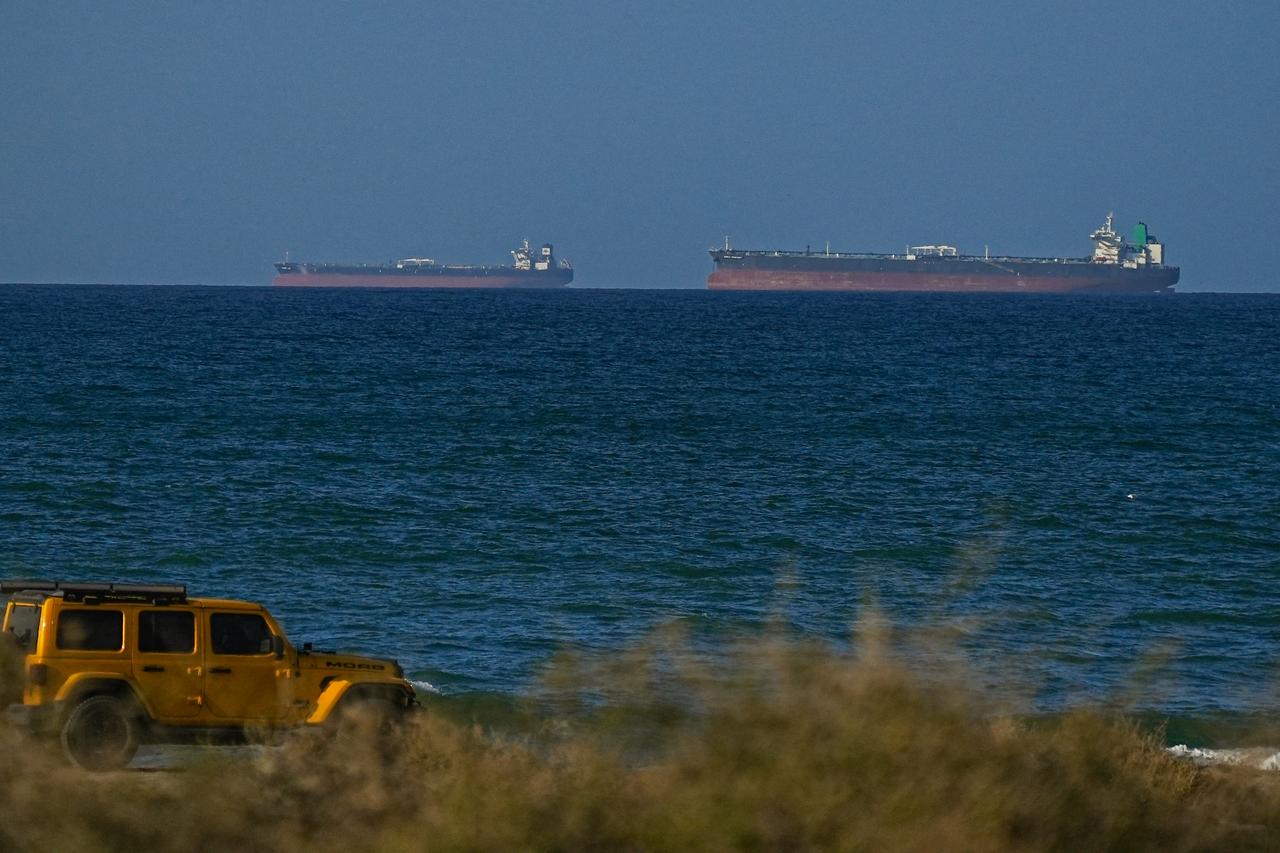
Roughly a fifth of the world's crude oil passes through the narrow passage between Iran and the Arabian Peninsula, making it a pressure point of global economic consequence.


 Set as preferred source
 Set as preferred source


 1 min read
 1 min read