Newsletters




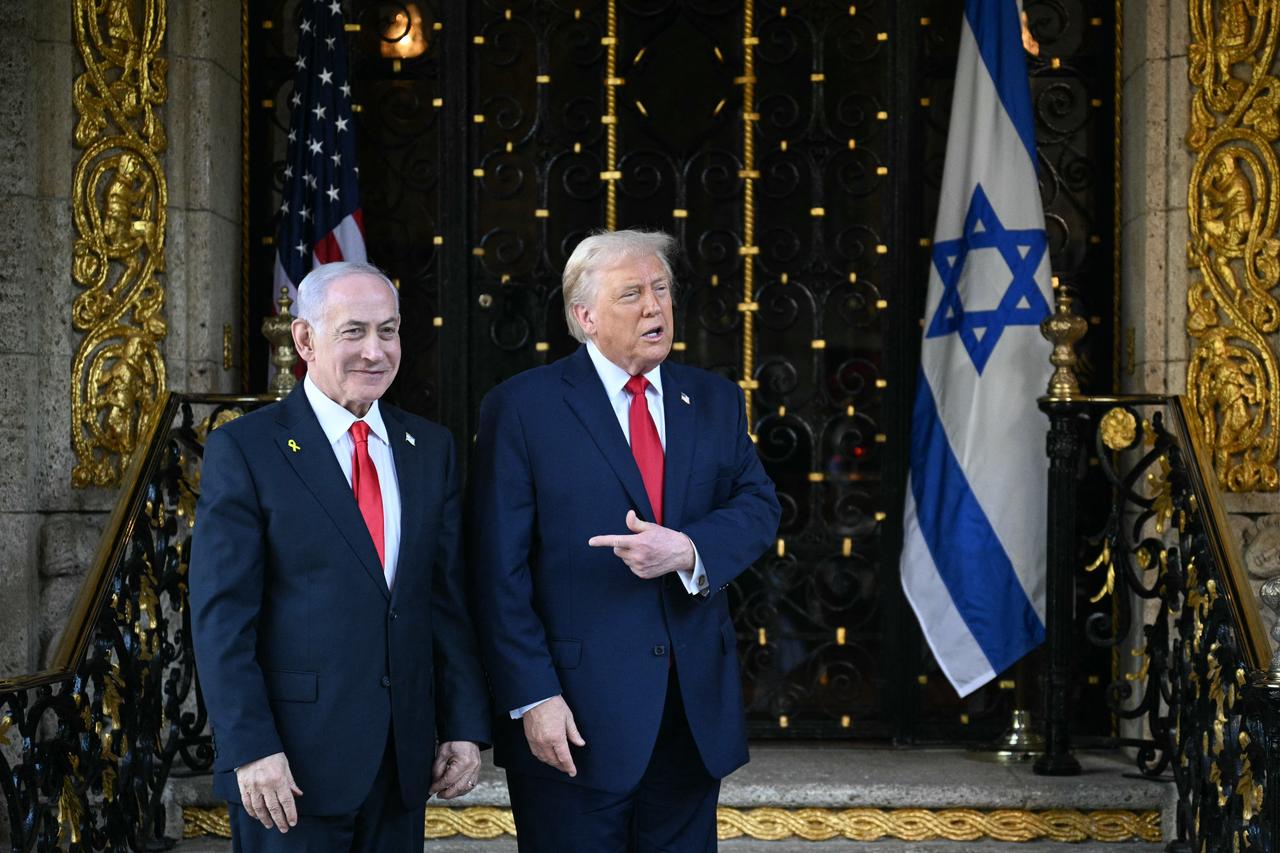
Concerns are growing among some Greek Cypriots over the expanding Israeli presence in the Greek Cypriot Administration, with public debate increasingly including claims of “Israeli infiltration” and even “soft colonization,” according to an article published by Kathimerini.
The issue has remained prominent in Greek and Greek Cypriot media following Israeli attacks on Gaza and Iran and the subsequent arrival of Israelis settling in the Greek Cypriot south.
In an article titled “The growing impact of the Israeli presence,” Kathimerini said Israeli settlement could become increasingly permanent and criticized what it described as preferential government policies toward Israelis.

The article, written by Thanasis Photiou, cited three examples involving unauthorized construction, schools and places of worship in which Israelis were allegedly granted preferential treatment.
It said the debate extended beyond alleged irregularities and unequal treatment, raising broader questions about the administration’s responsibility to apply rules equally.
According to the article, the establishment of schools, places of worship, businesses and infrastructure catering to Israelis has strengthened perceptions within the Greek Cypriot community that the Israeli presence is shifting from investment and tourism toward “settlement and greater permanence.”
It warned that if the trend continues, public acceptance of close relations with Israel could be damaged.
Kathimerini also highlighted concerns about land increasingly passing into Israeli hands.
“How much land is changing hands? Which critical areas are being sold?” the article asked, saying such questions were increasingly being raised by both the media and the public.
Kathimerini warned of what it described as a “major trap” in the Greek Cypriot Administration’s relationship with Israel, saying public criticism of “Israeli infiltration” and even “soft colonization” was growing.
The article also said the economic contribution of Israeli investors could not be ignored.
It argued that the Greek Cypriot south needs foreign capital, businesses, expertise and people willing to settle and create economic activity.
However, it said an open economy should not mean a vulnerable state, nor should a business-friendly environment mean rules are applied differently depending on an investor’s size or origin.
“If society begins to believe that the strategic importance of relations between Nicosia and Tel Aviv means tolerance, exceptions and an ‘anything goes’ approach, the damage will be twofold,” the article said.


 Set as preferred source
 Set as preferred source


 1 min read

 1 min read