Newsletters


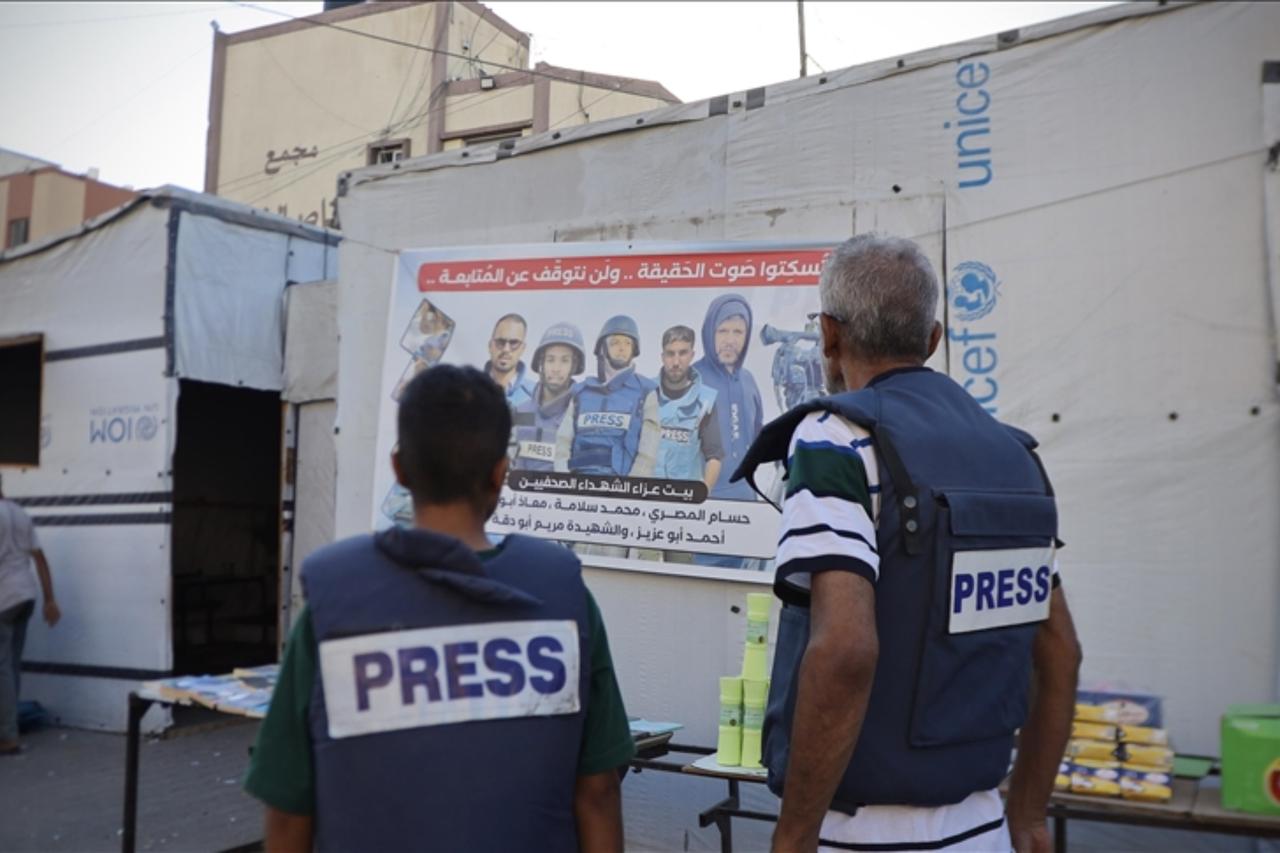


Reporters Without Borders said in its annual roundup covering Dec. 1, 2024, to Dec. 1, 2025, that 67 journalists were killed worldwide and said the Israeli military was responsible for the highest number of journalist killings, according to its figures.
The organization added that 79% of the journalists killed during the year died in war zones or as a result of organized crime, saying the Israeli military was responsible for the highest number of journalist killings, according to its figures.
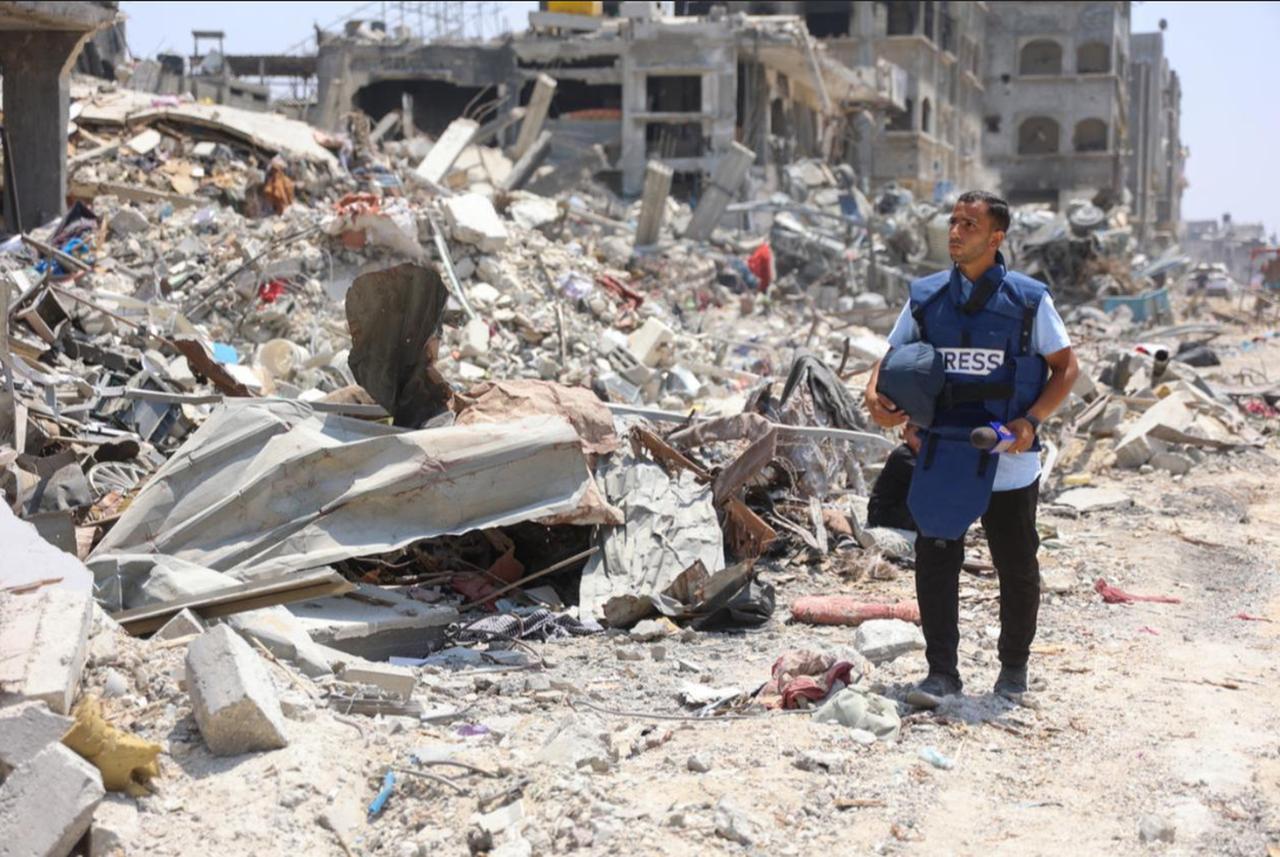

At the heart of the annual tally, the report said the Gaza Strip accounted for nearly half of the journalists killed during the period, representing 43% of the total.
In its section on Gaza, the report said the Israeli military “killed at least 29 journalists” in the besieged enclave “in connection with their work” between December 2024 and December 2025.
Reporters Without Borders said hatred and impunity are no longer limited to political rhetoric or online mobilization, but have become a direct driver of violence against journalists, amounting, in its words, to something akin to a “license to kill” through smear campaigns and incitement.
The organization added that Palestine topped the list of countries most dangerous for the safety of journalists in terms of killings, followed by Mexico and then Sudan.
According to the tally, the countries with the highest number of journalists held hostage were Yemen, with nine, followed by Syria, with eight, and Mali, with two. The organization said Houthi rebels were the leading group to have taken journalists hostage in 2025.
On detentions, the report said that as of Dec. 1, 2025, there were 503 journalists being held in 47 countries. China, with 121, was ranked as the biggest jail for journalists, followed by Russia, with 48, and then Burma/Myanmar, with 47, making them the world’s three biggest jails for journalists, according to the report.
The report highlighted Russia as “the world’s leading jailer of foreign journalists,” saying Russia was holding 26 foreign journalists, as classified by the report, followed by Israel, which was holding 20.
The report said Israel “continues to hold 20 Palestinian journalists,” and that 16 of them were detained over the past two years in Gaza and the West Bank.
It also noted that three were released on Oct. 13 as part of a ceasefire agreement, and that their names are listed in the text.
Reporters Without Borders said the countries recording the highest numbers of missing journalists were Syria, with 37, followed by Mexico, with 28, and Iraq, with 12.
The organization’s director urged caution against “misguided perceptions” that blame the victim, such as asking, “What were they doing there?” noting that such narratives are sometimes accompanied by outright justifications for killings and accusations that journalists are complicit in terrorism.
From there, the report repeats its central message: “Journalists do not die, they are killed,” seeking, by its logic, to strip away any linguistic cover for violence and to place responsibility on the perpetrators and on the climate of impunity that allows it to be repeated.


 Set as preferred source
 Set as preferred source


 5 min read