Newsletters





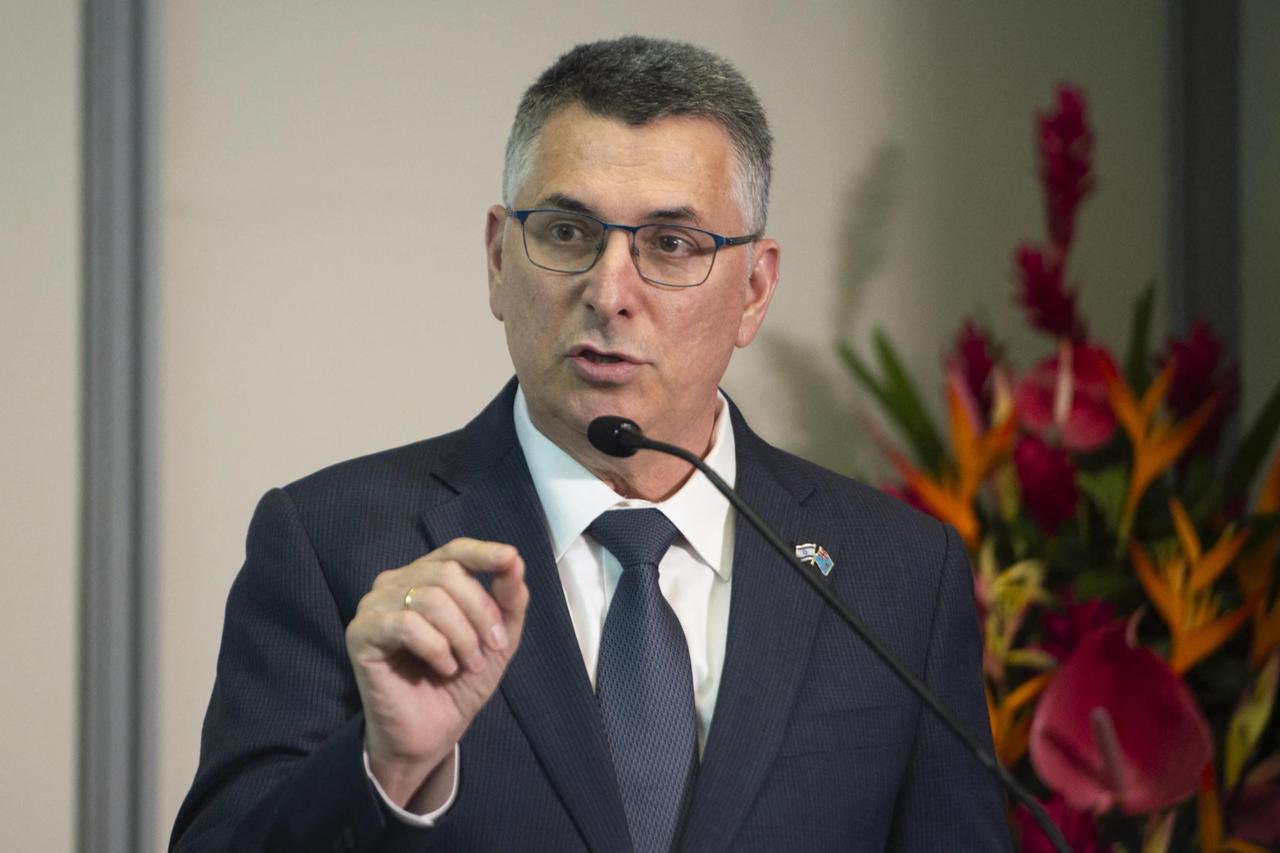
Israeli Diaspora Affairs Minister Amichai Chikli said Türkiye and Syria represent a greater concern for Israel than Iran and claimed that Israel would "sooner or later" go to war with Syria.
Speaking on Israeli Army Radio, Chikli commented on regional developments and discussions surrounding a possible Israeli withdrawal from southern Lebanon following a U.S.-Iran understanding.
"If we return to the Blue Line, it will be a failure," Chikli said, referring to the U.N.-demarcated boundary between Lebanon and Israel. "I don't think we will withdraw. If necessary, we know how to say 'no' to the United States."
Chikli, a member of Prime Minister Benjamin Netanyahu's Likud party, argued that Israel would eventually face a military confrontation with Syria.
"Türkiye and Syria are much more troubling developments than Iran," he said.
The remarks followed comments Chikli made a day earlier on Israel's 103 FM radio station, where he expressed concern about what he described as a new regional alignment emerging around the U.S.-Iran agreement.
"What we are witnessing is the rise of a new axis," Chikli said, referring to Türkiye, Qatar and Pakistan.
He claimed the three countries played a role in shaping the recently announced agreement between Washington and Tehran.
"The emerging agreement is concerning, and the least of my concerns is the rehabilitation of the Iranian economy," he said.
"What worries me much more is the axis shaping this agreement: Türkiye, Qatar and Pakistan. We are seeing a new axis emerging before our eyes."
Chikli's remarks came amid growing criticism in Israel of Prime Minister Benjamin Netanyahu, with opposition figures accusing him of being sidelined by U.S. President Donald Trump during negotiations with Iran aimed at ending the conflict.
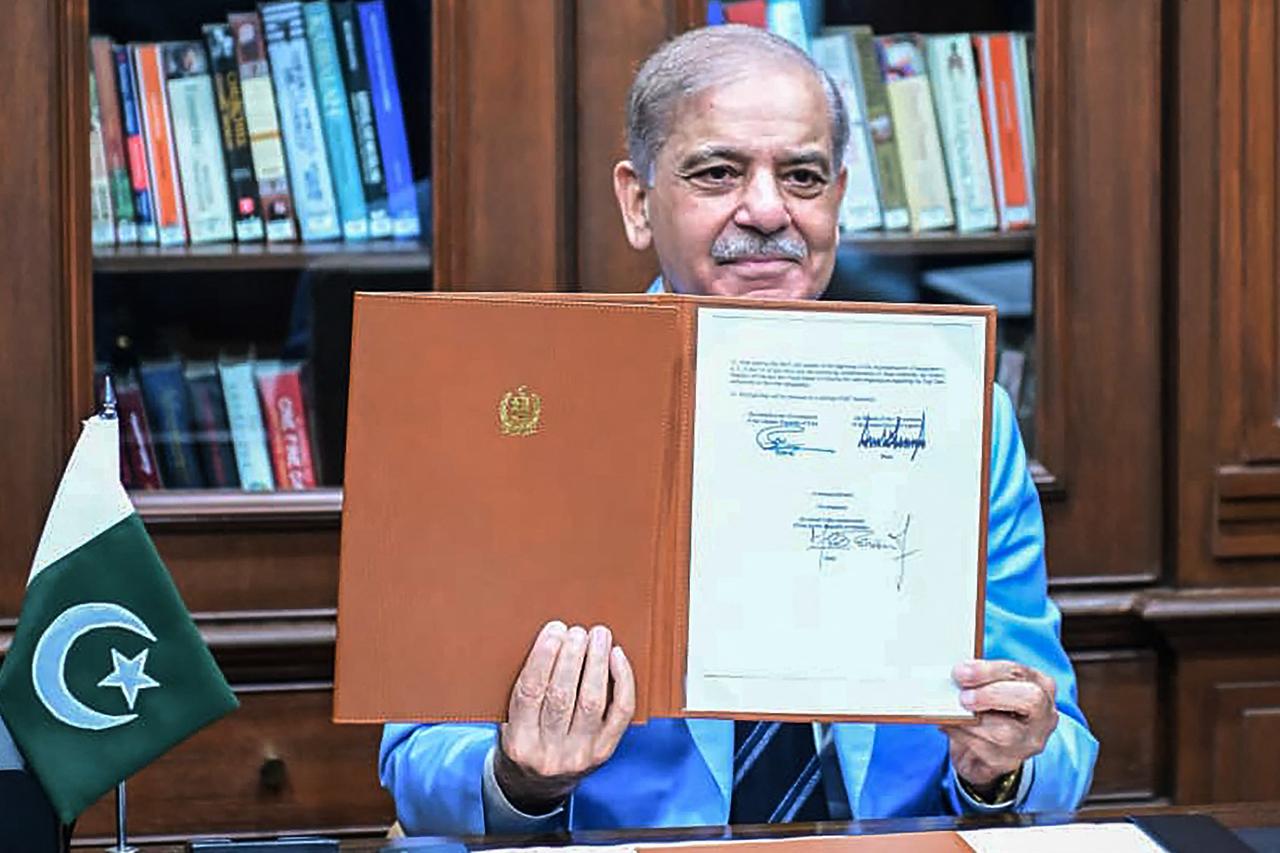
Washington and Tehran reached a temporary truce on April 8 through Pakistani mediation before announcing a framework agreement on Monday to end the conflict. The accord is expected to be formally signed in Switzerland on Friday.
Several Israeli government ministers have publicly voiced opposition to the agreement.
There was no immediate response from Türkiye, Qatar or Pakistan to Chikli's remarks.
The three countries have consistently supported diplomatic efforts to resolve the U.S.-Iran conflict and have backed initiatives aimed at promoting regional stability.
Chikli's comments come amid broader regional realignments and diplomatic efforts following recent tensions involving Iran, the United States and several Middle Eastern countries.


 Set as preferred source
 Set as preferred source


 1 min read
 1 min read