Newsletters


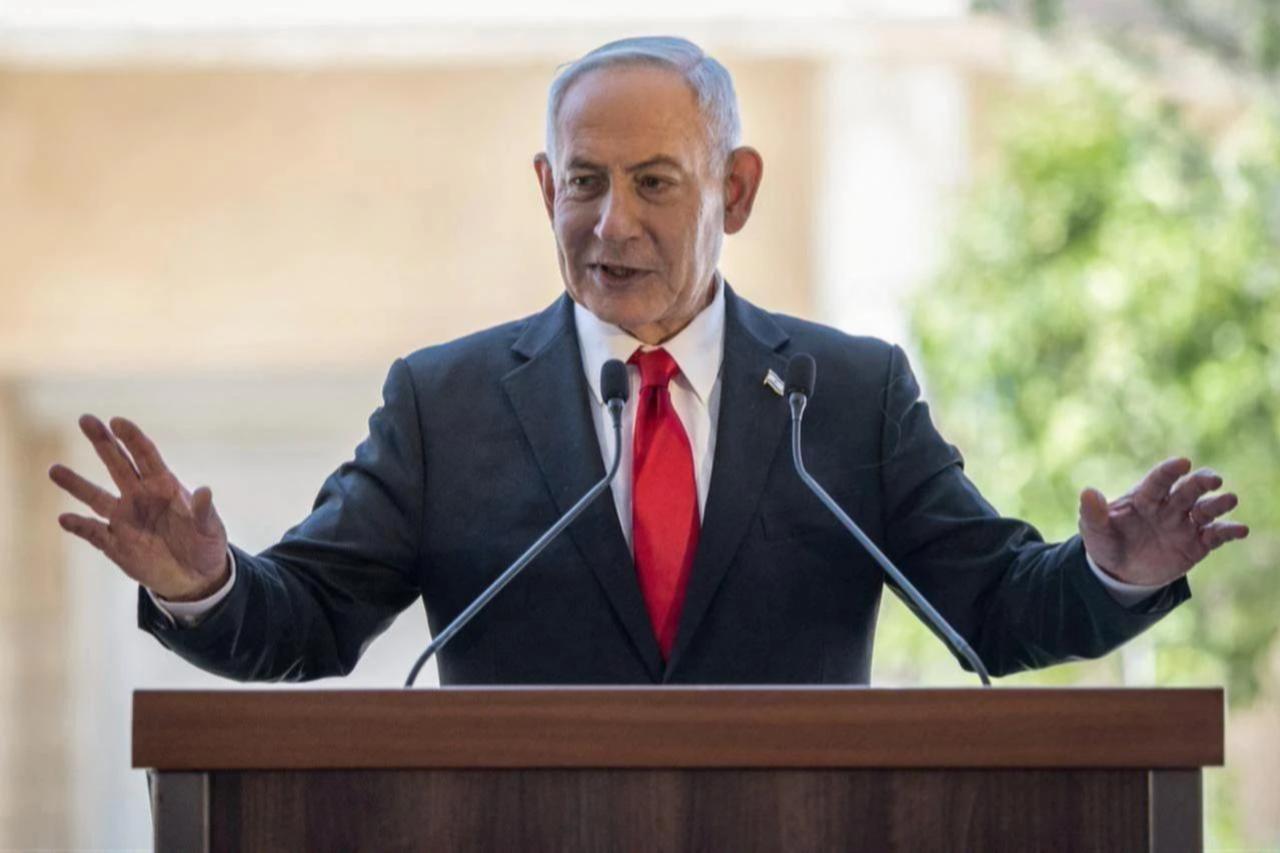
Israeli Prime Minister Benjamin Netanyahu said Wednesday that Israel sent a message to Türkiye against establishing a military presence in Syria, tacitly acknowledging responsibility for a strike on a Syrian airbase a day earlier. Meanwhile, prominent Israeli opposition figures accused him of recklessly escalating tensions with Ankara for political reasons.
"We will not tolerate a Turkish military entrenchment moving southward, because it threatens us," Netanyahu told an army radio podcast.
He said Israel had initially sent a message "in general terms" against a Turkish military presence at an airfield near Aleppo, close to the Turkish border.
"Apparently they didn't hear it, so we made sure they understood it more clearly," he said.
Netanyahu's office had stopped short of formally claiming Israeli responsibility for the strike on Tuesday, but claimed that Turkish forces had recently toured the base and warned that Israel would not tolerate a "threat" from a Turkish presence.
U.S. Ambassador to Türkiye Tom Barrack, who also serves as the U.S. pointman on Syria, blamed Israel for the attack and condemned it.
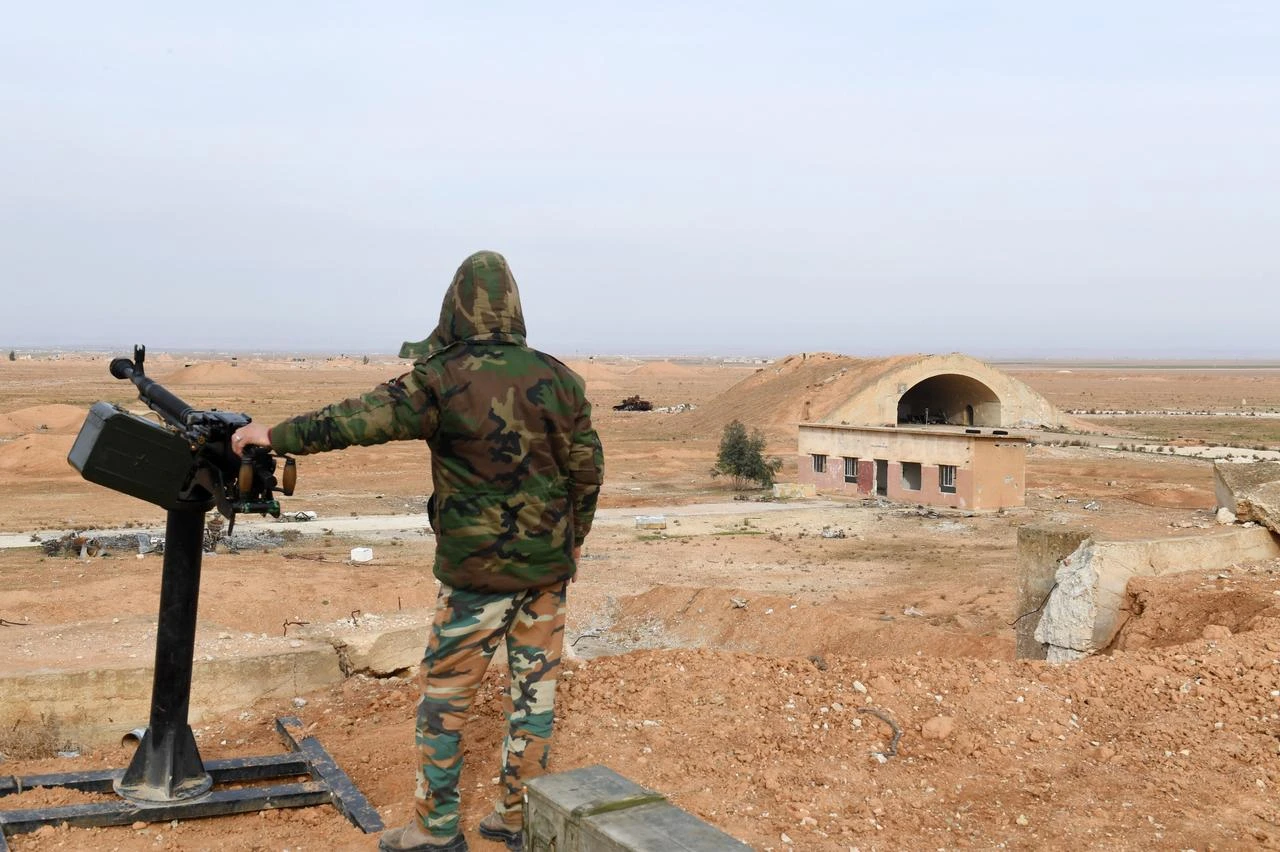
Israeli warplanes carried out eight airstrikes early Tuesday targeting the runway of the Abu al-Duhur Military Airbase in Idlib province in northwestern Syria, damaging its infrastructure.
The Office of the Prime Minister said in a statement, without formally acknowledging Israeli responsibility, that "Israel repeatedly warned Syria that such a deployment would pose a threat to Israel's security. Syria chose to ignore these warnings."
Türkiye, which has had tense relations with Israel in recent years, rejected the allegations, while Barrack condemned the strikes as an "unnecessary escalation."
Syria's Foreign Ministry condemned "in the strongest terms the Israeli airstrikes" targeting the base, calling them "an unjustified act of aggression" and urging U.N. Security Council action.
The strikes came, the ministry said, at a time when Syria "has exercised restraint and worked to consolidate stability and avoid escalation."

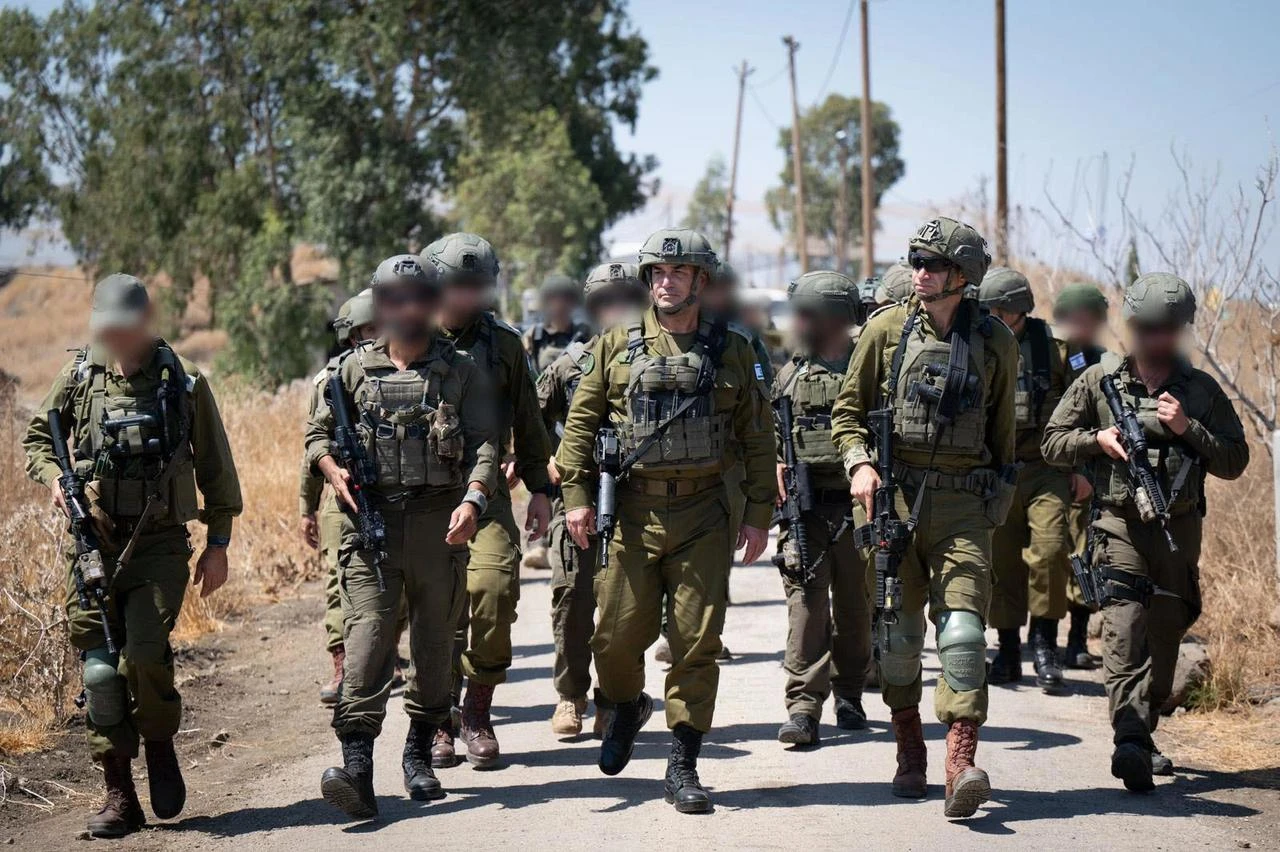
Israel's army chief, Lt. Gen. Eyal Zamir, said Wednesday during a visit to an Israeli-occupied security zone in southern Syria that the military would not allow threats to "establish themselves" on the border.
"We are monitoring the changes on the Syrian front. We will not allow hostile forces to establish themselves on our borders, and we will know how to use our operational capabilities precisely where and when needed," Zamir told troops.
Zamir said the army cannot afford to let down its guard on any of Israel's active fronts, including Syria.
"We are still in a multi-front war, alert and operating in all arenas; escalation can develop in any one of them, and we must remain in constant readiness," he said.
Israeli forces have been stationed in a security zone in southern Syria since the fall of the Assad regime in December 2024, occupying what was previously a U.N.-patrolled buffer zone separating Israeli and Syrian forces in the Israeli-occupied Golan Heights since 1974.
Israel captured most of the Golan from Syria in the 1967 Arab-Israeli War and later annexed the areas under its control, a move not recognized by the international community except by the United States and Colombia.
Despite tensions, Israel and Syria's new authorities have held several rounds of direct talks and have agreed to establish an intelligence-sharing mechanism. Israeli Defense Minister Israel Katz said last week, however, that Israel plans to keep troops in Syria.
Israeli opposition leader Yair Golan, head of Israel's Democrats party, called the strike on Syria "a provocative and dangerous move," saying it was deepening a rift with Israel's allies, particularly the United States, and bringing Israel closer to confrontation with Türkiye.
"Military force is once again being used for political considerations, and once again Israel is paying the price in terms of its security," Golan wrote on X.
Golan accused Netanyahu of being an "extremist and unreliable" actor who cannot be trusted to build a stable regional framework, saying he is eroding trust in Israel and driving away partners and allies.
"Israel needs leadership that knows how to use force to achieve security, not to create another war for political survival," Golan wrote.
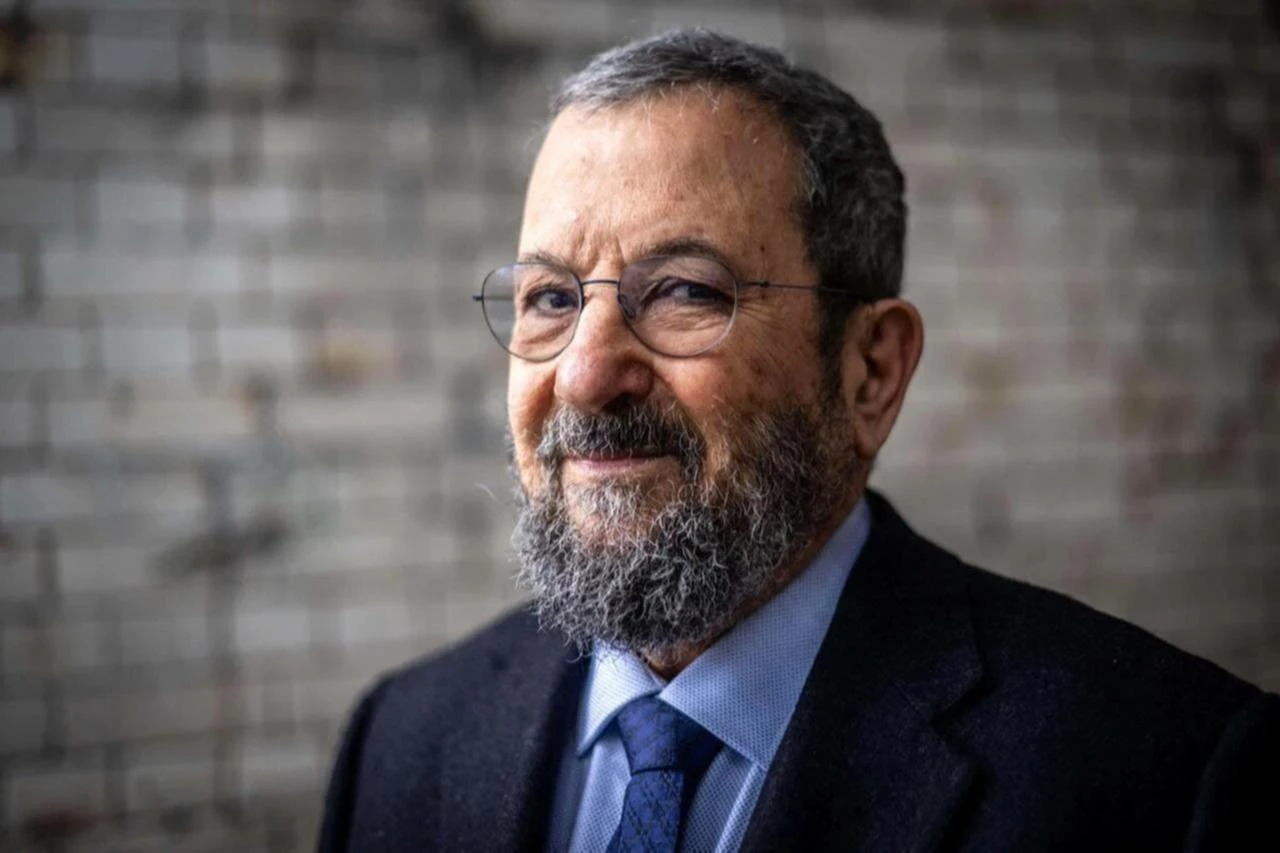
Former Israeli Prime Minister Ehud Barak said Netanyahu's "deliberate" escalation of tensions with Türkiye is "reckless and stupid." "It is hard to decide which one it is more," Barak wrote on X.
"It strongly reeks of a political motive to go into elections with a string of security tensions that would fuel public anxiety," he added.
Barak noted that Türkiye is "neither Iran nor Assad's Syria," saying no strategic problem with Ankara is beyond resolution. "There is no strategic problem with Türkiye that cannot be resolved, mitigated, or postponed over the long term through discreet contacts coordinated with the United States and its influence in Turkey and Syria. Netanyahu has completely gone off the rails," he wrote.
Barak said Netanyahu is focused not on Israel's security but on political survival, comparing him to a "compulsive gambler" amid what he called the "complete failure" to achieve the war's goals and Netanyahu's expected political defeat.
"His reckless conduct is deeply alarming our few remaining allies and friends around the world and in the region," Barak wrote.
He said it will "take a long time" to repair the security and diplomatic damage Netanyahu has caused, adding that "there is no point in adding further reckless measures" that could ultimately backfire. He suggested that any thorough handling of the issue should wait until after the election.


 Set as preferred source
 Set as preferred source


 1 min read
 1 min read