Newsletters


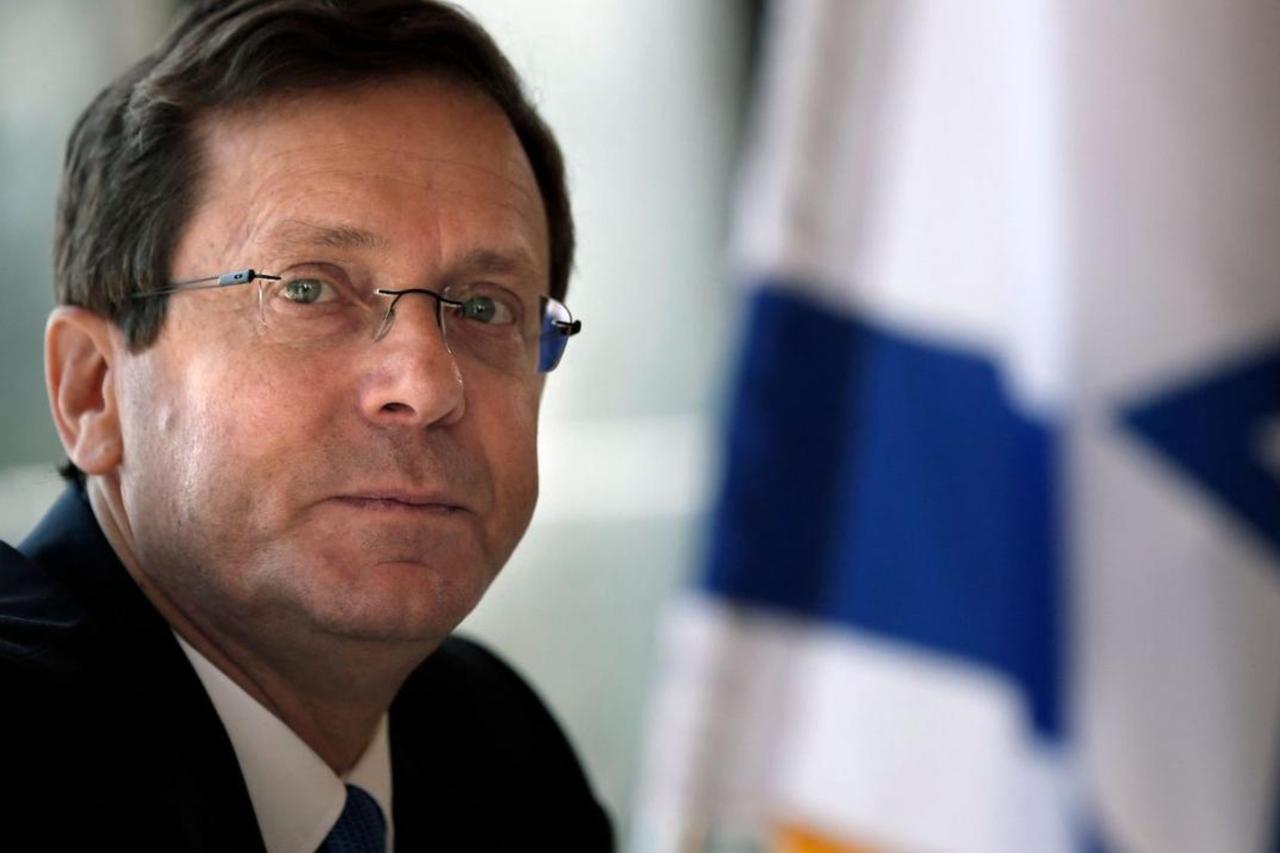


Sraeli President Isaac Herzog issued a stark warning about the spread of extremist violence within Israeli society, describing what he called a process of "monstrification" moving from the fringes toward the mainstream, as reports emerged that allies of Prime Minister Benjamin Netanyahu are exploring legal measures that could bar Israel's main Arab political party from upcoming elections.
Speaking at an event in West Jerusalem, Herzog said "a terrible savagery" was spreading through Israeli society, pointing specifically to attacks by fanatical Jews targeting Muslim and Christian Palestinian holy sites, and to a dramatic escalation in settler violence against Palestinians in the occupied West Bank.
"A terrible process of monstrification is taking place on the margins of Israeli society," Herzog said, warning that the violence was now migrating inward. He described a group of individuals who believe that those detained and interrogated have no rights, and characterized their conduct as savage.
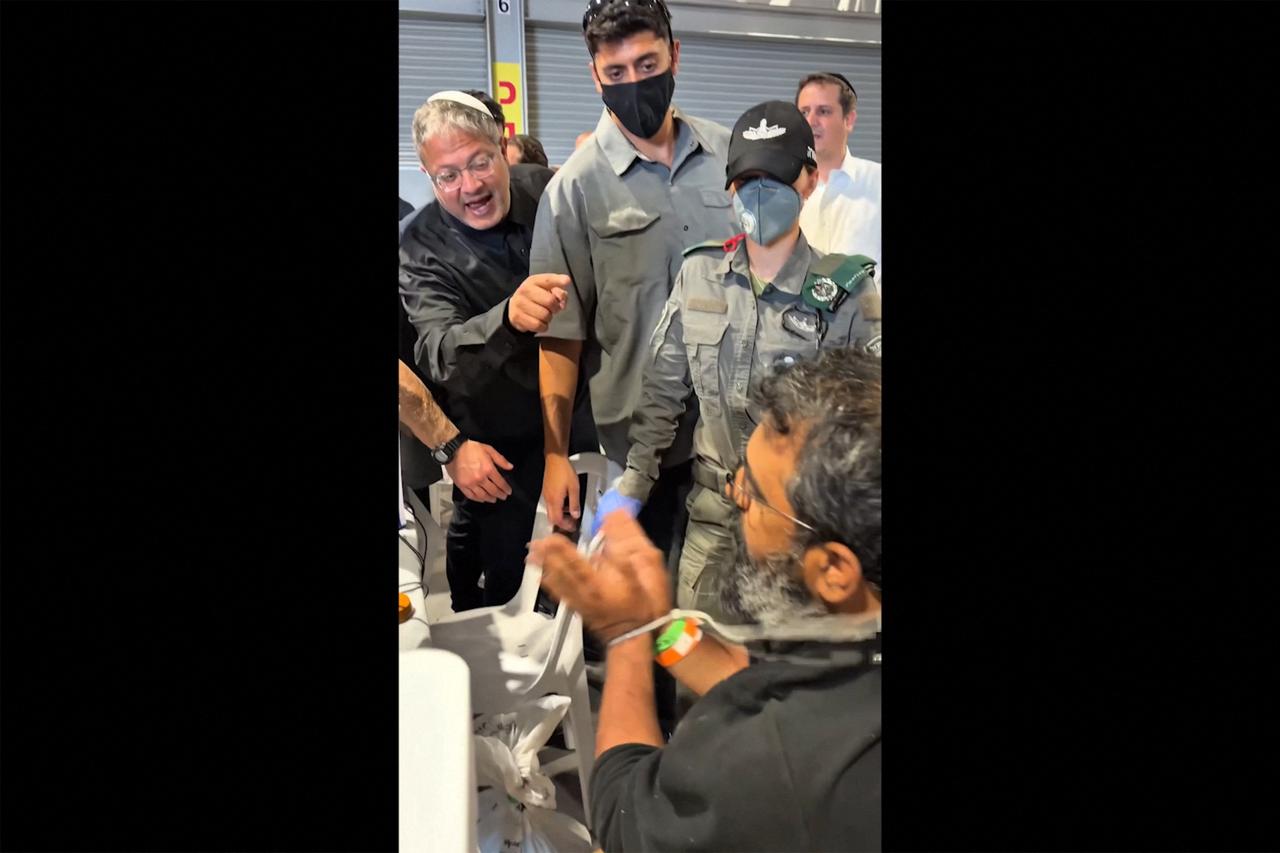
The remarks drew immediate pushback from the far-right flank of the governing coalition. National Security Minister Itamar Ben-Gvir, who had recently shared footage praising the mistreatment of activists aboard the Gaza-bound Global Sumud Fleet, a humanitarian convoy intercepted by Israeli forces in international waters, posted on X that "a president who labels hundreds of thousands of Israeli citizens as monsters is unworthy of the presidency."
Ben-Gvir, who has publicly visited Israeli prisons and documented what critics describe as encouragement of abuse against Palestinian detainees, has been the subject of repeated condemnations by human rights organizations.
Those groups say that systematic mistreatment of Palestinian prisoners has increased and conditions have deteriorated under his tenure as minister.
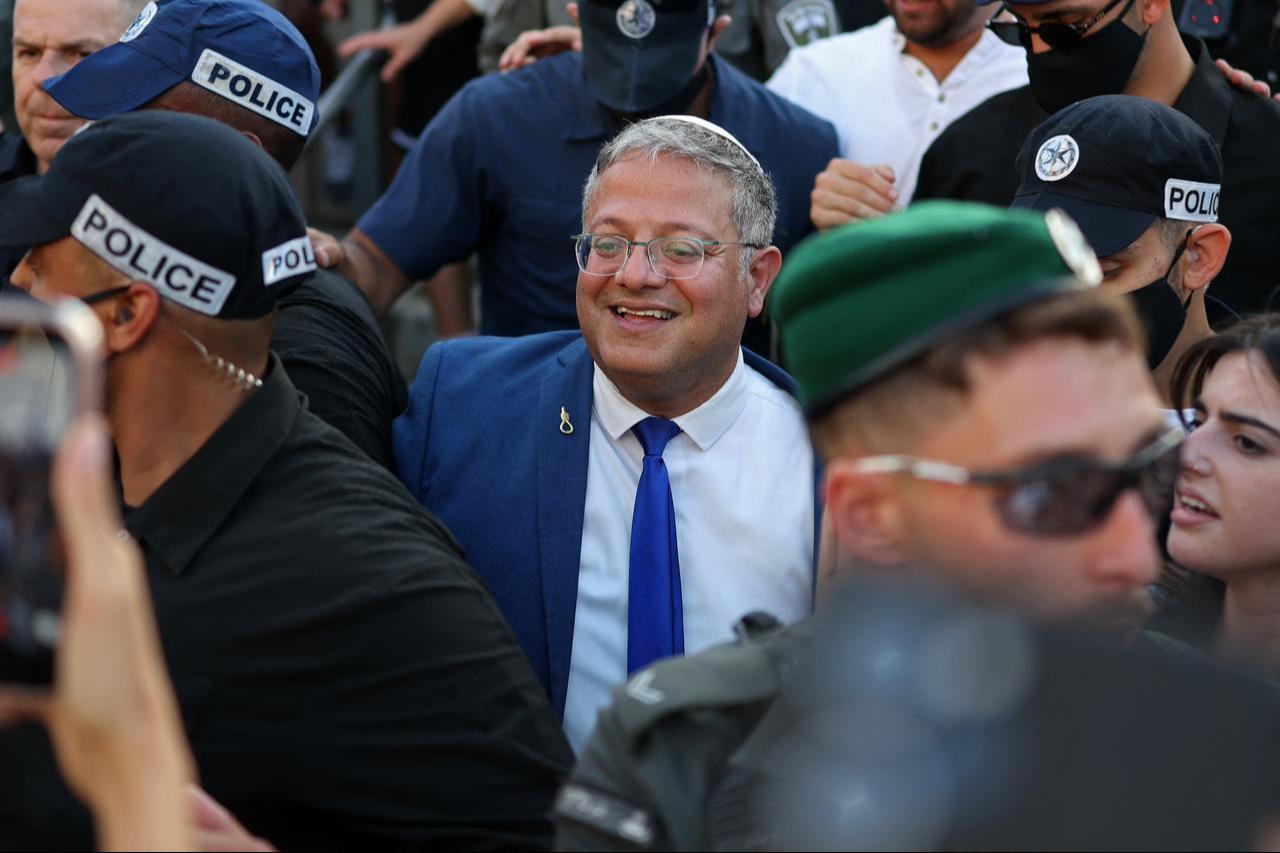

Lawmakers from Ben-Gvir's Otzma Yehudit, or Jewish Power party, joined the chorus of criticism. Member of Knesset Yitzhak Kroizer accused Herzog of crossing a "red line," saying the president's use of the word "monsters" amounted to "spitting in the face of millions of Israelis."
Fellow party member Limor Son Har-Melech went further, claiming that a president who would use such language was acting as the representative of only one political camp, not the nation as a whole.
Separately, Israeli Channel 13 reported that figures close to Netanyahu are engaged in discussions about political and legal steps that could result in the disqualification of Ra'am, the United Arab List, from participating in upcoming elections.
Ra'am currently holds five seats in the Knesset and represents Palestinian citizens of Israel.
The discussions are said to run in parallel with a separate debate over whether to designate the Southern Branch of the Islamic Movement inside Israel, widely seen as Ra'am's parent organization, as a terrorist organization.
Among the allegations being examined is a claim that the movement facilitated the transfer of donations to the Gaza Strip during the war.
According to Channel 13's two anonymous sources close to Netanyahu, any such move would require new legislation and formal assessments from Israeli security agencies, including Shin Bet, the domestic intelligence service. No official response has been issued by Netanyahu's office or by Ra'am.
Ra'am, led by Mansour Abbas, made history in 2021 when it joined the coalition government of Naftali Bennett and Yair Lapid, becoming the first Arab party to participate in an Israeli governing coalition, a move that generated significant debate both within Israel and among Palestinian citizens of the country.
The precise date of the next Israeli election has not been set, though the current Knesset's mandate is due to expire in October. On Wednesday, the parliament passed a preliminary vote in favor of dissolving itself. If the measure clears three additional votes, early elections will be triggered.
The developments unfold against the backdrop of an ongoing Israeli military campaign in Gaza, supported by the United States, that has continued since October 8, 2023. Palestinian sources report tens of thousands of casualties and widespread destruction across the territory. The United Nations has estimated reconstruction costs at approximately $70 billion.
Since the war began, rhetoric and legal pressure targeting Arab political parties and civic movements inside Israel have intensified, with elements of the Israeli right accusing some Arab groups of supporting terrorism, particularly in connection with their stances on the Gaza conflict and humanitarian aid efforts directed at the strip.


 Set as preferred source
 Set as preferred source


 1 min read
 1 min read