Newsletters


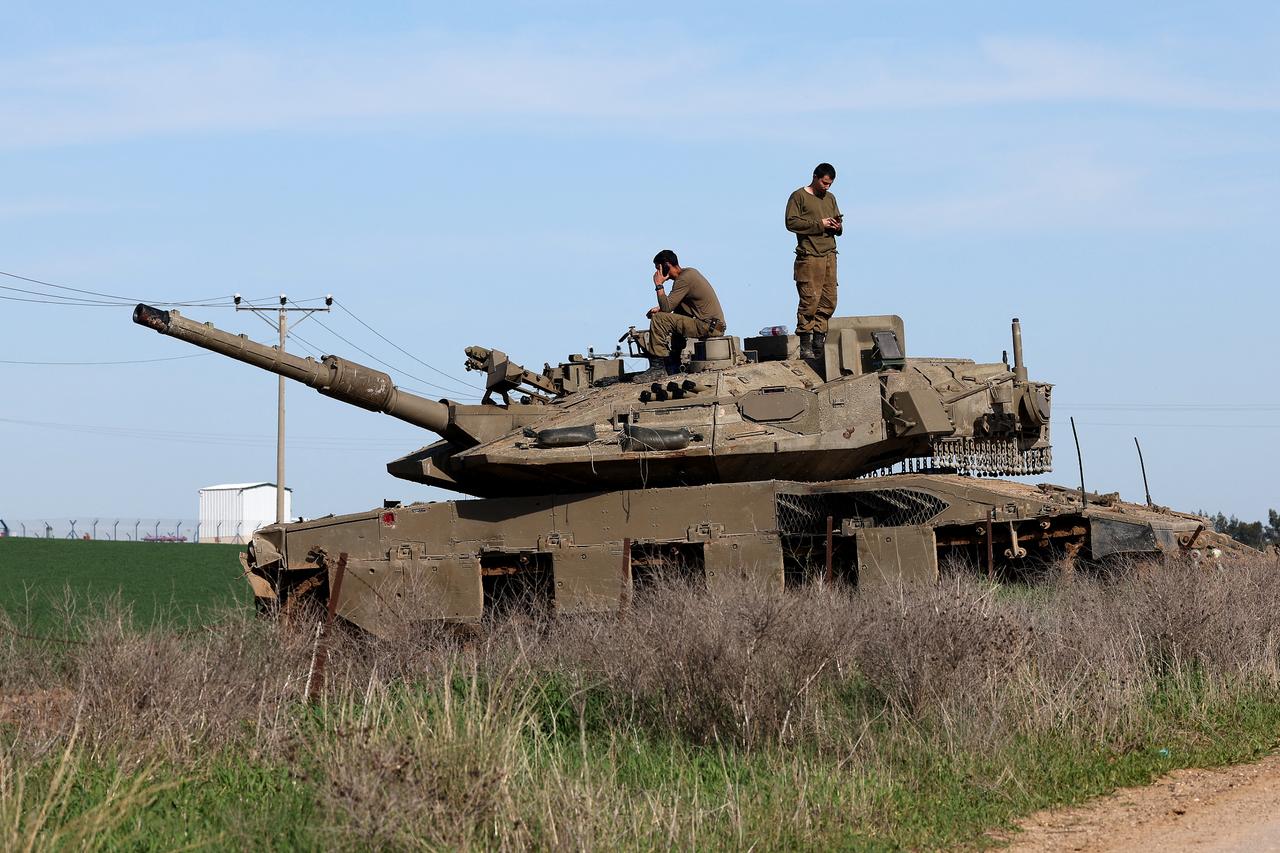


Three Israeli reservists have described a Gaza Strip where the ceasefire that took effect last October changed little about the killing, where commanders quietly encouraged troops to shoot anyone crossing an ambiguous boundary, and soldiers celebrated strikes on Palestinian vehicles.
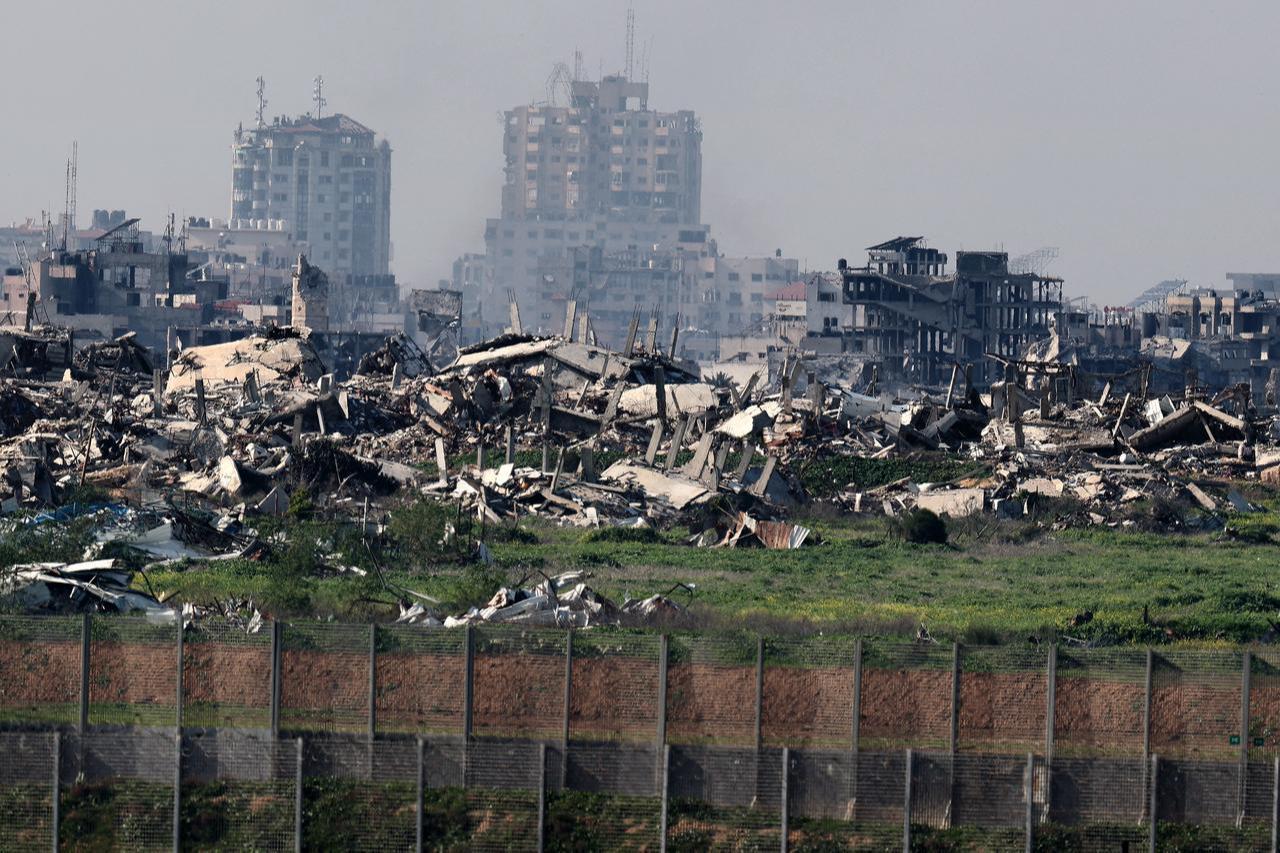
Meanwhile, Israeli Prime Minister Benjamin Netanyahu announced plans to expand Israeli control from 60 to 70% of the territory, drawing international condemnation and a dire warning from the United Nations children's agency.
"It was a jungle," one Israeli soldier in his 20s told The Associated Press (AP), speaking on condition of anonymity for fear of being ostracized.
"After the ceasefire, the order was: If someone crosses the line, you shoot them," the Israeli soldier said.
The three reservists, deployed at various points across Gaza between October and January, each described a military posture in which the ceasefire existed largely on paper.
Israeli commanders paid lip service to the deal, the soldiers said, while privately signaling that Israel's presence in Gaza was indefinite and that the line needed to be held at any cost, according to the report.
One soldier said there was "a general feeling that human lives are not valuable." When it came to physically marking the yellow line itself, his superiors called it "too much work" and said Palestinians should already know where it was.
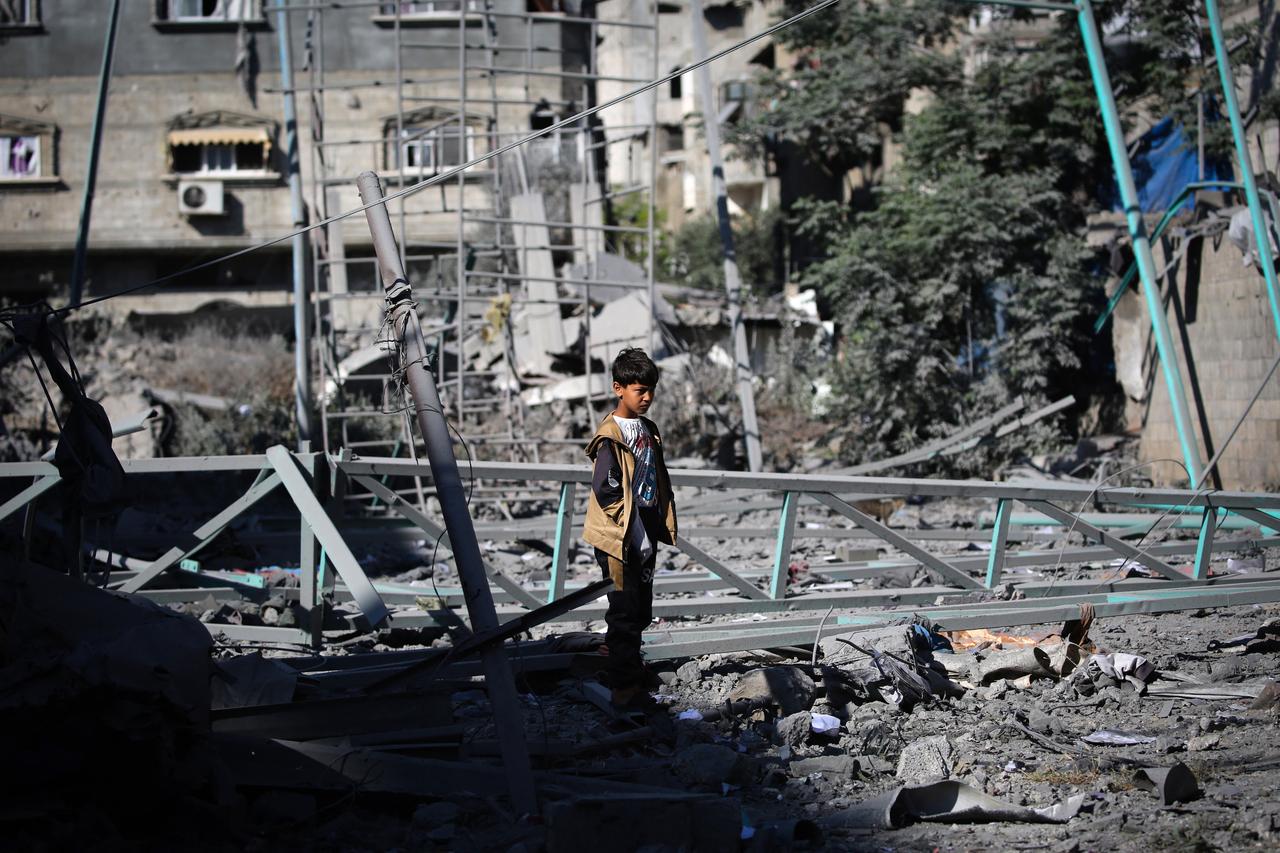
The AP has separately documented shootings of Palestinian civilians, including children, in the vicinity of the line. And Breaking the Silence, a veterans' whistleblower organization that has collected testimonies throughout the war, described rules of engagement it called "extremely permissive" for anyone who crosses or approaches the boundary.
In many areas, it said, the effective order is "shoot to kill."
Executive director Nadav Weiman said the instructions flowing from senior commanders "have created a reality where countless civilians have and are being killed for crossing invisible lines." In interview notes seen by AP, one soldier who testified to Breaking the Silence described the standing instruction for anyone crossing the line as simply: "eliminate him no matter what."
The soldiers said troops sometimes acted too quickly or from too great a distance to identify who they were targeting. Although strikes require coordinates and command authorization, one soldier described colleagues calling in locations based on a hunch or the last position where someone was spotted before they disappeared.
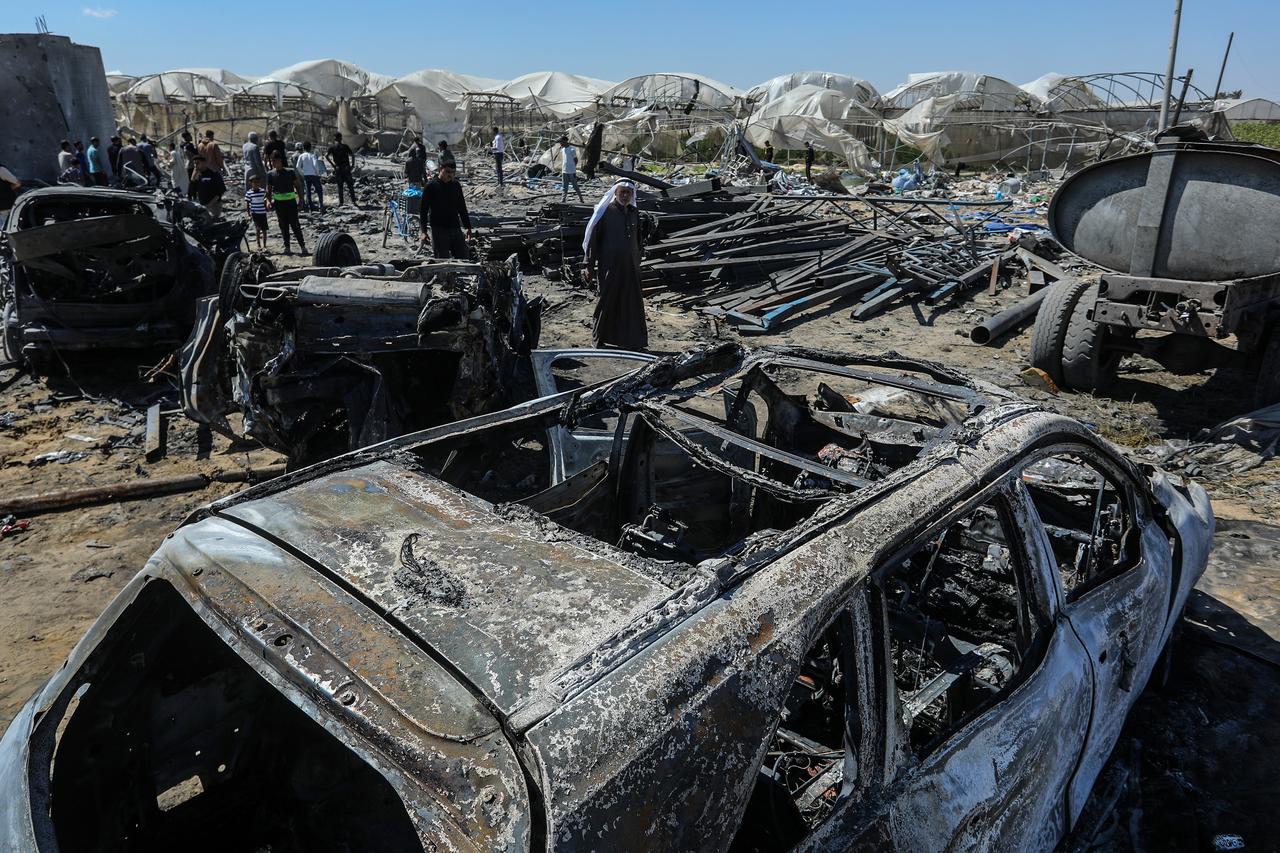
He said he watched soldiers celebrate after striking a vehicle full of Palestinians driving near Israeli-controlled territory.
"To call it a ceasefire is a joke," another soldier told AP, adding, "We need to stop using this term. It's not serving people that want to stop the war."
Israel's military told AP that the yellow-line area is a "sensitive operational environment" where signs prohibit approach. It said the army does not target civilians solely for approaching the line, that rules of engagement require warnings before the use of force, and that personnel are only authorized to act with lethal force in the event of an immediate threat.
The Israeli army said most of those killed crossing the line "posed a danger to troops."
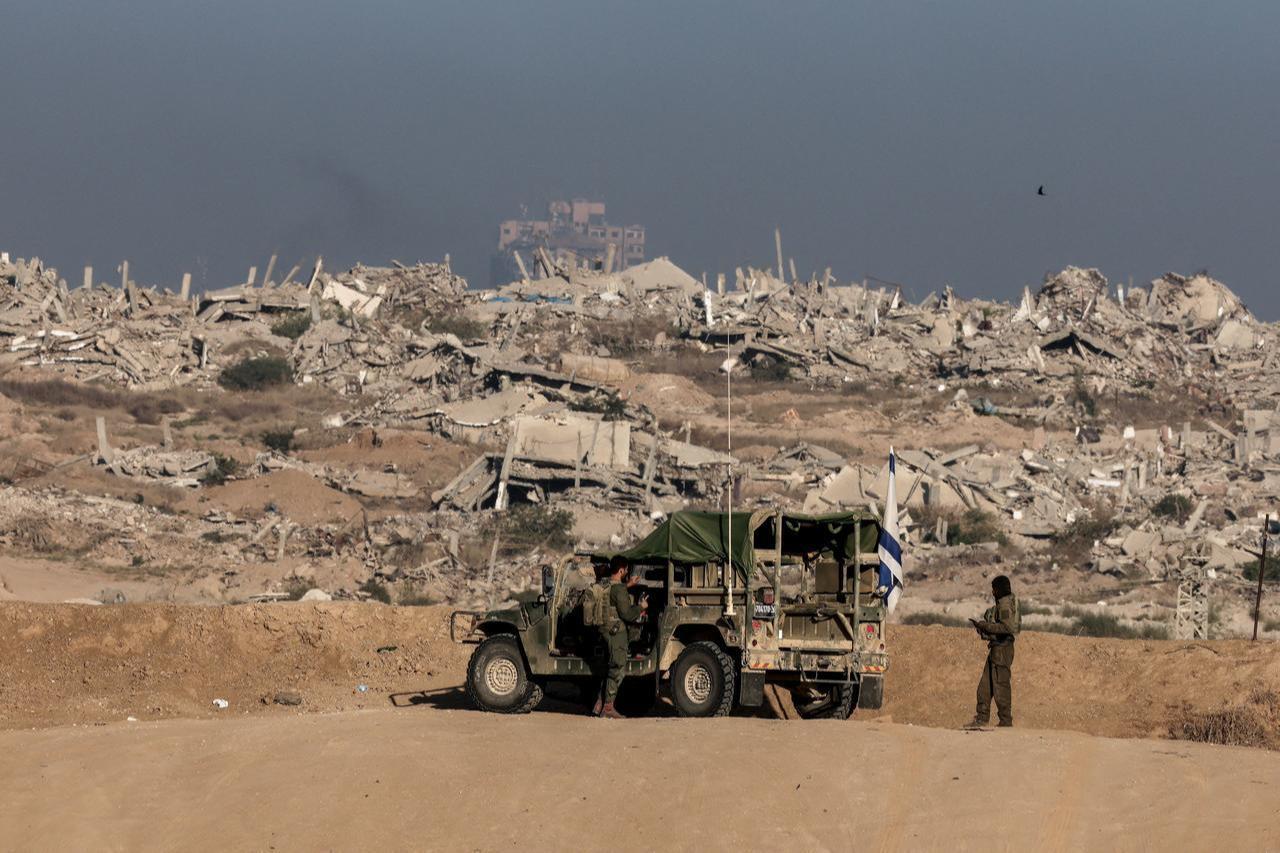

The yellow line was established under the October ceasefire to divide Israeli-controlled territory from Palestinian areas, with Israel initially pulling back to a position giving it just over half of Gaza. A full withdrawal was envisioned under subsequent phases of the agreement, though no timeline was set.
Since then, the line's location has shifted. Reuters has reported that Israel unilaterally moved concrete markers deeper into previously Palestinian-held territory. Military maps issued in March showed a restricted zone analysts say covers roughly 64% of the strip. Netanyahu this week placed the figure at 60% and announced his next target was 70.
"My directive is to move to... 70%," Netanyahu said at a conference in a West Bank settlement, adding, "We're squeezing them from all sides. We'll deal with what's left afterwards."
Data from the Armed Conflict Location and Event Data Project showed April was the deadliest month in Gaza this year, and that recorded deaths near or across the yellow line climbed more than 25% between January and April, from 58 to 73.
An internal report circulated among aid organizations last month, seen by AP, said Israel had grown "increasingly proactive" in its strikes.
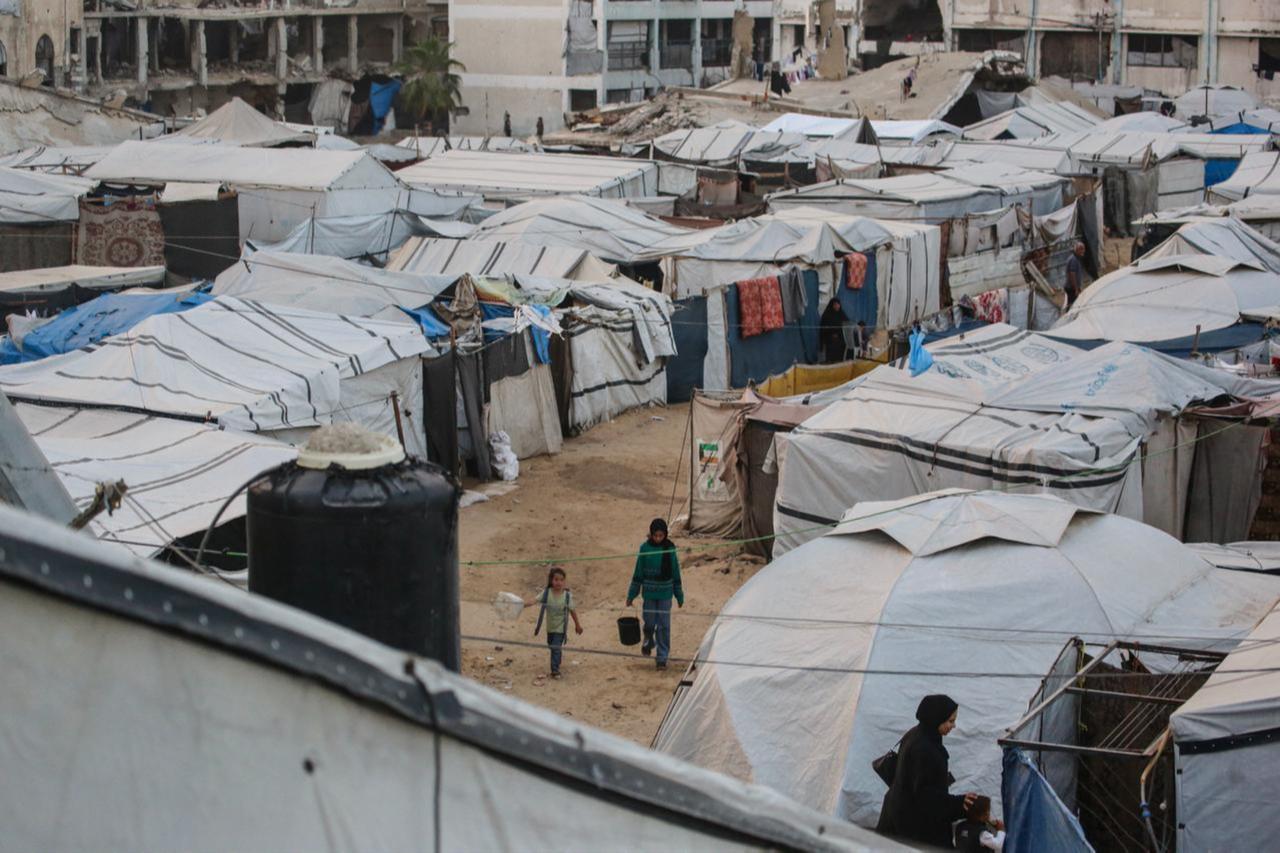
Since the ceasefire took effect, more than 900 Palestinians have been killed in Gaza, according to the territory's health ministry. The broader death toll since the war began in October 2023 now exceeds 72,000, with more than 172,000 injured, the majority women and children.
Hamas political bureau member Bassem Naim described Netanyahu's territorial expansion announcement as a blatant violation of the agreements.
"In a blatant violation of all agreements, as is their usual practice, Netanyahu announced expanding control over 70% of the Gaza Strip, while the killing and starvation continue," Naim told Agence France-Presse (AFP).
Hamas spokesman Hazem Qassem directed particular criticism at the Trump-backed Board of Peace, the transitional oversight body named under phase two of Trump's 20-point Gaza plan and backed by a November UN Security Council resolution, and its high representative Nickolay Mladenov, for failing to publicly challenge Israel's conduct.
"Failing to condemn Israel's expansionist policies and forced displacement plans raises serious questions about the extent of the sponsoring parties' commitment to obliging Israel to adhere to its obligations," Qassem said.
The UN rejected the expansion outright. Spokesman Stephane Dujarric said at the UN's New York headquarters: "One hundred percent of Gaza should be for the Palestinian people. That's what we want to see, and we've been calling on Israel to pull back from its occupation from the so-called yellow line, and that will continue to be our position."


 Set as preferred source
 Set as preferred source


 1 min read

 1 min read