Newsletters


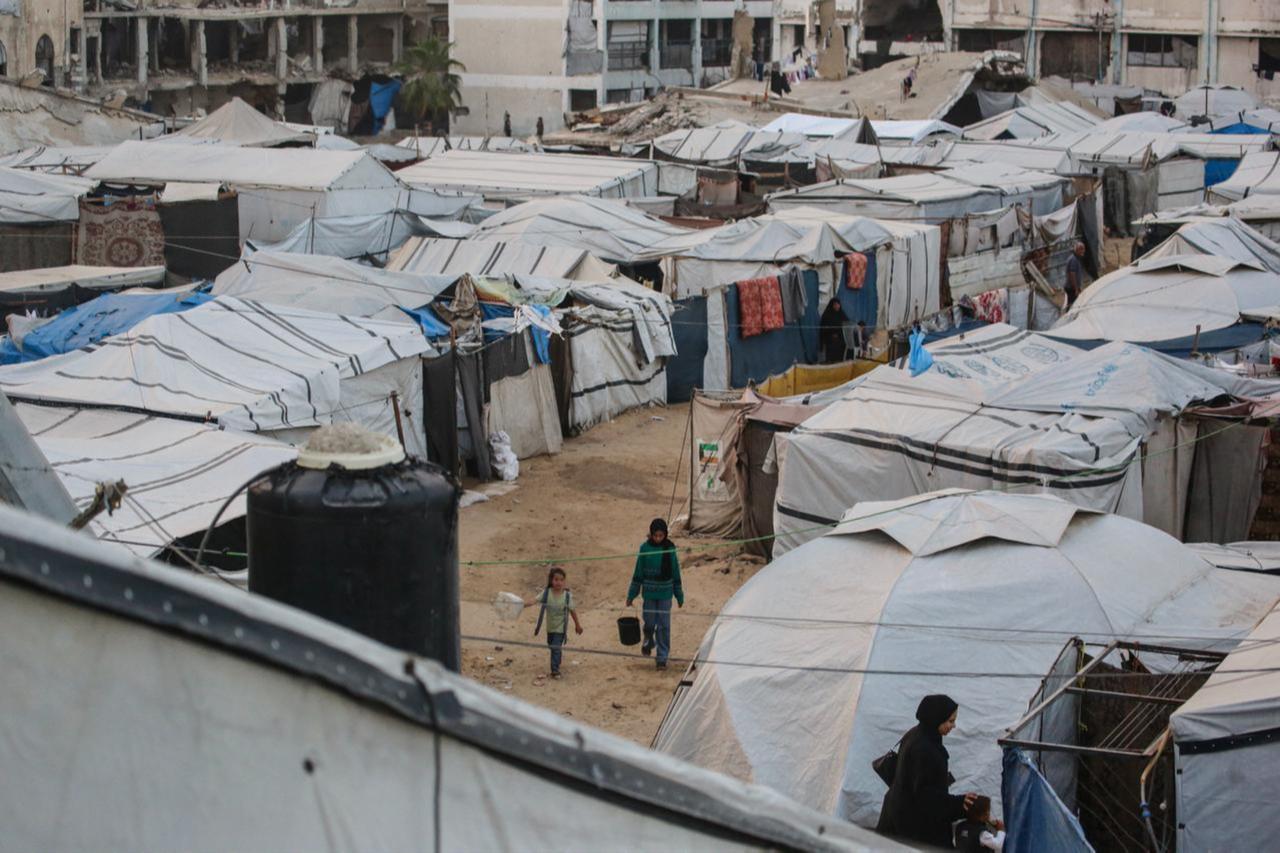


The United Nations warned Friday that Israel’s plan to take control of 70% of the Gaza Strip would deepen the suffering of children already living under severe overcrowding, lack of food, water and hygiene.
Israeli Prime Minister Benjamin Netanyahu said he had ordered the military to seize more territory in Gaza, despite a fragile cease-fire that took effect in October.
Netanyahu said the Israeli military had controlled 50% of the Palestinian territory under the cease-fire terms before advancing to 60%.
“My directive is to move to... 70%,” he said.
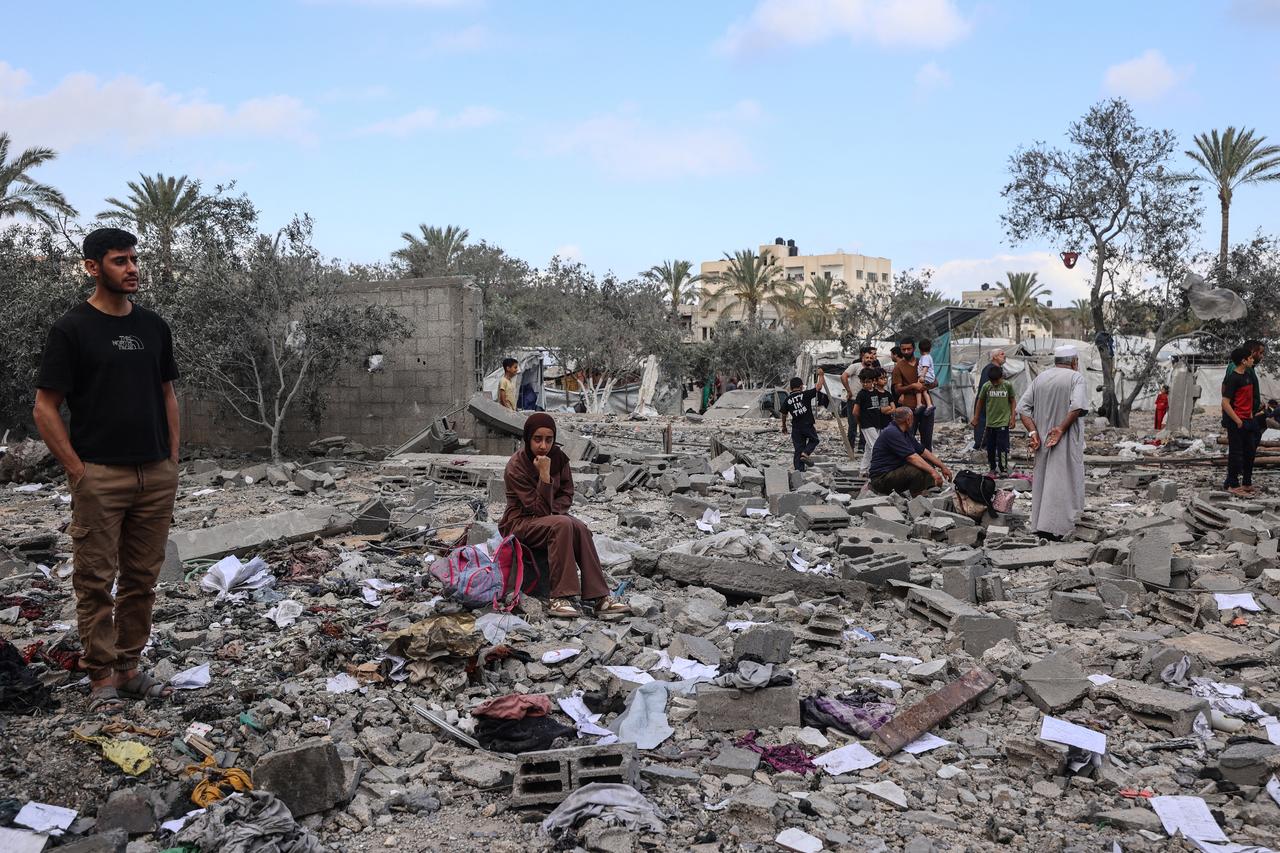

The Palestinian Foreign Ministry described Netanyahu’s announcement as “a serious violation of the foundations of the cease-fire.”
Israel controls all entry points into Gaza and the flow of aid into the territory, which has been under an Israeli blockade since 2007.
Even before the Oct. 7, 2023 attacks inside Israel triggered the war, Gaza was already densely populated.
UNICEF spokesperson Salim Oweis said people in Gaza have now been forced into around 40% of the territory, sheltering among destroyed buildings, rubble and growing piles of solid waste.
Speaking from Gaza to reporters in Geneva, Oweis said there was no accessible space left to clear the waste.
“The effects of this are now widely apparent: children with respiratory infections, acute watery diarrhoea, and more than half of all households reporting skin diseases,” he said.
Oweis said fleas, lice and scabies had become common, while cases of rats biting young children and babies had also been reported.
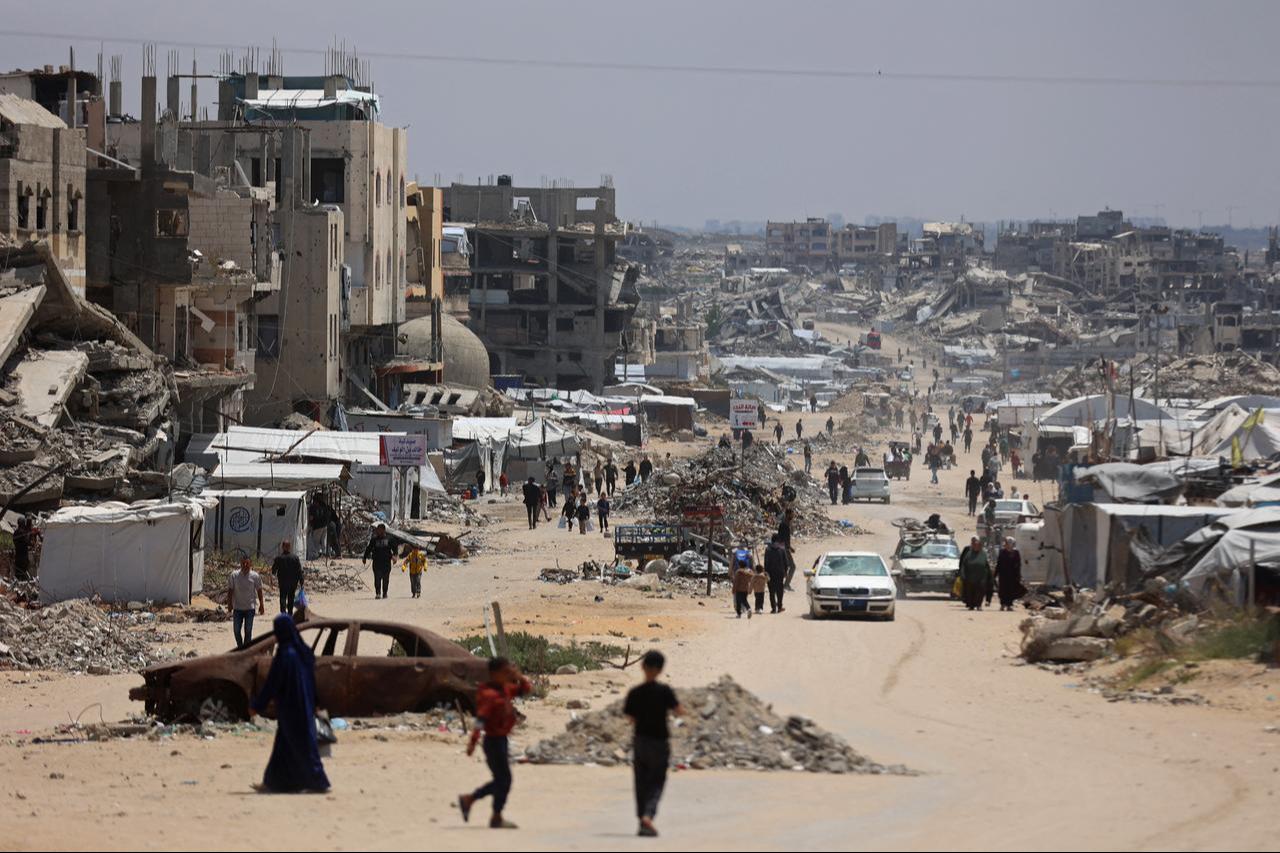
Oweis said more children were needing hospitalization, while Gaza had no fully functioning hospital.
He said overcrowding was spreading disease, straining systems and cutting access to services.
If Israel takes control of more land, aid workers could lose access to service points and hard-to-reach areas where children and families live.
“This will just mean that more children will suffer,” Oweis said.
Since the cease-fire took effect, Gaza has faced daily violence. Israel has killed more than 900 people there since then, according to Gaza’s Health Ministry, whose figures are considered reliable by the U.N.
They are among more than 72,800 people killed in Gaza since the start of the war, according to the ministry.


 Set as preferred source
 Set as preferred source


 2 min read

 1 min read