Newsletters


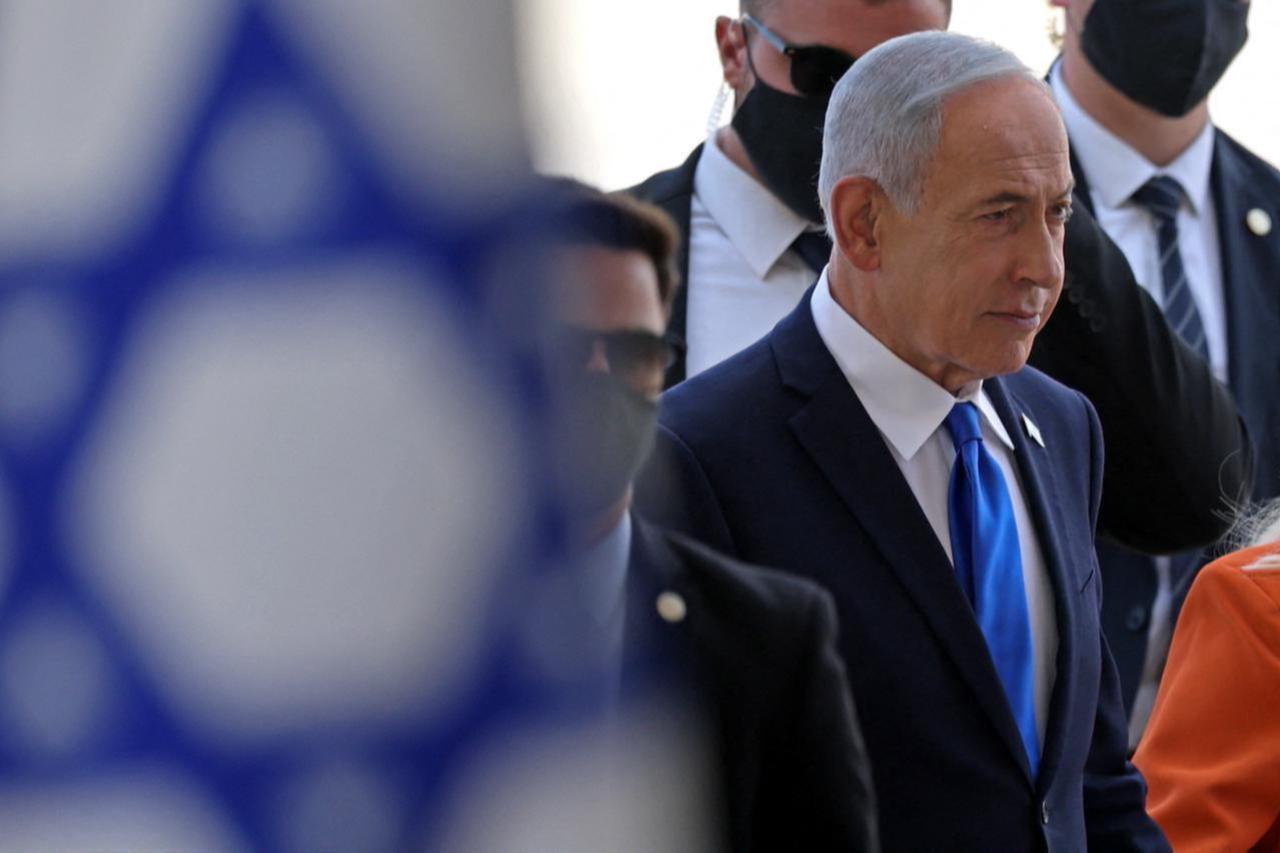


Nearly four in five Israeli citizens support the joint military strikes on Iran launched in late February, but enthusiasm is cooling on several fronts, according to a new survey published by a leading Israeli think tank.
The Institute for National Security Studies (INSS), a Tel Aviv-based research body, released the poll roughly two weeks after Israel and the United States began their joint offensive against Iran on February 28. The survey found that 78.5% of Israeli citizens back the strikes, a figure that already marks a slight dip from the 80.5% recorded in an earlier poll conducted on March 2.
While headline approval for the military operation remains robust, a closer look at the data reveals a more complicated picture. Sixty percent of respondents rated the strikes as successful, but support for continuing military operations until the Tehran government is toppled fell sharply, dropping from 63% to 54% between the two polling periods.
Similarly, the share of Israelis who believe the strikes will ultimately weaken the Iranian government declined from 69% at the outset of the campaign to 58%, an eleven-point slide that suggests growing skepticism about the operation's strategic objectives.


The survey also gauged the Israeli public's capacity to endure a prolonged conflict. Forty-six percent of respondents said they could withstand conditions of war for another month, while 47% expressed confidence they could maintain their daily lives even if the conflict dragged on beyond that timeframe.
On the separate question of operations in Lebanon, 48% of Israeli citizens said they believe the strikes there will deliver long-term security.
The INSS noted that 805 participants responded in Hebrew and 152 answered in Arabic, reflecting the country's demographic composition.
According to Israeli government data, roughly 77% of the population is Jewish, while approximately 21% comprises Palestinian citizens of Israel, Bedouins and Druze Arabs. The institute said the survey carried an accuracy rate of approximately 95%.
The findings come as Israel navigates simultaneous military engagements on multiple fronts, a situation that has placed sustained pressure on both the country's defense establishment and its civilian population.


 Set as preferred source
 Set as preferred source


 1 min read

 1 min read