Newsletters


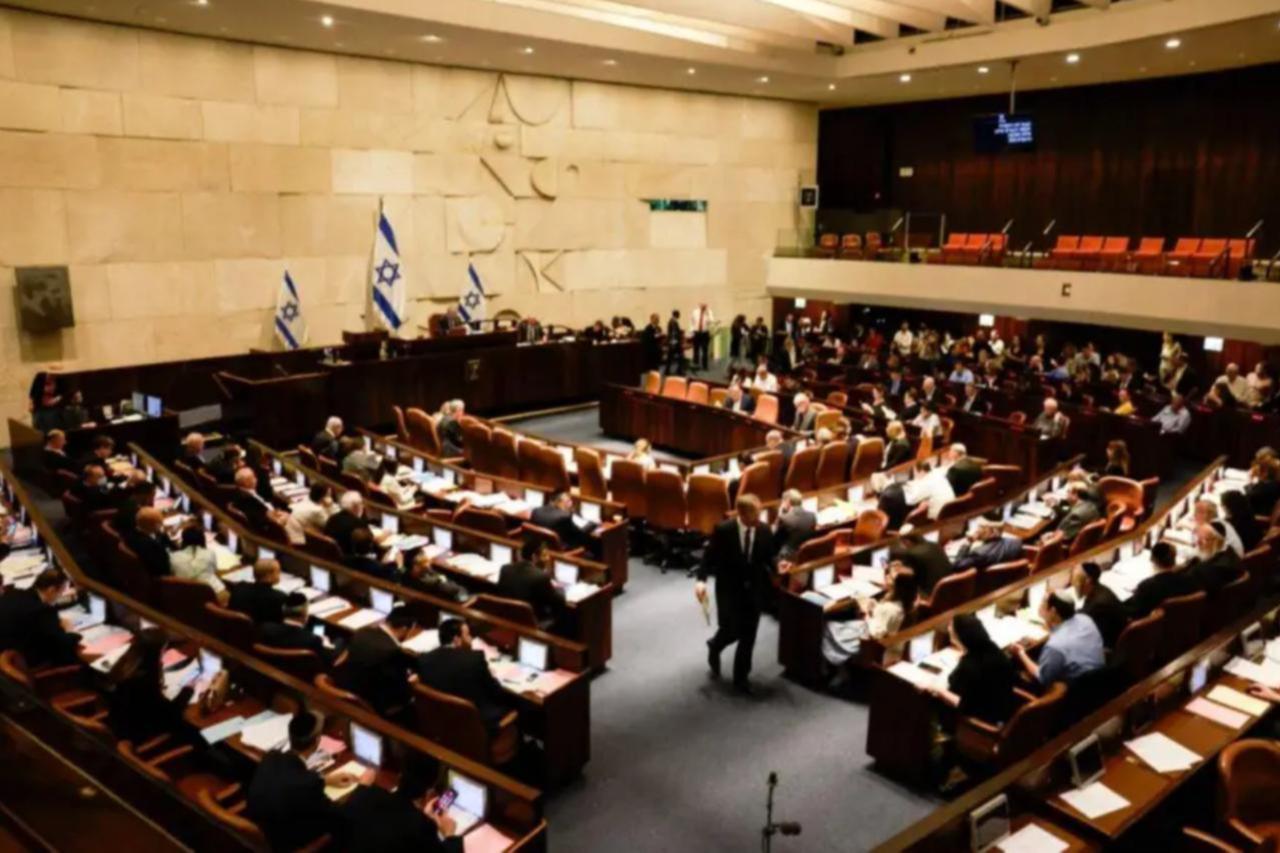


Israel's governing coalition submitted a bill Wednesday evening to dissolve the Knesset, the country's 120-seat parliament, in a move widely seen as a preemptive strike against the opposition, which had already begun moving its own dissolution measures amid a deepening crisis over military conscription for ultra-Orthodox Jews.
Ofir Katz, the coalition chairman and a member of Prime Minister Benjamin Netanyahu's Likud party, filed the legislation along with all other coalition party leaders, according to Israeli public broadcaster KAN.
The bill, which would formally dissolve the 25th Knesset, leaves the election date to be set through deliberations in a parliamentary committee, and is framed as a measure to regulate and streamline the dissolution process.


The collapse in political stability traces directly to Netanyahu's acknowledgment, relayed to Haredi Knesset members on Tuesday, that he lacks a sufficient majority to pass legislation exempting yeshiva students from mandatory military service, according to the Israeli news site Walla.
Ultra-Orthodox, or Haredi, parties responded swiftly, signaling they would throw their support behind dissolving the Knesset and holding elections ahead of the originally scheduled date in late October.
The Israeli military's exemption for Haredi yeshiva students, rooted in arrangements dating to the early years of the state, has remained one of the country's most combustible political fault lines. Israel's courts have ruled the existing exemption unlawful, and the military has repeatedly warned of an acute manpower shortage, particularly after more than two years of war.
Successive attempts to legislate a new framework have collapsed under the weight of competing demands from ultra-Orthodox coalition partners and secular lawmakers unwilling to approve arrangements seen as enshrining mass exemptions.
Hours after the Haredi parties signaled their readiness to back early elections, the opposition moved on parallel tracks. Yesh Atid, the centrist party led by opposition leader Yair Lapid, and the Democrats party, headed by Yair Golan, submitted their own dissolution bills, with both parties indicating the measures could be brought to a floor vote as early as next week.
Political observers said the opposition's alignment with the Haredi bloc, however uncomfortable, reflects a shared interest in forcing early elections, a scenario that could plausibly end Netanyahu's tenure as prime minister. The coalition's decision to file its own dissolution bill the same evening appears aimed at wresting control of the process and shaping the terms under which any election would be held, rather than allowing a vote driven by opposition momentum.
 1 min read
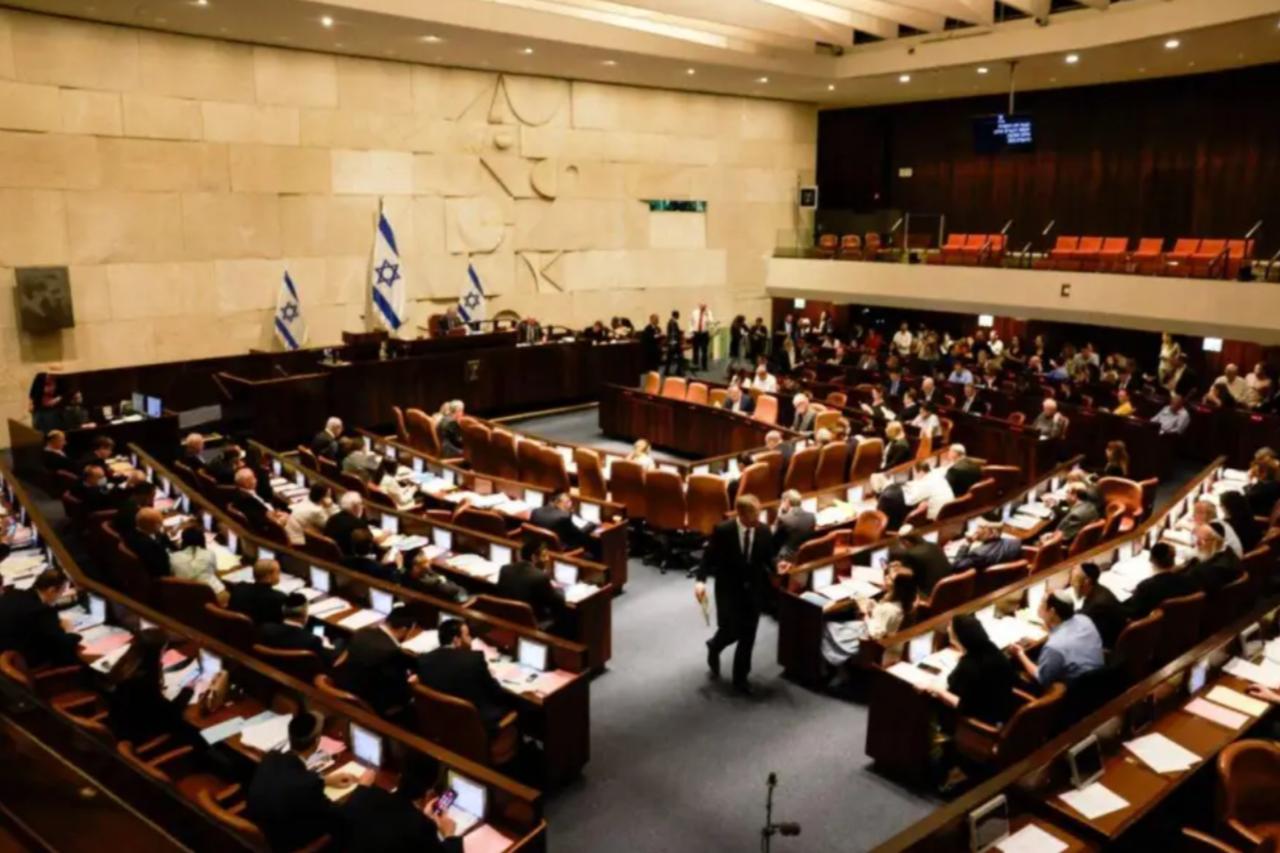
For Netanyahu, early elections carry distinct risks. A loss could remove him from office at a moment when he continues to face a criminal trial, a context that gives him strong personal incentive to manage or delay the process. Analysts have noted he is likely to seek influence over the timeline through committee proceedings and negotiations with his Haredi partners, even if dissolution ultimately proves unavoidable.
The crisis has exposed a pronounced deterioration in trust between Netanyahu and the ultra-Orthodox parties who have anchored his governing majority. The Haredi parties had long viewed their coalition role as leverage to secure legislative protection for yeshiva students, but with that protection now out of reach in the current Knesset, the calculus appears to have shifted toward seeking a new parliamentary arithmetic after fresh elections.


 Set as preferred source
 Set as preferred source




 1 min read