Newsletters


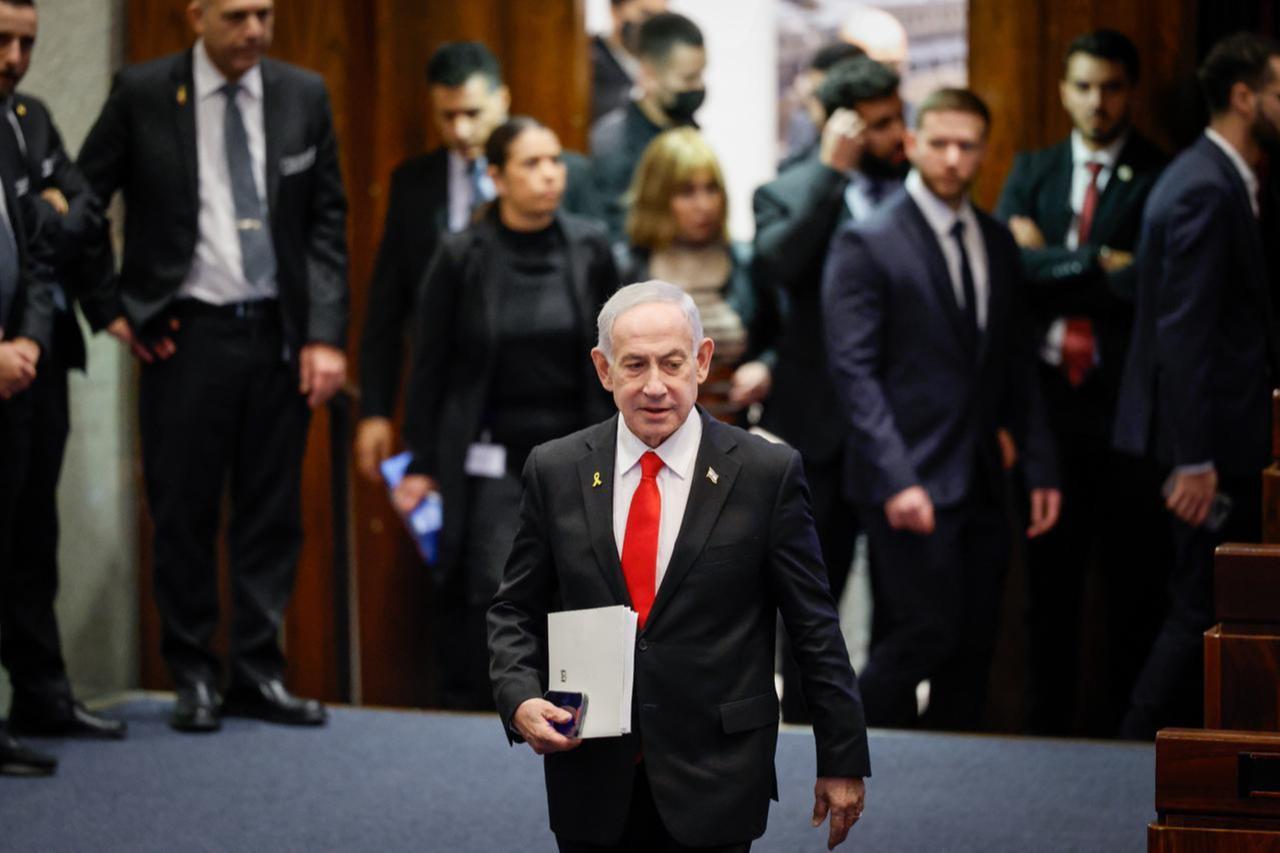


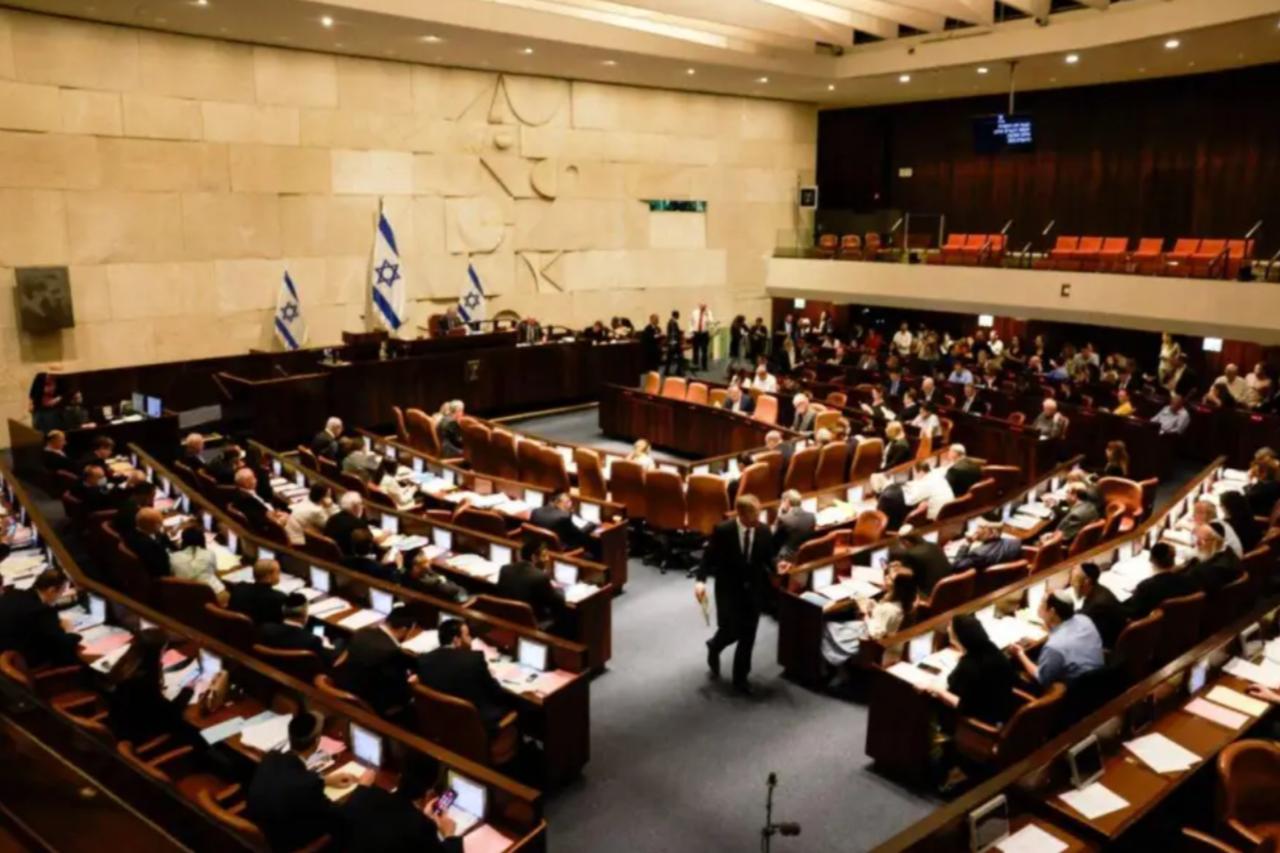
Israel's Knesset passed legislation Monday allowing the death penalty for Palestinians convicted of terrorism-related killings, in a vote that drew fierce opposition at home and abroad and marked the most significant expansion of capital punishment in the country's modern history.
The bill cleared its second and third readings by 62 votes to 48, with one abstention. Prime Minister Benjamin Netanyahu traveled to the chamber to cast his vote in favor in person. The legislation was initiated by Knesset member Limor Son Har-Melech and championed by far-right National Security Minister Itamar Ben-Gvir.
The law stipulates that the death penalty will be imposed on anyone convicted of killing a person "with the intent to deny the existence of the State of Israel," a formulation that critics say is designed almost exclusively for Palestinian terrorism, while making its application to Jewish nationalist violence practically unworkable.
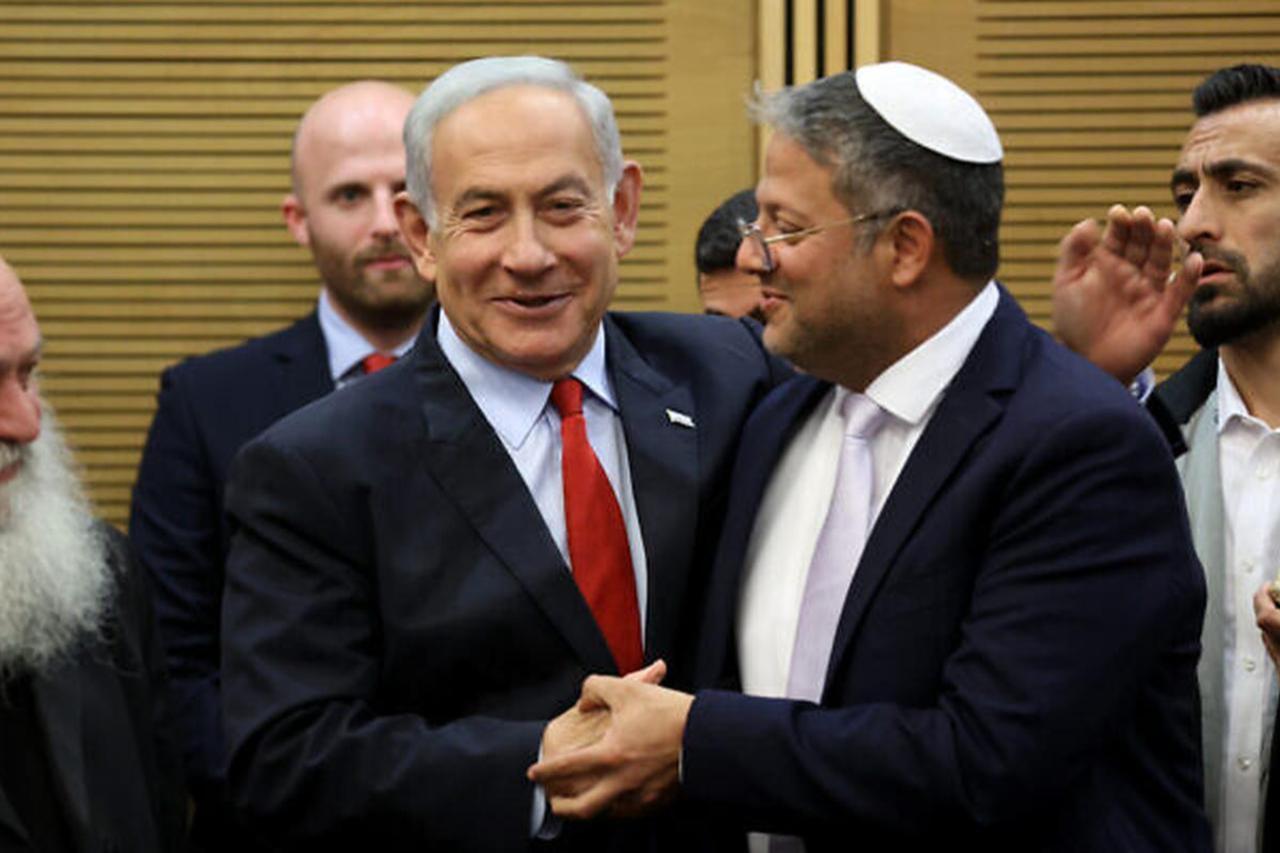

The legislation makes death by hanging the default punishment for West Bank Palestinians convicted of nationalistic killings, while also granting Israeli courts the authority to impose either execution or life imprisonment on Israeli citizens. It is not retroactive and applies only to future cases.
Under the final version, judges may impose the death penalty even without a prosecution request, and unanimous judicial consent is not required. A life sentence may be substituted only if the court identifies "special reasons" or "special circumstances." The bill's wording was softened under pressure from Netanyahu, who sought to remove clauses considered unconstitutional or contrary to international law, including a provision that would have required West Bank residents to be tried exclusively in military courts.
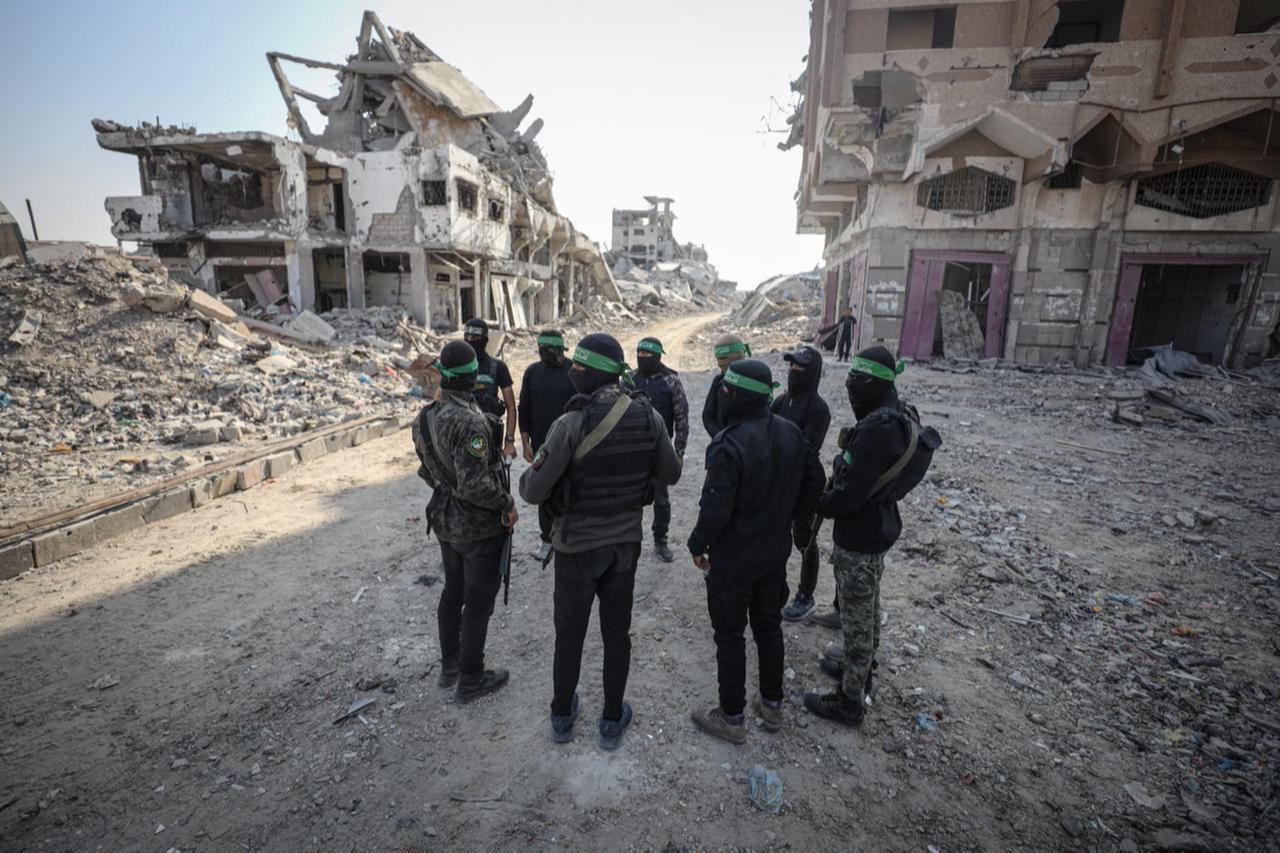
Notably, the law will not apply to Hamas members who took part in the October 7, 2023 attacks, as a separate tribunal is being prepared for that group.
The vote was not without internal dissent. Rabbi Gilad Kariv of the left-wing Democrats condemned what he called "an extreme bill that does not exist in any democratic country, with serious moral flaws and profound security recklessness." Some opposition lawmakers also raised concern that the law could damage future hostage negotiations, pointing to Israel's exchange of roughly 250 hostages for thousands of Palestinian prisoners following the October 2023 attack.
Objections came from within the security and legal establishment as well. Israeli military representatives warned during committee discussions that the law contradicts international treaties to which Israel is a signatory, while a Justice Ministry attorney described applying the death penalty in the West Bank through civilian legislation as "very problematic."
According to Haaretz, the Israeli military also believes the legislation could expose commanders to potential arrest warrants. Israel's National Security Council was among the bodies that registered opposition to the proposal.
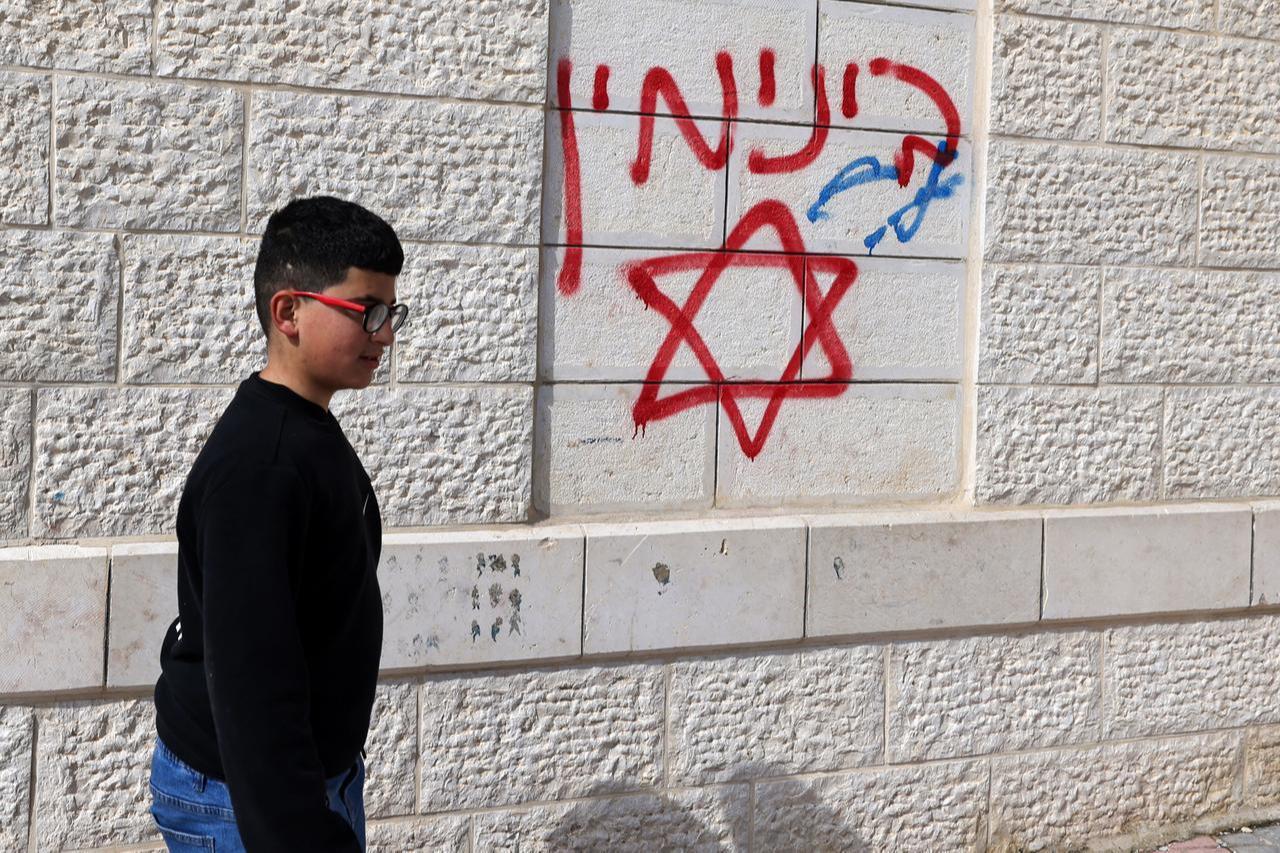
International condemnation preceded and followed the vote. The foreign ministers of Germany, France, Italy and the United Kingdom issued a joint statement warning that the bill's "de facto discriminatory character" risked undermining Israel's democratic commitments, calling the death penalty "an inhumane and degrading form of punishment without any deterring effect."
The Council of Europe's Secretary General similarly urged Israel to abandon the legislation, warning that any departure from European human rights standards risked moving Israel further from a framework it had long aligned with.
A group of UN experts also urged withdrawal of the bill, warning that mandatory death sentences run contrary to the right to life and that the use of hanging could amount to torture or cruel and degrading punishment under international law.
Palestinian prisoners' rights groups described the legislation as an "unprecedented act of savagery," accusing Israel of seeking to formalize the killing of detainees amid escalating reports of abuse in custody. Amnesty International warned the law would serve as another instrument within what it characterized as Israel's system of institutionalized discrimination against Palestinians.


 Set as preferred source
 Set as preferred source


 1 min read
 1 min read