Newsletters


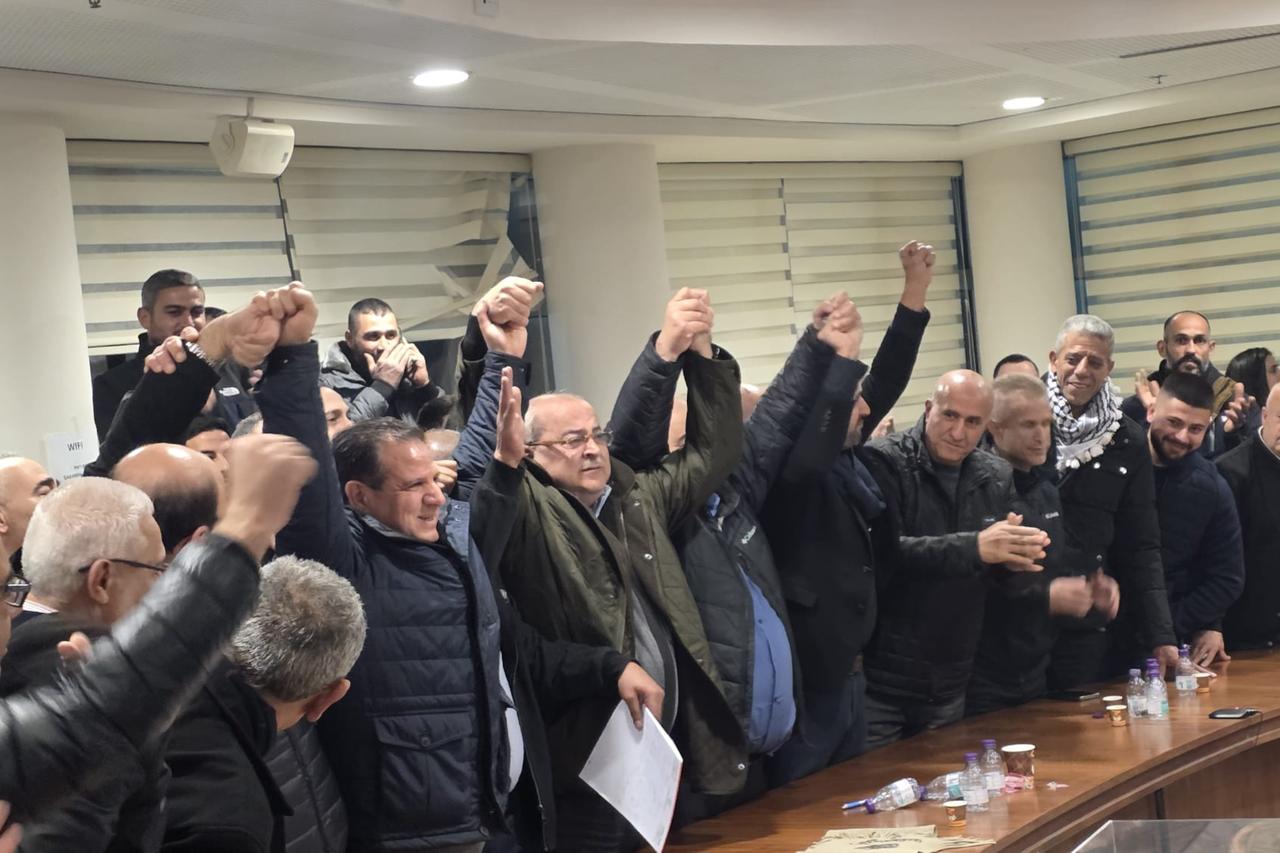


The leaders of Israel’s four main Arab political parties signed a document Thursday pledging to work toward reestablishing the Joint List bloc and to run on a unified slate in the next parliamentary elections.
The heads of Ra’am, Hadash, Ta’al and Balad signed the commitment during a meeting in the Arab municipality of Sakhnin in northern Israel, shortly after a large public demonstration protesting a surge in crime in the Palestinian Arab community.
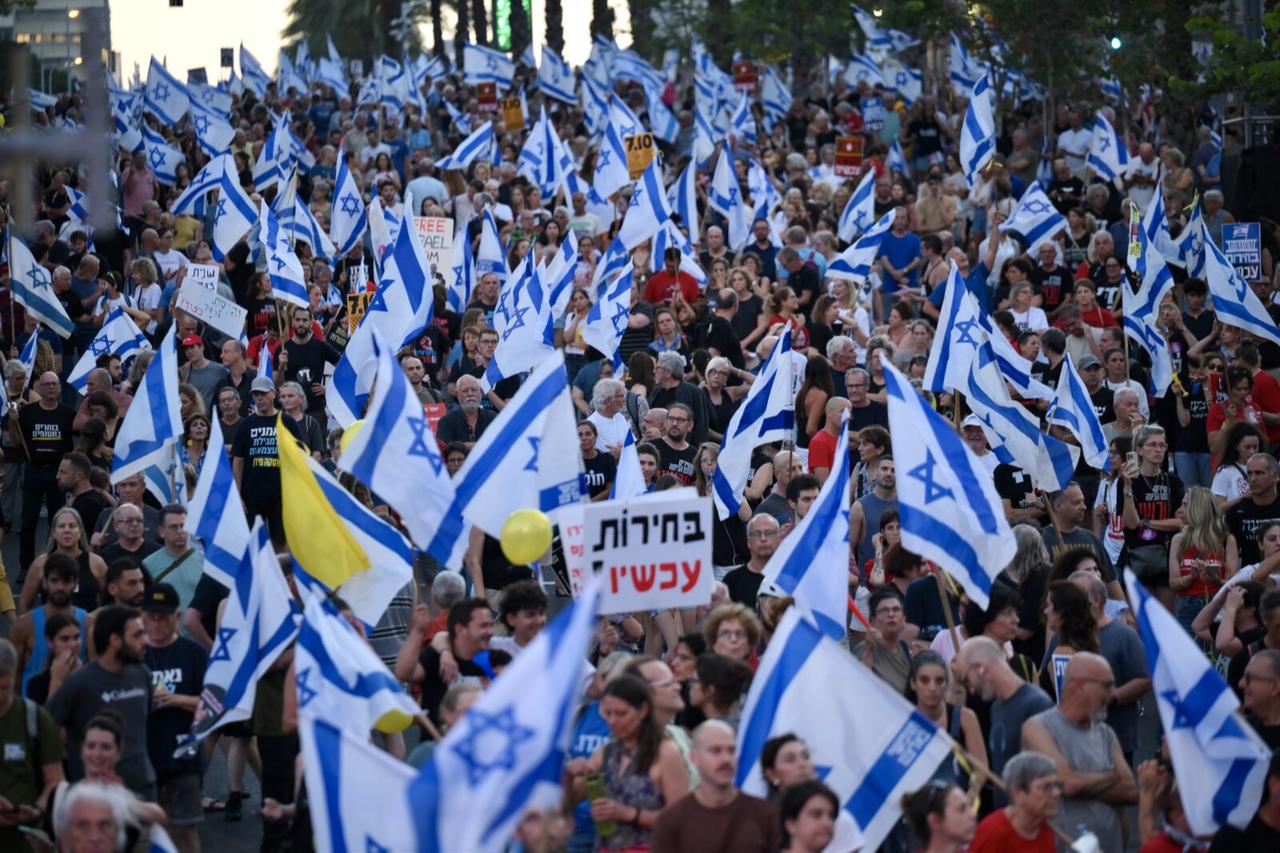

The Palestinian affairs website Arab 48 reported that the move came amid growing public pressure for unified Arab political representation in the Knesset, Israel’s parliament. The document was titled “Joint List Now,” according to the report.
The signatories were National Democratic Assembly (Balad) head Sami Abu Shehadeh, Democratic Front for Peace and Equality (Hadash) leader Ayman Odeh, Arab Movement for Change (Ta’al) head Ahmad Tibi and United Arab List (Ra’am) leader Mansour Abbas.
A consultative meeting held after the demonstration focused on political and protest strategies for the coming period, the report said, against the backdrop of repeated accusations that Israeli police have failed to address, or have shown complicity in, organized crime in Arab towns.
The four parties have been engaged for months in discussions aimed at reviving the Joint List, but progress had stalled amid internal disagreements, particularly between Ra’am and the other factions.
Those disputes centered mainly on Abbas’ demand that the bloc function only as a technical alliance, allowing him the option of splitting from the list after the election and joining a governing coalition independently.
Arab citizens make up more than 20% of Israel’s population of roughly 10 million.
In the current Knesset, elected on Nov. 1, 2022, Arab citizens are represented by two separate lists after the parties ran independently. Ra’am won five seats, while the Hadash–Ta’al alliance also secured five seats. Balad failed to pass the electoral threshold and did not win representation.
As a result, Arab representation in the 120-seat Knesset stands at 10 seats, a proportion lower than the share of Arab citizens in Israel’s population.


 Set as preferred source
 Set as preferred source


 1 min read
 1 min read