

 Newsletters


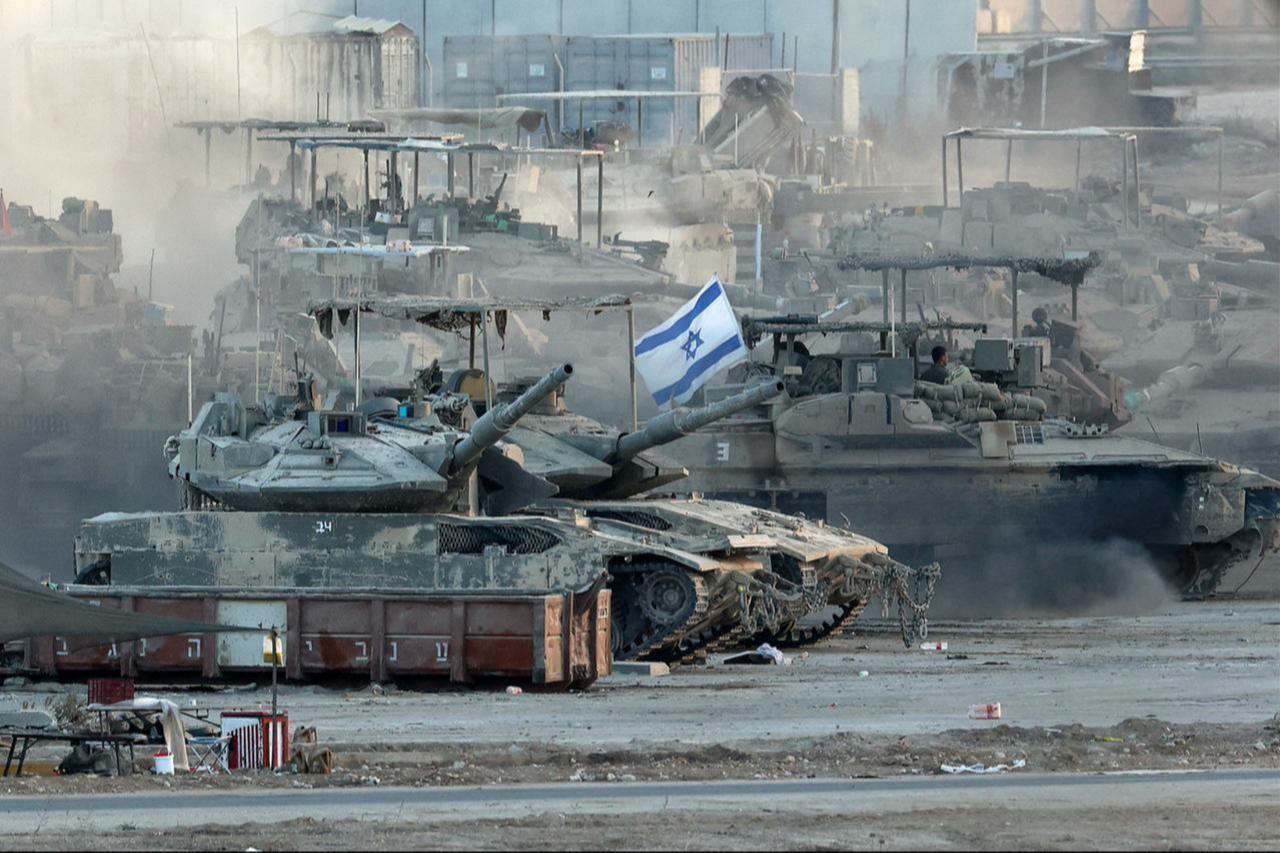


As the regime change in Syria completes its first year, the country has achieved significant progress in a short time. Most importantly, the new leadership has secured the support of the United States and regional actors.
While the United States, Türkiye, and Gulf countries are working to strengthen central authority in Syria, Israel has pursued a destructive rather than constructive policy over the past year.
At a time when Iran’s influence has been significantly weakened by Israel’s wars and operations across the region, and when an openly anti-Israel Syrian regime has collapsed and Iran’s logistical routes to Hezbollah have been cut, Israel risks failing to capitalize on these favorable conditions.
Instead of coordinating with Syria’s new leadership and engaging in constructive dialogue with regional actors to shape a stable future, Israel has adopted a policy of supporting minorities, occupation and weakening of the central authority.
While Israel supports strengthening the central government in Lebanon against Hezbollah, in Syria, it instrumentalizes Druze, Kurdish, and Alawite groups to weaken governance, thereby creating conditions that could allow Daesh, Hamas and other radical groups such as Al-Qaeda to strengthen or re-emerge—an outcome that ultimately benefits only Iran.
The Ahmed al-Sharaa government, which has sought to preserve Syria’s territorial integrity since taking office, faces Israel, which has occupied the 1974 Golan Heights demilitarized zone and reportedly expanded its control up to 25 kilometers (15.5 miles) from Damascus.
Since the regime’s collapse, Israel has conducted ground operations, arrests, civilian detentions, and occupations in southern Syria; provoked Druze, Kurdish, and Alawite communities against the central government; and has carried out more than 1,000 airstrikes and over 400 cross-border raids in southern provinces, occupying more than 180 square kilometers. These attacks have damaged Syria’s defense capabilities and infrastructure while targeting sites Israel claims are linked to Iran.
While the Trump administration has been mediating toward normalization and a security agreement between Israel and Syria as part of its effort to withdraw U.S. forces, most observers expect that, due to conflicting expectations, the outcome will likely be limited to a non-aggression pact as an expanded version of the 1974 disengagement agreement for now.
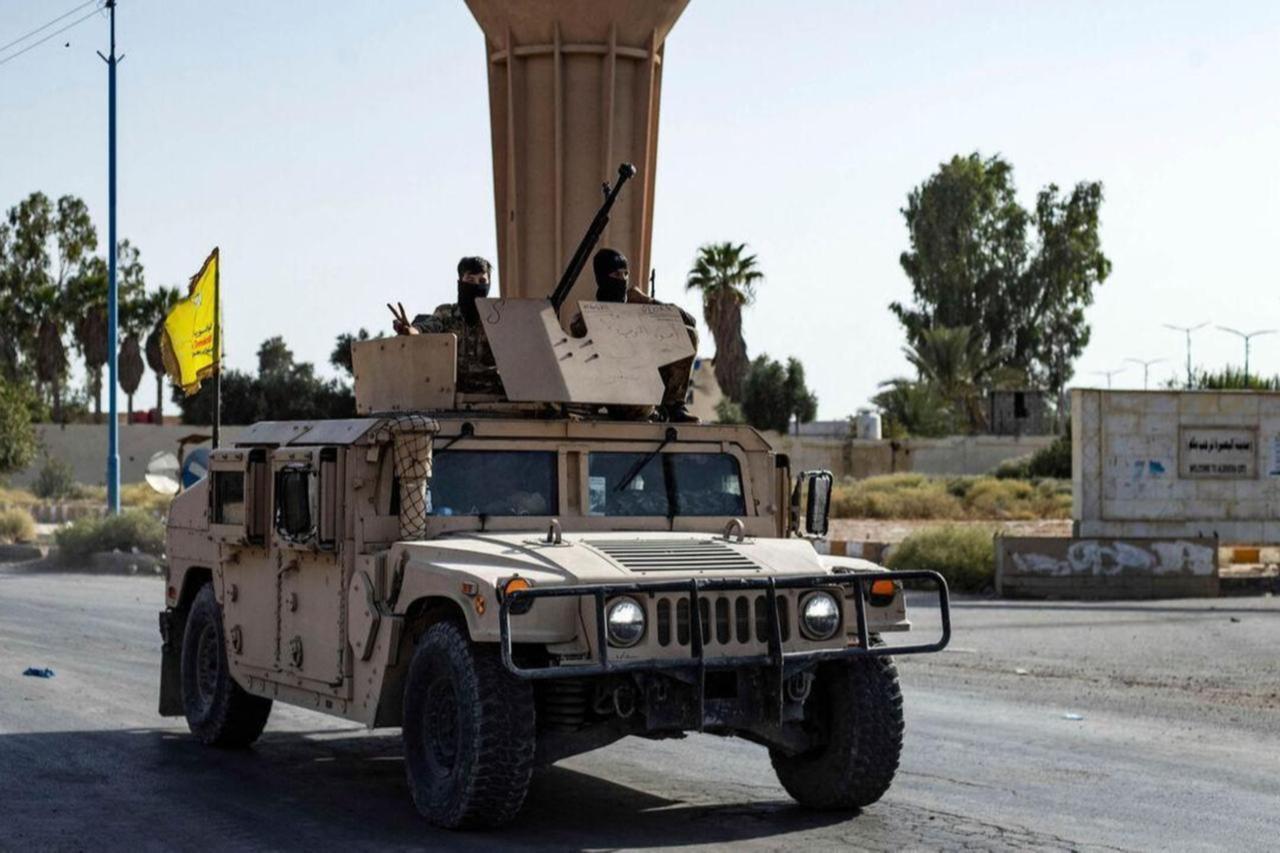
On the other hand, the SDF and its political wing, the Autonomous Administration of North and East Syria (AANES), control large Arab-majority areas such as Raqqa, Deir ez-Zor, and Hasakah, having established autonomous governance in northeastern Syria as the main ally of the US-led Coalition to Defeat Daesh. The SDF continues to control energy resources and resists withdrawing from occupied territories or integrating its forces into the Syrian army.
Although the Trump administration prioritized an SDF–Damascus cooperation framework, signed on March 10 and intended for implementation by the end of 2025, the agreement was imposed under U.S. pressure.
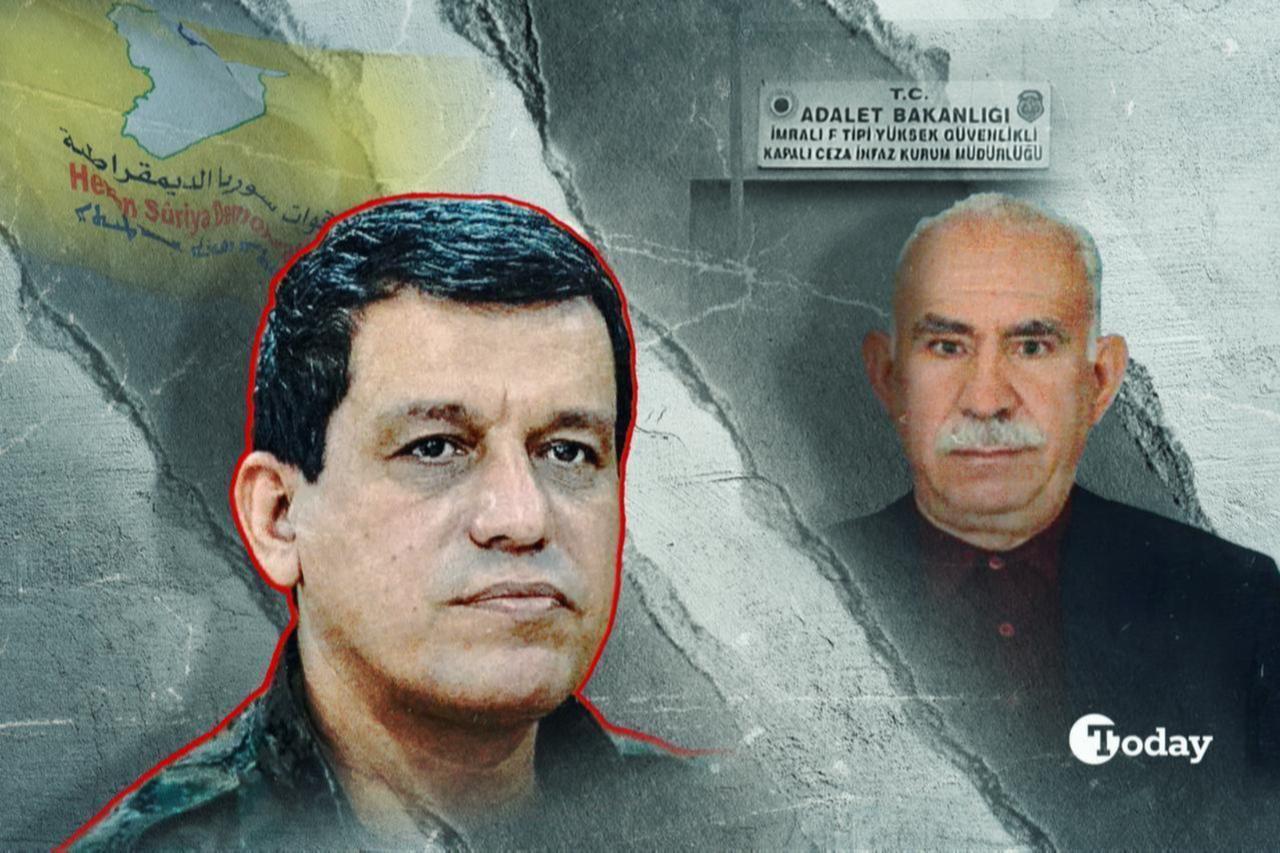
From the outset, analysts argued that Mazloum Abdi signed the deal merely to buy time and wait for conditions to shift in his favor. The SDF’s current resistance, now reinforced by coordination with Israel even against U.S. preferences, appears to confirm this assessment.
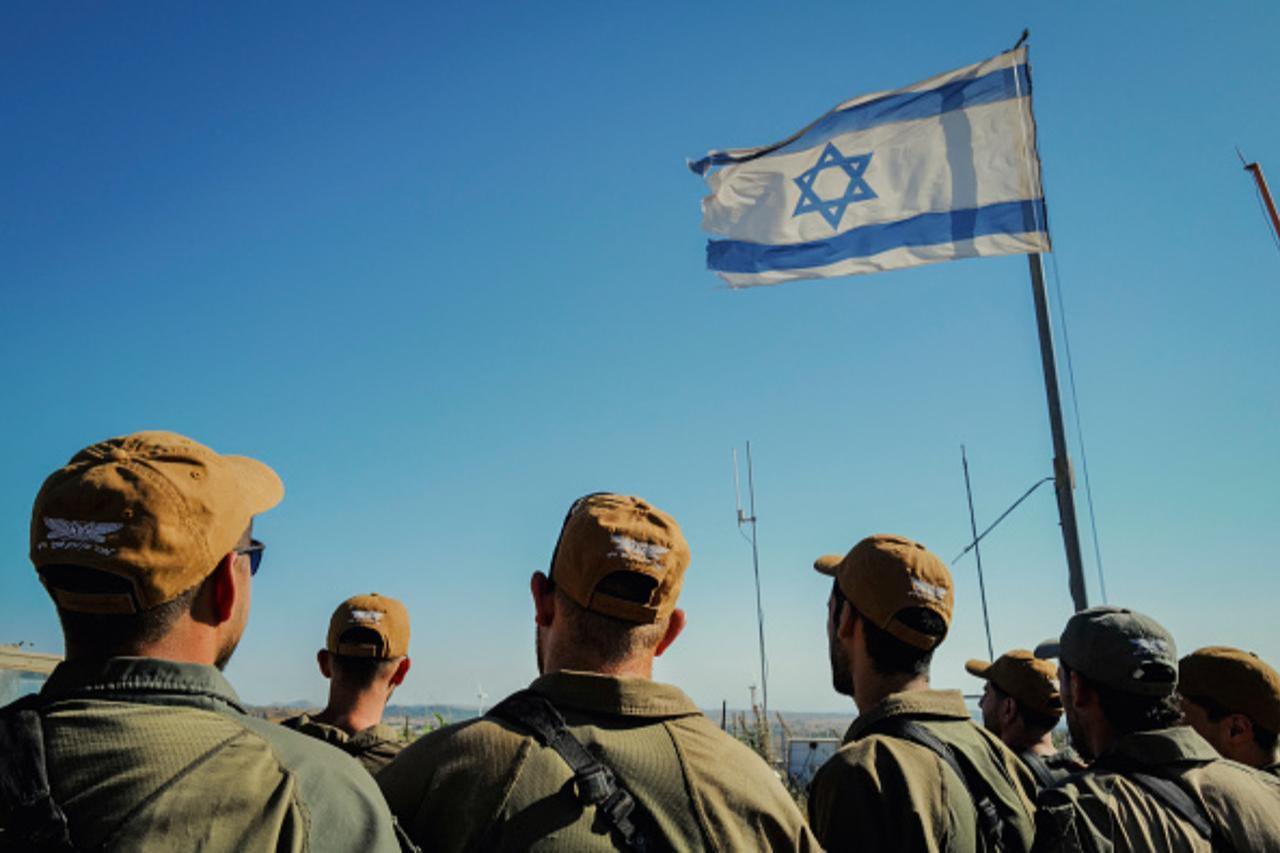

Israel initially claimed its occupation of the 1974 UNDOF buffer zone was temporary but later signaled permanent intentions, particularly in areas such as Mount Hermon, where military infrastructure construction has begun.
Israel has pursued occupation policies in southern Syria, demanding the demilitarization of three regions to create an Israeli-controlled security zone in southwestern Syria, encompassing parts of Quneitra, Daraa, and Sweida provinces; the Mount Hermon region; and parts of Rif Dimashq (rural Damascus); continued civilian targeting and detention practices; and proposed the creation of a humanitarian corridor from Israel to Suweida, which was rejected by the Damascus government. Instead, a U.S.-proposed corridor originating from Damascus has reportedly been discussed between the parties.
Citing ties to Israeli Druze citizens, Israel has repeatedly intervened militarily in Syria under the pretext of protecting Druze communities, while also providing them with military and financial support and intelligence to weaken central authority.
This policy, which divided Syrian Druze groups, was detailed in a Washington Post report, which stated that following Assad’s fall, Israel secretly airdropped rifles, ammunition, and humanitarian supplies to Druze militias using the SDF as an intermediary and paid Druze fighters through SDF channels.
The Syrian government has not retaliated against Israeli attacks and has expressed openness to agree, stating it would deploy forces if Israel withdrew to the 1974 line while rejecting Israel’s demands in southern Syria.
However, continued talks and Israel’s policies over the past year indicate the country’s long-term objectives.
One of them is to support separatist Druze and Kurdish movements to weaken Syria and maintain occupation, military intervention, and demilitarization policies in Mount Hermon and southern Syria to preserve Israeli military autonomy and create buffer zones.
The talks also aim to limit Türkiye’s influence—portrayed as a threat comparable to Iran—by supporting continued U.S. and Russian presence and preventing Türkiye from constraining Israel’s military freedom through bases or air defense systems.
Despite existing deconfliction mechanisms, Türkiye has accused Israel of exploiting instability and undermining reconstruction, particularly after Israeli strikes since June targeted the T4 airbase, where Türkiye has considered establishing a military presence.
Since mid-2025, U.S.-backed Israel–Damascus talks suggest that full normalization is unlikely and that any agreement would likely be limited to a non-aggression framework allowing Israel’s de facto occupation to continue.
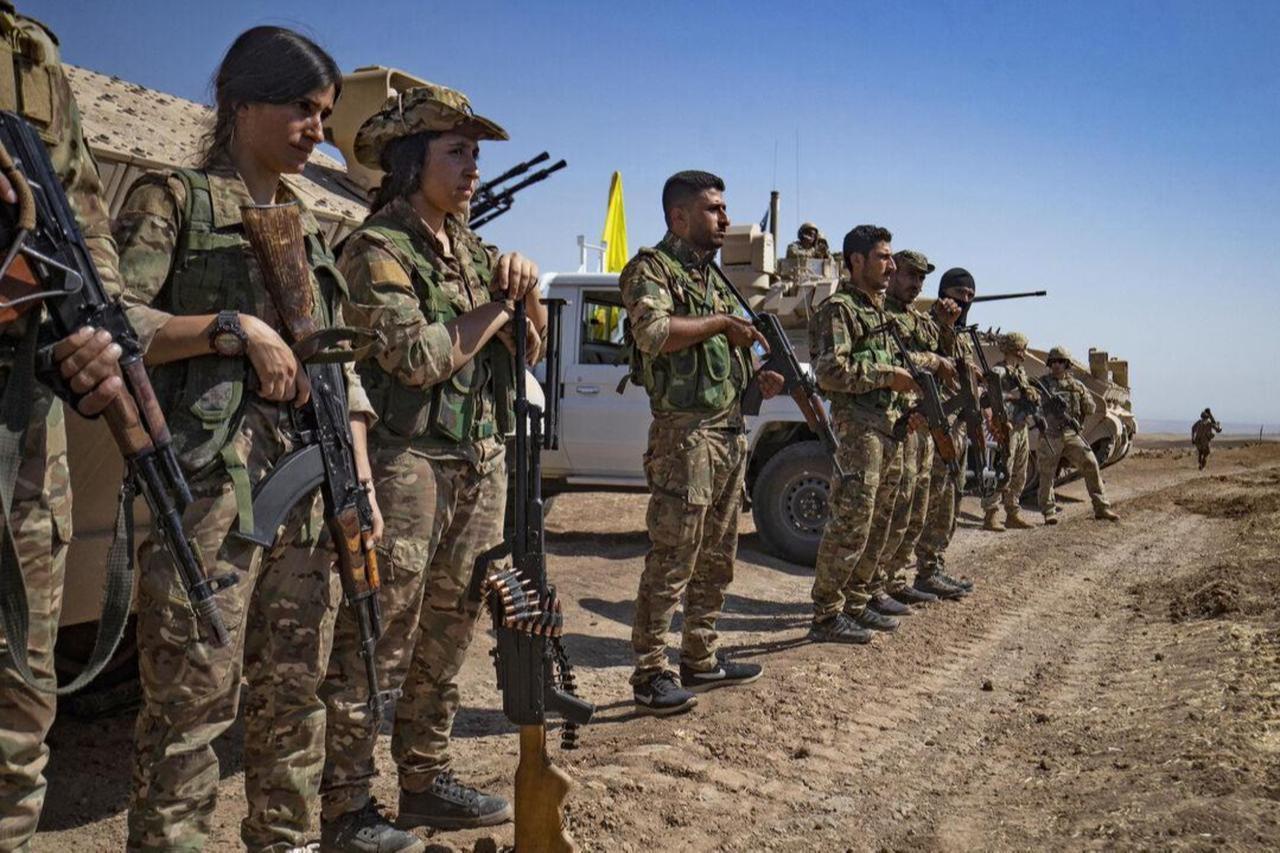
Following Assad’s fall, Israel’s public broadcaster KAN reported in late December 2024 that the YPG/SDF sought Israeli help to prevent U.S. troop withdrawal from northeastern Syria. On Dec. 28, 2024, Israeli Foreign Minister Gideon Sa’ar publicly praised Syrian Kurds for their role in defeating Daesh and urged the international community to support their autonomy.
As with Druze support, Israel’s backing of YPG reflects its longstanding strategy of cooperating with minorities and non-Arab actors to balance regional powers. Israel maintains a low-profile relationship with the SDF to avoid provoking Türkiye, viewing the SDF as a tool to counter jihadist resurgence, Iranian military re-entrenchment, and growing Turkish influence.
This relationship emerged after 2014, when the U.S. partnered with the SDF against Daesh. SDF control of northeastern Syria supported Israeli air operations by disrupting Iran’s land corridors from Iraq to the Mediterranean, without requiring Israeli ground involvement.
Throughout the war, with U.S. support and Russian mediation with the regime, the IDF conducted hundreds of airstrikes aimed at preventing Iran from establishing long-range missile capabilities and stopping arms transfers to Hezbollah.
Although the Iranian threat has diminished, informal intelligence-sharing and deconfliction with the SDF continue to serve Israeli interests by containing Daesh and Iran-aligned groups and providing indirect protection to Druze communities, with Kurdish-held areas functioning as a buffer against hostile forces moving south.
Recently, Foreign Minister Hakan Fidan stated that Israeli military operations encourage the SDF to resist implementing the March 10 agreement with Damascus and argued that progress in Israel–Syria talks would likely influence the SDF’s behavior. Israel had opposed the agreement from the outset, fearing further U.S. withdrawals and expanded Turkish influence.
 1 min read
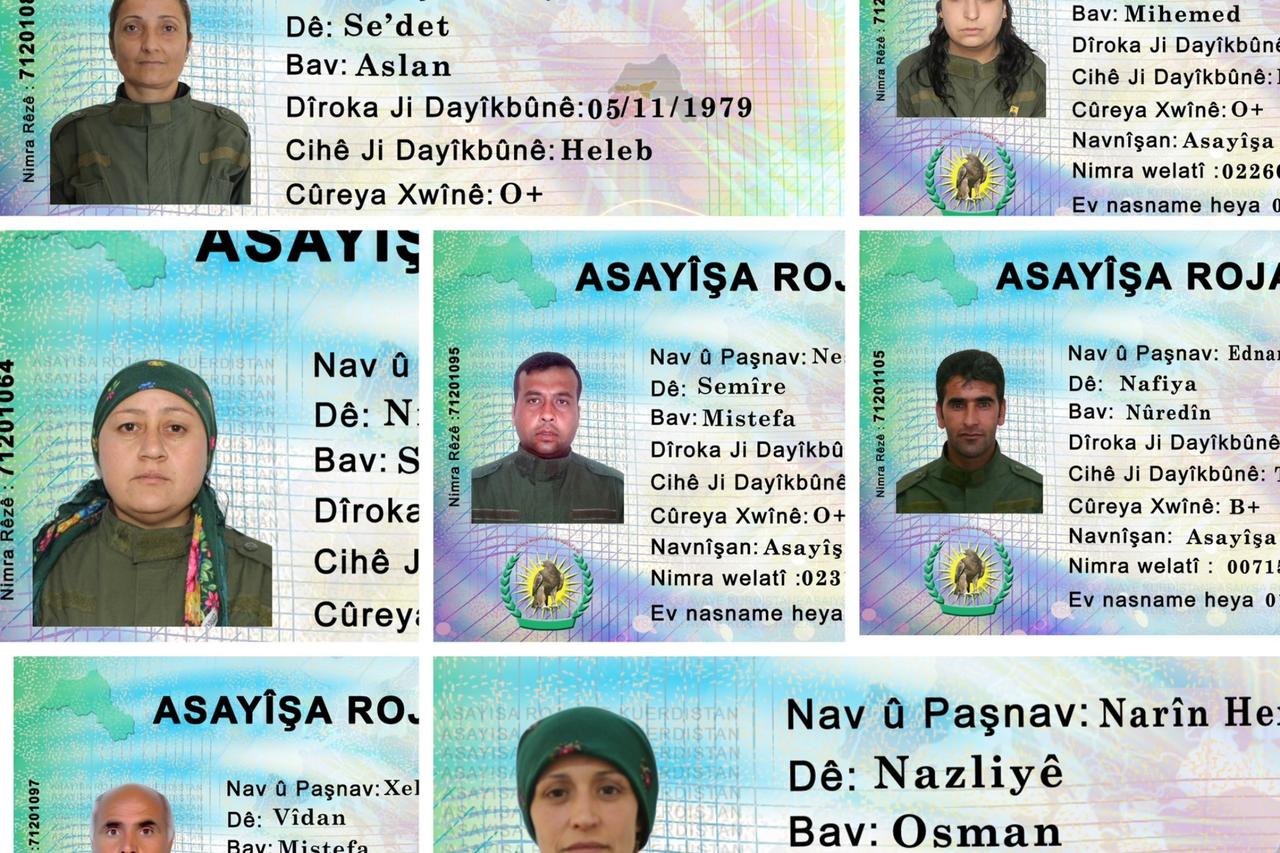
In the long term, Kurdish groups north of the M4 highway may pursue more localized governance models, but a federal future in which the SDF/YPG continues to control Arab-majority provinces such as Deir ez-Zor, Raqqa, and Hasakah—home to Syria’s main oil fields—is unrealistic.
Since regime change, 1.2 million Syrians have returned from neighboring countries, and more than 1.9 million internally displaced people have returned to their areas of origin. In these regions, the YPG has become an even smaller minority and cannot realistically govern vast Arab populations.
If the YPG seeks to preserve gains for Kurdish communities, it should withdraw to Kurdish-majority areas north of the M4 and pursue decentralized arrangements that secure cultural rights. Choosing a military solution over integration would risk losing all existing gains.
For Israel, abandoning policies that weaken Damascus by supporting separatist minorities is essential. Such policies undermine a Syrian government that has taken concrete steps against Hamas, Islamic Jihad, and Hezbollah, while creating conditions that could empower Daesh, al-Qaeda, and Iranian-aligned groups—ironically strengthening the very actors Israel opposes.
The SDF cannot be Israel’s partner after a U.S. withdrawal. First, Israel lacks the means to support the SDF independently. Second, the YPG lacks the resources and legitimacy to control the majority-Arab northeastern Syria, and neither the United States nor Israel can treat the YPG as an independent partner after U.S. withdrawal.
Therefore, Israel should finalize non-aggression talks with Syria and find a way to coordinate and cooperate with Türkiye, with whom it shares opposition to Iranian influence, beyond deconfliction mechanisms.
Going forward, Syria appears headed toward a model featuring a limited U.S. presence mainly at al-Tanf and Damascus, with Turkish influence in the northwest, and Israeli influence in southern Syria.


 Set as preferred source
 Set as preferred source


 1 min read


