Newsletters


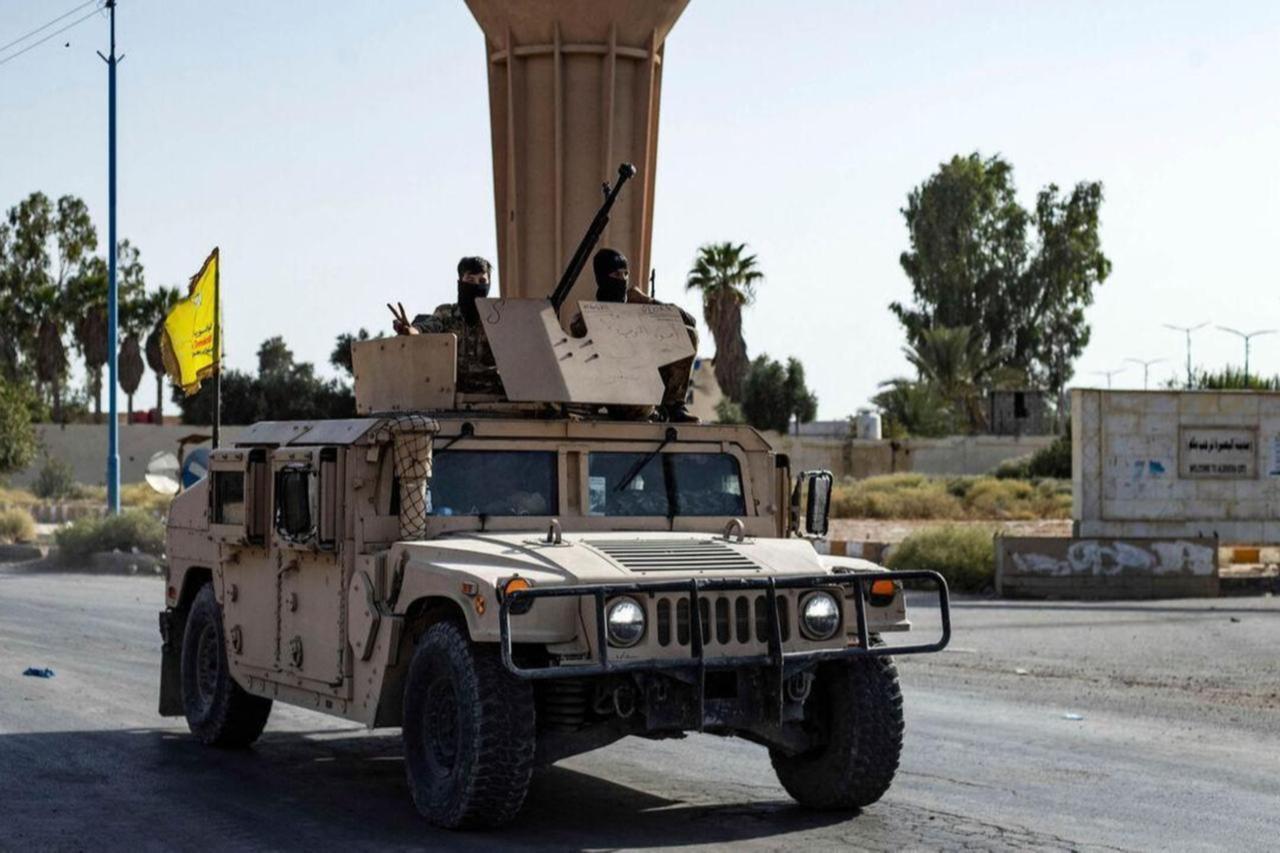


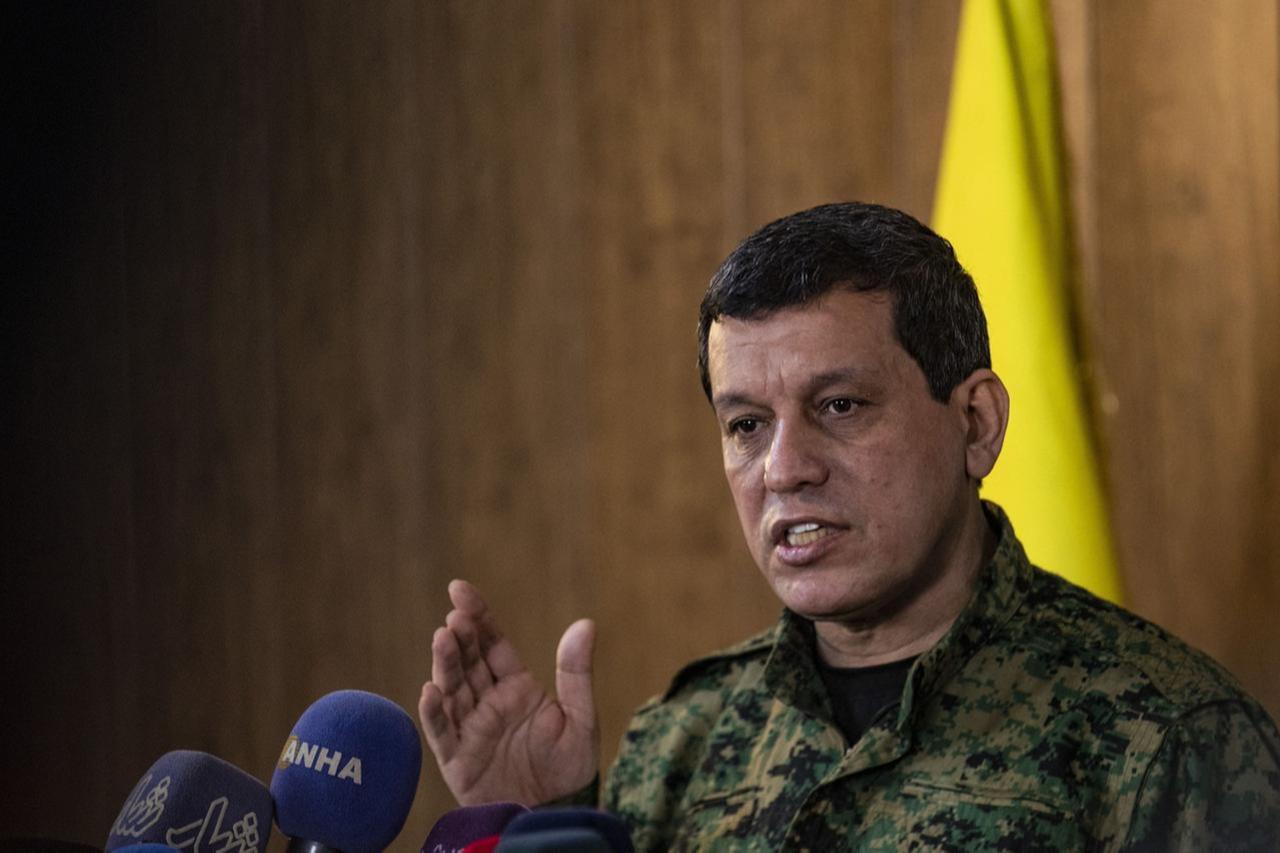
Syrian government officials and the leader of SDF terror group concluded negotiations Sunday without reaching an agreement on merging the group into the national army, state media reported, underscoring persistent challenges in unifying the fractured nation's armed groups.
The meeting in Damascus between President Ahmed al-Sharaa's administration and SDF leader Mazloum Abdi marked the latest attempt to implement a March deal that would absorb the U.S.-backed SDF into Syria's military by year's end.
State television said the discussions produced no "tangible results" to accelerate the agreement's implementation, though both sides committed to continue talks.
The SDF, which controls much of Syria's northeast, said in a statement that a delegation led by Abdi met with Syrian government officials as part of ongoing military integration negotiations. The group later announced talks had concluded, saying further details would be released at an unspecified date.
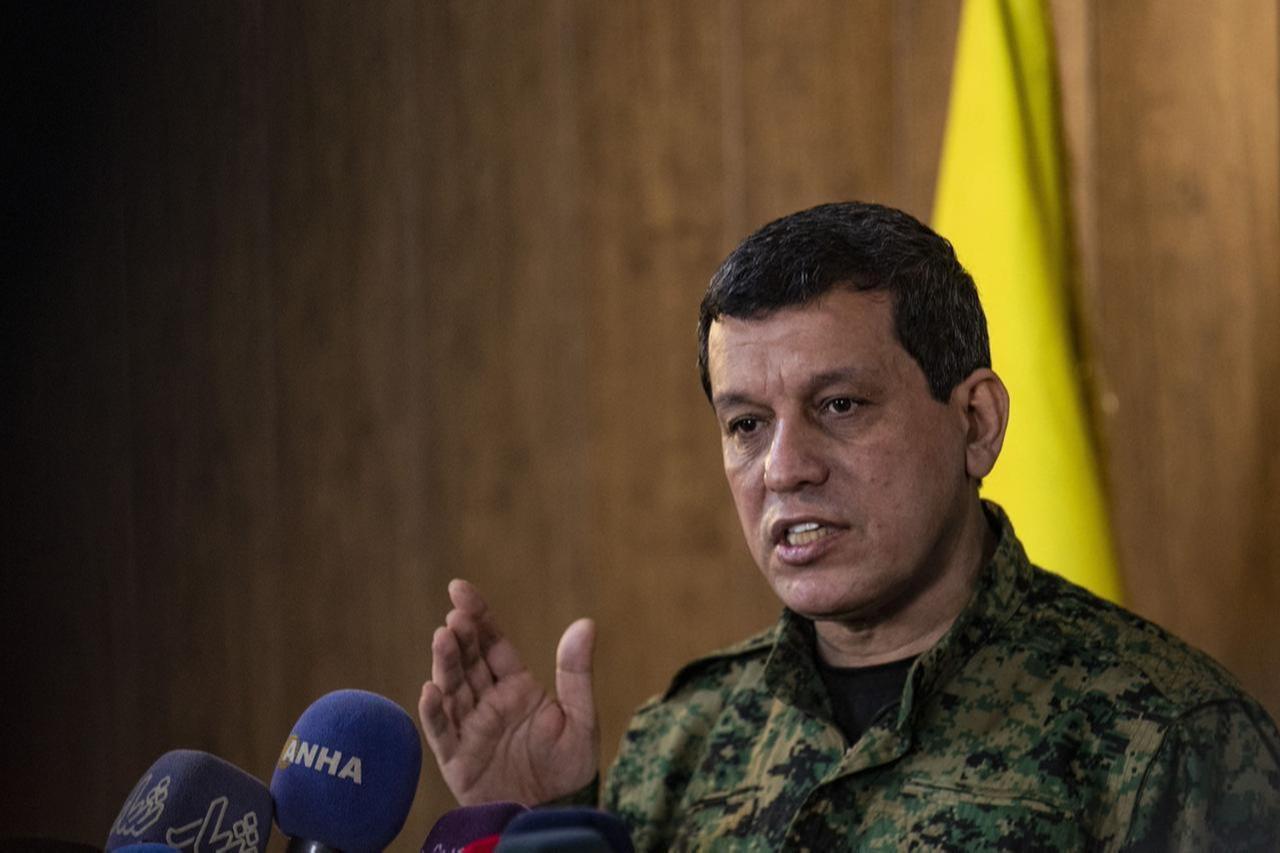

A fundamental disagreement has stalled progress: whether the SDF, which fields tens of thousands of fighters, would maintain its cohesive structure within the new army or be dissolved with individual members absorbed separately into military ranks.
In December, a so-called official said Damascus had proposed restructuring the SDF into three divisions and several brigades, including a women's unit, with deployments remaining under SDF command in Kurdish-held territories. Syria's foreign minister later indicated the proposal was under review. That same month, Abdi said efforts were underway to prevent negotiations from collapsing, expressing belief that failure remained unlikely.
The March agreement encompasses more than military integration. Under its terms, all border crossings with Iraq and Türkiye, airports, and oil fields in the northeast would come under central government control. Prisons holding approximately 9,000 suspected Daesh members are also expected to transfer to government oversight.
 1 min read
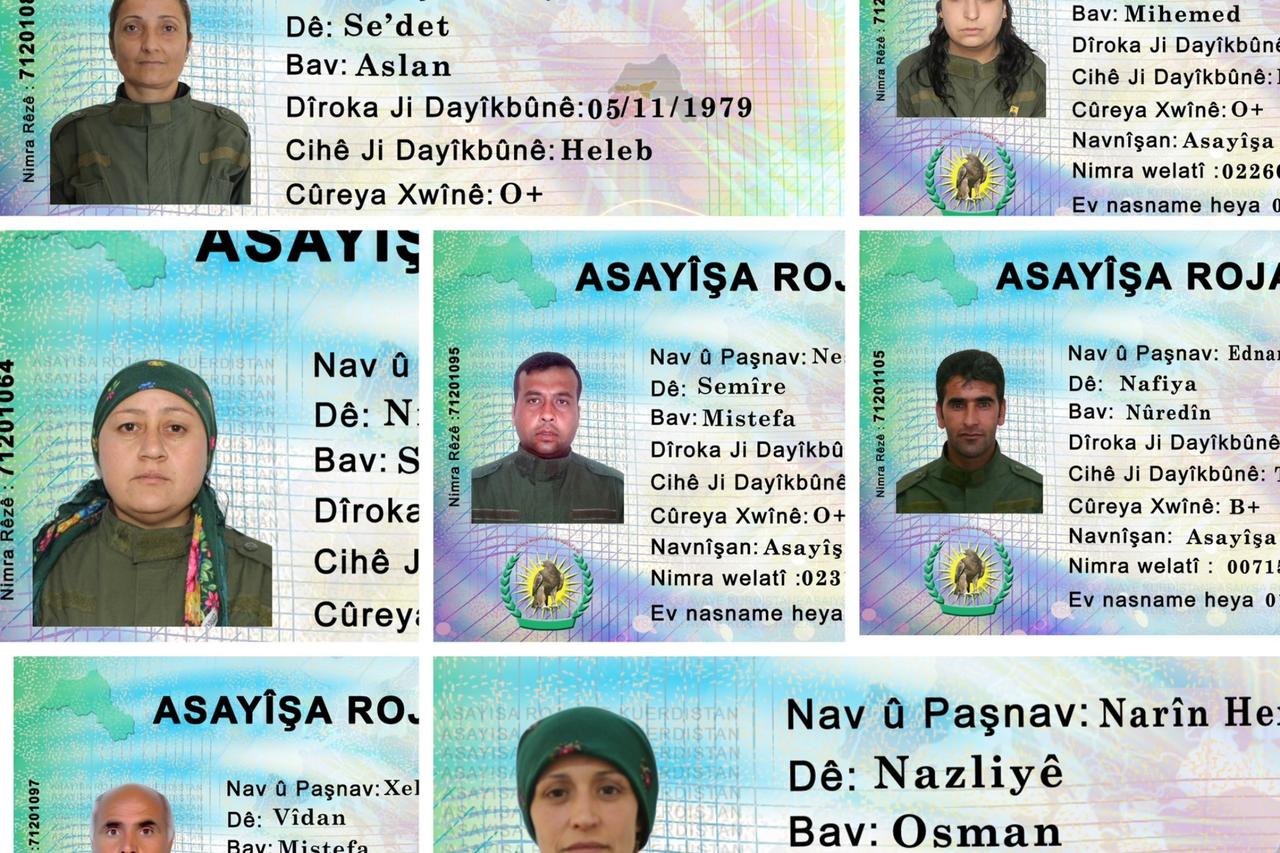
Türkiye, which wields considerable influence over Syria's new leadership, has opposed allowing the SDF to join the army as a unified entity. Ankara views the SDF as an extension of the PKK, which has conducted a decades-long insurgency within Türkiye, though a peace process is currently underway.
The Turkish government, which shares a 900-kilometer border with Syria, has conducted repeated military operations aimed at pushing terror groups such as PKK/YPG/SDF away from its frontier. In late December, clashes erupted between security forces and SDF fighters in the northern city of Aleppo during a visit by Türkiye's foreign minister. Last month, Turkish Foreign Minister Hakan Fidan warned the SDF against undermining Syria's stability, saying Ankara's patience was wearing thin.
Abdi has repeatedly advocated for a decentralized political system, a demand Syria's new authorities have rejected. Relations between Damascus and the SDF leadership have periodically erupted into violence since the overthrow of longtime ruler Bashar al-Assad a year ago, with each side accusing the other of obstructing progress.


 Set as preferred source
 Set as preferred source


 1 min read