Newsletters


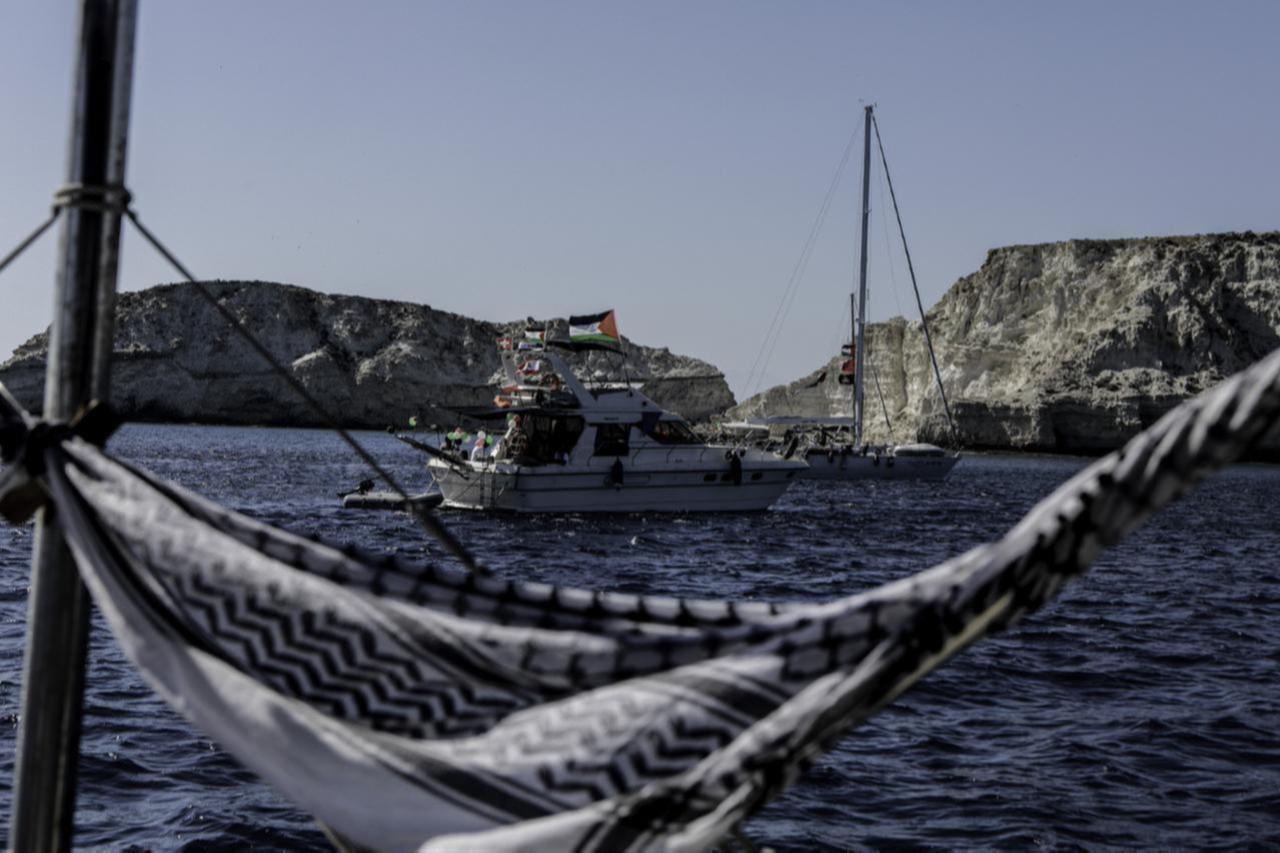


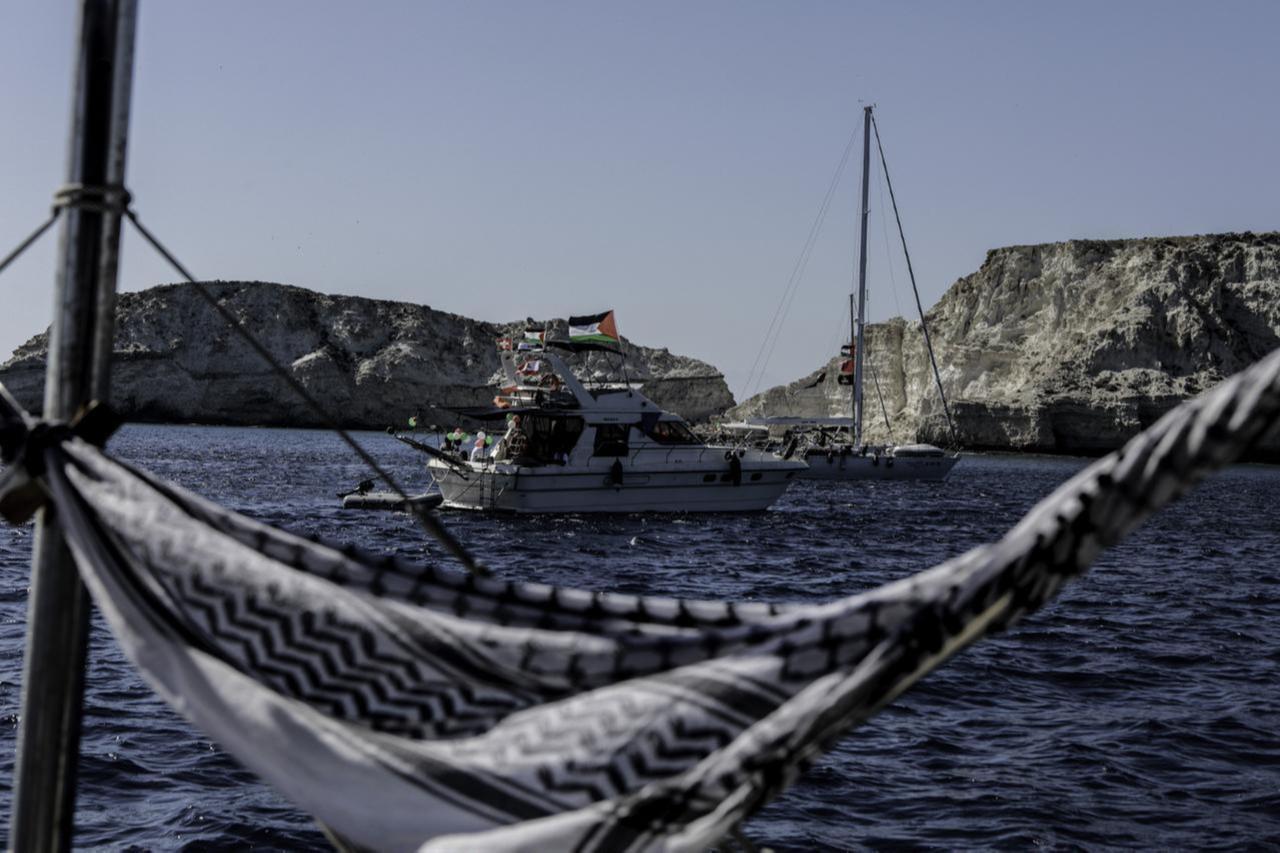
An Istanbul court on Saturday ordered prosecutors to draw up a new indictment covering alleged attacks on civilians in Gaza, widening a case against 35 defendants, including Israeli Prime Minister Benjamin Netanyahu, who are accused over the armed interception of the Global Sumud Flotilla.
At the first hearing, the Istanbul 11th High Criminal Court also ordered a criminal complaint to be filed to identify Turkish citizens whom the complainants say took part in acts against them in Israel. The panel kept in force the red notices and arrest warrants issued for all 35 defendants and adjourned the trial until March 30, 2027.


In its interim ruling, the panel said genocide and crimes against humanity can be investigated at the request of the justice minister. It said the current indictment describes the actions against the flotilla but treats the alleged acts against civilians in Gaza in an abstract and indirect way.
Taking into account the principle that a court is bound by the account in the indictment, the panel said it weighed the evidence submitted by the Istanbul Bar Association No. 2 and the International Association of Lawyers together.
It then asked the chief prosecutor’s office to prepare a fresh indictment that describes actions against people in Gaza beyond the flotilla in concrete terms and links them to evidence.
The court asked the Justice Ministry to request the file on the defendants from the International Criminal Court. It also asked the ministry to obtain a report on the genocide in Gaza that was submitted to the United Nations.
The panel further asked relevant institutions whether the defendants own movable or immovable property in Türkiye.
The court accepted requests to join the case as parties from the complainants, the Istanbul Bar Association No. 2, MAZLUMDER, the International Association of Lawyers and the Lawyers of the Earth Association.
Osman Cetinkaya, a doctor who joined the flotilla, told the court the aim was to carry medical supplies to people in Gaza.
He said Israeli soldiers seized five or six boxes of materials from the vessel and that he was mistreated at Ashdod Port. He said he was filing a complaint against the defendants.
Zeynep Tekocak said she was subjected to two strip searches and scuffled with Israeli soldiers after refusing to remove her headscarf. She said soldiers filmed her in the clothes they gave her in place of her scarf and mocked her.
“Our privacy was seriously violated,” she said, adding that a soldier who took her told her he was from the central Turkish province of Yozgat, and that her personal belongings were taken and never returned.
Sema Silkin Un, a member of parliament, said she and nearly 80 others were held in a room without ventilation after being detained. She said an Israeli soldier insulted Islam while she was reciting the Quran.
She said they were not allowed to sleep and that police who arrived the next day cursed Türkiye and her in Hebrew. “They applied psychological violence,” she said.
Riza Saka, head of the Istanbul Bar Association No. 2, called the case historic and said it would be a source of pride for Türkiye in the years to come.
He said he believes it will be written about in textbooks as a case on genocide and crimes against humanity, and that his association was the party that filed the original complaint.
Saka noted that the International Court of Justice has twice issued provisional measures following an application by lawyers from South Africa. He said those rulings showed that “humanity has not died.”
He asked the court to obtain copies of the International Court of Justice file and of the United Nations material concerning genocide in Gaza. The International Court of Justice is the UN’s principal judicial body for disputes between states.
Lawyer Yasin Samli said about 70 percent of the roughly 80,000 people killed in Gaza were women and children.
He said the case concerns genocide, crimes against humanity and the crime of aggression. His team submitted eight folders of evidence, five of them on the killing of women and children, he said.


 Set as preferred source
 Set as preferred source


 1 min read

 1 min read