Newsletters




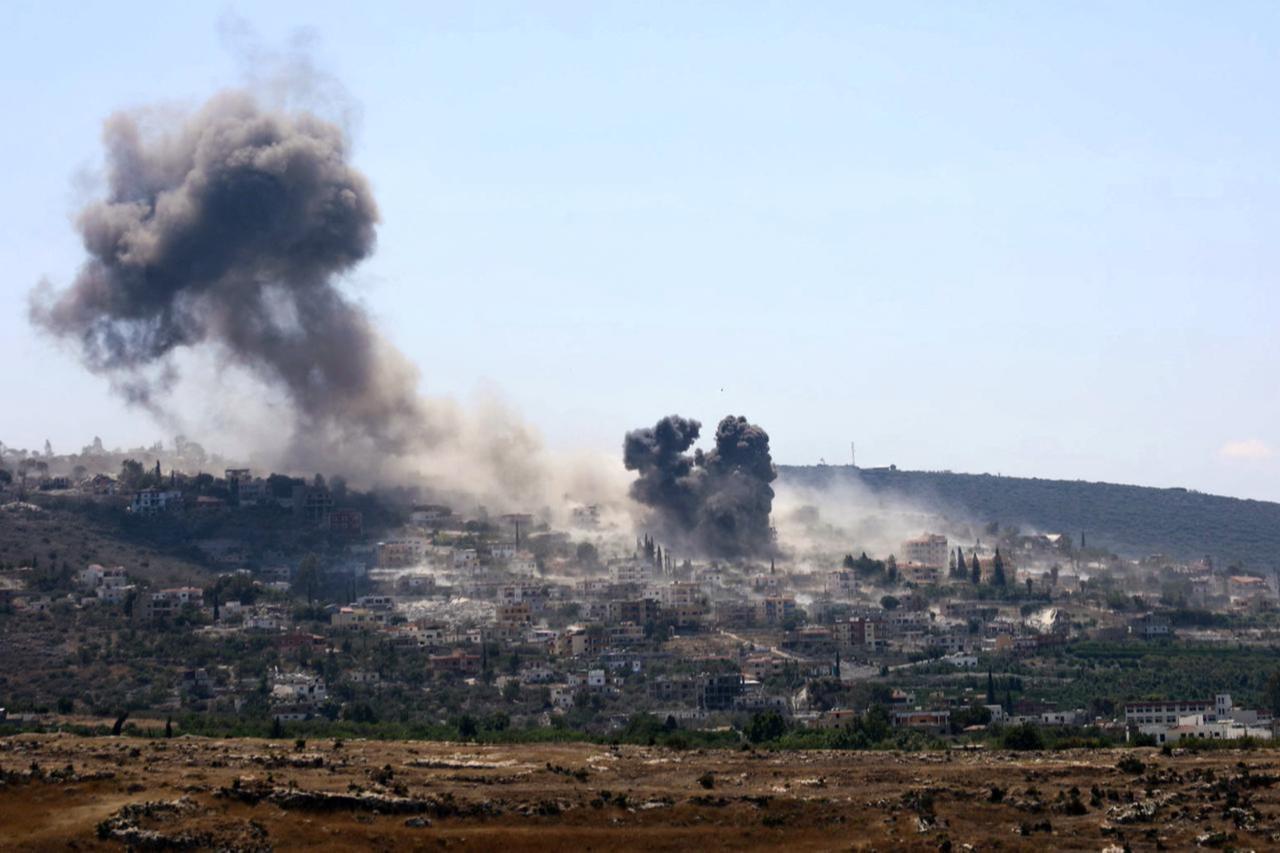
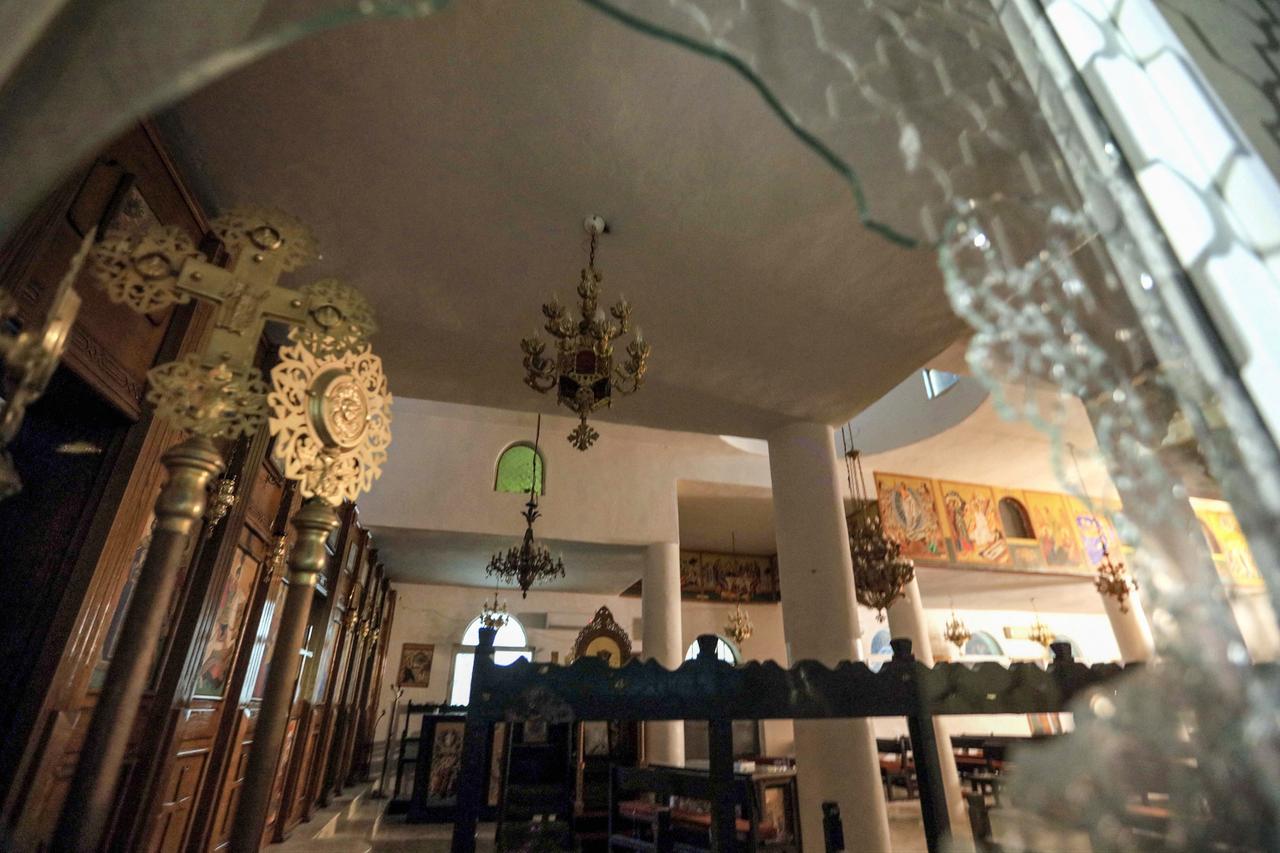
Jordan launched airstrikes against what it described as "terrorist organisations" in southern Syria on Monday in retaliation for a deadly church attack that killed nine people last week, hours after security forces arrested three suspects following an armed confrontation.
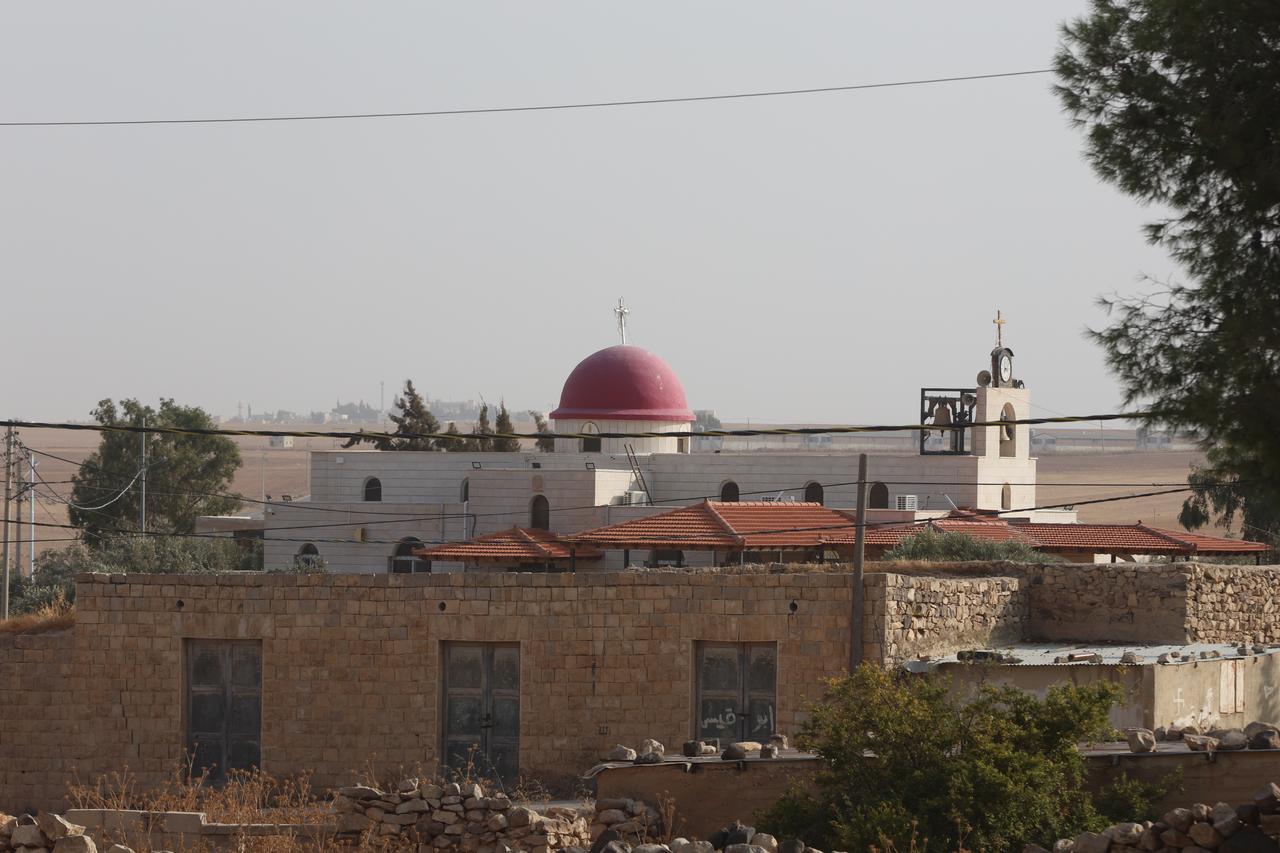
The Jordanian military said its air force had "destroyed several terrorist positions" and killed or wounded "numerous members" of groups it linked to Friday's attack on St. George's Greek Orthodox Church in the village of Hammoud, in southern Jordan's Karak governorate.
Syria's state-run SANA news agency, meanwhile, reported "several explosions" in the southern Daraa province resulting from "airstrikes of unidentified origin."
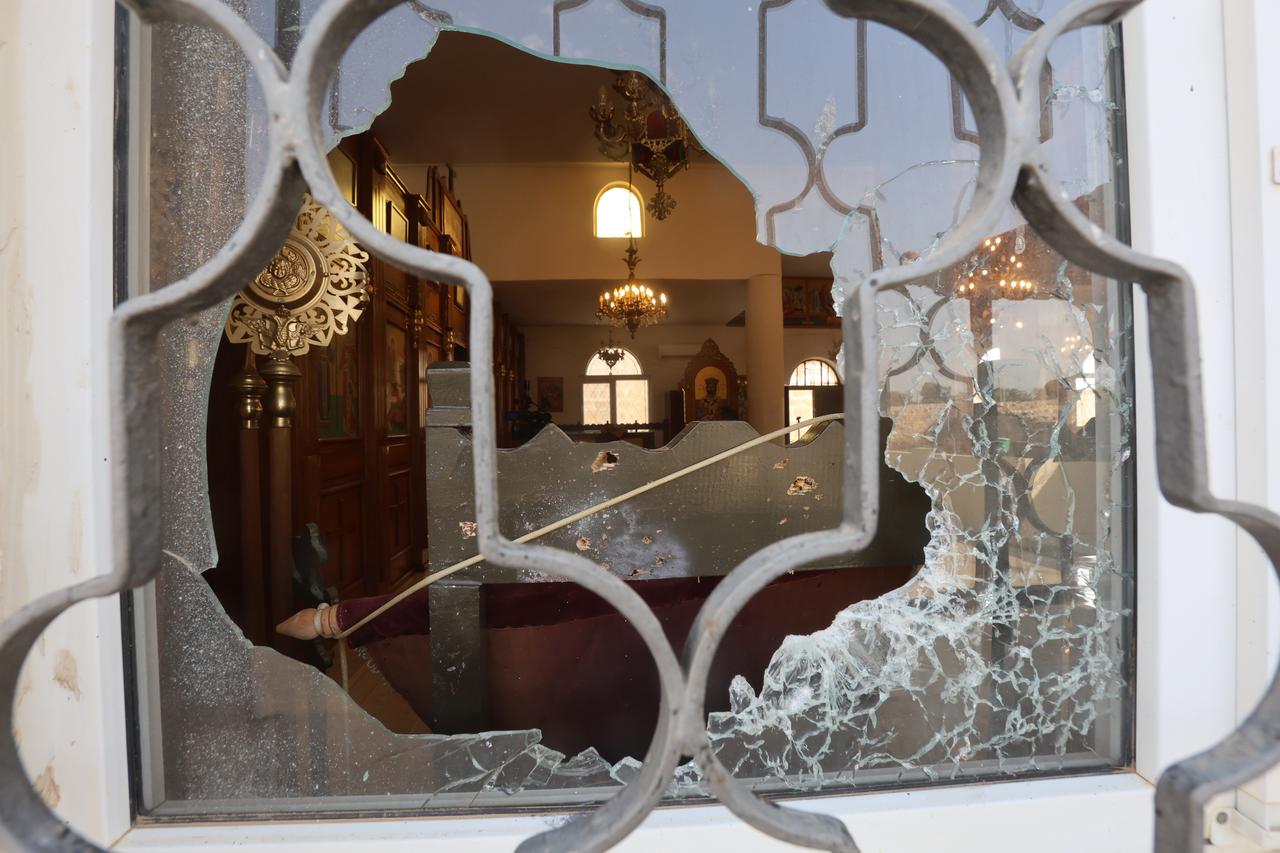
Friday's attack occurred during a funeral service at the church, killing nine people and injuring 25 others.
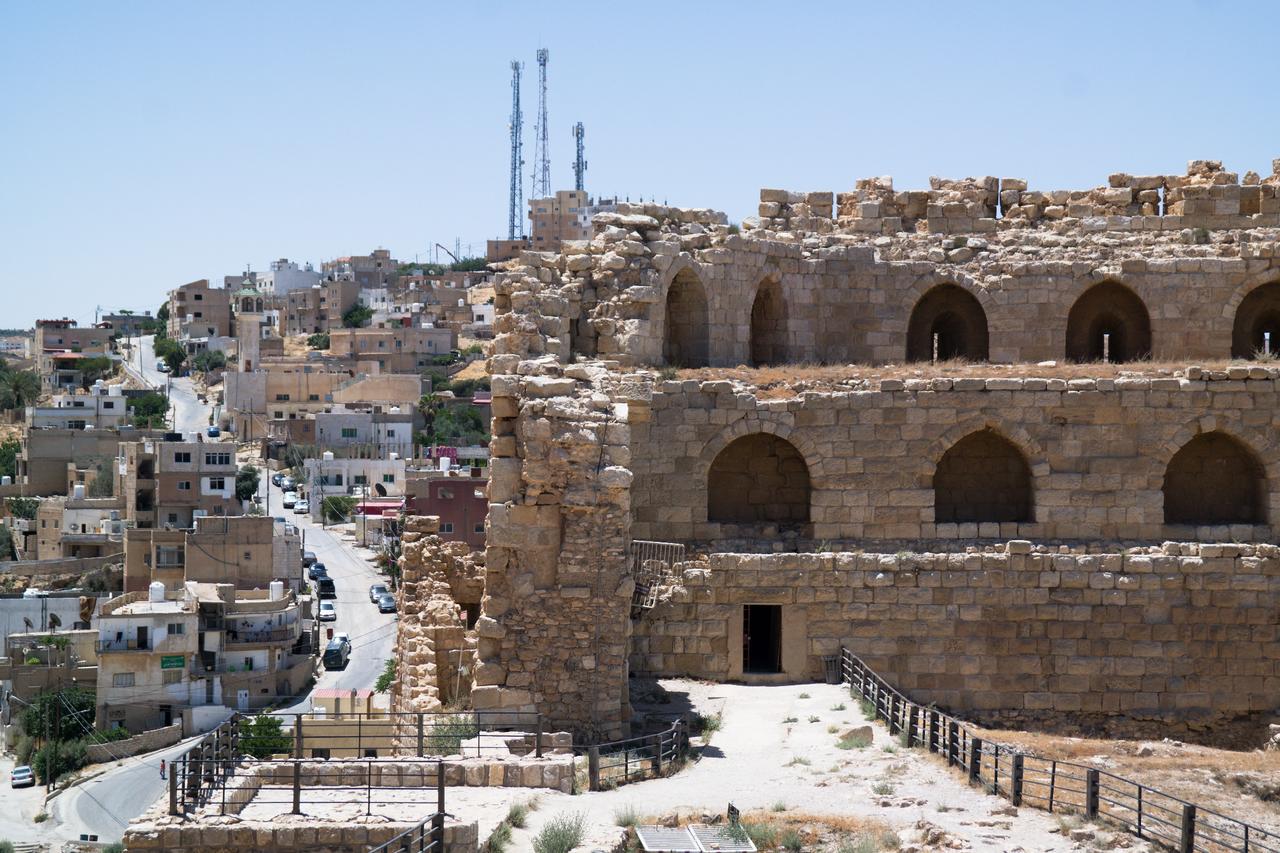
Karak is home to a significant Christian community in predominantly Muslim Jordan, where Christians account for approximately 2% to 3% of the population.

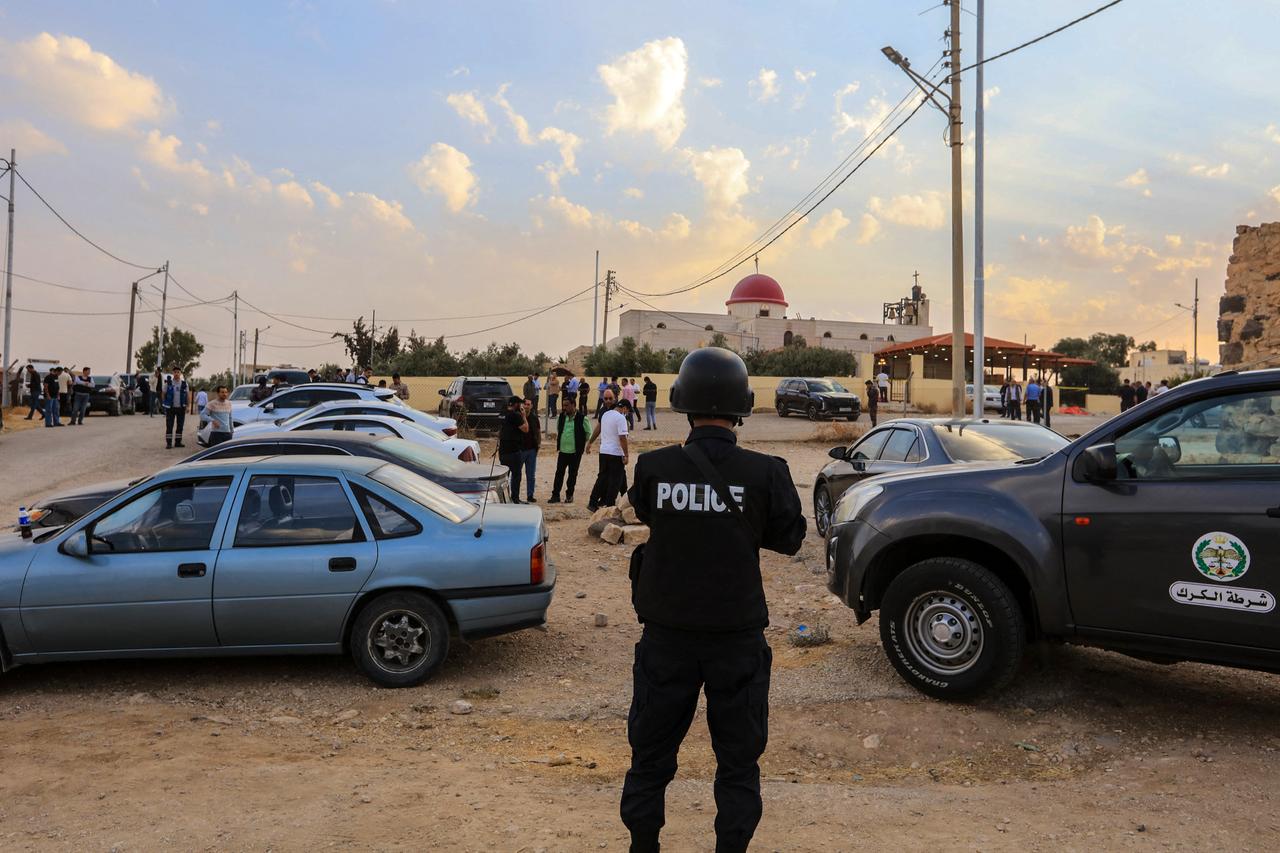
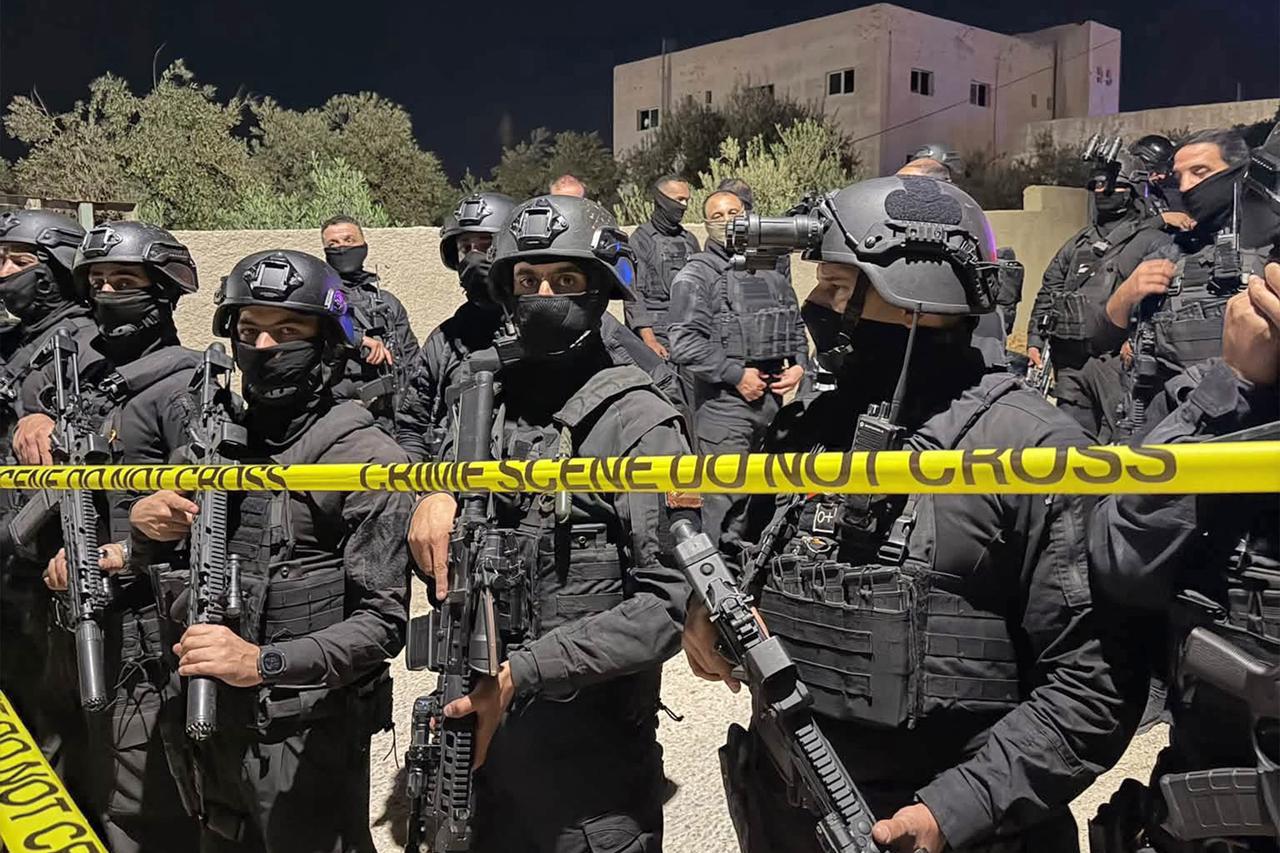
Jordanian authorities announced Monday that three suspects had been captured following a three-day manhunt in the southern Karak governorate.
Public Security Director Maj. Gen. Maaytah identified the suspects as Hazza Zaidan Mohammed, Meshal Zaidan Mohammed and Ahmad Sami Hussein.
Two of the men are brothers, while the third is related to them by marriage, according to authorities.
The suspects were located inside an abandoned house, where they had barricaded themselves and opened fire on security forces attempting to arrest them.
"All three terrorists have been injured. They have been taken to hospital and are still receiving treatment," Maaytah told a news conference.
One suspect remained in critical condition, according to Jordan's state broadcaster Al-Mamlaka.
Government spokesperson Mohammad al-Momani said the three were wounded and captured during the ensuing confrontation, with no casualties reported among security personnel.
Authorities also seized a substantial cache of weapons and ammunition from the suspects.
Maaytah said the attackers had not planned the church shooting in advance but decided to carry it out while traveling behind the funeral procession, attributing their actions to their adoption of “extremist and terrorist ideology.”
“The three fled the scene in one vehicle, which authorities later seized and linked to them,” he said.
Providing details of the manhunt, Maaytah said security personnel had spent three days searching villages, mountainous terrain and rugged valleys around Karak.
Authorities established checkpoints, deployed patrols and used drones to track the suspects while restricting access to the search area.
Shortly after midnight, security forces divided one village into sectors and searched abandoned buildings before locating the house where the three men were hiding.
The suspects were captured after an exchange of gunfire and taken to a hospital for treatment before questioning, Maaytah said.
Interior Minister Mazen al-Faraya said the suspects were all Jordanian nationals and that investigators had found no indication of contacts or cooperation with foreign parties.
"There is no indication of any external contacts or collaboration with foreign parties," he said.
However, the minister stressed that the arrests did not mark the end of the investigation, pledging to pursue anyone found to have participated in planning, inciting, assisting or facilitating the attack.
He also emphasized the need to confront the underlying causes of extremism, hate speech and incitement.
Under Jordanian law, murder is punishable by death by hanging.
Jordan's King Abdullah II praised security forces for apprehending the suspects and vowed that those responsible for the attack would face punishment.
"We vowed the terrorists would not escape punishment, and no proponent of dark ideologies that divide Jordanians will be tolerated," the king wrote on X.
He said security forces had "chased them to the very end."
Earlier Monday, the monarch visited people wounded in the church attack at a hospital, wearing military fatigues and carrying a pistol on his hip.
"We will show them," he said.
Maaytah, meanwhile, reaffirmed the authorities' determination to maintain security following the attack.
"This country must remain an oasis of security and stability, and we affirm that Jordan will remain impervious to anyone who dares to challenge it," he said.
Government spokesperson al-Momani also pledged a firm response to threats against the country's stability.
"We stand ready and will strike with an iron fist, without mercy or leniency, against anyone who attempts to undermine Jordan's security," he said.
Following Friday's shooting, Prime Minister Jafar Hassan declared three days of national mourning, with flags lowered to half-staff at government ministries, offices and public institutions.
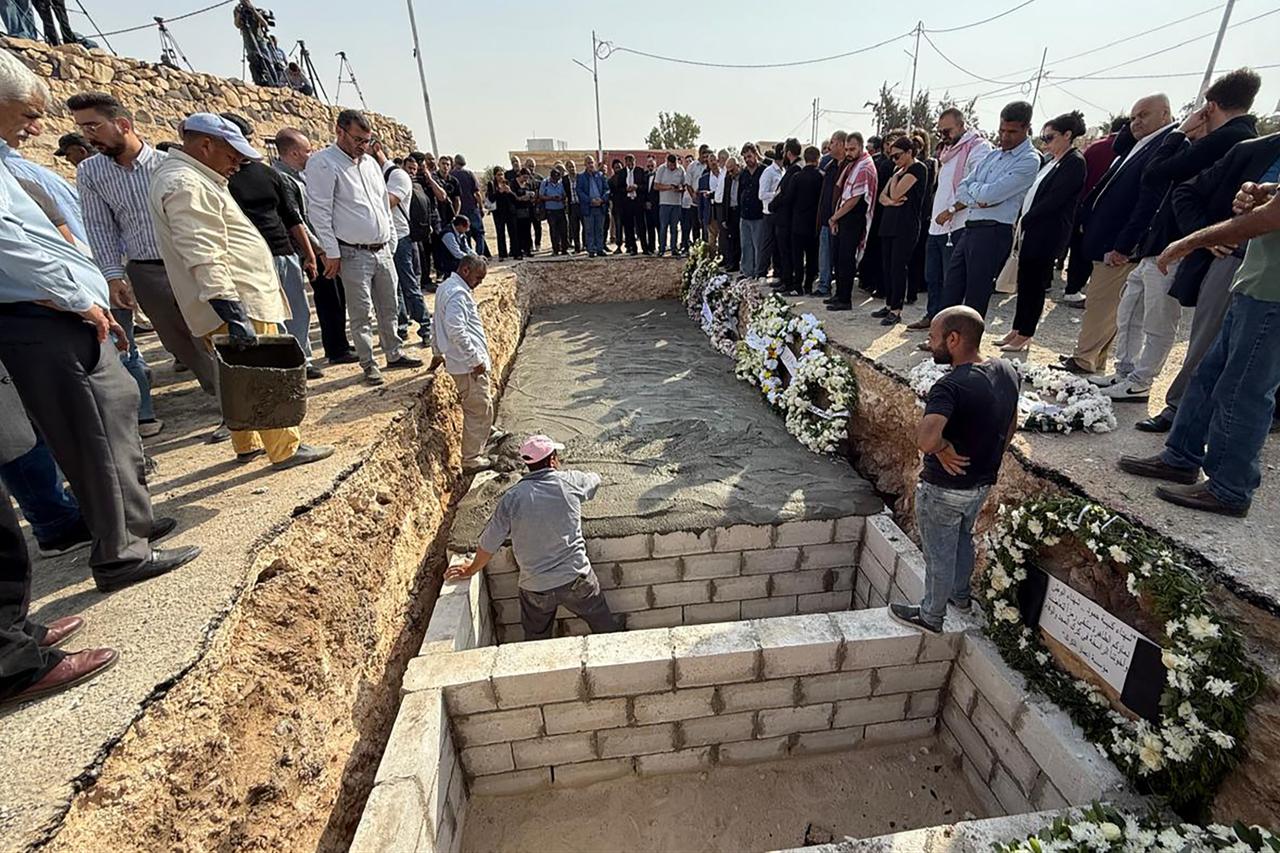
Eight of the nine victims were buried Sunday near the church during a funeral attended by a large crowd under heightened security, according to AFP images.
The ninth victim, Mohammed al-Qasous, was laid to rest Monday in southern Amman.
Attacks targeting houses of worship are rare in Jordan.
In 2016, an attack in Karak targeted a security center and police patrols, leaving 10 people dead.


 Set as preferred source
 Set as preferred source


 1 min read
 1 min read