Newsletters


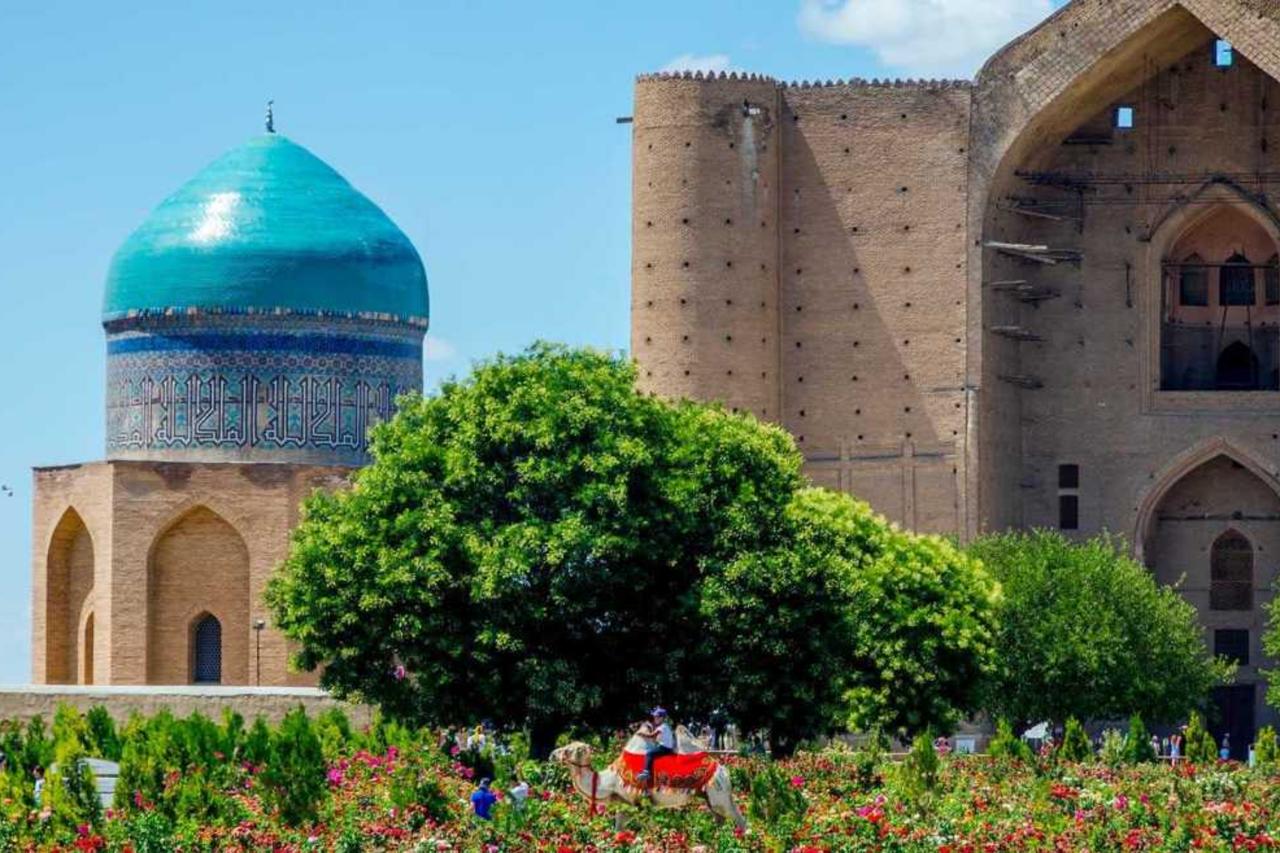


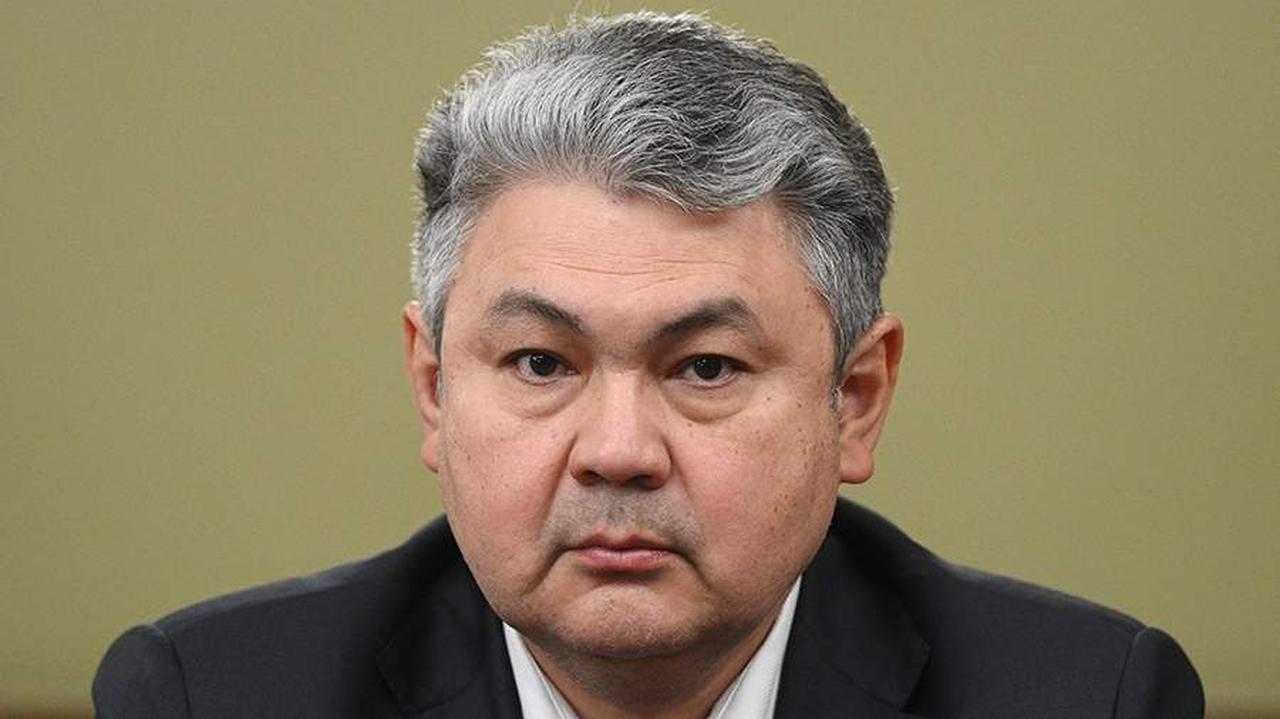
Kazakhstan has offered to host Middle East peace negotiations in its southern city of Turkestan, Foreign Minister Yermek Kosherbayev announced Sunday following talks with Qatari Prime Minister and Foreign Minister Sheikh Mohammed bin Abdulrahman Al Thani in Doha.
Kosherbayev raised the proposal during the meeting and reaffirmed Kazakhstan's standing position that all conflicts must be resolved through political and diplomatic means, consistent with international law and the principles of the UN Charter. The Kazakh Foreign Ministry said the two ministers held an in-depth exchange of views on pressing international and regional issues, particularly the current situation in the Middle East.

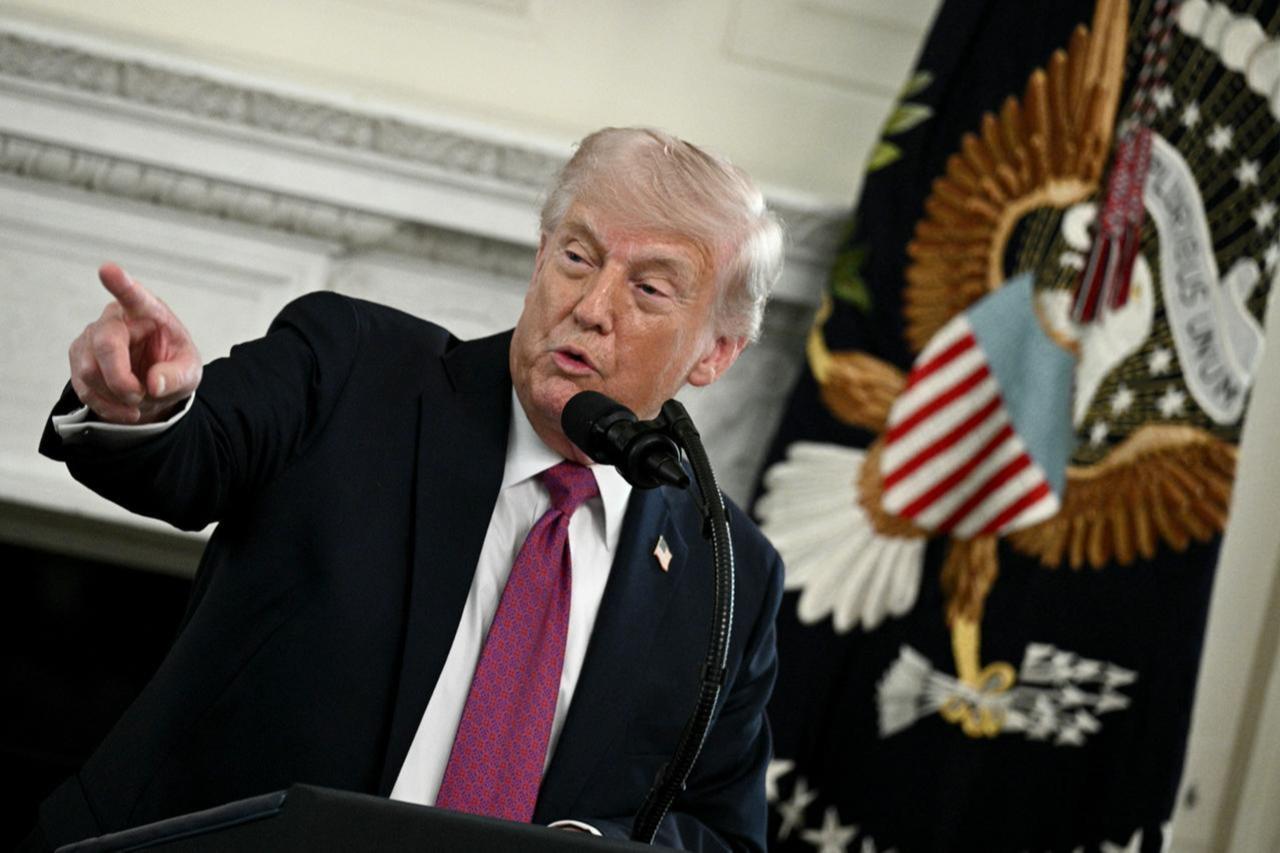
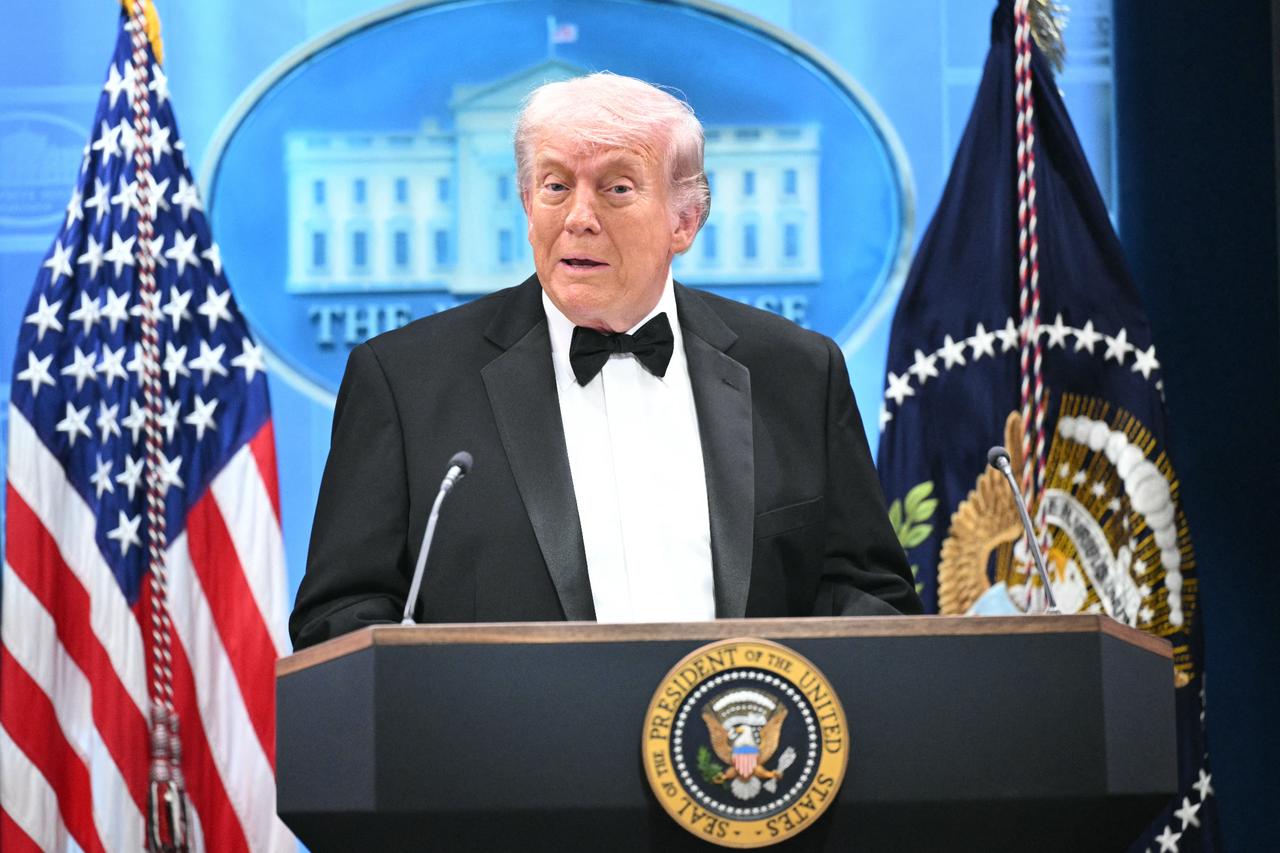
The offer comes as negotiations over the conflict have so far produced little progress. A first round of talks between Washington and Tehran, held in Islamabad two weeks ago following a US-Israel joint attack on Feb. 28, ended without agreement. Those talks followed a two-week ceasefire brokered by Pakistan on April 8, which US President Donald Trump subsequently extended.
Kazakhstan praised Qatar's mediating role in the region. Kosherbayev said Astana welcomes Qatar's efforts to promote "peaceful dialogue" aimed at restoring peace and stability.
Kazakhstan has previously lent its territory to high-stakes international diplomacy. The Astana Process, launched in 2017, brought Russia, Iran, and Türkiye together for talks on the Syrian conflict, establishing the country's record as a negotiating venue.
Beyond the regional crisis, the two ministers discussed investment, tourism, and cultural and humanitarian cooperation. Both sides noted the importance of advancing joint projects in energy, telecommunications, digital technologies, agriculture, and transport and logistics.
Kosherbayev described Qatar as "a close and reliable partner for Kazakhstan in the Arab world," citing strong political dialogue, mutual trust, and the strategic character of the relationship. Al Thani reaffirmed Doha's commitment to deepening the partnership and advancing joint initiatives.
The two ministers concluded their meeting by reaffirming mutual interest in strengthening bilateral cooperation and, in Kosherbayev's words, giving "new impetus" to the relationship.


 Set as preferred source
 Set as preferred source


 1 min read
 1 min read