Newsletters


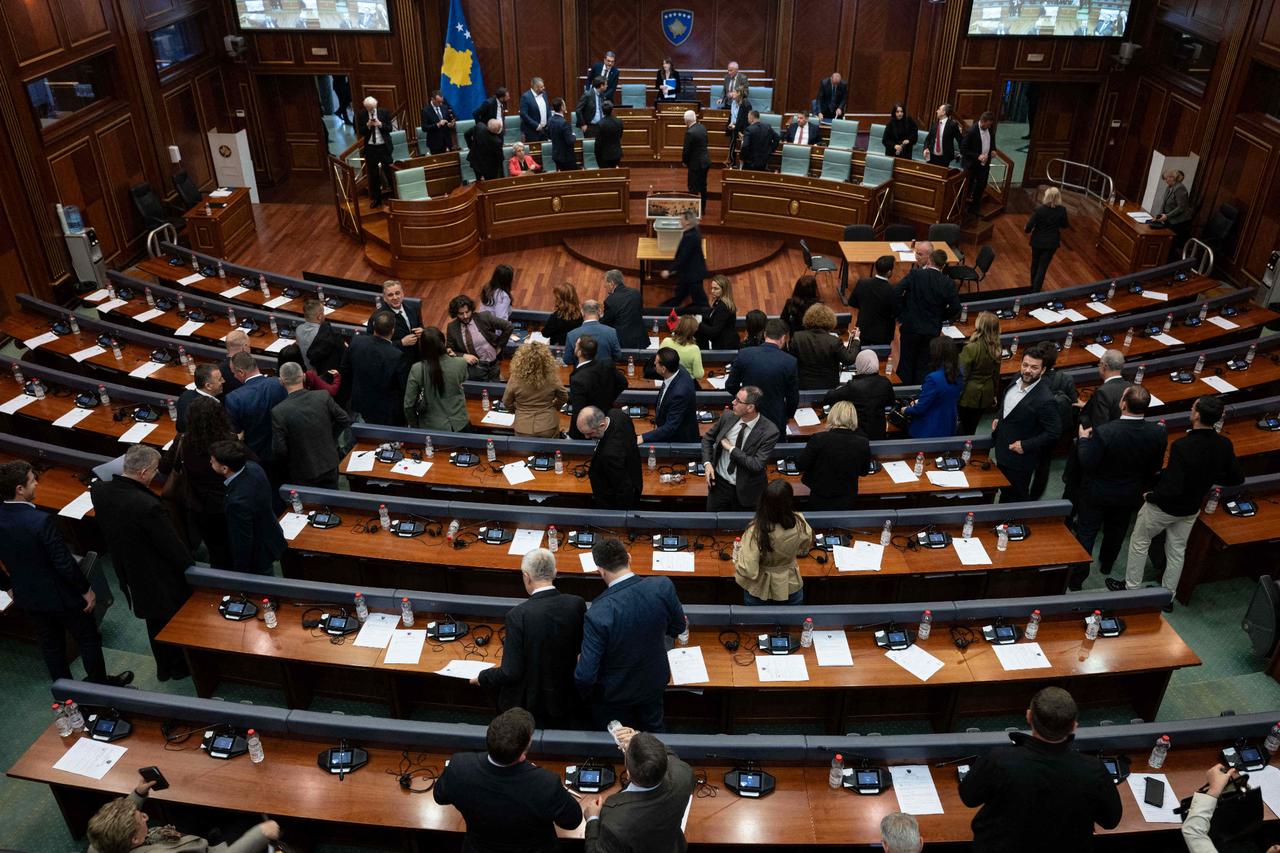


Kosovo could face its third parliamentary election in just over a year after lawmakers failed to elect a new president before a midnight deadline on Thursday, plunging the country into a fresh political crisis.
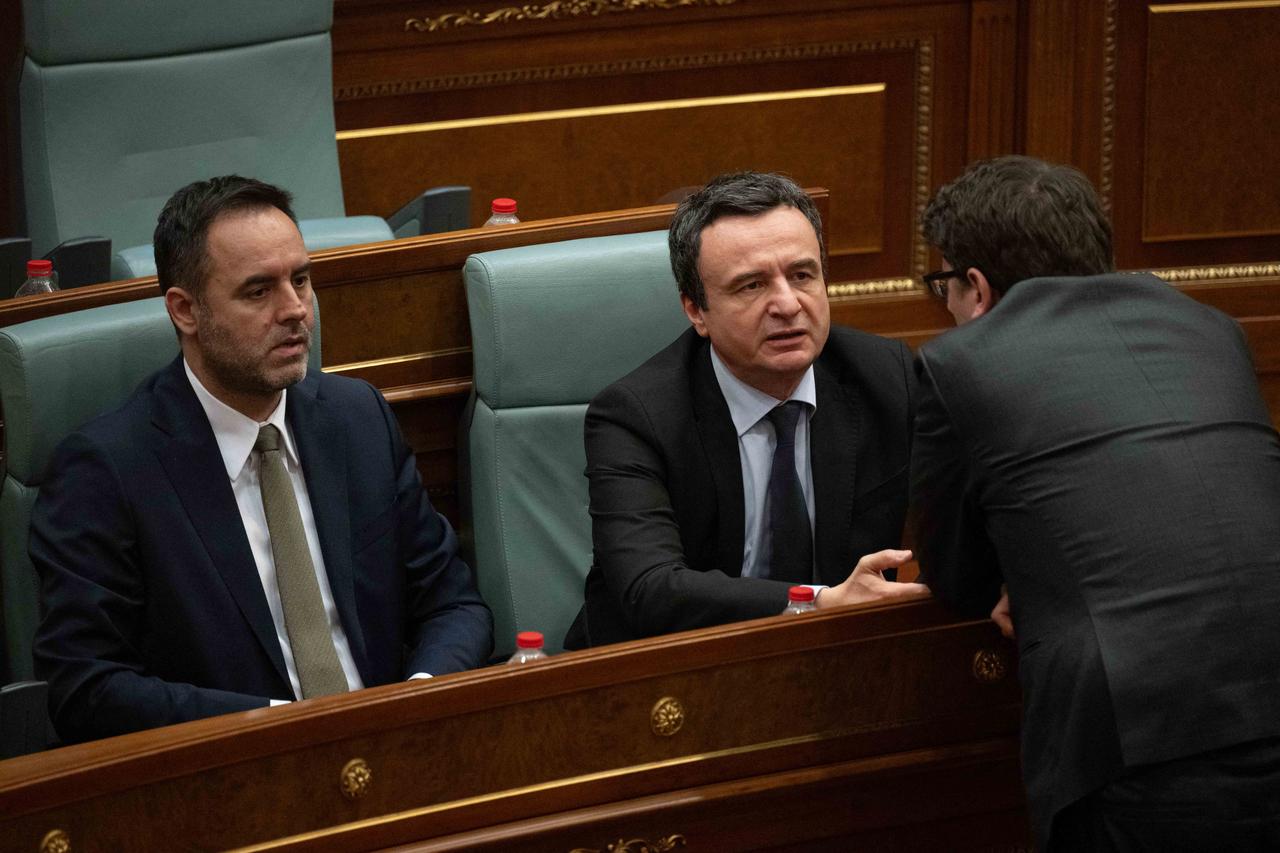
The 120-seat assembly had until midnight to vote for a head of state, but Prime Minister Albin Kurti’s ruling Vetevendosje party failed to secure opposition support for its candidate.
Despite topping two general elections, Kurti’s party was unable to gather enough backing for its preferred presidential nominee, falling short at the latest stage of a political impasse that has left Kosovo’s institutions in prolonged uncertainty.
Opposition parties had called for a consensual candidate, but Kurti nominated Foreign Minister Glauk Konjufca for the post.
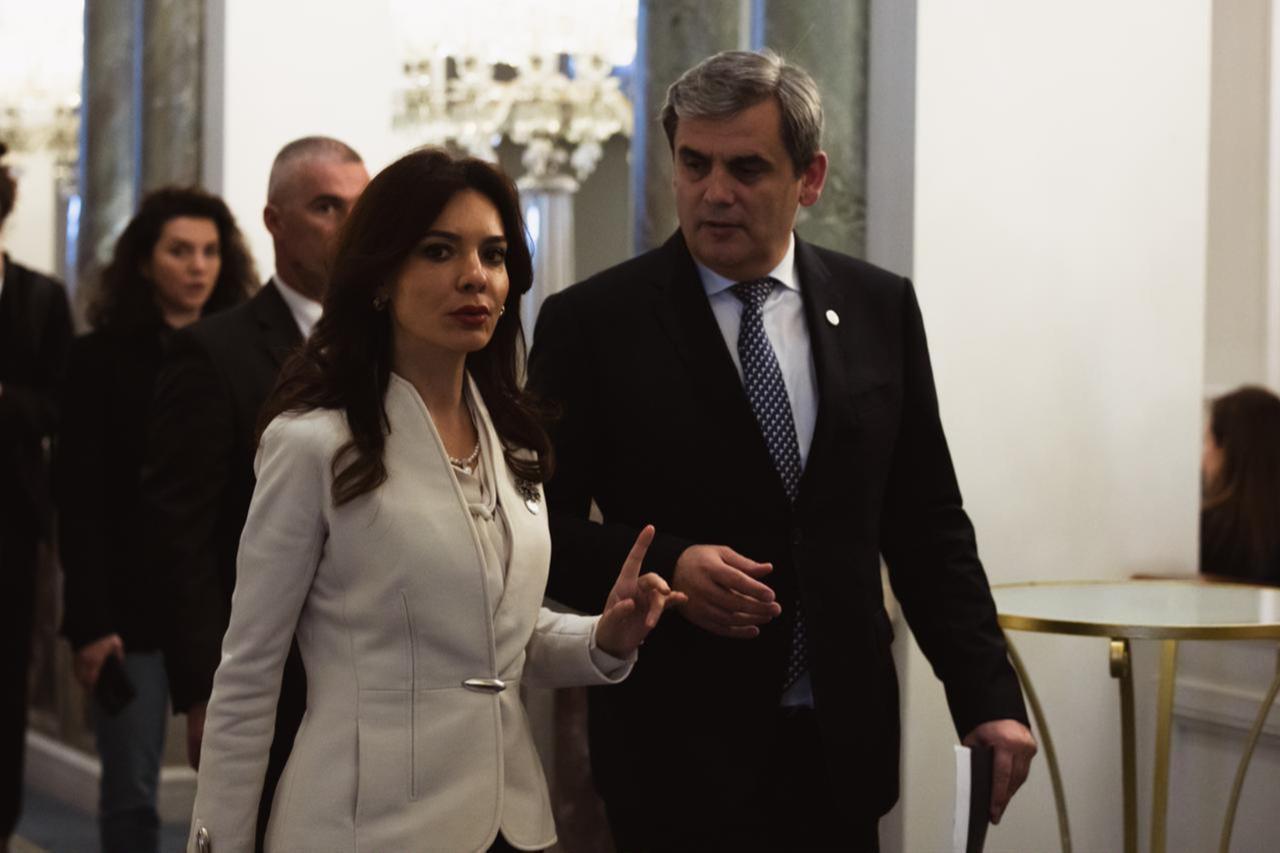
“There is no quorum to continue this session... we cannot proceed with the vote,” parliamentary speaker Albulena Haxhiu said, noting that only 66 lawmakers were present, well below the 80 required.
The assembly session was adjourned shortly before midnight, when the deadline to elect a new president expired.
“I adjourn the session. We don't have a quorum for voting,” Haxhiu said, adding that the session would be continued.
Opposition lawmakers boycotted the session, leaving only MPs from the ruling Vetevendosje party present in the chamber.

Because the session was adjourned rather than formally concluded, it remains unclear whether President Vjosa Osmani will call elections immediately or wait for the parliamentary session to formally end.
Under Kosovo’s constitution, if lawmakers fail to elect a president within the deadline, the sitting president must dissolve the assembly and call snap elections.
If elections are called, it would mark the third parliamentary vote in just over a year.
Kosovo already held a snap election on Dec. 28 after failing to form a government following the February 2025 parliamentary vote.
The two largest opposition parties, the Democratic Party of Kosovo and the Democratic League of Kosovo, have urged the president to call fresh elections.
Outgoing President Vjosa Osmani still has another month remaining in office.
A general election a year ago left Kurti without the majority needed to form a government, leading to months of parliamentary deadlock.
Lawmakers eventually forced a December snap election, which Kurti’s party won with more than 51% of the vote, securing 57 seats in the 120-seat parliament.
Last month, Kurti appeared poised for a third term after securing the backing of several ethnic minority parties. However, the 50-year-old prime minister may now have to contest another election.
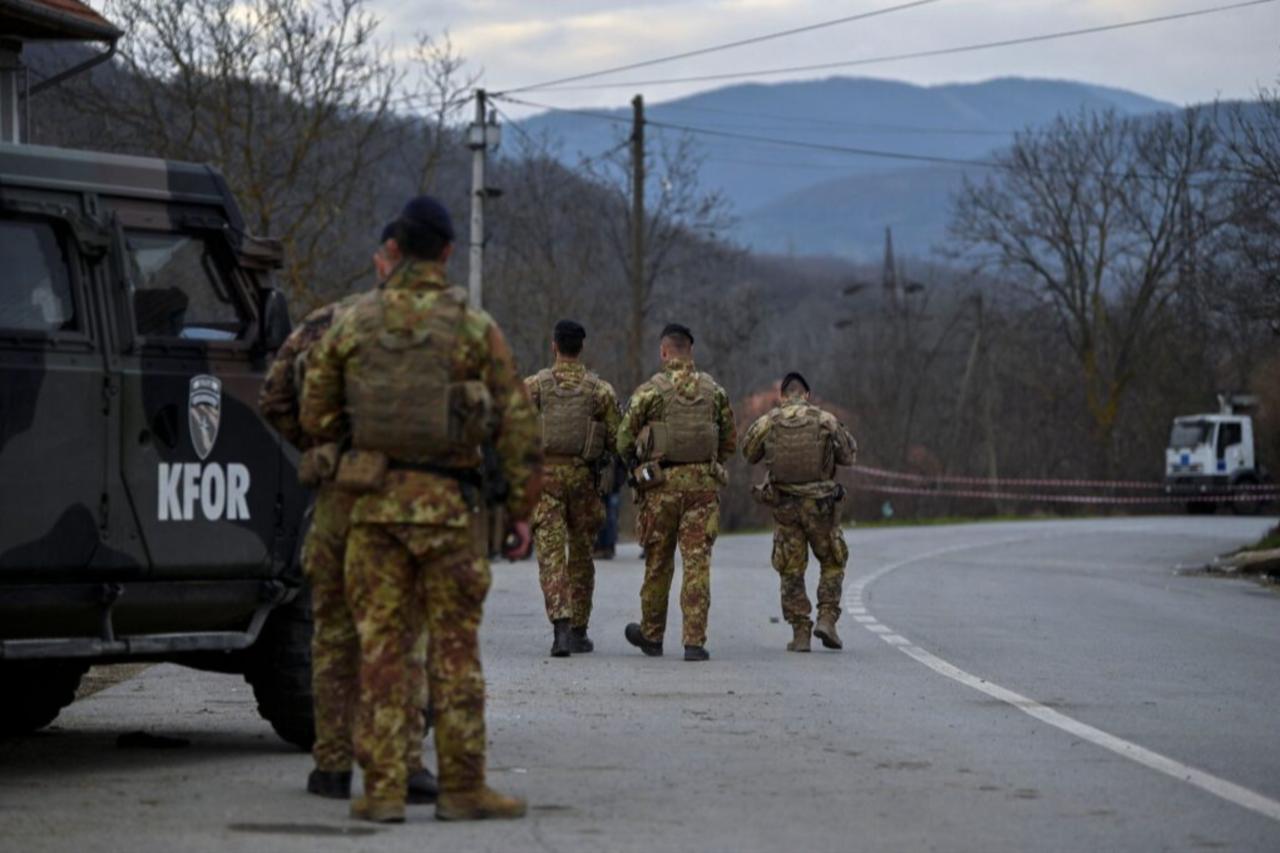
The prospect of fresh elections is also likely to further delay negotiations with Serbia, which has never recognized Kosovo’s independence, over tensions in the Serb-majority north of the country.
The normalization of relations between Belgrade and Pristina remains key to both countries’ stated ambitions to join the European Union.


 Set as preferred source
 Set as preferred source


 1 min read
 1 min read