Newsletters


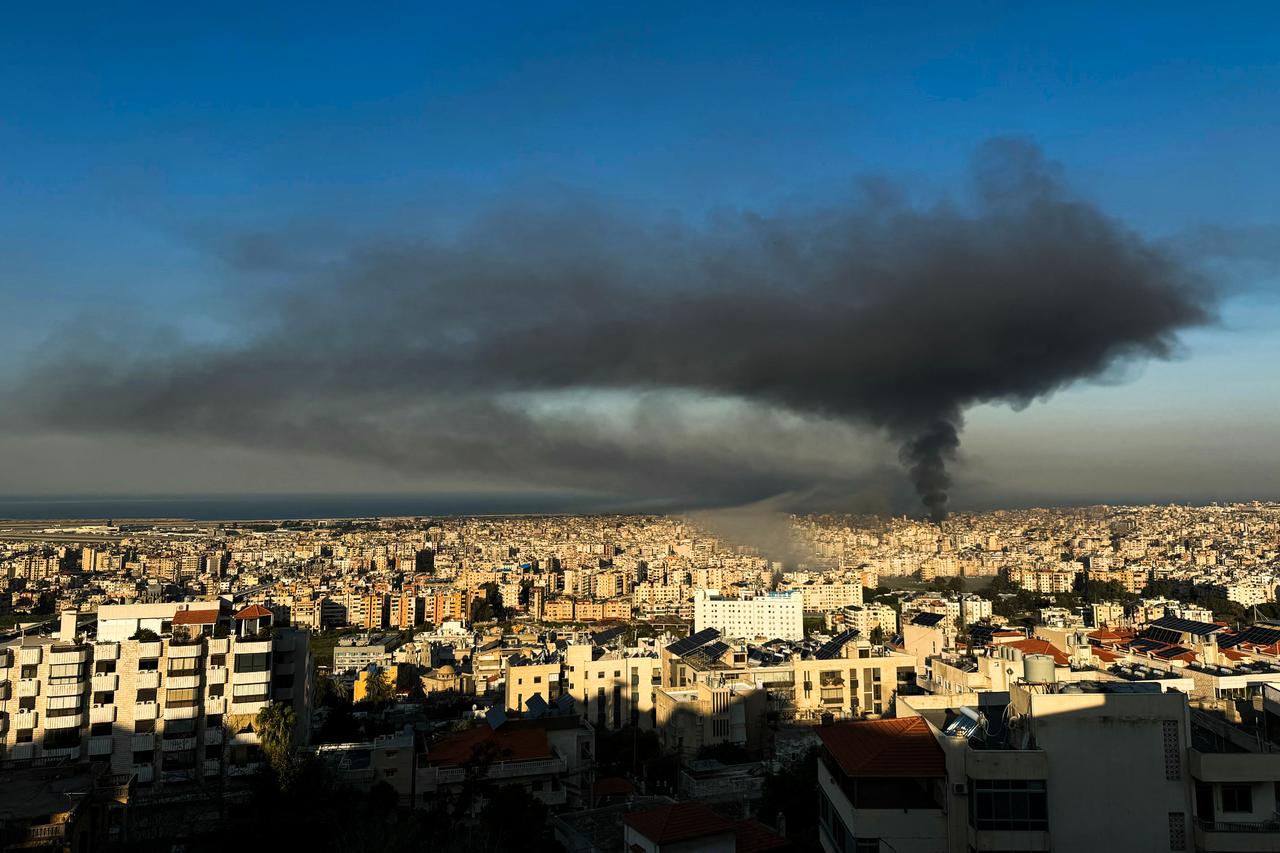


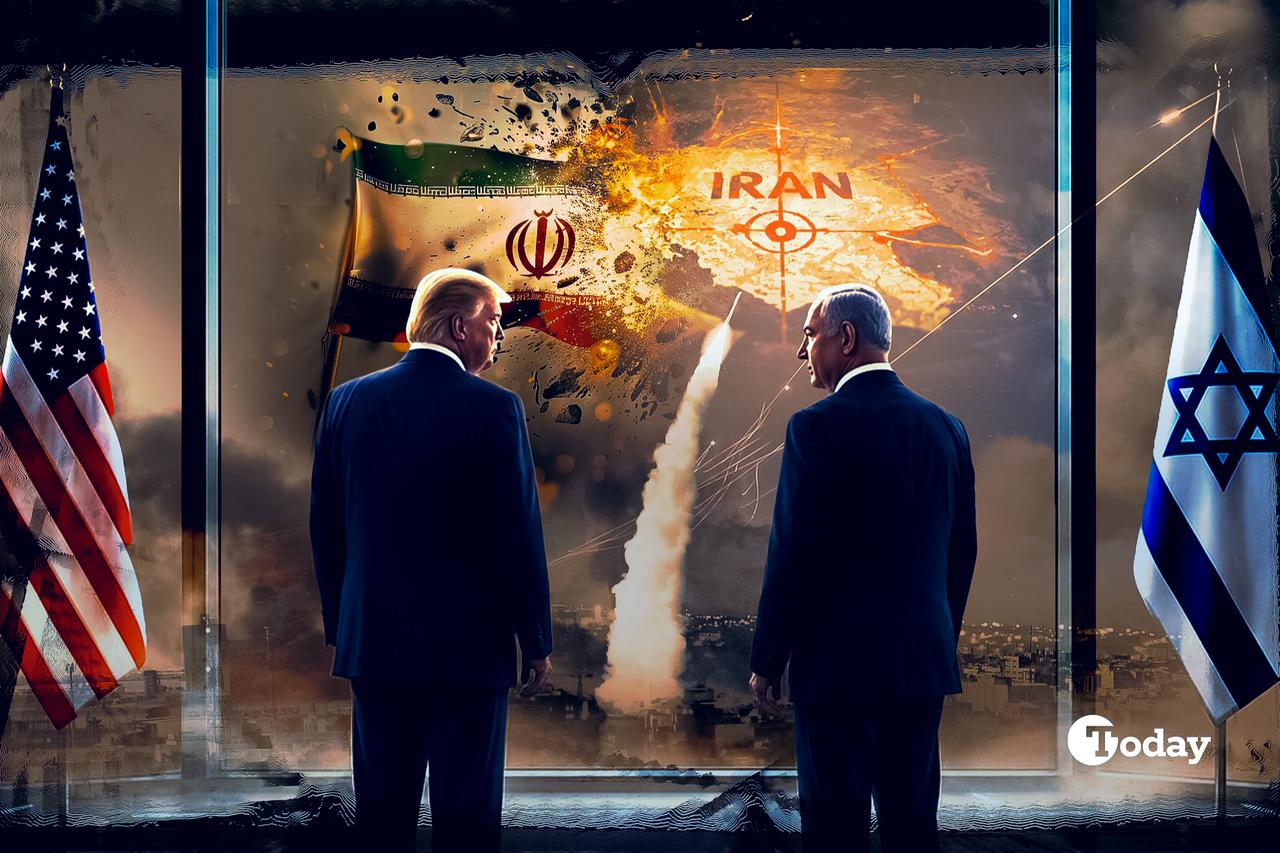
While the European Union and most governments across the Balkans responded to the United States and Israeli strikes on Iran with calls for restraint and de-escalation, some political actors in the region adopted a different tone.
In Kosovo, officials stepped forward in open support of Washington and Israel. President Vjosa Osmani strongly endorsed the strikes on Iran, framing them as part of a broader struggle for freedom and security.
Her statement aligned squarely with the United States’ position and reaffirmed Pristina’s unwavering Atlantic orientation. For Kosovo, alignment with Washington is a strategic doctrine.
In Bosnia’s Serb-majority entity, Republika Srpska, de facto leader Milorad Dodik issued one of the most forceful pro-Israel statements in the region. “Republika Srpska will stand firmly alongside its friends and allies in Israel,” he wrote on X.
Dodik argued that Israel and Republika Srpska face a “common existential threat posed by radical Islam,” extended full support to Israeli Prime Minister Benjamin Netanyahu, and praised U.S. President Donald Trump for defending what he described as Judeo-Christian civilization.
Republika Srpska has spent millions of euros on lobbying contracts in the United States, according to local media reports and U.S. Foreign Agents Registration Act filings, seeking to reshape perceptions of its leadership and position within Bosnia and Herzegovina.
Earlier this year, Dodik and senior Republika Srpska officials traveled to Washington for high-profile meetings with U.S. political figures, underscoring his efforts to cultivate influence even as European officials continue to express concern over his repeated challenges to Bosnia’s constitutional order and sovereignty.
The Republic of Kosovo and the Republika Srpska entity are typically positioned on opposite sides of nearly every regional dispute. Serbia and officials in Republika Srpska refuse to recognize Kosovo’s independence. The status of Kosovo remains one of the region’s most pressing and unresolved issues.
Kosovo’s support for the United States reflects strategic calculation. Its statehood was secured with Western military backing, and its security architecture depends on NATO and U.S. guarantees. In moments of global tension, alignment signals loyalty.
For Republika Srpska’s leadership, the calculus is different but equally political. Dodik frequently frames Bosnia’s wartime history through narratives of external ideological threats and positions his entity within broader geopolitical debates. Aligning with Washington and Israel reinforces that narrative domestically while elevating his international profile.
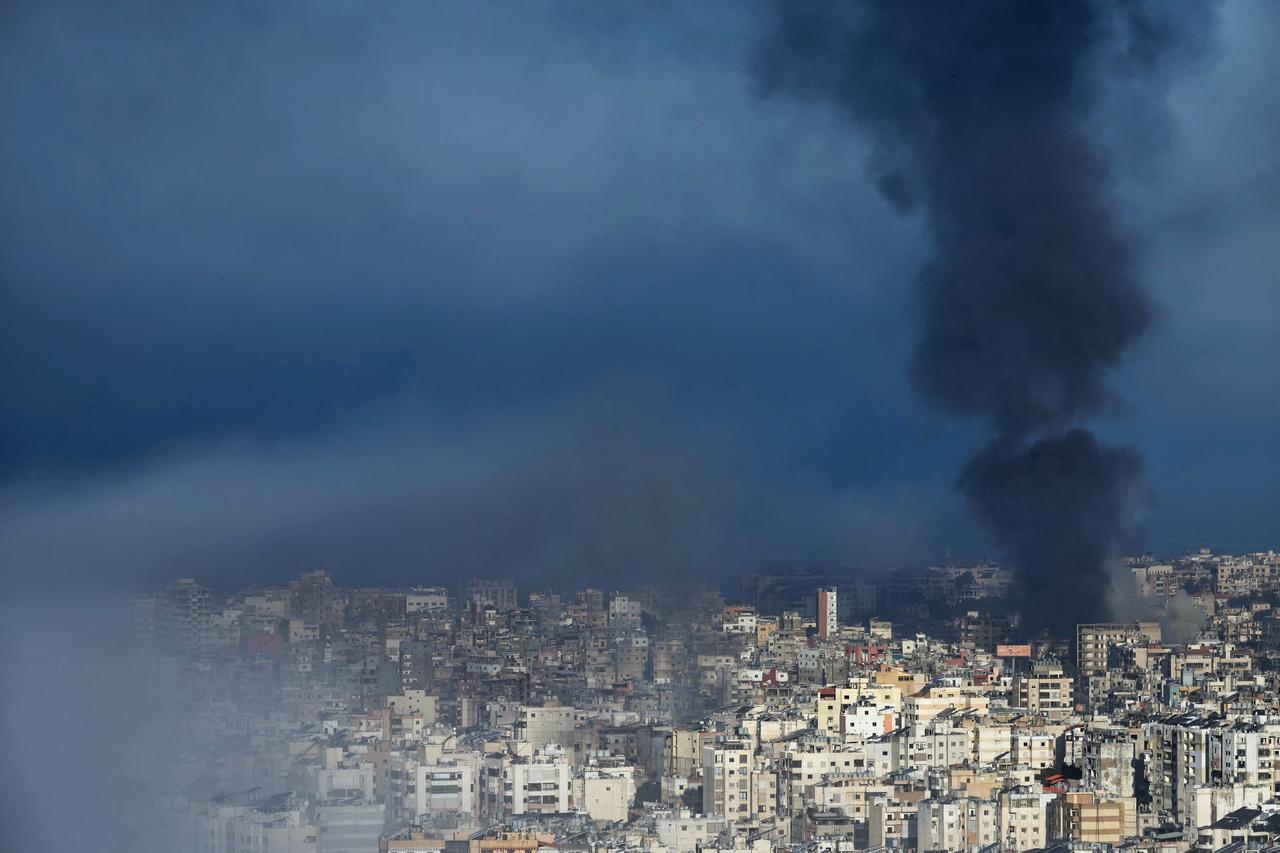

Most of the EU officials urged maximum restraint and respect for international law in the wake of the war in the Middle East. Governments in the Balkans echoed that position and condemned Iran’s retaliatory attacks in the Gulf, warning that strikes targeting regional states risk widening the conflict and destabilizing energy and security corridors vital to Europe.
Slovenia’s foreign ministry called for immediate de-escalation, respect for international law, and a return to diplomatic channels, warning that further escalation could destabilize not only the Middle East but also Europe’s security environment.
Croatia’s leadership similarly urged restraint and emphasized coordination with European Union partners. Neither government endorsed the strikes.
Serbian President Aleksandar Vucic warned that the confrontation had been long prepared and stressed that Serbia must avoid being drawn into a wider conflict. Bosnia and Herzegovina’s state-level institutions largely avoided taking an explicit side, reflecting internal divisions between its constituent entities.
For some aspiring EU members in the region, caution is pragmatic. Enlargement remains uncertain. Economic vulnerabilities persist. The region continues to be shaped by the legacy of the 1990s wars and the genocide committed by the Bosnian Serb Army in Srebrenica. A widening Middle East conflict risks inflaming ideological divisions and strengthening external geopolitical influence in Southeastern Europe.
 2 min read
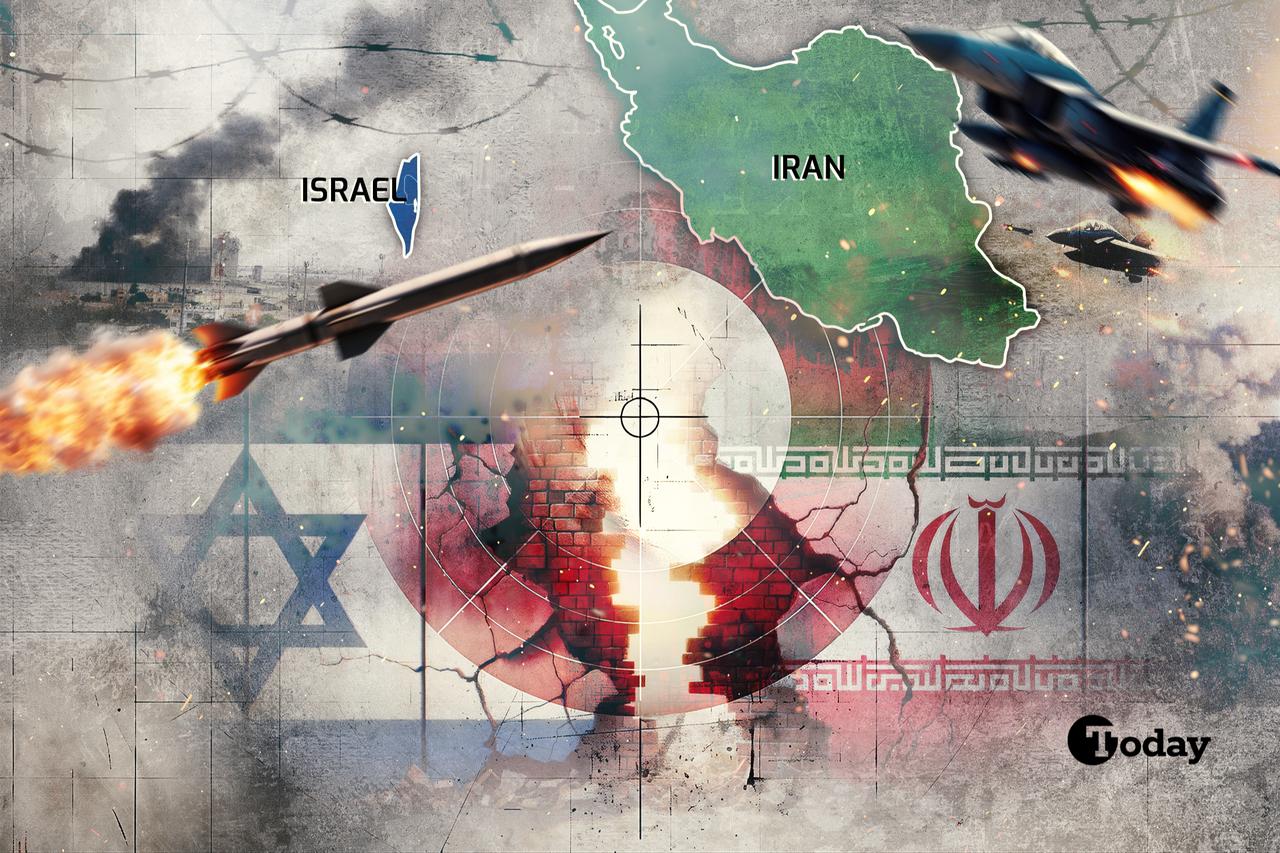
The risk for the Balkans is that global polarization will deepen existing regional fractures. Bosnia and Herzegovina remains politically fragile, with Dodik repeatedly raising the prospect of secession. Kosovo-Serbia normalization talks remain stalled. External powers continue to compete for influence across Southeastern Europe.
When Balkan leaders choose sides in distant conflicts, they are not merely expressing solidarity. They are signalling alignment in a broader geopolitical contest.
In this moment, two actors who rarely agree on anything found themselves on the same side of a global confrontation, not because their disputes are resolved, but because geopolitics can temporarily reorder old rivalries.
The Balkans is a region that knows what war leaves behind: division, instability, and fragile peace. Outside powers have long shaped local destinies. That is why even distant conflicts never feel entirely distant and why their shadows are taken seriously.


 Set as preferred source
 Set as preferred source


 1 min read