Newsletters


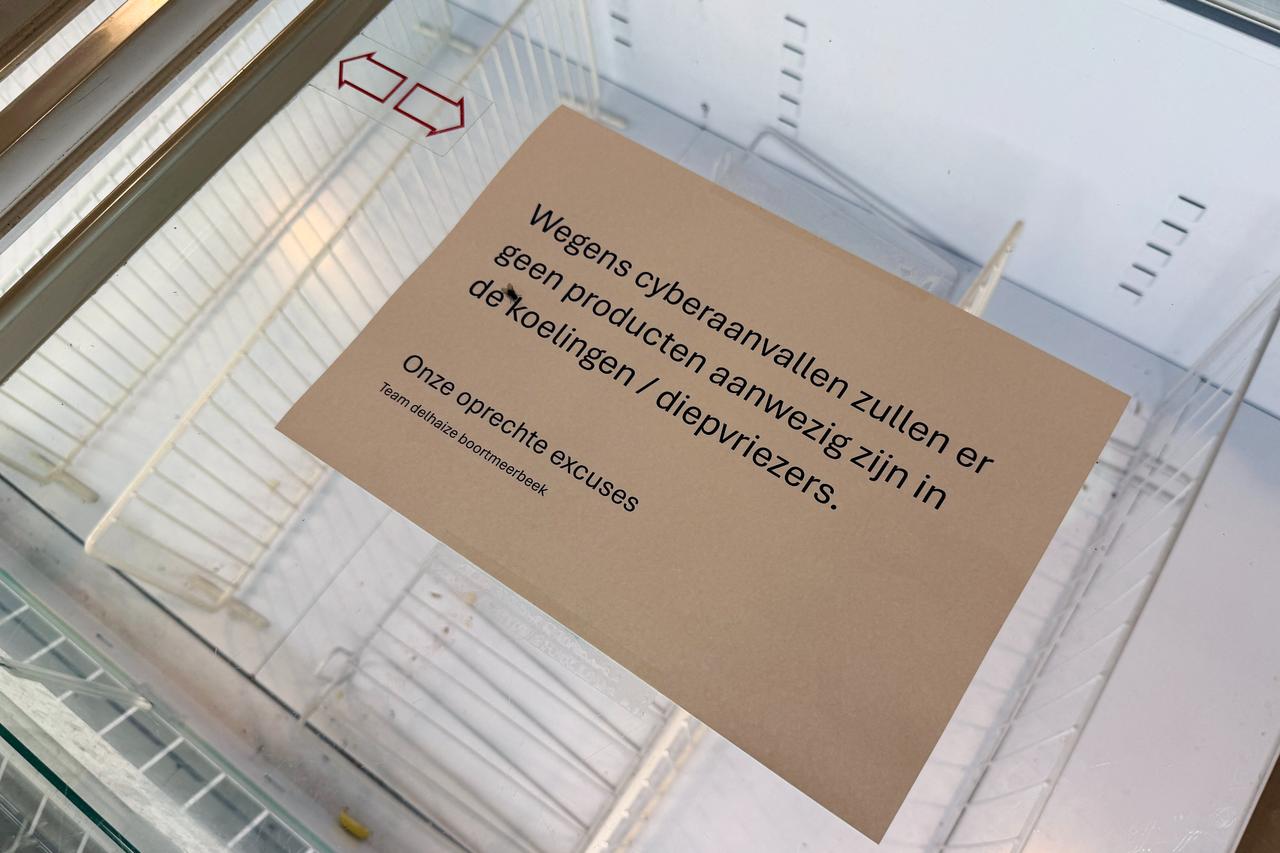


The Kremlin on Thursday rejected allegations that Russia was behind a wave of cyberattacks targeting supermarket refrigeration systems across Europe, calling the accusations "absurd" and insisting there was no evidence linking Moscow to the disruptions.
"These are absurd statements and they, as always, have no argumentation or proof behind them," Kremlin spokesperson Dmitry Peskov said, according to Russian news agency Interfax.
"These baseless accusations against our country, implicating it in everything well, unfortunately, this is becoming something of a persistent trend in European countries. I would like to emphasise once again that this is an utterly absurd accusation," he added.
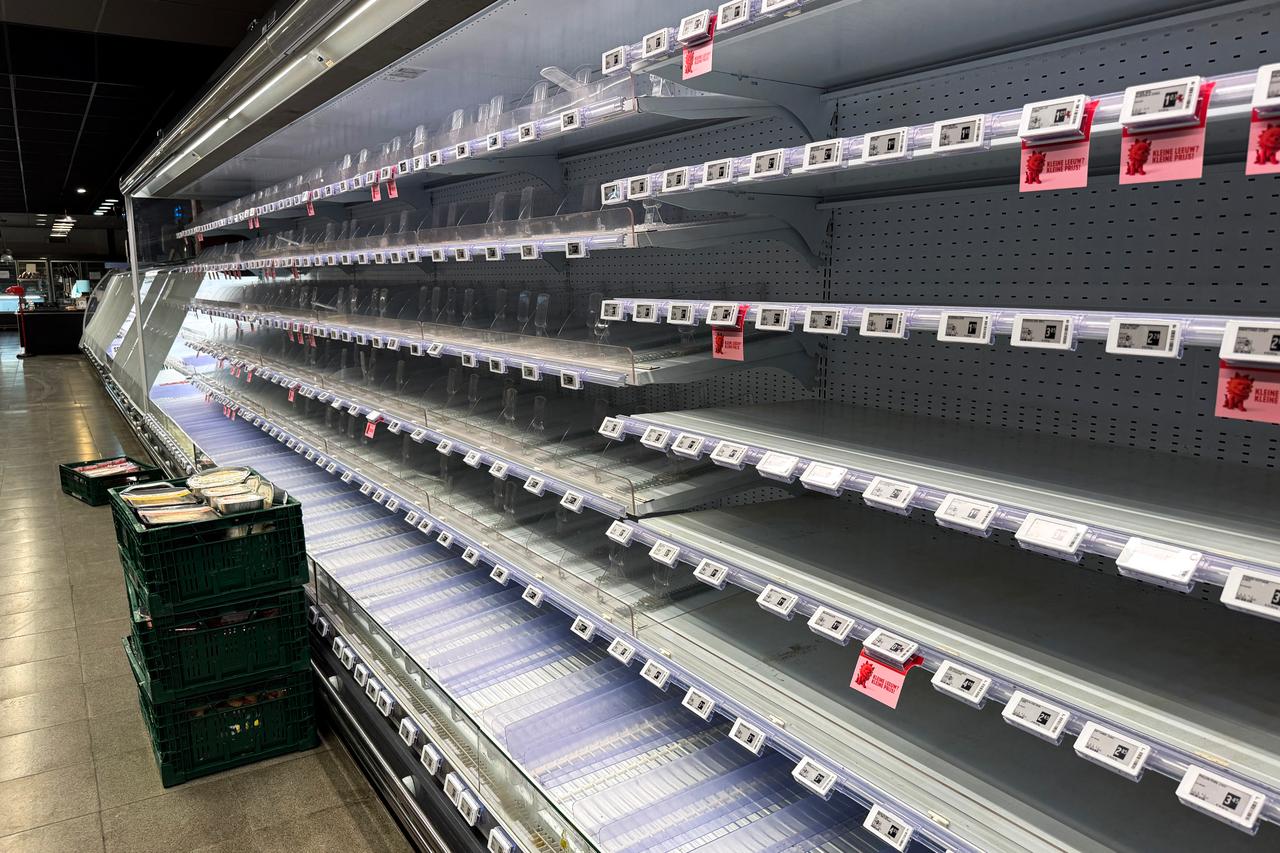
Peskov was responding to allegations that pro-Russian hacking groups were responsible for attacks that remotely raised temperatures in supermarket refrigerators and freezers, forcing retailers to dispose of spoiled food.
The disruptions, first reported Monday, affected grocery stores across at least nine European countries, including Belgium, Estonia, Finland, Ireland, Italy, Luxembourg, the Netherlands, Portugal and Sweden.
Subsequent reports identified additional incidents in Germany, Romania and the United Kingdom, bringing the number of affected countries to at least 11.
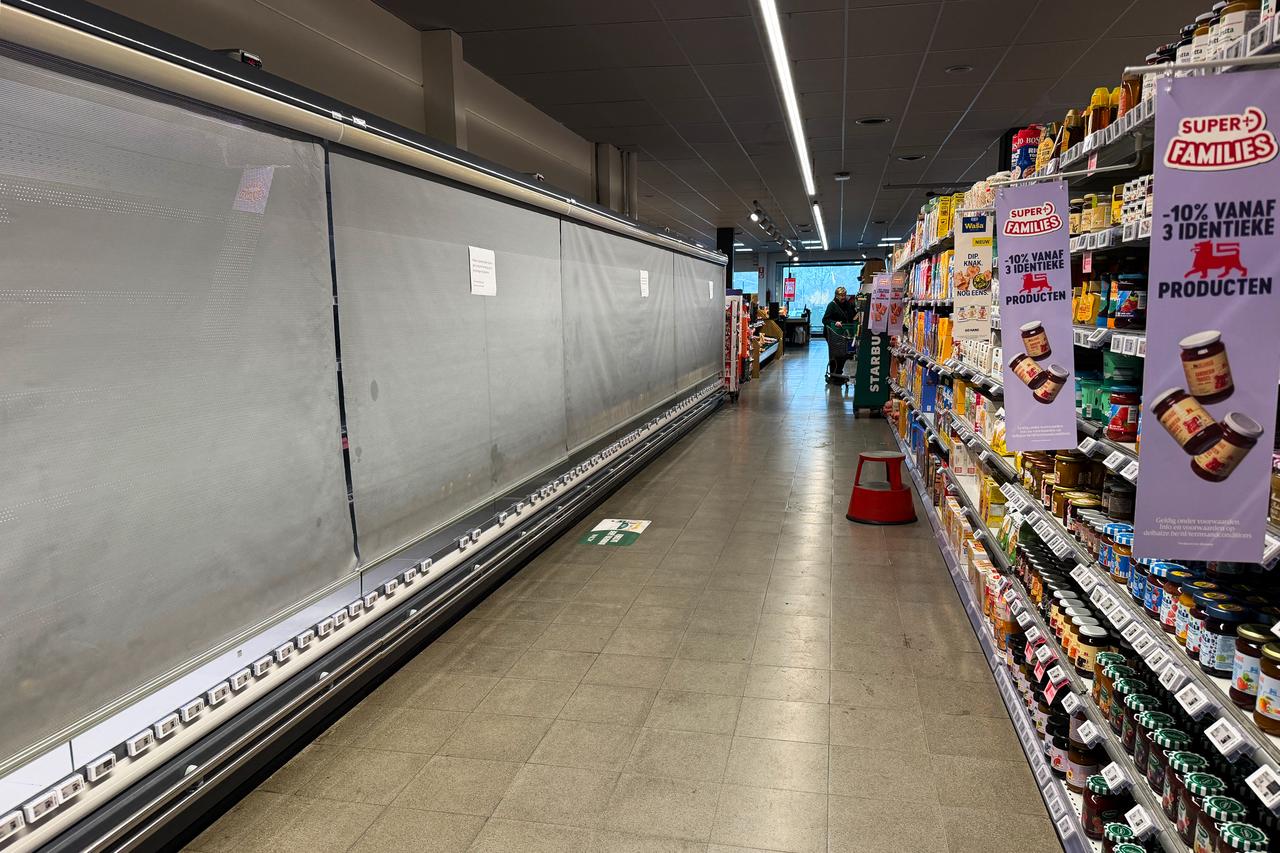

The European Union has warned that the cyberattacks appear to be an attempt to undermine the continent's food supply chain.
EU Agriculture and Food Commissioner Christophe Hansen described the incidents as a "deliberate attempt to disrupt our food supply chain" and said authorities were taking the situation seriously.
The attacks targeted internet-connected refrigeration systems, allowing temperatures to be manipulated remotely.
In some cases, temperatures reportedly rose to 50 degrees Celsius (122 degrees Fahrenheit), rendering refrigerated and frozen food products unusable.
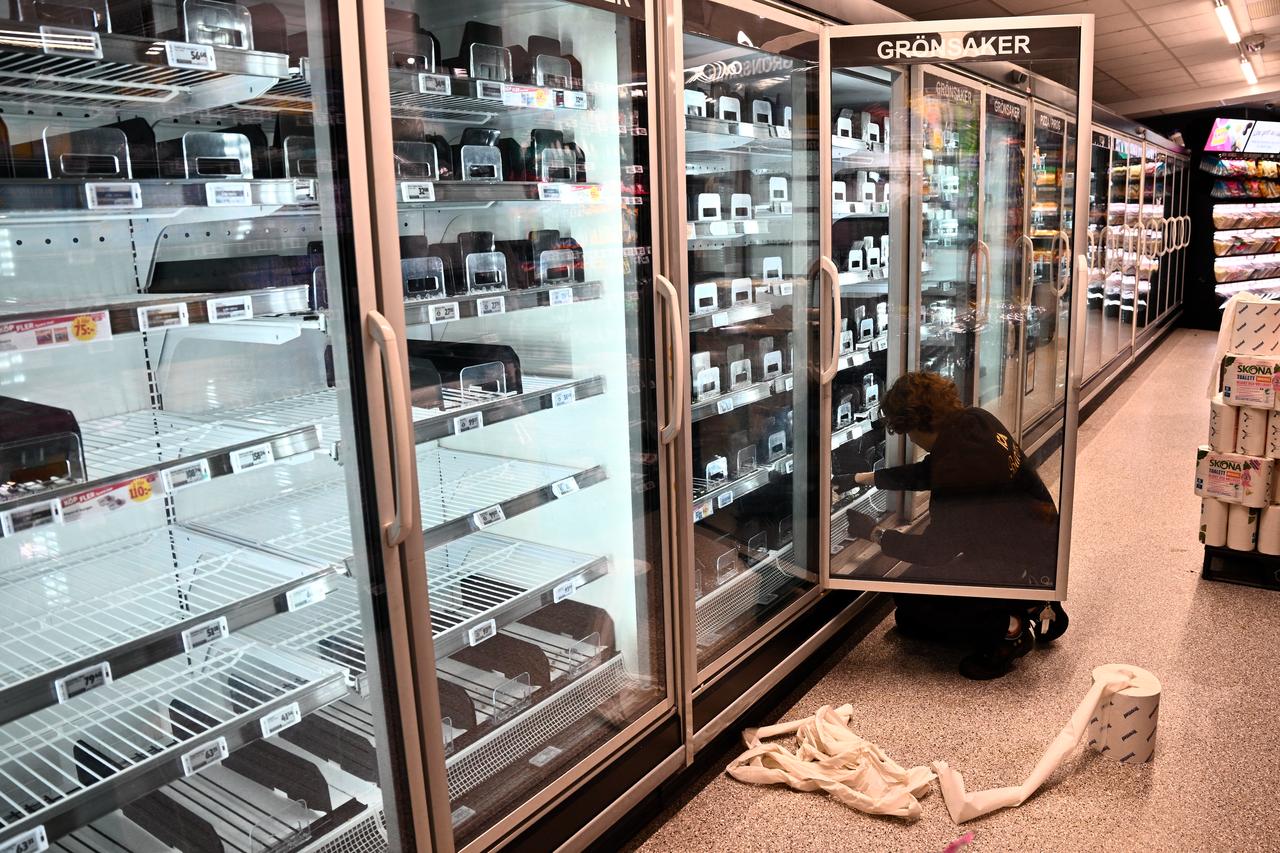
Belgium was among the hardest-hit countries, with dozens of supermarkets reporting refrigeration failures and federal prosecutors opening an investigation.
Retailers in Sweden, Ireland, Portugal and other affected countries also reported disruptions, prompting inspections and efforts to secure vulnerable systems.
The latest incidents followed a similar cyberattack in France last month that disrupted refrigeration equipment at hundreds of supermarkets and resulted in substantial food losses.
European governments have repeatedly accused Russia of conducting cyberattacks and sabotage operations, allegations that have intensified since Moscow launched its full-scale invasion of Ukraine in February 2022.
Russia has consistently denied involvement in such activities.
The latest refrigeration attacks have added to concerns about the vulnerability of civilian infrastructure, particularly systems connected to the internet for remote monitoring and maintenance.
However, the perpetrators and motives behind the supermarket attacks have not been conclusively established, and European authorities have not publicly presented evidence identifying the Russian government as responsible.


 Set as preferred source
 Set as preferred source


 2 min read
 1 min read