Newsletters


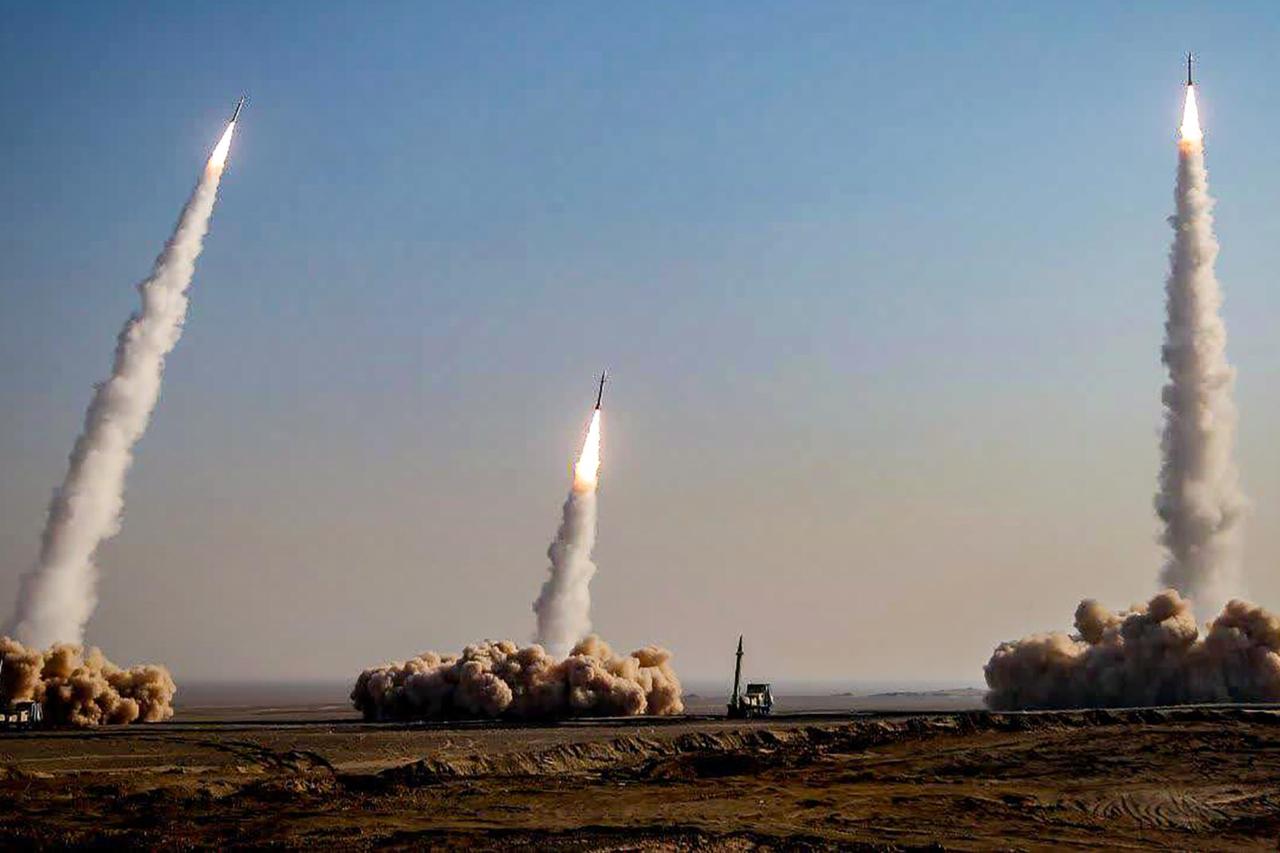


Kuwaiti air defenses intercepted an Iranian missile targeting a U.S. military base early Thursday, according to U.S. Central Command (CENTCOM).
The development comes amid the latest escalation threatening a fragile ceasefire between Washington and Tehran.
CENTCOM said Iran launched a ballistic missile toward Kuwait at 10:17 p.m. ET on May 27, hours after U.S. troops struck an Iranian drone control site near Bandar Abbas, but Kuwaiti forces intercepted the projectile before impact.
U.S. forces and regional allies remained "vigilant and measured" while defending military assets and shipping lanes from "unjustified Iranian aggression," the statement said.
The U.S. strike targeted a ground control station in Bandar Abbas in southern Iran on Wednesday after officials determined it was preparing to launch more drones toward commercial shipping routes and American positions near the Strait of Hormuz. U.S. forces intercepted five Iranian drones before carrying out the strike and stopped a sixth drone from launching from the site, CENTCOM stated.
Iran’s Islamic Revolutionary Guard Corps (IRGC) later confirmed it retaliated by targeting the U.S. airbase in Kuwait that it linked to the Bandar Abbas strike, describing the attack as a "deliberate warning."
Kuwait’s foreign ministry strongly condemned the attack, blaming Iran for targeting the Gulf country with missiles and drones. In a statement, the ministry voiced its “strongest condemnation and denunciation” of Iranian attacks, warning that the incident marked a "dangerous escalation."
The UAE's Foreign Ministry also denounced the strikes, calling them "a flagrant violation of the sovereignty of Kuwait and a threat to its security and stability."

The renewed confrontation followed a series of U.S. strikes on Iranian military sites earlier this week in the same region, which Washington described as defensive operations aimed at protecting commercial shipping routes, regional allies and American military assets across the Gulf.
Iran slammed the strikes as violations of its sovereignty and warned that any further attacks would draw a stronger response. Iranian officials also accused Washington of breaching the April ceasefire and undermining diplomatic efforts tied to reopening the Strait of Hormuz.
The latest exchange piled more pressure on already fragile negotiations launched after the U.S. and Iran agreed to a ceasefire on April 8 following weeks of fighting across the region. Since then, both sides have repeatedly accused each other of violating the truce as tensions around the strategic waterway continued to simmer.


 Set as preferred source
 Set as preferred source


 1 min read
 1 min read